Guide Highlights
- When is the Absolute Best Time to Visit Dubai?
- Crafting Your Perfect Dubai Itinerary
- Beyond the Postcard: Top Attractions & My Honest Take
- The Unspoken Rules: Culture, Etiquette & Practical Survival Tips
- Money Matters: Budgeting, Saving & Splurging in Dubai
- Packing for Dubai: The Non-Obvious Essentials
- Getting Around & Where to Stay: A Quick Primer
- Your Dubai Tourism Questions, Answered (FAQs)
Let’s be honest, planning a trip to Dubai can feel overwhelming. You’ve seen the pictures of the Burj Khalifa piercing the clouds, the insane indoor ski slope, and those perfect manicured beaches. But between the glossy brochures and Instagram influencers, it’s hard to figure out the real deal. What’s actually worth your time and money? When should you go to avoid melting into a puddle on the sidewalk? And how do you navigate a place that’s both ultramodern and deeply traditional?
I’ve been a few times now – for a whirlwind weekend, a longer family holiday, and even a stopover that turned into an unexpected adventure. Each trip taught me something new. I’ve made my share of mistakes (like trying to walk anywhere in August – never again) and found some absolute gems that most tour buses speed right past. This guide is my attempt to give you the clear, practical, and honest lowdown on Dubai tourism, so you can plan a trip that’s perfect for you, not just a copy of someone else’s highlight reel.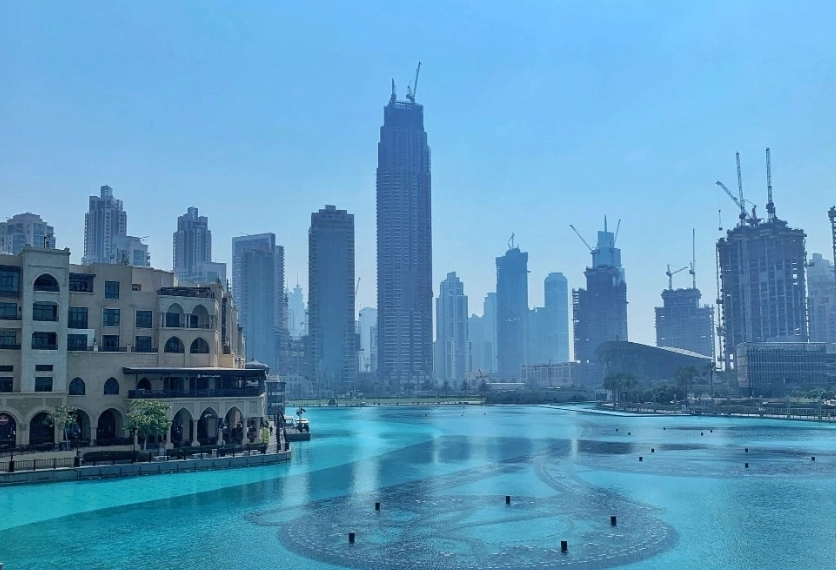
We’re going to dig into the nitty-gritty: the absolute best (and worst) times to visit, month by month. We’ll build flexible itineraries whether you have 3 days or a week. I’ll give you my personal take on the must-sees versus the overrated, and I won’t shy away from the downsides. We’ll talk about how to dress, how to get around without blowing your budget, and answer all those little questions that pop up when you’re planning. Think of this as a chat with a friend who’s been there, done that, and wants to save you the headache.
When is the Absolute Best Time to Visit Dubai? (A Month-by-Month Breakdown)
This is probably the most important question for any Dubai trip. Get the timing wrong, and it can define your entire experience. The short, generic answer is “November to March.” But that’s not super helpful, is it? Each month within that window has a different vibe, different prices, and different crowds.
Here’s the real breakdown, the kind I wish I had before my first trip.
| Month | Weather & Feel | What’s On & Crowds | My Personal Verdict |
|---|---|---|---|
| Jan - Feb | Peak “pleasant.” Days are sunny and warm (low to mid-20s °C), nights are cool. Perfect for being outdoors all day. | High season. Dubai Shopping Festival is in full swing (great deals, crazy malls). Crowds are at their peak, especially at major attractions. Hotel prices are highest. | Best for weather, worst for your wallet and patience. Book everything *far* in advance. |
| March - April | Starting to warm up significantly. By April, it’s properly hot during the day (can hit 35°C), but evenings are still lovely. | Crowds begin to thin after Easter. A good shoulder season vibe. You might catch the tail end of the DSF or the start of Dubai Food Festival. | A sweet spot. You get great weather for most of your trip and slightly better deals than peak winter. |
| May - September | Brutally hot. We’re talking 40-45°C+ daily, with intense humidity, especially August. The sun is no joke. | Low, low season. Mostly indoor activities. Huge hotel discounts (I’m talking 50%+ off). Crowds are minimal. Many outdoor attractions may have shorter hours or close. | Only if you’re on a tight budget, love empty pools, and plan to live in malls, hotels, and taxis. The heat is a genuine barrier to enjoyment. |
| October - November | My personal favorite window. Heat breaks in October, leading to gorgeous, sunny, warm-but-not-scorching days in November. | Shoulder to high season transition. Crowds build towards November. A great time for outdoor dining and desert safaris. | The ideal balance. Fantastic weather, decent prices if you book early, and the pre-holiday buzz is fun. |
| December | Festive and pleasant. Daytime is warm, evenings can get a bit chilly (a light jacket needed). | Very busy, especially around Christmas and New Year’s Eve. Incredible decorations and fireworks (Burj Khalifa show is legendary). Prices spike for NYE. | Magical for the festive atmosphere, but plan like a military general and expect to pay a premium. |
So, when is the *best* time? For a first-time visitor wanting the classic Dubai experience – desert safaris, beach days, exploring old and new – late October through November is hard to beat. You avoid the absolute peak prices and crowds of December-February, but you get near-perfect weather. March and April are a very close second.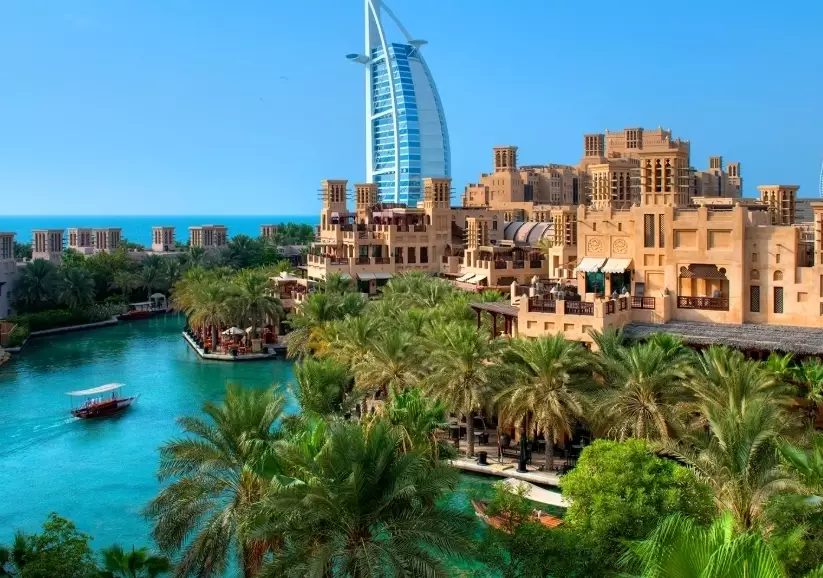
Crafting Your Perfect Dubai Itinerary: From 3-Day Blitz to 7-Day Deep Dive
Dubai’s sprawl is deceptive. Things look close on a map, but traffic is real. Don’t try to cram everything in one area per day; group by geography and vibe. Here are two templates I’ve used successfully.
The 5-Day Dubai Highlights Itinerary (The Gold Standard)
This is the perfect length for a first trip to get a real feel for the city’s contrasts.
Day 1: Modern Icons & Downtown Glamour
Start high – literally. Book a morning slot at At The Top, Burj Khalifa (tickets are cheaper and views clearer). Spend a couple of hours wandering the Dubai Mall. Don’t just shop; see the Dubai Aquarium tunnel (viewable from outside for free) and the mesmerizing Dubai Fountain show outside at night. Have dinner with a fountain view – reservations are key. Pro tip: The fountain show view from the Apple Store terrace or the Dubai Mall waterfront promenade is free and fantastic.
Day 2: History, Souks & The Creek
Cross the creek on an abra (a 1 AED wooden water taxi) for the most authentic 5 minutes in Dubai. Get lost in the Gold Souk and Spice Souk in Deira. Haggling is expected; be polite but firm. Visit the Dubai Museum in Al Fahidi Fort to understand the city’s rapid transformation. Then, explore the Al Fahidi Historical Neighbourhood (Bastakiya) with its wind-tower architecture. It’s quiet, artsy, and a world away from Downtown. End the day with a dinner cruise on the Creek.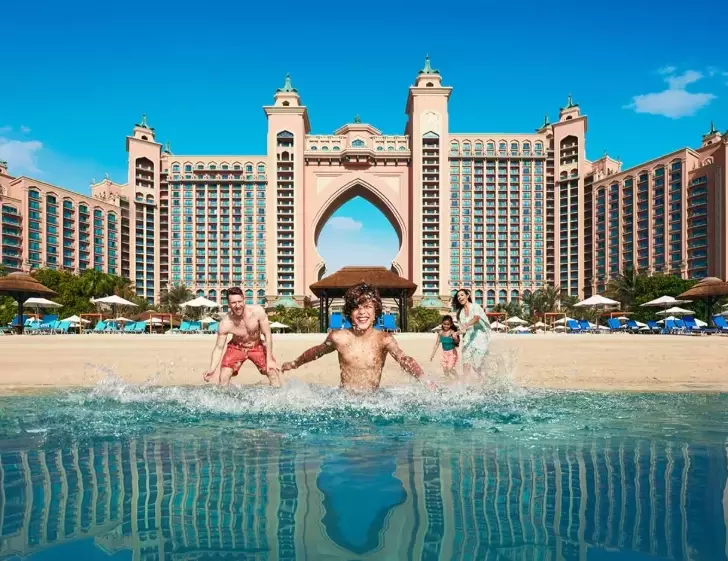
Day 3: Beach, Brunch & Burj Al Arab
Time for some leisure. Head to JBR (Jumeirah Beach Residence) Walk or La Mer beach. Rent a sunbed, swim, and people-watch. For lunch, experience the legendary Dubai Friday brunch (many run Friday and Saturday) – it’s an institution of excess and fun. In the afternoon, take the monorail to the Palm Jumeirah for a photo op of the Atlantis hotel and the stunning coastline. You can’t go into the Burj Al Arab without a restaurant/bar reservation (which is pricey), but the view from the public beach next to it (Jumeirah Public Beach) is iconic.
Day 4: Desert Safari Day
This is a full-day (usually afternoon-to-night) commitment, and it’s a cornerstone of Dubai tourism. Most tours include dune bashing, camel rides, sandboarding, and a BBQ dinner with shows at a desert camp. Book this in advance. I’ve tried a few operators, and the quality varies wildly. Read recent reviews. A higher price often means smaller groups and better food. It’s touristy, yes, but watching the sunset over the red dunes is unforgettable.
Day 5: Pick Your Passion & Last-Minute Souvenirs
Choose your finale. Option A (Retail Therapy): Explore a different mall – maybe the opulent Mall of the Emirates (with Ski Dubai) or the stunning, waterfall-filled Dubai Mall for anything you missed. Option B (Culture & Art): Visit the Dubai Frame for a unique perspective, or head to the Alserkal Avenue warehouses in Al Quoz for cutting-edge galleries and cool cafes. Option C (Thrills): Hit IMG Worlds of Adventure or Dubai Parks and Resorts if you’re traveling with kids or are a big kid yourself.
The 3-Day Dubai Stopover Itinerary
Got a long layover? Perfect. Dump your bags at the airport left luggage or your airport hotel and hit the ground running.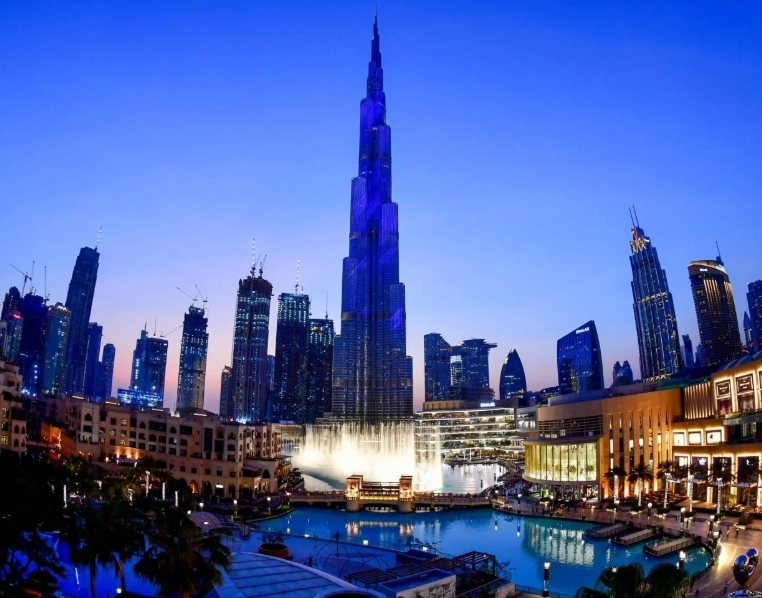
Day 1 (Arrival/Evening): Head straight to Dubai Marina. Walk along the marina promenade, have dinner at one of the countless restaurants with a view of the glittering skyscrapers. It’s a great, compact first impression of modern Dubai.
Day 2 (Full Day): Morning at the Burj Khalifa and Dubai Mall (pre-book tickets!). Afternoon exploring the souks and Al Fahidi across the Creek. Evening Desert Safari (most pick up from hotels). Exhausting but covers the big three: modern, old, and desert.
Day 3 (Morning/Departure): Quick trip to Jumeirah Public Beach for that classic Burj Al Arab photo, a walk around the Madinat Jumeirah souk (it’s modern but beautifully designed), then back to the airport.
Beyond the Postcard: Top Attractions & My Honest Take
Everyone lists the same top 10. Let me give you context on what they’re really like.
The Undisputed Icons (Worth It, But Do It Right)
- Burj Khalifa: Yes, go up. The view is the whole point of Dubai – seeing the desert meet the ocean, the crazy urban planning. Book “At the Top” tickets online well in advance to save money and time. Sunset slots are most expensive and crowded. A morning slot is calmer. Is it overpriced? Absolutely. But it’s the definitive experience. (Official Site for Tickets & Info)
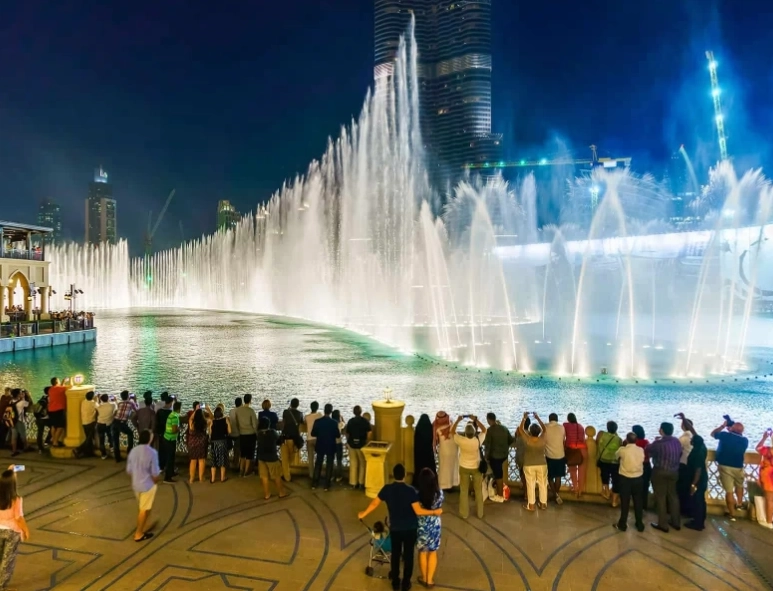
- The Dubai Fountain: Free and fantastic. Shows every 30 minutes in the evenings. Don’t just watch from the crowded mall side. Walk over the bridge to the Souk Al Bahar side for a less crowded, equally stunning view.
- The Dubai Mall: It’s a city within a city. Don’t just shop. See the aquarium, the dinosaur skeleton, the VR park, the Olympic-sized ice rink. It’s an attraction in itself. Wear comfortable shoes – you will walk miles.
The Cultural & Historical Heart (Don’t Skip These)
- Al Fahidi Historical Neighbourhood & Dubai Museum: This is the soul of old Dubai. The museum is simple but effective. Wandering the narrow lanes of Al Fahidi, popping into art galleries and quiet cafes in restored merchants’ houses, is a peaceful respite. The Sheikh Mohammed Centre for Cultural Understanding here offers excellent cultural meals and tours to ask anything about Emirati life.
- The Souks (Gold, Spice, Textile): This is sensory overload in the best way. The glitter of the Gold Souk is insane. The Spice Souk smells incredible. It’s bustling, noisy, and real. Be prepared for vendors calling out. A simple “No, thank you” and keeping walking works. Go with a sense of curiosity, not just to buy.
The “Maybe” List (Depends on You)
- Burj Al Arab: Going inside requires a reservation (afternoon tea, lunch, dinner, or a bar visit). It’s very expensive. The interior is… gaudily luxurious. For most, the iconic external photo from the public beach is enough.
- Atlantis The Palm & Aquaventure: If you’re a thrill-seeker or traveling with kids who love waterparks, it’s world-class. If not, it’s a pricey day at a very crowded, American-style resort. The Lost Chambers aquarium is cool but small.
- Global Village: Only open seasonally (Oct-Apr). It’s a massive cultural entertainment park with pavilions from 75+ countries. It’s chaotic, kitschy, fun, and a true melting pot of Dubai’s resident population. Great for street food and quirky souvenirs. Not for those seeking serenity.
The Unspoken Rules: Culture, Etiquette & Practical Survival Tips
Dubai is incredibly tourist-friendly, but it’s not Las Vegas. A little cultural awareness goes a long way.
Dress Code: This is the big one. In malls, hotels, and restaurants, you can wear what you like within reason. However, when visiting mosques, government buildings, or older areas like the souks and Al Fahidi, modesty is key. For everyone: shoulders and knees covered. For women, loose-fitting clothing is respectful. Carry a light scarf or pashmina – it’s a lifesaver for covering up quickly and for the aggressive air conditioning. On public beaches and hotel pools, regular swimwear is fine.
Public Behavior: Public displays of affection beyond holding hands are frowned upon and can actually get you in legal trouble. Swearing and rude gestures are serious offenses. Drinking alcohol is only permitted in licensed venues (hotels, bars, clubs). You cannot drink in public or be drunk in public. During Ramadan, eating, drinking, or smoking in public during daylight hours is prohibited by law.
Photography: Be sensitive. Don’t take photos of people, especially local women, without permission. Avoid photographing government buildings, military installations, and airports.
Money Matters: Budgeting, Saving & Splurging in Dubai
Dubai can be as expensive or as reasonable as you make it. The myth that it’s only for the ultra-rich is just that – a myth.
Sample Daily Budget (Per Person)
- Budget Traveler (Hostels/Apartments, Public Transport, Street Food): 250-350 AED ($70-$95 USD)
- Mid-Range Traveler (3-4* Hotel, Mix of Taxi/Metro, Casual Restaurants): 600-900 AED ($165-$245 USD)
- Luxury Traveler (5* Hotel, Private Drivers, Fine Dining): 1500+ AED ($410+ USD)
Saving Money Like a Pro:
- Transport: The Dubai Metro is clean, efficient, and cheap. Get a Nol Card (like an Oyster card) for metro, buses, and water buses. Taxis are reasonable for short trips, but avoid during peak rush hours (7-9 AM, 5-7 PM). Careem and Uber operate but are pricier than regular taxis.
- Food: Don’t just eat in malls! The real value is in “cafeterias” (small local eateries) and Lebanese/Indian/Pakistani restaurants. A massive, delicious shawarma can cost 10 AED. A karak chai (spiced tea) is 1-2 AED. For a mid-range treat, the Friday brunch is actually good value for the quantity and quality.
- Attractions: Look for combo tickets (e.g., Burj Khalifa + Aquarium). Many museums have very low entry fees. The Dubai Pass or Go City Dubai can be worth it if you plan to visit many paid attractions in a short time – do the math first.
- Shopping: Wait for the Dubai Shopping Festival (Dec-Jan) or Dubai Summer Surprises (June-Aug) for genuine deals, especially on electronics, gold, and fashion.
What’s Worth the Splurge?
A truly memorable meal with a view (like at a Burj Khalifa restaurant). A premium desert safari with a private guide. A day pass to a luxury hotel’s beach or pool club (access to their facilities, often including a food credit). These experiences define luxury Dubai tourism and are often where the magic happens.
Packing for Dubai: The Non-Obvious Essentials
Beyond your usual travel stuff:
- Modesty Cover-up: That light scarf or pashmina I mentioned. Essential.
- Power Adapter: The UAE uses Type G plugs (British standard). 220V.
- Serious Sun Protection: High SPF sunscreen, a wide-brimmed hat, and sunglasses. The sun is intense year-round.
- Comfortable Walking Shoes: You will walk more than you think, even in malls.
- A Light Jacket or Cardi: For overly air-conditioned malls, restaurants, and cooler winter evenings.
- Reusable Water Bottle: Tap water is technically safe but desalinated and not tasty. Refill with bottled/filtered water. Staying hydrated is critical.
- Download These Apps: Careem (rides, food delivery), Google Maps (works well), The Entertainer (for buy-one-get-one-free deals on dining and attractions), and Dubai Metro map app.
Getting Around & Where to Stay: A Quick Primer
Neighborhoods to Consider:
- Downtown/Business Bay: Perfect for first-timers. Walking distance to Burj Khalifa/Dubai Mall. Central. Can be pricey.
- Dubai Marina/JBR: Beach access, great dining, modern vibe. Feels like a separate city. Excellent metro link.
- Deira/Bur Dubai: Old Dubai. Authentic, great value, close to souks and creek. Less glamorous, more chaotic.
- Al Barsha/JLT (Jumeirah Lakes Towers): Mid-range hotel heaven. Close to Mall of the Emirates. Good metro access. Practical but not “scenic.”
- The Palm/Jumeirah: Luxury resorts. Isolated, requiring taxis everywhere. For a pure resort holiday.
The Metro Red Line connects the airport, Deira, Bur Dubai, Downtown, Al Barsha (Mall of the Emirates), and Dubai Marina. Choosing a hotel near a metro station is the smartest move for budget and convenience.
Your Dubai Tourism Questions, Answered (FAQs)
Is Dubai safe for solo travelers, including women?
In my experience, yes, remarkably so. It’s one of the safest cities I’ve ever visited. Violent crime is extremely rare. As a woman, I’ve walked alone in well-populated areas at night and felt completely safe. The usual global city precautions apply (watch your bag, be aware of your surroundings), but the level of security and respect is high.
Do I need a visa?
Citizens of many countries (including the US, UK, EU, Australia, Canada) receive a free 30-day visit visa on arrival. This can sometimes be extended. Always check the latest requirements with your airline or the official UAE immigration site before you travel, as rules can change. (Emirates Airline Visa Info is a reliable resource for nationalities).
Can I drink the tap water?
It’s safe for brushing teeth, but it’s desalinated and not particularly tasty. Most residents and visitors drink bottled water, which is cheap and widely available. In restaurants, you’ll typically be served bottled water.
Is everything in Dubai artificial?
This is a common critique. The modern areas are master-planned and can feel surreal. But the heart of Dubai tourism lies in the contrast. The history along the Creek, the cultural melting pot of its people (over 200 nationalities!), the vast, silent desert just a 30-minute drive from the skyscrapers – these are profoundly real. Embrace the juxtaposition; that’s the city’s true character.
What’s the tipping etiquette?
Tipping is not mandatory but is appreciated for good service. In restaurants, a 10-15% service charge is often added to the bill. You can add a little extra (5-10% cash) if you wish. For taxis, rounding up to the nearest 5 or 10 AED is standard. For hotel porters, 5-10 AED per bag is fine.
What’s one thing you wish you knew before your first trip?
How much I’d need that scarf for both modesty and AC! And to slow down. I tried to tick everything off a list. Dubai is best enjoyed when you pause – for a karak chai at a streetside cafe, to watch the abras criss-cross the Creek, to just take in the sheer audacity of it all from a quiet corner. It’s a city that rewards curiosity over checklist tourism.
So, there you have it. Not just a list of places, but a feel for the place. Dubai is bold, ambitious, warm (in every sense), and constantly surprising. Do your research, pack your sense of adventure (and that scarf), and you’re in for an incredible experience. The world of Dubai tourism is waiting – beyond the glitz, there’s a genuinely fascinating city to discover.




Comments
Join the discussion