Your Travel Blueprint
Let's be real, when you think of the Philippines, you probably picture those impossibly blue waters and white sand, right? That's what first drew me in, too. But after spending a good chunk of time hopping around the 7,641 islands (yeah, that's the official count, though only about 2,000 are inhabited), I realized there's so much more to the story. So, what is the main purpose of visiting tourists in the Philippines? Is it just about beach bumming?
Well, according to the latest data from the Philippine Department of Tourism, while sun and sand are huge draws, they're not the whole picture. The numbers show a fascinating mix of motivations that bring people to this Southeast Asian archipelago.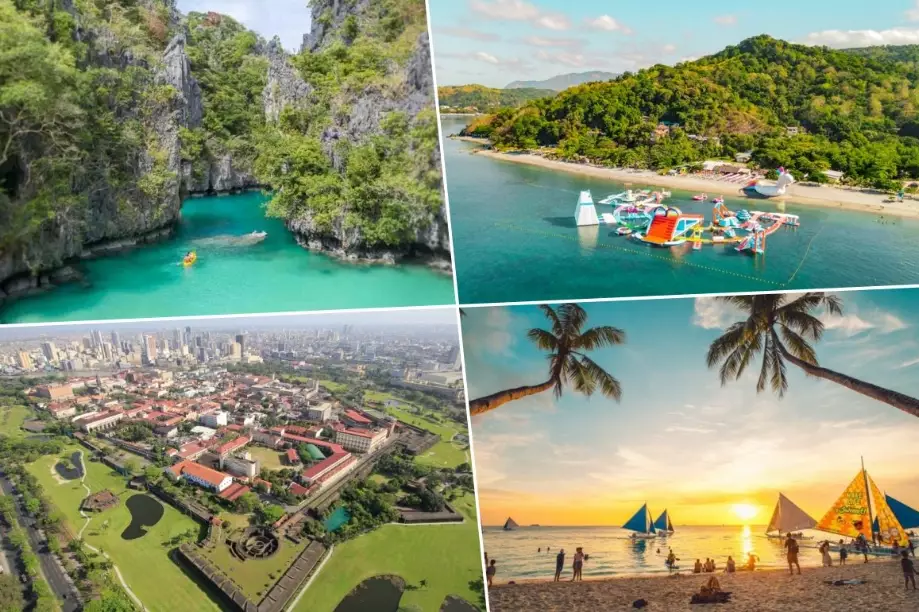
Quick Data Snapshot: Pre-pandemic, the Philippines welcomed over 8 million international visitors in 2019. While comprehensive post-COVID breakdowns by travel purpose are still being finalized, surveys and industry reports consistently point to a few dominant themes that answer our core question: What is the main purpose of visiting tourists in the Philippines?
I've talked to dozens of fellow travelers, from backpackers to luxury seekers, and combed through industry reports to break this down. Forget the generic lists. Let's dive into the real, nuanced reasons people make the trip.
The Top 5 Reasons Tourists Flock to the Philippines
Based on a mix of official statistics, tour operator insights, and plain old traveler chatter, here are the five biggest pulls. Think of this as the "why" behind the Instagram photos.
1. Beach, Island, and Nature Getaways (The Obvious One)
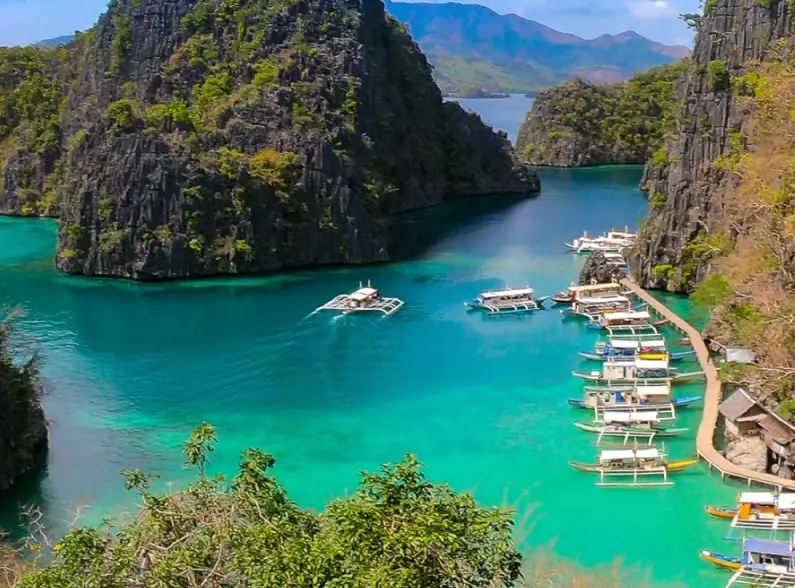
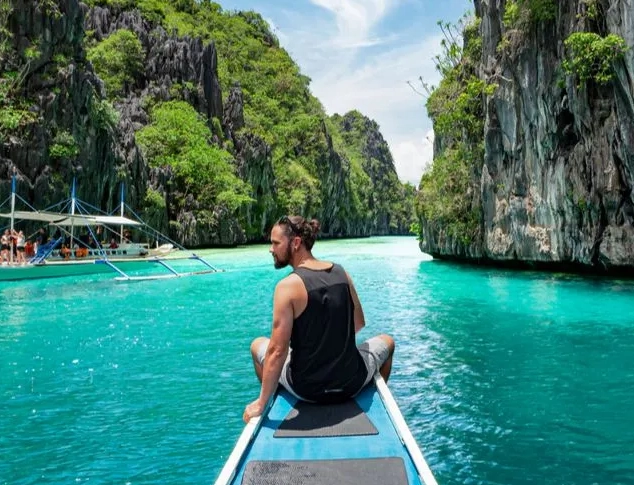
Okay, let's state the obvious first. The pristine beaches are a massive, undeniable magnet. When you ask, "What is the main purpose of visiting tourists in the Philippines?" the immediate answer for a huge percentage is to experience world-class beaches and island life.
We're talking about powdery white sand that feels like flour, water in shades of turquoise you thought only existed in filters, and coral reefs teeming with life. Destinations like:
- Boracay: Despite its
- Palawan: Home to the Underground River (a UNESCO World Heritage site) and the jaw-dropping lagoons of El Nido and Coron.
- Siargao: The surfing capital, but also full of hidden lagoons and palm-fringed islands.
But it's not just about lying on the sand. The purpose often extends to specific water-based activities. Think island-hopping tours, snorkeling with sea turtles in Apo Reef, or freediving in Moalboal's sardine run. This segment includes everyone from honeymooners seeking a romantic overwater bungalow to backpackers chasing the perfect sunset on a budget beach hut.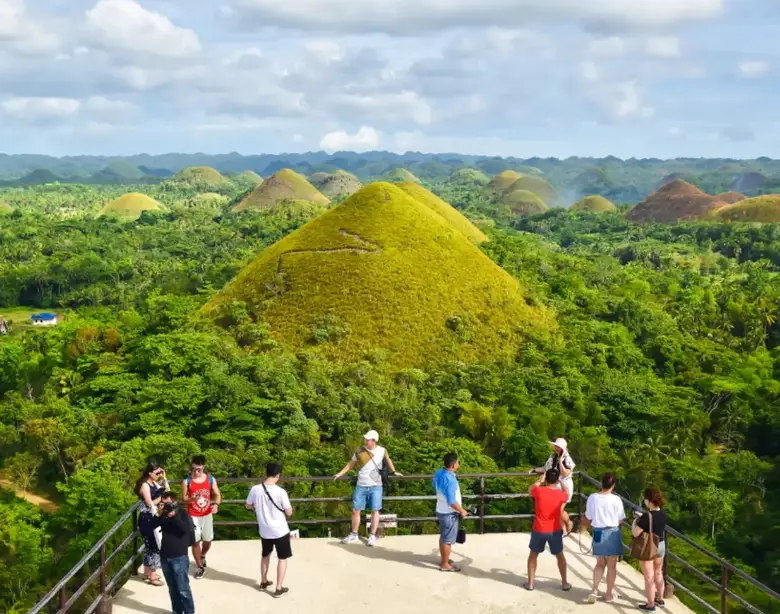
2. Cultural and Heritage Exploration
This one might surprise you if you only know the Philippines for its beaches. A significant number of tourists come specifically to dig into the country's incredibly layered history and culture. We're talking over 300 years of Spanish influence, American colonial periods, and rich indigenous traditions that survived it all.
Key cultural draws include:
- Historic Vigan: A UNESCO-listed city with cobblestone streets and Spanish-era architecture. Walking here feels like a trip back in time.
- The Spanish Colonial Churches: Like the Baroque churches of the Philippines, also on the UNESCO list. The San Agustin Church in Manila is a profound example.
- Festivals (Ati-Atihan, Sinulog, Panagbenga): Many travelers plan their entire trip around these vibrant, chaotic, and deeply spiritual events.
- The Banaue Rice Terraces: Called the "Eighth Wonder of the World," these 2,000-year-old terraces are a testament to ancient engineering and a living cultural landscape.
I met a history teacher from Canada who spent three weeks just traveling from one heritage site to another. For him, the main purpose was purely educational and immersive. This cultural tourism is a powerful, and sometimes overlooked, answer to "What is the main purpose of visiting tourists in the Philippines?"
You can explore the official list of UNESCO World Heritage Sites in the Philippines on their UNESCO page to plan your own cultural itinerary.
3. Adventure and Eco-Tourism
The Philippines isn't a passive destination. Its dramatic landscape of volcanoes, jungles, rivers, and mountains calls out to the adventurer. For this growing segment of tourists, the main purpose is to get their adrenaline pumping and connect with raw nature.
Here’s a quick table breaking down some top adventure pursuits:
| Activity | Top Destination | What's the Appeal? |
|---|---|---|
| Trekking & Volcano Hiking | Mount Mayon (Albay), Mount Pulag | Conquering perfect-cone volcanoes or hiking above the "sea of clouds." |
| Canyoneering & Caving | Kawasan Falls (Cebu), Sumaguing Cave (Sagada) | Jumping off waterfalls, rappelling into dark caves, and spelunking adventures. |
| Surfing | Siargao, La Union, Baler | Consistent waves for both beginners and pros, with a laid-back surf town vibe. |
| Diving & Snorkeling | Tubbataha Reefs Natural Park (a UNESCO marine park), Apo Island | World-class biodiversity, shark encounters, pristine coral walls. |
Eco-tourism is tightly linked here. Travelers are increasingly seeking out community-based tours, wildlife conservation projects (like pawikan [sea turtle] hatcheries), and resorts with strong sustainability practices. This shift is redefining the purpose for a conscious segment of travelers.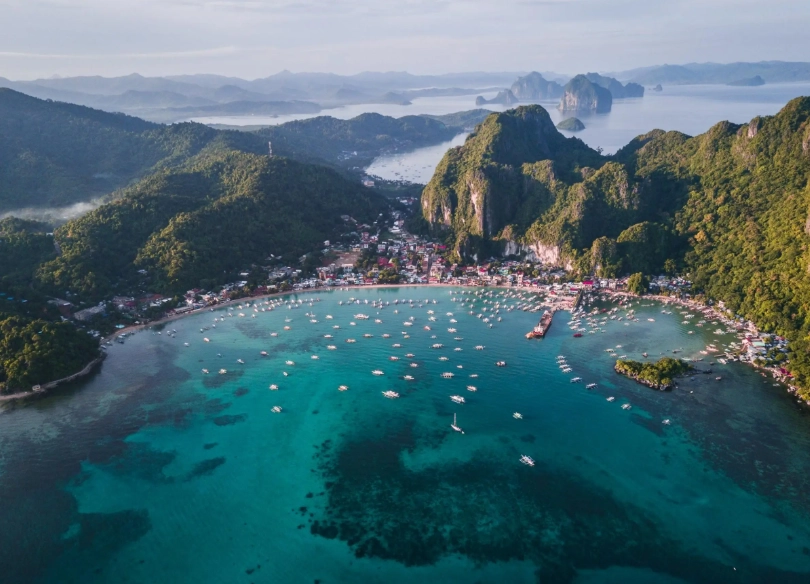
4. Visiting Friends and Relatives (VFR) and Family Holidays
This is a huge one that often flies under the radar in flashy travel blogs. The Philippines has a massive diaspora—over 10 million Overseas Filipinos worldwide. This creates a steady, resilient stream of tourists whose primary purpose is to go home for a visit.
These trips are less about sightseeing and more about family reunions, attending weddings or fiestas, and introducing kids to their roots. The spending patterns are different, and they often travel during peak holiday seasons (Christmas is huge).
But it's not just the diaspora. The Philippines is also a popular destination for multi-generational family holidays. Why? Generally friendly locals, widespread use of English, a variety of activities for all ages, and often, great value for money. You can find resorts with kids' clubs, safe beaches for toddlers, and engaging historical sites for the teens (and grandparents).
5. Food and Urban Exploration (The Underdog)
This is the rising contender. More and more, foodies and urban explorers are adding the Philippines to their list. Manila, the capital, is a frenetic, sprawling megacity with a burgeoning culinary scene that goes far beyond adobo and lechon (though you must try those).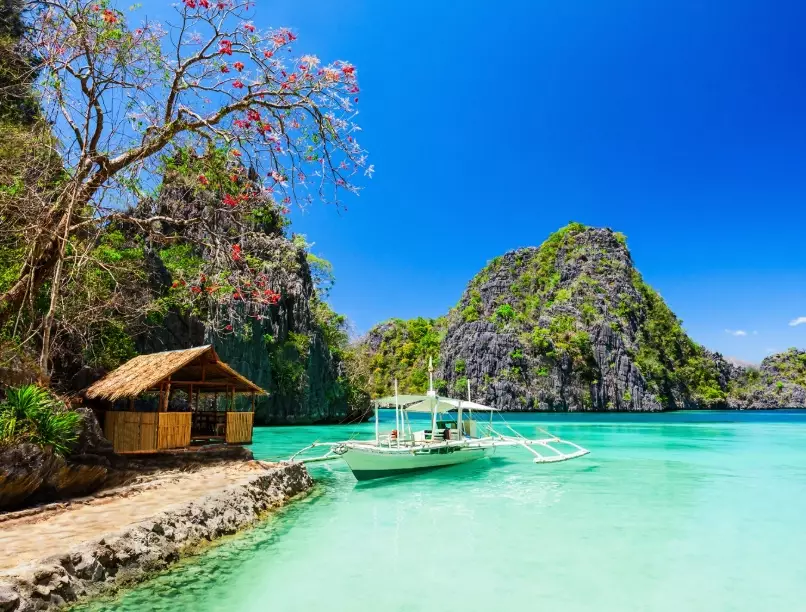
From innovative fine dining restaurants making waves on the global stage to gritty, unforgettable street food stalls serving sisig and balut, the culinary journey is a key draw. Cebu is famous for its lechon, Iloilo for its savory La Paz batchoy soup, and Pampanga as the culinary capital.
Urban exploration also means diving into the city's history in Intramuros, the arts in galleries, or the nightlife in Makati and BGC. For some, the main purpose is a mix of indulgence and discovery in the vibrant urban centers before heading to the coast.
So, when you ask yourself, "What is the main purpose of visiting tourists in the Philippines?" remember that for a food lover, it might be to taste a perfectly crispy lechon skin or a creamy halo-halo.
Beyond the Big Five: Niche Purposes and Trends
Okay, we've covered the big five, but the tapestry of travel to the Philippines is even richer. Here are some niche reasons that are gaining traction:
- Weddings and Honeymoons: Destination weddings on the beach are big business. Resorts in Boracay, Palawan, and even Siargao offer packages.
- Medical Tourism: The Philippines offers high-quality dental and cosmetic procedures at a fraction of the cost in the West or other Asian hubs. Hospitals in Manila and Cebu are JCI-accredited.
- Retirement: With the Philippines Retirement Authority (PRA) offering resident visas for retirees with sufficient funds, some come to check out long-term living options, especially in Davao, Iloilo, or Dumaguete.
What Do Travelers Need to Know Before Going?
Understanding the main purpose is one thing; planning a successful trip is another. Here's a practical checklist for anyone whose purpose is to visit the Philippines:
- Best Time to Visit: Dry season (November to April) is peak. For surfers, the rainy season (May to October) brings the best waves. Avoid the typhoon-prone months of July to October if your purpose is beach relaxation.
- Getting Around: Domestic flights are essential for hopping between islands. Ferries, buses, and tricycles fill in the rest. Give yourself plenty of time—schedules are... fluid.
- Visa Requirements: Many nationalities get 30 days visa-free, extendable. Always check with the Department of Foreign Affairs for the latest.
- Budgeting: The Philippines can be very budget-friendly. Street food and local transport are cheap. Luxury resorts and domestic flights will be your biggest expenses.
Common Questions (FAQs) About Visiting the Philippines
So, What's the Bottom Line?
Let's bring it all together. What is the main purpose of visiting tourists in the Philippines? It's a beautiful, complex blend. While the postcard-perfect beaches are the initial hook for many, the country reveals deeper layers to those who look.
The purpose evolves from simple relaxation to a quest for culture, a thirst for adventure, a reconnection with family, or a culinary exploration. It's a destination that can cater to the sun-seeker, the history buff, the adrenaline junkie, and the foodie all in one trip.
Understanding these varied purposes can help you, the traveler, craft a Philippines itinerary that's perfectly aligned with your own dreams for the trip. Whether your main purpose is to find your own private beach, trace centuries of history, or simply to experience the warmth of Filipino hospitality, the islands are waiting.
And remember, the official Philippine Department of Tourism website is a great resource for official announcements, events, and travel guidelines.
So, what will your main purpose be?

Comments
Join the discussion