Quick Guide
- Understanding Fiji's Two Seasons: It's More Than Just Wet and Dry
- Month-by-Month Breakdown: What's Really Happening
- What's Your Travel Style? The Best Time For Your Trip
- Practical Stuff You Need to Consider
- Common Questions (The Stuff You're Actually Wondering)
- Final Verdict: How to Make Your Decision
You typed that question into Google, didn't you? "What is the best time of year to visit Fiji?" It sounds simple, but the answer isn't a single month you can circle on a calendar. It depends so much on what you're after. Are you dreaming of endless sunshine for your honeymoon? Planning a family trip on a budget? Or maybe you're a surfer chasing the perfect wave?
I've been there, staring at weather charts and flight prices, trying to crack the code. The thing is, Fiji doesn't really have a "bad" time. Even the so-called off-season has its magic. But there's definitely a best time for you. This guide isn't about giving you one answer. It's about giving you all the information—the real, practical, sometimes nitty-gritty details—so you can decide for yourself. We'll talk weather, crowds, costs, and what's actually happening on the ground during different months.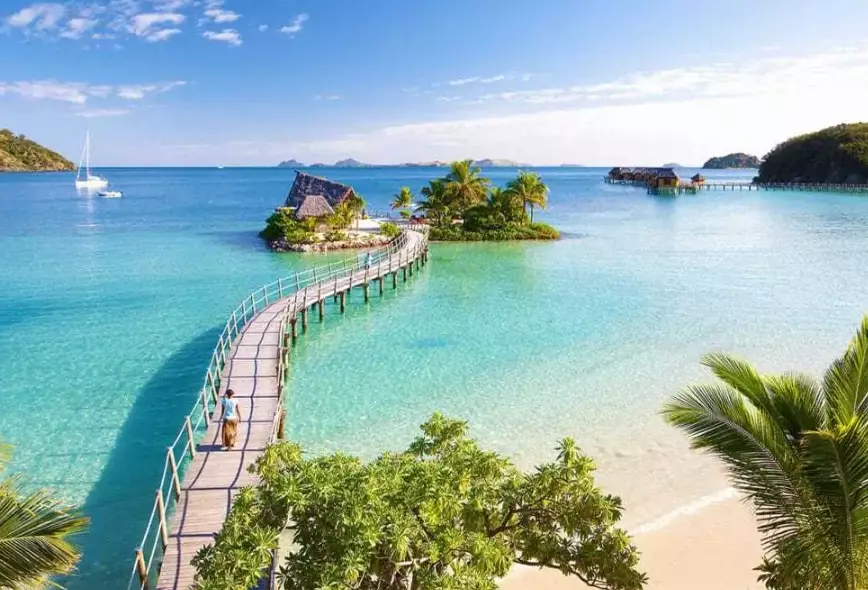
Understanding Fiji's Two Seasons: It's More Than Just Wet and Dry
Fiji's climate is tropical, but it's split pretty cleanly into two main seasons. Calling one "good" and one "bad" is a massive oversimplification. Each has its own personality, pros, and cons.
The Dry Season (May to October)
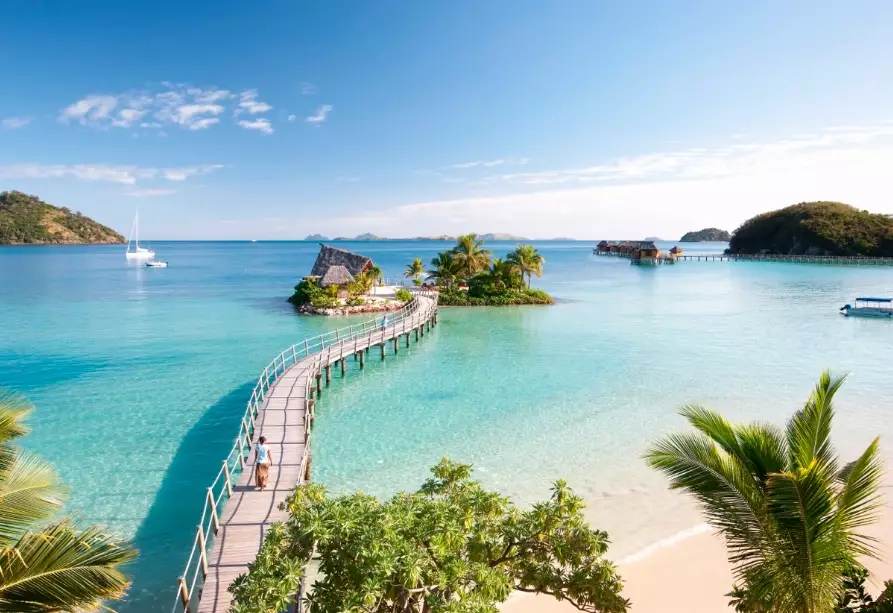
This is Fiji's winter, but don't picture sweaters. Think pleasant, warm days with less of that sticky humidity. The southeast trade winds kick in, which keeps the air feeling fresh. Rain is infrequent and usually short if it comes. It's the classic postcard-perfect Fiji weather.
Cons: Peak prices for flights and accommodation, resorts and popular spots can be busy, you need to book well in advance, the landscape, while beautiful, isn't at its most vibrantly green.
I remember visiting in July once. Not a single drop of rain in ten days. The sea was crystal clear, every day was beach-perfect. But I also remember the bill. And trying to get a last-minute dinner reservation at a popular resort restaurant was a no-go.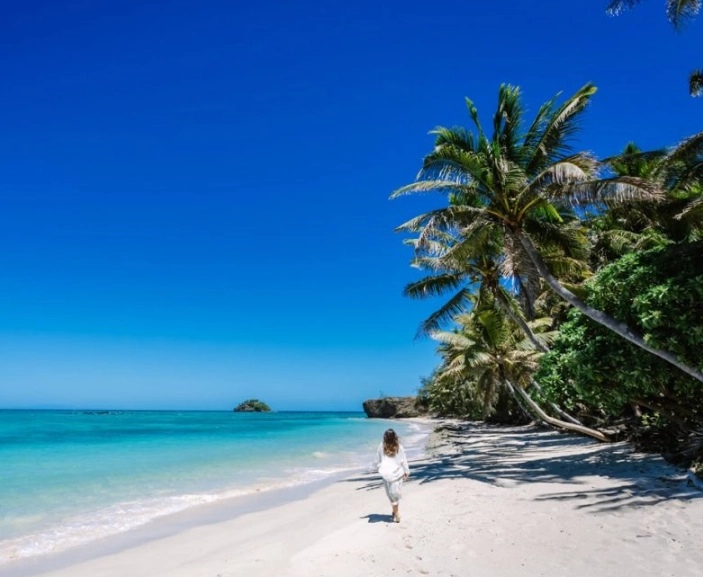
The Wet Season (November to April)
This is the hot, humid, and rainy summer. Temperatures and humidity soar. Rainfall increases significantly, often coming in heavy, intense downpours in the afternoon or evening, followed by brilliant sunshine. This is also the cyclone season, with the highest risk from January to March.
Cons: High heat and humidity, frequent heavy rainfall, potential for cyclones or tropical disturbances, some activities (like hiking) can be muddier and more challenging, higher chance of overcast skies affecting snorkeling visibility.
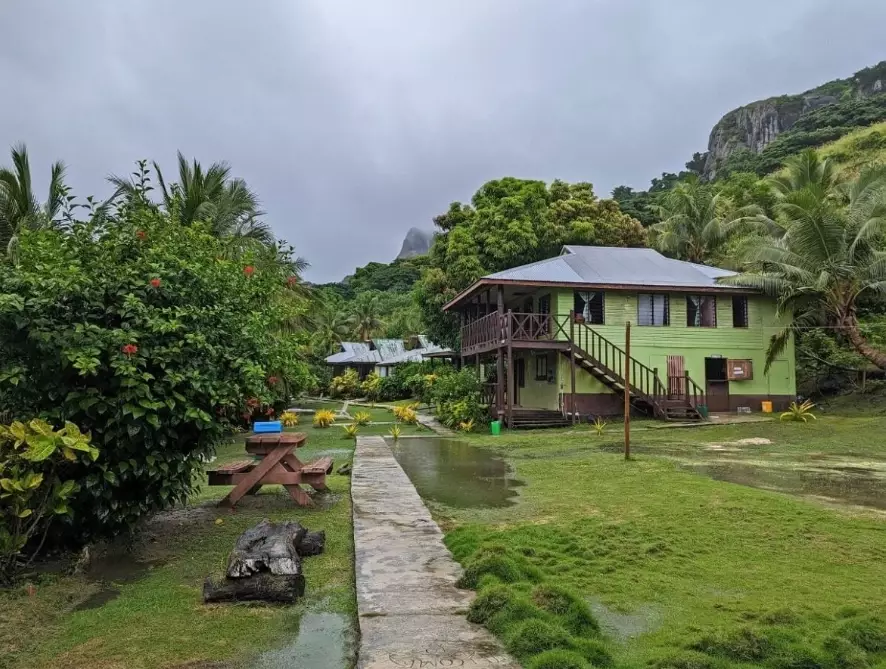
I took a chance and went in late February once. Yes, it poured for a solid hour every afternoon like clockwork. But the mornings were stunning, the waterfalls were raging, and the islands were an incredible shade of emerald green I'd never seen in the dry season. And my budget stretched so much further.
See what I mean? Choosing the best time to visit Fiji is a trade-off. Perfect weather or a better deal? Guaranteed sun or lush scenery?
Month-by-Month Breakdown: What's Really Happening
Let's get granular. This table should help you visualize the shifts throughout the year. Remember, this is based on averages—any given year can be different.
| Month | Season | Weather Vibe | Crowds & Cost | What's On / Notes |
|---|---|---|---|---|
| Jan - Feb | Wet / Cyclone Peak | Hot, humid, highest rainfall. Cyclone risk. | Very low crowds. Lowest prices of the year. | Lush greenery. Great for budget travelers who don't mind rain. |
| March | Wet / Tail-End | Rain starts to ease slightly, but still humid. | Low crowds. Great value. | A transitional month. Can be a sweet spot. |
| April | Wet to Dry Transition | Rain decreases noticeably. Humidity begins to drop. | Moderate crowds. Prices start to rise. | Easter is a big holiday in Fiji—local travel peaks. |
| May | Dry Season Begins | Lovely. Warm days, cooler nights, low humidity. | Crowds building. Prices are high. | One of the best all-round months. Ideal weather. |
| June - Aug | Peak Dry Season | Coolest months (still warm!). Sunny, dry, breezy. | Peak tourist crowds. Peak prices. Book far ahead. | Perfect for all outdoor activities. Fiji's "high season." |
| Sept - Oct | Dry Season Ends | Temperatures and humidity start to climb back up. | Crowds begin to thin slightly. Prices still high. | Excellent weather. Ocean is warming up nicely. |
| Nov | Dry to Wet Transition | Warmer, more humid. Afternoon showers increase. | Lower crowds. Prices begin to drop. | "Shoulder season" potential. Weather can be hit or miss. |
| Dec | Wet Season Begins | Hot, humid, rainy. Cyclone season starts. | Busy due to Christmas/New Year holidays. Holiday premiums apply. | Festive season. A popular time despite the weather. |
Looking at that, you can see why May, June, September, and October are often singled out as goldilocks months—great weather, but maybe slightly before or after the absolute peak rush of July-August.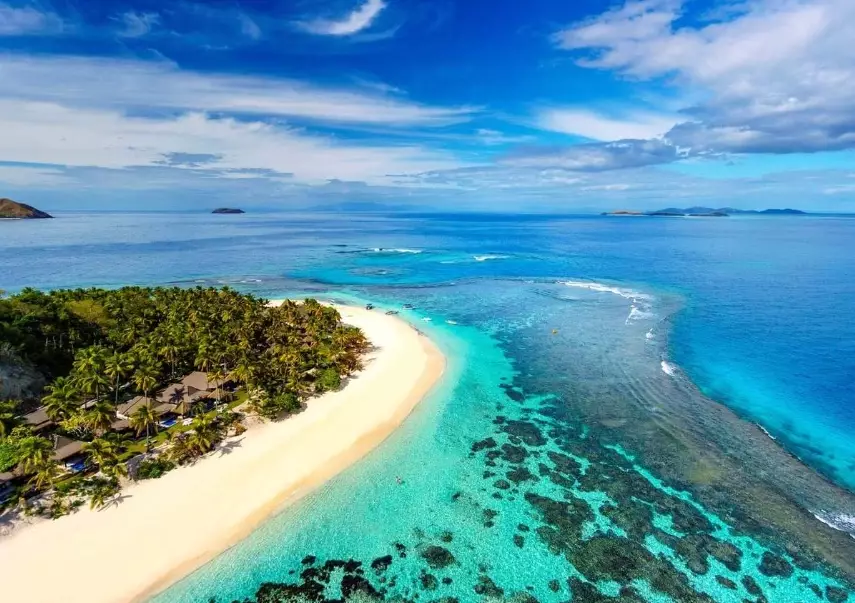
What's Your Travel Style? The Best Time For Your Trip
This is the key. Let's match the season to your goals.
For Honeymooners & Romance Seekers
You probably want guaranteed sunshine for those overwater bungalow photos. You're less budget-sensitive. The dry season (May-Oct) is your safest bet. For the ultimate, aim for September or October. The weather is still fantastic, the ocean is warm, and it's slightly less frenetic than mid-winter. Avoid the wet season unless you're truly adventurous and okay with plans changing due to weather.
For Families
This depends on school holidays. If you're locked into Northern Hemisphere summer (Jun-Aug), you're in peak season. Book everything a year in advance, seriously. If you have more flexibility, the April or November shoulder seasons can be brilliant. The weather is generally good, prices are better, and it's less crowded. The wet season can be tricky with kids—afternoon rain can lead to cabin fever.
For Budget Travelers & Backpackers
Hands down, the wet season (Jan-Apr) is your friend. Hostel beds are free, flight deals pop up, and you can experience Fiji without the premium price tag. Just pack a good rain jacket, a positive attitude, and solid travel insurance. March can be a particularly good value month.
For Divers & Snorkelers
Visibility is king. The dry season offers the clearest water, often exceeding 30 meters. It's pristine. However, the wet season has its perks. The warmer water is teeming with life, including plankton blooms that attract manta rays and whalesharks in certain areas (like the Manta Ray Passage in the Yasawas). I've snorkeled in both, and the dry season clarity is unbeatable, but swimming with a giant manta in February was a life highlight.
For Surfers
You're on a different calendar! Fiji's legendary breaks, like Cloudbreak, fire during the wet season, particularly from November to March. This is when consistent south swells generate those world-class waves. The dry season is much flatter. Check specialist sites like Surfline for forecasts and reports.
For Culture & Festival Enthusiasts
Time your trip around an event! The Fiji Hibiscus Festival (usually August in Suva) is a huge carnival. Diwali (Oct/Nov) is celebrated beautifully by the Indo-Fijian community. The Bula Festival is in July. The wet season is quieter culturally, but you'll experience more of daily local life.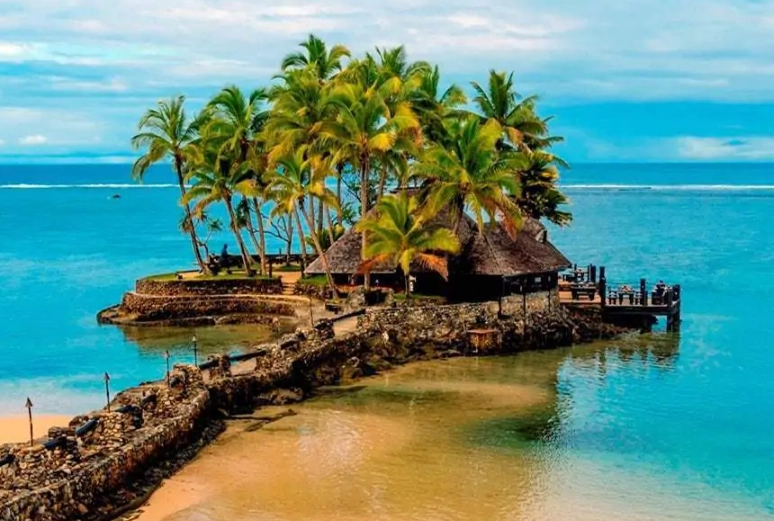
Practical Stuff You Need to Consider
Beyond the weather, here are the real-world factors that answer the deeper question behind "What is the best time of year to visit Fiji?"
Cost Fluctuations
The difference is staggering. A resort room that costs $800/night in July might be $450 in February. Flights from the US or Australia can easily be hundreds of dollars cheaper. If your budget is tight, the wet season savings can mean staying twice as long or upgrading your experience.
Crowds and Atmosphere
Dry season Fiji feels busy, energetic, and social. Wet season Fiji feels more tranquil, private, and relaxed. Do you want a vibrant party scene at the beach bar, or a quiet cove to yourself? This is a huge factor often overlooked.
Marine Life and Landscapes
Dry season: clear water, great for seeing coral structure and big fish. Wet season: lush, green, dramatic mountains, powerful waterfalls, and unique wildlife sightings (like nesting turtles on certain beaches).
Activity Availability
Some hiking trails may be closed or very muddy in the wet season. River tubing or waterfall visits might be more spectacular. Boat transfers between islands can be rougher. Always check with tour operators about seasonal conditions.
Common Questions (The Stuff You're Actually Wondering)
Final Verdict: How to Make Your Decision
So, after all this, what is the best time of year to visit Fiji? Let's summarize by priority.
- Choose the Dry Season (May-Oct) if: Your top priority is guaranteed sunny, dry weather. Your budget is flexible. You're celebrating a special occasion like a honeymoon. You hate high humidity. You want the absolute best conditions for snorkeling and diving visibility.
- Choose the Wet Season (Nov-Apr) if: Your budget is your primary concern. You don't mind (or even enjoy) tropical downpours. You prefer fewer crowds and a more laid-back vibe. You want to see the islands at their most lush and green. You're a surfer chasing swells.
- Target the Shoulder Months (April, November) if: You want to try and snag the best of both worlds—decent weather at a better price with smaller crowds. There's a bit more risk of rain, but the rewards can be high.
My personal take? For a first-time visitor who wants the classic, stress-free Fiji postcard experience, shoot for the dry season. But if you're a more experienced traveler, on a budget, or don't mind a little adventure, the wet season offers a different, incredibly rewarding side of Fiji that many never see.
Ultimately, the best time to visit Fiji is when you can go. Even on a rainy day, you're still in Fiji. The people are just as warm, the kava is just as earthy, and the sense of escape is just as profound. Do your research, pack accordingly, and go with an open mind. You'll find your perfect time.
Bula vinaka!
Comments
Join the discussion