Let's cut to the chase. Is Fiji expensive to live? The short answer is: it's a mixed bag. Compared to Southeast Asia, yes, it's pricier. Compared to Australia, New Zealand, or North America, you can live for significantly less. But throwing out those broad comparisons isn't helpful. Your cost of living in Fiji hinges entirely on two things: your lifestyle expectations and where on the islands you choose to settle. Dreaming of a waterfront villa on Denarau Island with imported groceries? Your budget will skyrocket. Willing to live like a local in a town like Lautoka or Suva, shop at the market, and use local transport? Suddenly, Fiji looks a lot more affordable.
I've split time between Viti Levu and Vanua Levu over the past few years, and the cost difference between a tourist-centric existence and a local-integrated one is staggering. This guide won't just give you generic numbers. We'll dive into the real, nitty-gritty costs I've personally encountered, highlight the hidden expenses nobody talks about, and show you exactly how to stretch your dollar.
What's Inside This Guide
- The Real Cost of Living in Fiji: A Category-by-Category Breakdown
- Location is Everything: Suva vs. Nadi vs. The Outer Islands
- Realistic Monthly Budget Scenarios for Different Lifestyles
- Local-Approved Hacks to Slash Your Living Costs
- The Hidden Costs & Financial Surprises You Must Plan For
- Your Burning Questions on Fiji's Cost of Living Answered
The Real Cost of Living in Fiji: A Category-by-Category Breakdown
Forget the glossy brochure prices. Here’s what you’ll actually pay, based on recent figures and my own receipts.
How Much Does Housing Cost in Fiji?
This is your biggest variable. A modern, furnished two-bedroom apartment in a complex with a pool in Nadi or Suva can run you FJD $1,800 to $2,500 per month. But look just 10-15 minutes inland, and you can find a simple, unfurnished two-bedroom house for FJD $800 to $1,200. The key is to look on local Facebook groups (like "Fiji Houses for Rent/Sale") and avoid agencies that cater primarily to expats on corporate packages.
Utilities are a separate beast. Electricity is expensive. If you run air conditioning constantly, your bill can easily hit FJD $300-400 a month for a small house. Fans are kinder. Water is relatively cheap. Internet is improving but can be pricey for decent speeds; expect FJD $100-150/month for a 50 Mbps plan from providers like Our Telekom Fiji.
The Grocery Bill: Local vs. Imported
This is where lifestyle shock hits. A head of local lettuce: FJD $3. A bag of imported salad greens: FJD $12. You get the picture.
A loaf of local bread: FJD $2.50. A loaf of imported multigrain: FJD $8. A 1L of local milk: FJD $3.50. A 1L of imported organic milk: FJD $9. The markup is due to shipping, taxes, and limited demand.
Getting Around: Transport Costs
Owning a car is a major expense. A reliable second-hand sedan costs FJD $10,000-$15,000. Fuel is around FJD $2.70 per litre. Registration and insurance add a few hundred dollars annually. Most expats I know who stay long-term bite this bullet for the freedom.
The local alternative is buses and taxis. Buses are incredibly cheap (a few dollars for a long trip) but can be crowded and run on "Fiji Time." Taxis are affordable for short trips within towns (FJD $5-$10), but always agree on a fare before getting in. There's no Uber.
Healthcare: Quality and Cost
Public healthcare is available but often has long waits and limited resources. Most expats and comfortable locals use private clinics. A standard doctor's visit might cost FJD $50-$80. Medications are generally affordable. Comprehensive international health insurance is non-negotiable. Serious medical issues often require evacuation to Australia or New Zealand, which is astronomically expensive without coverage.
Location is Everything: Suva vs. Nadi vs. The Outer Islands
Fiji isn't one monolith. Where you live changes the financial equation completely.
Suva (The Capital): More of a "real" working city. You'll find a wider range of mid-range housing, more local markets, and better shopping for essentials. It's less touristy, so some imported goods might be slightly cheaper due to volume. The vibe is urban and rainy.
Nadi & The Coral Coast: The tourist heartland. This is where costs are most inflated, especially near Denarau and the resort strips. Rentals are marketed to short-term tourists and wealthy expats. Supermarkets stock more imports at premium prices. The advantage? More amenities, restaurants, and direct access to the airport.
The Outer Islands (e.g., Vanua Levu, Taveuni, Yasawas): Life is simpler and often cheaper in some aspects—especially if you have a garden. But other costs soar. Electricity might be from a generator, fuel is more expensive, and any specialized goods need to be shipped from Viti Levu, adding cost and delay. It's a trade-off between lower cash expenses and higher logistical costs.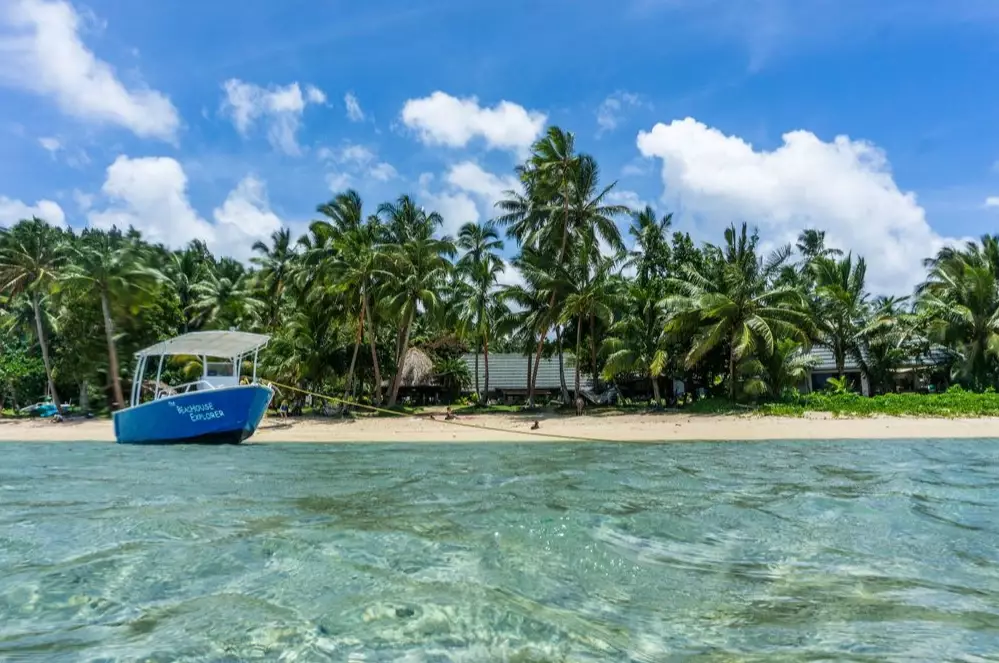
Realistic Monthly Budget Scenarios for Different Lifestyles
Let's put numbers to lifestyles. These are estimates for a single person. (FJD $1 ≈ USD $0.45).
| Expense Category | Budget / Local Lifestyle | Comfortable Expat Lifestyle | Premium / Resort-Area Lifestyle |
|---|---|---|---|
| Housing (1-2 bed, unfurnished) | FJD $700 - $1,200 | FJD $1,500 - $2,200 | FJD $2,500+ |
| Utilities (Elec, Water, Internet) | FJD $150 - $250 | FJD $300 - $500 | FJD $500+ |
| Groceries & Eating Out | FJD $300 - $400 (mostly local, market) | FJD $600 - $800 (mix local/imported, casual dining) | FJD $1,200+ (imported goods, regular dining out) |
| Transport (Car loan/fuel or taxi/bus) | FJD $100 (bus/taxi) - $400 (old car) | FJD $500 - $700 (reliable car) | FJD $800+ (newer car, more fuel) |
| Healthcare & Insurance | FJD $100 - $200 (basic local insurance) | FJD $300 - $500 (comprehensive int'l insurance) | FJD $600+ (top-tier insurance) |
| Miscellaneous & Leisure | FJD $200 | FJD $400 - $600 | FJD $1,000+ |
| TOTAL MONTHLY ESTIMATE | FJD $1,550 - $2,550 (~USD $700 - $1,150) |
FJD $3,600 - $5,300 (~USD $1,620 - $2,385) |
FJD $6,600+ (~USD $2,970+) |
See the spread? The "Budget" lifestyle requires a genuine commitment to living like a local. The "Comfortable" range is what many remote workers or retirees aim for. The "Premium" is for those not looking at price tags.
Local-Approved Hacks to Slash Your Living Costs
Here’s the stuff you learn after being on the ground.
Rent Negotiation is Key: Especially for leases longer than 6 months. Many landlords prefer stable long-term tenants over fluctuating tourists. You can often negotiate 10-20% off the asking price if you offer a longer contract and prompt payment.
Master the Market: The Suva Municipal Market or the Lautoka Market are your best friends. Go in the morning for the best produce. Build relationships with a couple of vendors. Don't be shy to ask for a "local price" once they know you—it's a real thing.
Embrace "Bula" Economics: Need a handyman, a gardener, or a ride? Ask your neighbors or local friends for recommendations. The formal, advertised service will cost 3x as much as the talented guy your neighbor's cousin knows. This builds community and saves money.
Think Solar: If you're staying put for a few years, investing in a solar water heater or even a small solar panel system can drastically cut that painful electricity bill. The sun is free and plentiful.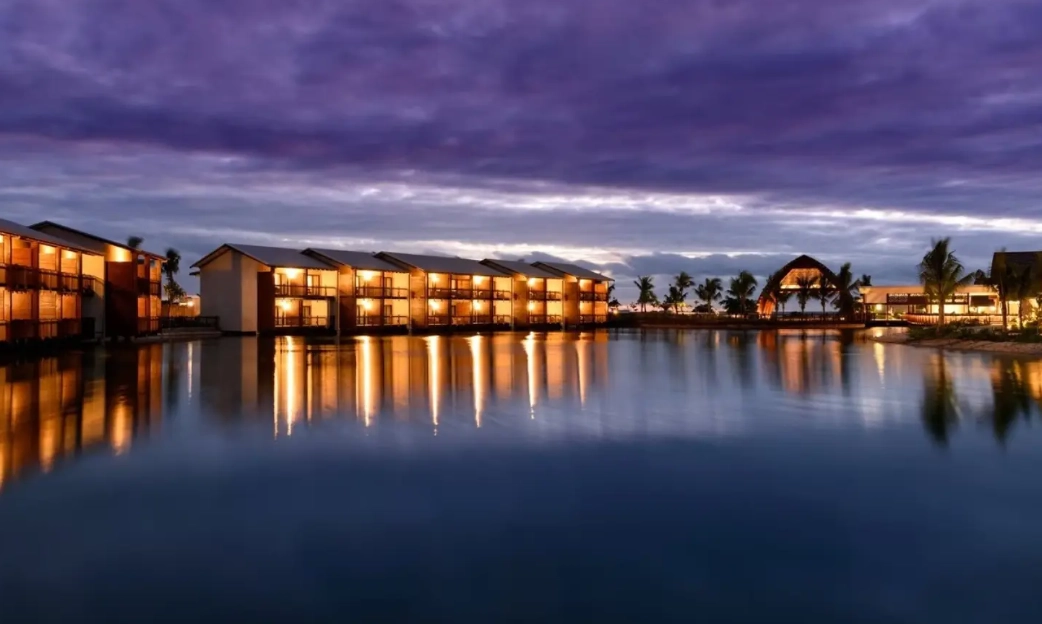
The Hidden Costs & Financial Surprises You Must Plan For
Nobody told me about these at first.
Setup Costs: Even if you find an unfurnished place, you'll need to buy everything from appliances to cutlery. These items, especially electronics, are more expensive than in the US or Australia. Budget a significant chunk for your initial setup.
Visa Runs & Bureaucracy: Tourist visas are typically granted for 4 months. If you're on a longer-term plan without a proper residency visa, you may need to do a "visa run" to a nearby country (like New Zealand) every few months. That's a flight and accommodation cost you must factor in.
Weather-Related Expenses: Cyclone season is real. You'll need a stockpile of food, water, and fuel. Your power and internet might go out for days. Having a backup generator or power bank isn't a luxury; it's a practical cost of living here.
The "Island Tax" on Services: Getting a plumber or electrician to come out, especially on an outer island, can be expensive and slow. Parts can take weeks to arrive. Patience isn't just a virtue; it's a financial strategy to avoid paying emergency rates.
Your Burning Questions on Fiji's Cost of Living Answered
 What's the single biggest mistake people make when budgeting for Fiji?
So, is Fiji expensive to live? It's a spectrum. You can live a simple, fulfilling life here on a modest budget if you're willing to integrate. Or you can spend a fortune replicating a Western lifestyle in a tropical setting. The paradise is here for both, but the price tag tells two very different stories. Your budget isn't just about money; it's a blueprint for the kind of Fijian experience you want to have.



Comments
Join the discussion