The short answer is yes, Fiji can be an incredible place to live, but it's not for everyone. The postcard images of pristine beaches and smiling faces are real, but they don't tell the whole story. Living here is different from vacationing here. I've spent years talking to expats, retirees, and locals, and the consensus is clear: Fiji offers a unique, relaxed lifestyle with profound natural beauty, but it comes with trade-offs in convenience, cost, and infrastructure. If you're dreaming of a permanent island life, this guide will walk you through exactly what to expect—the good, the challenging, and the practical steps to make it happen.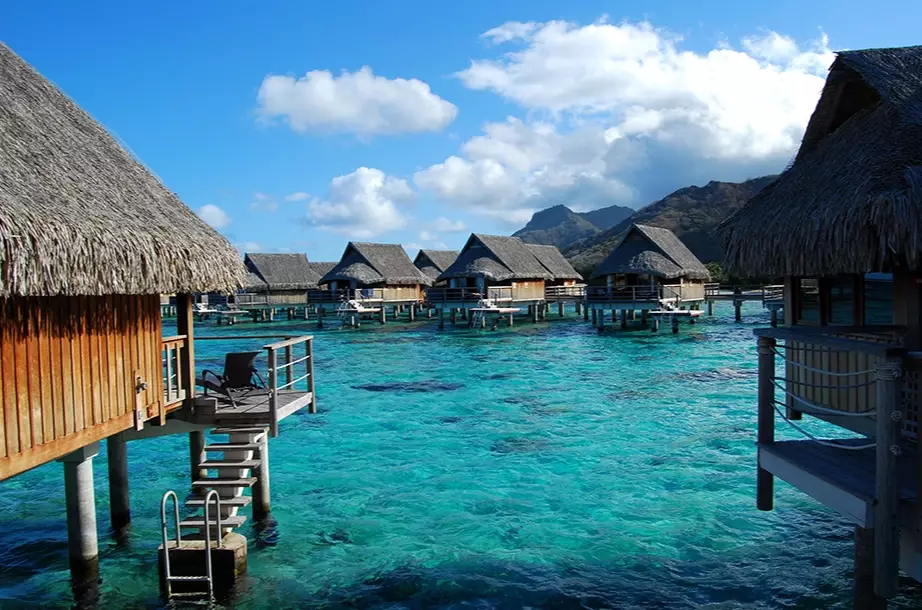
What’s Inside This Guide
The Allure of Fiji: What Makes It Appealing to Live In?
Let's start with why people fall in love with the idea of calling Fiji home. It's more than just the scenery.
A Culture Built on Community and "Fiji Time"
The famous "Fiji Time" isn't just a cute slogan. It represents a fundamental shift in pace and priority. Life moves slower here. Relationships and community ("vanua") often take precedence over strict schedules. Your neighbors will know you. Shopkeepers will remember your name. For many escaping high-pressure careers, this shift is the primary attraction, offering a tangible improvement in mental well-being.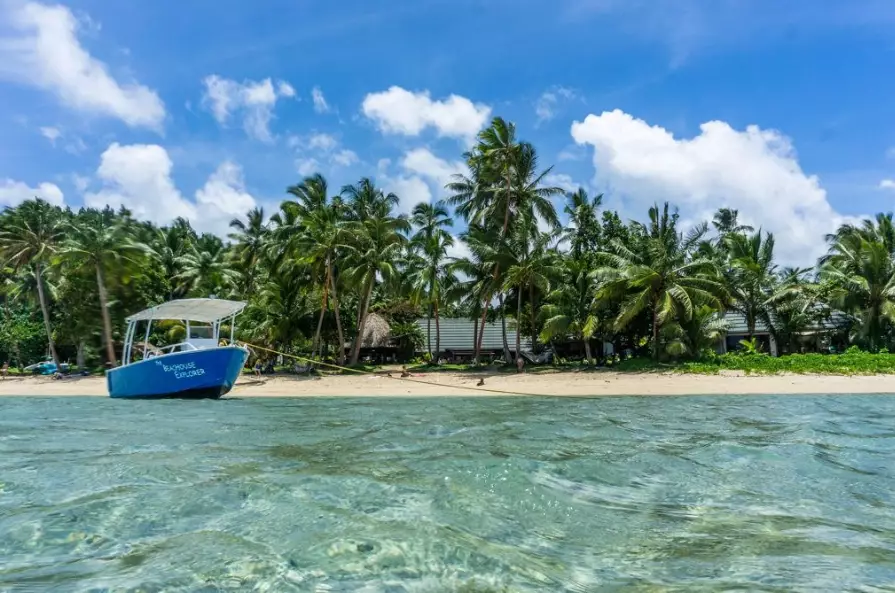
Unmatched Natural Access and Outdoor Living
Your backyard activities change dramatically. World-class diving, snorkeling, fishing, and hiking aren't weekend trips—they're regular parts of life. The Mamanuca and Yasawa islands are your playground. The climate is consistently warm tropical, eliminating winters altogether. This constant connection to nature is a massive draw for active individuals and families.
A Generally Safe and Friendly Environment
Violent crime against tourists or expats is rare, especially outside of urban centers. Petty theft exists, like anywhere, but the overall feeling is one of safety. The famous Fijian hospitality ("bula vinaka") is genuine in daily interactions, making it easier to feel welcomed and integrated into local life compared to some other expat destinations.
The Realities of Life in Fiji: Challenges You Should Know
This is the part most blogs gloss over. To decide if Fiji is a good place to live for you, you must seriously weigh these points.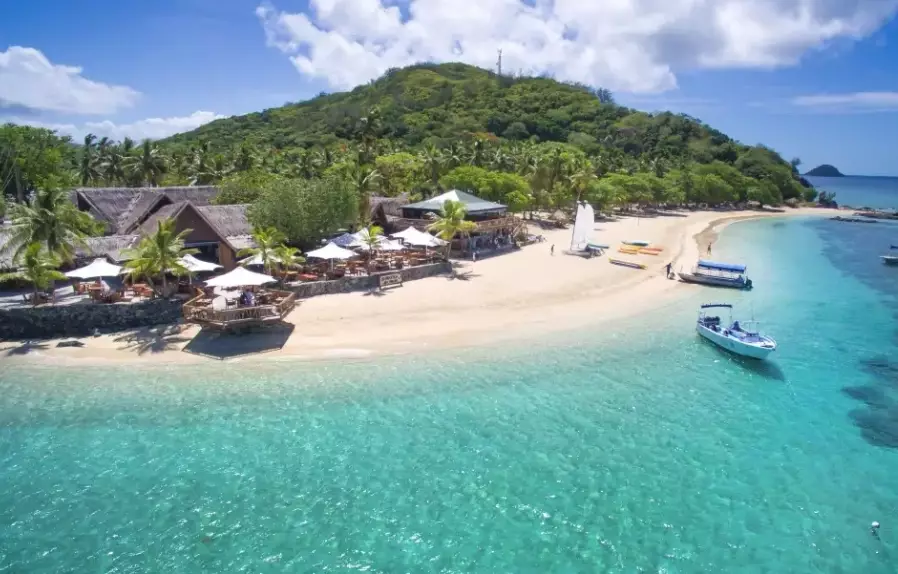
The Infrastructure Gap: It's Real
Outside major hotels and resorts, infrastructure can be basic. Internet reliability and speed, even in towns like Nadi, can be frustratingly inconsistent. Power outages ("coupies") do happen, though less frequently than a decade ago. Road conditions on the main island, Viti Levu, can be poor once you leave the Queens Road corridor. If you require constant, high-speed connectivity for work or are irritated by minor inconveniences, this will test you.
The Cost Paradox: Imported = Expensive
While local produce and seafood can be affordable, anything imported carries a heavy premium. This includes cars, electronics, appliances, and many grocery items. A liter of imported olive oil or a block of specialty cheese can cost two to three times what you'd pay in the US or Australia. Building or renovating a home is expensive due to material costs. Your lifestyle costs directly correlate to how "local" you are willing to live.
Limited Healthcare and Specialized Services
For routine care, private clinics in Suva and Nadi are adequate. However, for serious medical conditions, specialized treatments, or complex surgeries, medical evacuation to Australia or New Zealand is often necessary and must be factored into your insurance. Dental and optometry services are available but may not match the breadth of options you're used to. This is a critical consideration for retirees or those with ongoing health needs.
Bureaucracy and Business Pace
Dealing with government offices for permits, licenses, or residency can be slow and require patience. Processes that seem straightforward can involve multiple visits and waiting periods. This "island time" applied to bureaucracy is a common point of frustration for new arrivals trying to set up their lives.
Fiji Cost of Living: A Detailed Breakdown
Let's get specific. Numbers here are in Fijian Dollars (FJD). As a rough guide, 1 FJD ≈ 0.45 USD / 0.67 AUD. This table outlines monthly costs for a couple living a comfortable, mixed local/imported lifestyle in a town like Nadi or Suva.
| Expense Category | Estimated Monthly Cost (FJD) | Notes & Details |
|---|---|---|
| Rental (2-3 Bedroom House) | $1,800 - $3,500 | Varies hugely. A modern home in a secure compound in Denarau or near Suva is at the top end. A simpler local-style house further out can be cheaper. Apartments are less common. |
| Utilities (Power, Water, Gas) | $300 - $600 | Air conditioning is the biggest driver of power costs. Water is generally reliable in urban areas. |
| Internet & Mobile (Unlimited Plan) | $150 - $250 | Speeds may not match "unlimited" expectations. A decent 4G mobile plan with data is around $50-80. |
| Groceries (for two) | $800 - $1,500 | The lower end relies on local markets (vibrant, cheap produce, fish). The higher end includes regular imported goods from supermarkets like MHCC or Cost-U-Less. |
| Dining & Entertainment | $400 - $1,000 | A meal at a local "curry house" costs $10-15 per person. A resort dinner can be $50-80 per person. Entertainment is often nature-based (free) or involves social gatherings. |
| Transport (Car Loan/Fuel) | $500 - $1,000 | Second-hand cars are expensive. A reliable 5-year-old sedan can cost $25,000 FJD. Fuel prices fluctuate but are comparable to Australia. |
| Private Health Insurance | $300 - $600 | Non-negotiable. Must include medevac coverage. Costs vary by age and coverage level. |
A realistic monthly budget for a comfortable expat life for two, excluding rent, often starts around $2,500 FJD and goes up from there depending on your choices.
How to Get Work and Residency in Fiji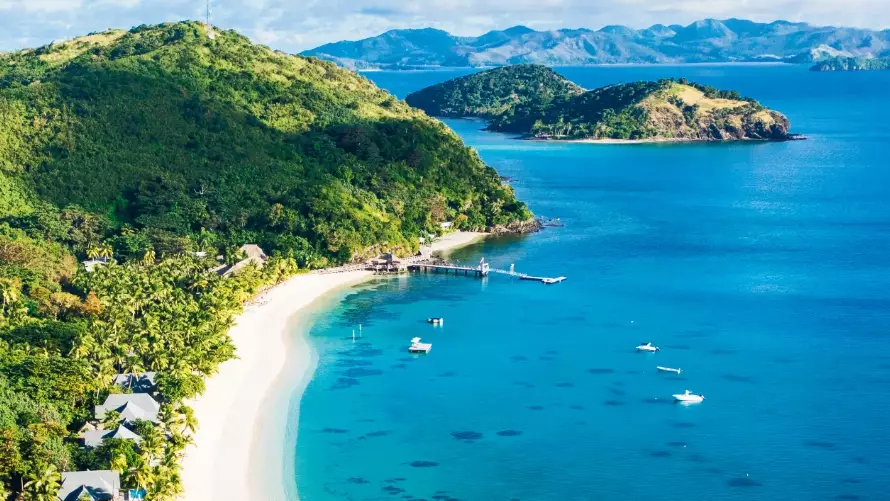
You can't just move. You need a legal pathway. The Fiji Department of Immigration sets the rules.
Common Residency Pathways
1. Securing a Job Offer: This is the most common route for working-age individuals. Your employer must prove the position cannot be filled locally and will sponsor your work permit. Key sectors include tourism management, specialized engineering, healthcare, and education. The process is employer-driven.
2. The Fiji Retirement Visa: For those 45+, this requires proving a stable overseas income or pension of at least FJD $100,000 per year for a couple. You must also invest a minimum of FJD $150,000 in Fiji (e.g., in a approved business, property, or FNPF). This visa grants residency but does not permit work.
3. Investor Categories: For those establishing a business with significant capital (typically FJD $250,000+). The business plan must demonstrate benefit to Fiji. This route involves more complex engagement with Investment Fiji and immigration authorities.
All processes involve police checks, medicals, and patience. Relying on official government channels is crucial; avoid agents promising shortcuts.
Where to Live in Fiji: Top Areas for Expats
Fiji isn't one monolithic place. Your experience depends heavily on location.
Suva (The Capital): The urban hub. Offers the best healthcare (Colonial War Memorial Hospital, private clinics), international schools (International School Suva, Suva Grammar), shopping, and diplomatic services. It's busy, rains more, and has more traffic, but provides the most services. Popular suburbs include Tamavua and Domain.
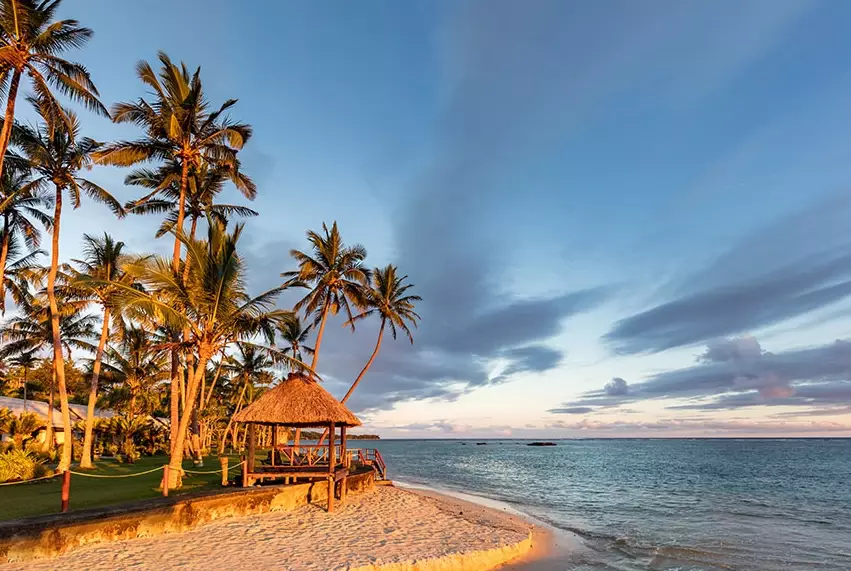
Nadi & the Coral Coast: The tourism heartland. Nadi Town is functional, with the international airport, supermarkets, and shops. The nearby Denarau Island is a gated community with resort-style living, marina, golf course, and expat clubs—convenient but less integrated with local Fiji. The Coral Coast (Sigatoka to Pacific Harbour) offers beachfront living, quieter communities, and good diving. Pacific Harbour is known as the "adventure capital."
The Outer Islands (Mamanucas, Yasawas, Vanua Levu): For true escape. Life is simpler, slower, and more remote. You'll be heavily reliant on boat transport, rainwater tanks, and solar power. Internet is satellite-based and limited. This is for the self-sufficient, adventurous soul who prioritizes isolation and natural beauty above all else. Savusavu on Vanua Levu has a small, established expat community centered around its copra industry and marina.
Your Fiji Living Questions Answered
What's the biggest mistake people make when planning to move to Fiji?
Underestimating the cost and time required to establish a comfortable life. They budget for a vacation lifestyle, not a resident's life. They don't factor in the high cost of setting up a household (importing or buying furniture, buying a car), the wait times for services, or the need for comprehensive health insurance. Come for an extended exploratory trip of 2-3 months in the low season (not just a resort holiday) before committing.
Can I bring my pets to live with me in Fiji?
Yes, but it's a strict, lengthy, and expensive process managed by Biosecurity Authority of Fiji. Pets require microchipping, specific vaccinations, rabies titer tests from an approved lab, and a mandatory 14-day quarantine upon arrival in Fiji. Start planning at least 6-8 months in advance. The official process is outlined on the BAF website.
 Is it easy to make friends and build a community in Fiji?
Easier than in many expat destinations, but it requires effort from your side. The Fijian people are open, but integration goes beyond being a customer. Join local clubs (sports, fishing, volunteering), attend community events, and learn a few basic Fijian phrases. The existing expat community is welcoming but can be transient. The most satisfied long-term residents are those who build genuine friendships with both locals and expats.
How does the quality of education in Fiji compare for expat families?
For primary education, local schools offer a different curriculum and pace. Most expat families opt for the international schools in Suva (International School Suva, following IB) or Nadi (Nadi International School). These provide continuity with international curricula, facilitating a future move. Fees are significant but lower than top-tier schools in major Western cities. For older teens, many families consider boarding school overseas due to limited local options for advanced high school years.
I'm a digital nomad. Is Fiji a viable base for remote work?
It's becoming more viable, but with major caveats. The new focus on attracting remote workers is promising, but infrastructure remains the hurdle. Your productivity depends entirely on your location and backup plans. A stable connection in Denarau or Suva is possible, but expect occasional dropouts. Have a local mobile data SIM as backup (Vodafone or Digicel). Choose accommodation based on verified internet speed tests, not promises. The lifestyle perk is huge, but the work setup requires more planning and patience than in a digital nomad hub like Bali or Lisbon.


Comments
Join the discussion