Let's cut to the chase. If you're flying from the US to Fiji, you want that long journey to be worth every minute and every dollar. The single biggest factor that determines whether your trip is postcard-perfect or a soggy disappointment is when you go. After multiple trips and talking to dozens of locals and fellow travelers, I've found the sweet spot isn't just about dry weather. It's a balancing act between sunshine, cost, crowds, and what you actually want to do. For most US travelers, the absolute best time to visit Fiji is during the shoulder seasons: late April to early June and September to October. You get excellent weather, manageable prices, and fewer people. But your perfect time might be different if you're on a tight budget, chasing world-class surf, or traveling with kids.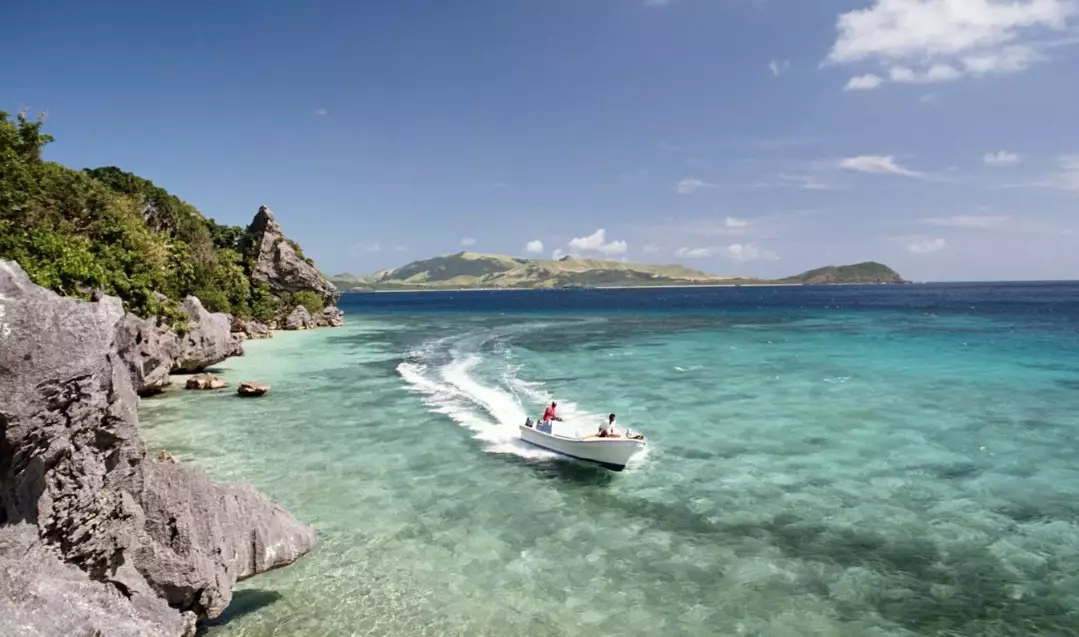
Your Quick Guide to Fiji's Seasons
How does Fiji's weather cycle work?
Forget the simple "summer" and "winter" labels you're used to. Fiji operates on a tropical climate with two main seasons, but the transition periods are where the magic happens for savvy travelers.
The dry season runs from May to October. This is Fiji's winter, but don't pack a sweater. Temperatures are pleasantly warm, averaging 75-82°F (24-28°C), with low humidity, endless sunshine, and minimal rain. It's the most popular time for a reason. The southeast trade winds keep things comfortable. This is when tourism peaks, especially from Australia and New Zealand.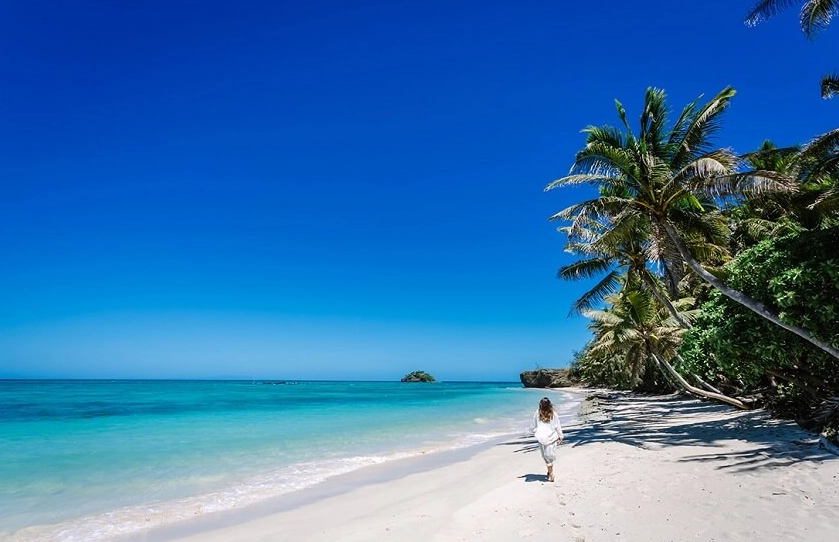
The wet season is from November to April. This is Fiji's summer, hotter (79-88°F / 26-31°C), more humid, and characterized by heavy, brief afternoon downpours. This season also brings the risk of tropical cyclones, primarily between January and March. Data from the Fiji Meteorological Service shows that while cyclones can occur, they typically affect specific regions, and major resorts have robust contingency plans. The landscape is explosively green and lush during these months.
The Insider Tip Everyone Misses: Most people think the wet season is a complete washout. It's not. The rain often comes in intense, short bursts in the late afternoon or evening. Mornings can be stunningly clear. I've had weeks in February with only one rainy day that lasted an hour. The real issue isn't constant rain; it's the humidity and the small but real cyclone risk that should guide your decision, not a fear of being rained in all day.
What are the pros and cons of each season?
Choosing isn't just about good vs. bad weather. It's about trade-offs. Here’s a no-nonsense comparison to help you decide.
| Season | Months | Pros | Cons | Best For |
|---|---|---|---|---|
| Peak Dry Season | June - August | Guaranteed sunny days, low humidity, ideal for all outdoor activities (diving, hiking), cool evenings. | Highest prices for flights & hotels, biggest crowds, need to book accommodations & tours far in advance. | Travelers who prioritize perfect weather above all else and have a flexible budget. |
| Shoulder Season | Apr-May, Sep-Oct | Great weather (minimal rain), lower prices than peak, fewer crowds, warm ocean temps, good visibility for diving. | Slightly higher chance of a passing shower than deep dry season. Some seasonal activities may be winding down or starting up. | Most US travelers. The best balance of value and conditions. |
| Wet Season (Early) | November, December | Lush scenery, lower prices starting, festive atmosphere leading up to holidays, fewer tourists. | Increasing humidity, higher chance of rain, beginning of cyclone season. | Budget-conscious travelers, photographers who love dramatic skies and green landscapes. |
| Wet Season (Peak) | January - March | Lowest prices of the year, vibrant green environment, least crowded. | Highest humidity, highest rainfall, peak cyclone risk. Some boat tours/activities may be canceled due to weather. | Serious budget travelers, surfers chasing the best swells on Coral Coast, those comfortable with flexibility. |
A closer look: Fiji month by month for US travelers
Let's get specific. Flying from Los Angeles (LAX) or San Francisco (SFO) is the norm, with direct flights on Fiji Airways taking about 10-11 hours. Here’s what to expect when you land.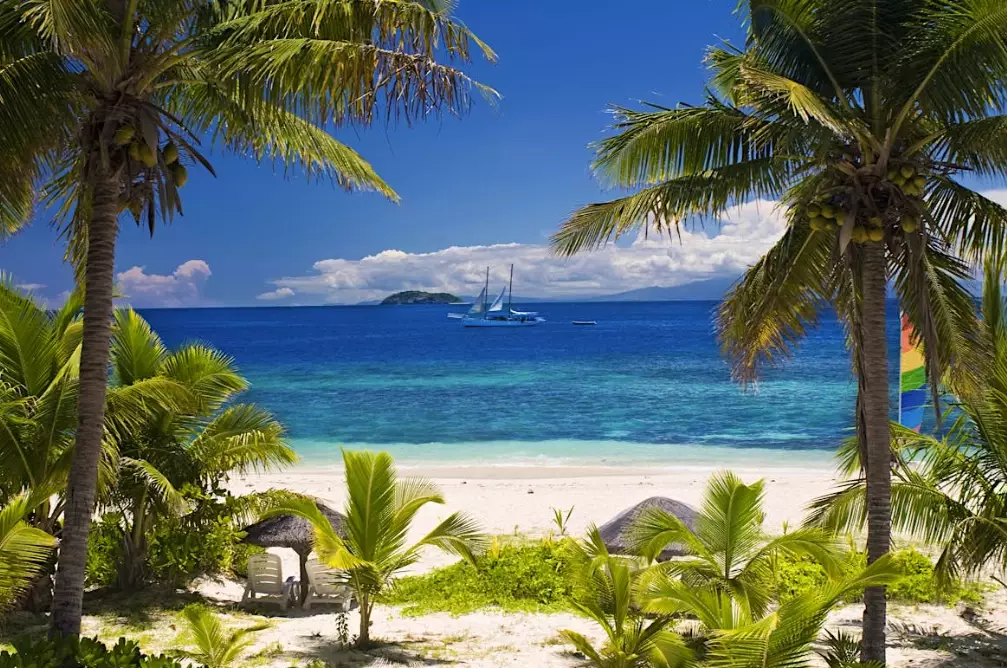
- April & May: The dry season is settling in. Rain tapers off significantly. This is a hidden gem period. Water is still warm from the summer, prices haven't skyrocketed yet, and you'll have Mamanuca Islands beaches almost to yourself. A fantastic time for snorkeling.
- June, July, August: Peak winter. Expect crystal-clear skies, low humidity, and cool nights (you might want a light jacket). This is also peak holiday season for Australians, so places like Denarau Island and popular resorts are busy. Book your Fiji Airways flights and your overwater bungalow at least 6 months ahead.
- September & October: My personal favorite. The weather is nearly identical to June-August but the crowds thin out and prices begin to drop. The water visibility for diving around the Great Astrolabe Reef is exceptional. It's perfect.
- November & December: Humidity creeps up. You'll get spectacular sunsets and quick, heavy showers. Early December can still be a good deal before the holiday price surge. Fiji's festive season is beautiful but booked solid from Christmas to New Year's.
- January to March: This is the true wet season. It's hot, humid, and green. You can find incredible resort deals—I've seen prices 40-50% lower than peak season. But you must be flexible. If a cyclone warning is issued, listen to local authorities and your resort management. Travel insurance is non-negotiable during this period.
How to pick the best time for YOUR type of trip
The "best" time depends entirely on what you're going for.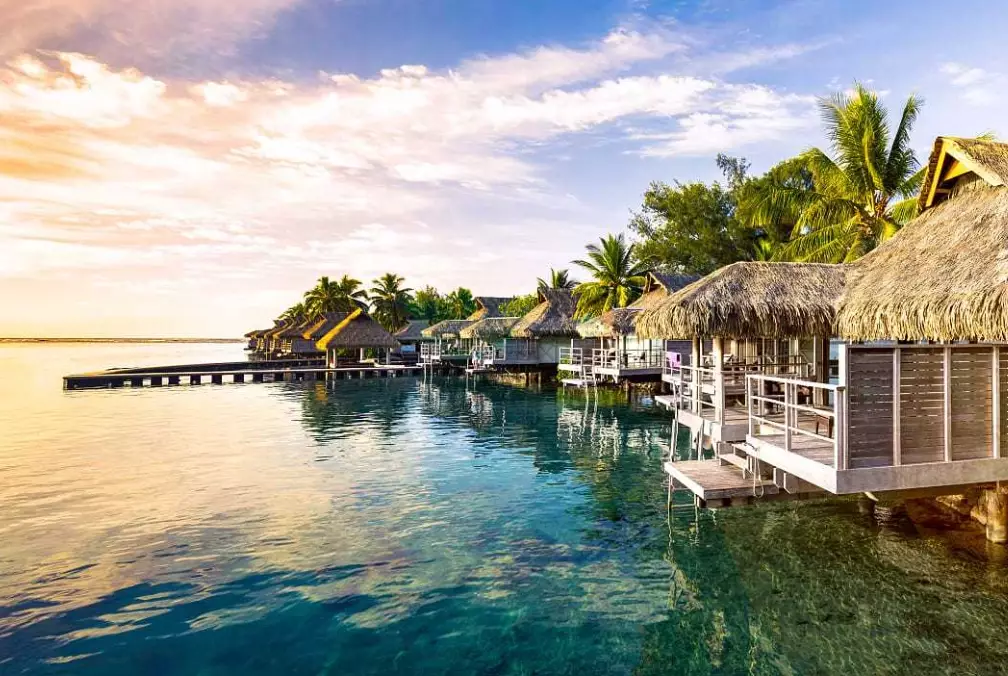
For Families Traveling from the USA: Your window is limited to school breaks. If you're going in the Northern Hemisphere summer (June-August), you're landing in Fiji's peak season. Accept it. Book everything extremely early. Consider the shoulder weeks in late June or early August for slightly better rates. The weather will be cooperative for kids' activities.
For Budget Travelers and Backpackers: Your secret weapon is the wet season, specifically February and March. Hostels on the Coral Coast and in Pacific Harbour are quiet and cheap. Flights from the US are often at their lowest. You'll experience a more authentic, less touristy Fiji. Just pack a good rain jacket and a flexible attitude.
For Divers and Snorkelers: Visibility is king. The dry season months of July through October offer the clearest water, often exceeding 30 meters (100 feet). Soft coral blooms are also spectacular during this period. While you can dive year-round, rainy weather can affect visibility and make boat trips rougher.
For Honeymooners and Luxury Seekers: The shoulder months of September and October are unbeatable. You get premium weather for those dreamy overwater bungalow photos without the peak-season premium price tag. Resorts like Kokomo or Likuliku are easier to book, and you'll receive more attentive service.
Putting it together: A sample 7-day itinerary
Let's assume you're going during that golden shoulder season in October. Here’s a balanced trip that mixes relaxation and adventure.
Days 1-3: Nadi & the Mamanucas. Fly into Nadi (NAN). Don't spend a night there—head straight to Port Denarau and catch a ferry to a Mamanuca island like Malolo Lailai or Mana Island. Recover from jet lag on pristine beaches. Go on a day trip to the famous Cloud 9 floating platform or Monuriki Island (where *Cast Away* was filmed).
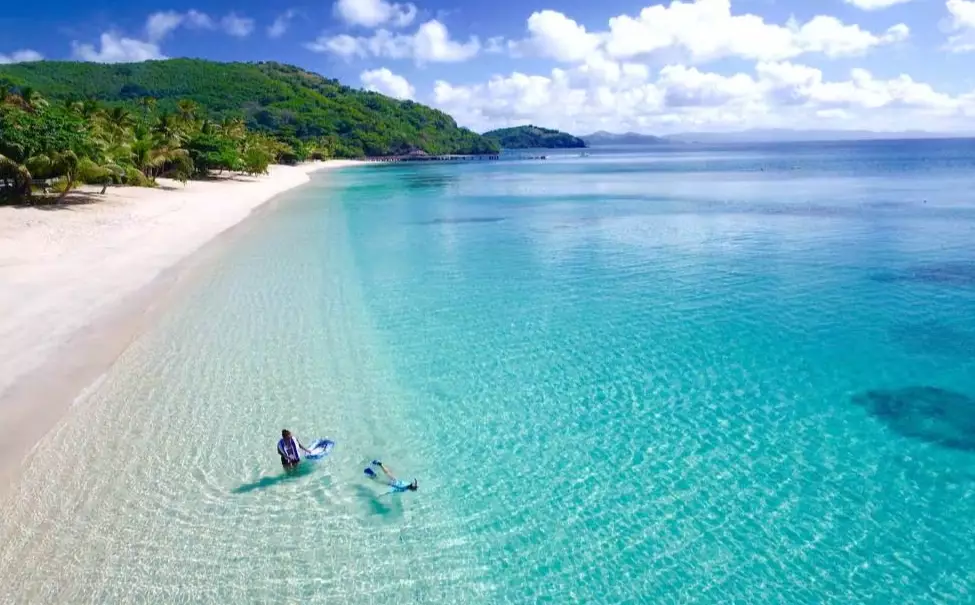
Days 4-7: The Coral Coast or Yasawa Islands. Option A (Adventure): Take a scenic drive along the Coral Coast to Pacific Harbour, the adventure capital. Go shark diving, river rafting, or zip-lining. Visit the Kula Eco Park. Option B (Classic Paradise): Take a ferry from the Mamanucas further north into the Yasawa Islands. Stay at a simpler, breathtaking resort like Blue Lagoon or Octopus. This is the postcard Fiji of rugged volcanic peaks and long, empty beaches.
Fly home from Nadi. This split gives you the iconic island experience and a taste of Fiji's mainland culture and adventure.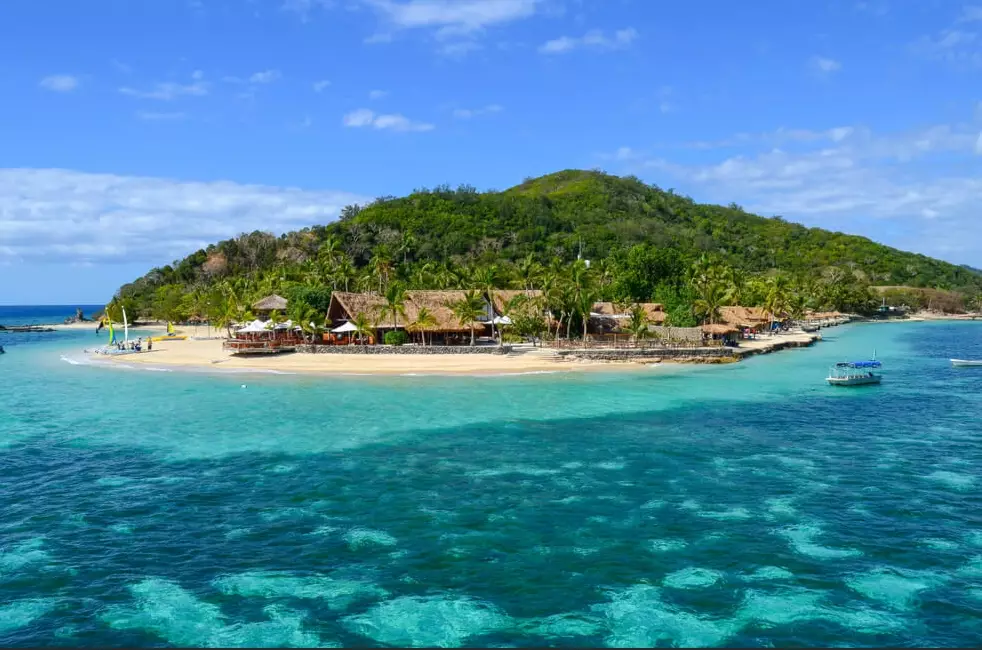
Your Fiji Timing Questions, Answered
 We're planning a family trip for Christmas. How early should we book?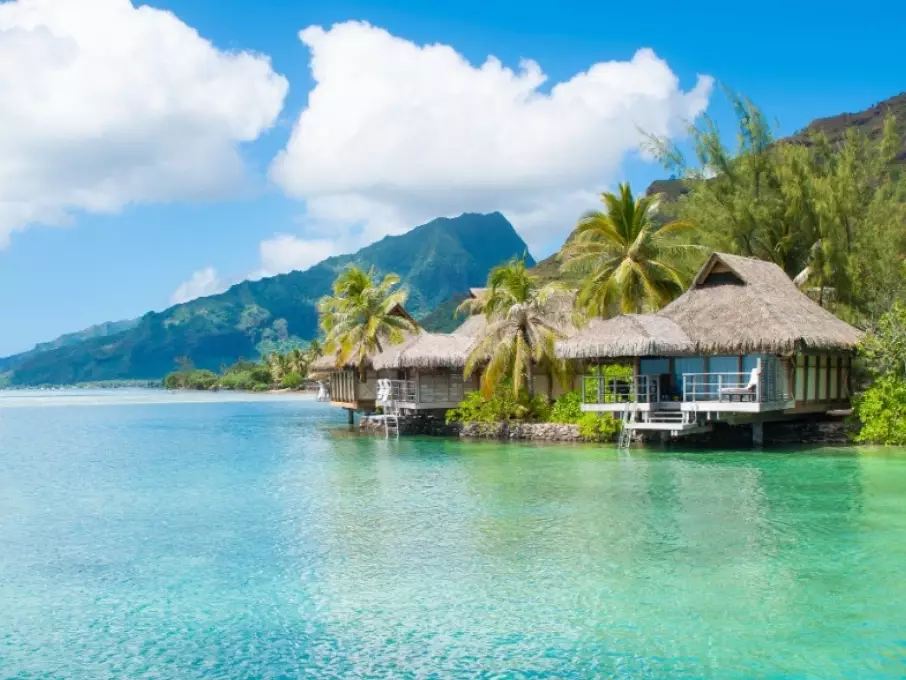

Comments
Join the discussion