Ask ten travelers to name the top spot in Mexico, and you might get answers like Cancun's hotels or Mexico City's museums. But when you look at the hard numbers—annual visitor counts compiled by Mexico's Secretary of Tourism and data from sites like the World Travel & Tourism Council—one name consistently comes out on top, year after year. It's not a city or a resort. It's an ancient city rising from the Yucatan jungle: Chichen Itza.
With over 2.5 million visitors annually, it dwarfs the attendance of other iconic sites. Why? It's a perfect storm of accessibility, sheer awe, and cultural significance. It's a UNESCO World Heritage Site and one of the New Seven Wonders of the World. But calling it just a "Mayan ruin" is like calling the Grand Canyon a big ditch. It's an experience that sticks with you.
I've been three times over the last decade—once on a packed tour bus, once independently staying nearby, and once with an archaeologist friend. Each visit taught me something new, mostly about how not to do it the first time. Let's get past the postcard image and into what makes Chichen Itza number one, and how you can experience it right.
Your Quick Guide to This Article
Why Chichen Itza Earns the #1 Spot
Popularity isn't an accident. Several factors converge to make this the must-visit destination.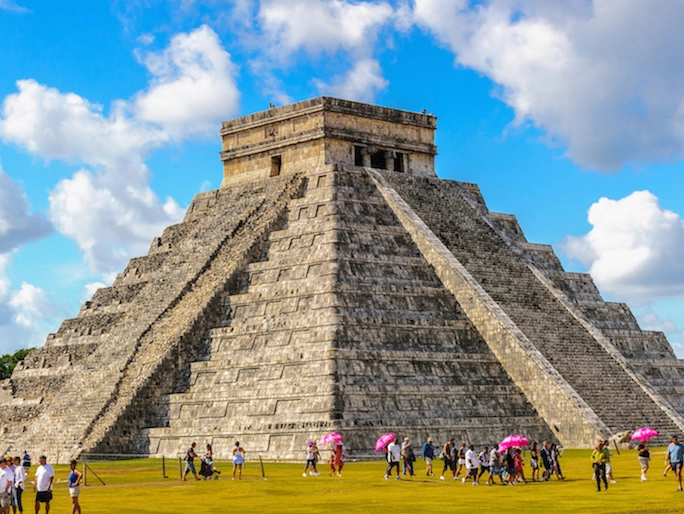
Iconic Recognizability. The step-pyramid, El Castillo (The Castle), is arguably the most famous man-made structure in the Americas. Its image is on everything. That visual shorthand drives an immense amount of "bucket list" tourism.
Geographic Accessibility. It sits almost smack in the middle of the Yucatan Peninsula. This makes it a feasible day trip from Cancun (2.5-3 hours), Playa del Carmen (2 hours), Merida (1.5 hours), or the colonial town of Valladolid (45 minutes). No other major ruin has this level of access from multiple major tourist hubs.
Dual Cultural Heritage. This isn't just a Mayan site. It's a Mayan-Toltec site. You can see the fascinating fusion of architectural styles. The iconic feathered serpent sculptures (Kukulcan) are Toltec influences. This layered history adds depth you don't find at purely Mayan sites like Tikal.
The "Wow" Factor is Immediate and Sustained. You walk in, and BAM—El Castillo is right there. It's huge. But then you turn a corner and see the massive Great Ball Court, the largest in Mesoamerica. Then the eerie Temple of the Skulls (Tzompantli). The scale is relentless and impressive.
My first visit was on a blistering hot afternoon tour. The place was swarming. I almost wrote it off as over-hyped. It was only on my second visit, arriving at opening time, that I had the space to actually feel the place. The morning light on the limestone, the sound of birds instead of vendors—that's when I got it.
The Practical Guide: Tickets, Hours, and Getting There
Here’s the data you need to actually plan your trip. Prices are in Mexican Pesos (MXN).
Chichen Itza: Essential Visitor Info
- Official Name: Zona Arqueológica de Chichén Itzá
- Location: Carretera Federal 180, Km. 120, Yucatán. (It's in the state of Yucatan, not Quintana Roo).
- Opening Hours: 8:00 AM to 5:00 PM daily. Last entry at 4:00 PM.
- Ticket Price: Two-part fee. A federal fee (~533 MXN / ~$31 USD) and a state fee (~90 MXN / ~$5 USD). Total is about ~623 MXN (~$36 USD). Pay both at the ticket booth.
- Parking: ~80 MXN (~$4.50 USD) for cars.
- Climbing: You can NO LONGER climb El Castillo or any structures. This rule has been in place for preservation and safety for years.
Your Transportation Options, Ranked
Renting a Car: This is my top recommendation for flexibility. You can leave super early from Valladolid or even Merida. The highways (180D toll road or free 180) are in good condition. Just know the toll road from Cancun is expensive (around $40 USD one way) but saves time.
ADO Bus: The most reliable and comfortable public bus. It goes from Cancun, Playa del Carmen, and Merida directly to the site's bus terminal. You buy a return ticket for a specific time later in the day. It's efficient but locks you into a schedule.
Organized Tours: The most common choice. They handle everything, often adding a cenote swim and lunch in Valladolid. The massive downside? You arrive with 10 other buses at 11 AM into the heat and crowds. If you must tour, look for "early access" tours that promise 8:30 AM arrival.
Colectivo: For the adventurous and budget-conscious. From Valladolid, shared vans leave frequently from the station near the ADO terminal. They're cheap and fast.
What to See Beyond the Main Pyramid
Everyone stares at El Castillo. Smart visitors explore the rest. The site is divided into two main areas: the central, Toltec-influenced zone and the older, "Chichen Viejo" (Old Chichen) southern zone, which is sometimes closed but worth asking about.
The Great Ball Court (Juego de Pelota): This is the largest known ball court in the Americas. Stand at one end and whisper—the acoustics are so perfect someone at the other end, 135 meters away, can hear you clearly. The carvings on the walls depict the game's outcome: decapitation. It was a ritual, not a sport.
The Temple of the Warriors (Templo de los Guerreros): A massive complex with rows of carved columns. At the top once sat a famous Chac Mool statue (now a replica, the original is in Mexico City's Anthropology Museum). This area feels more complex and layered than the open plaza around the pyramid.
The Sacred Cenote (Cenote Sagrado): A 15-minute walk from the main plaza. This is a natural sinkhole, about 60 meters in diameter, where the Maya conducted offerings to the rain god Chaac, including valuable objects and, yes, human sacrifices. It's deep, dark, and green. You can't swim here, but it's a solemn, powerful spot that underscores the site's spiritual significance.
The Observatory (El Caracol): A round, spiraling structure believed to be an ancient observatory for tracking the movements of Venus. Its design is uniquely sophisticated. It's a quieter corner where you can appreciate Maya astronomical genius.
A rookie mistake is spending 90% of your time and photo energy on El Castillo. Budget your time. Give the ball court and the Temple of the Warriors complex equal attention.
Common Planning Mistakes (And How to Avoid Them)
After multiple visits and watching thousands of tourists, patterns emerge.
Mistake 1: Day-Tripping from Cancun/Playa. This makes for a 12+ hour, exhausting day. Most of it is spent on a bus. You see Chichen Itza at its hottest, most crowded worst.
The Fix: Stay in Valladolid. It's a beautiful colonial town with great food (try the *longaniza* sausage) and cenotes like Samula right in town. You're 45 minutes away. Wake up, have coffee, and be at the gate for 8 AM. You'll be done by noon, can swim in a cenote to cool off, and have a relaxed afternoon exploring Valladolid.
Mistake 2: Under-preparing for the Environment. The site is a vast, open limestone plaza. It's a solar oven. I've seen people in heels, with no hat, one small water bottle, looking utterly defeated.
The Fix: Wear a hat, sunglasses, and high-SPF sunscreen. Sturdy, closed-toe shoes are non-negotiable for walking on uneven terrain. Bring more water than you think you need—at least 1.5 liters per person. A small cooling towel is a genius pro move.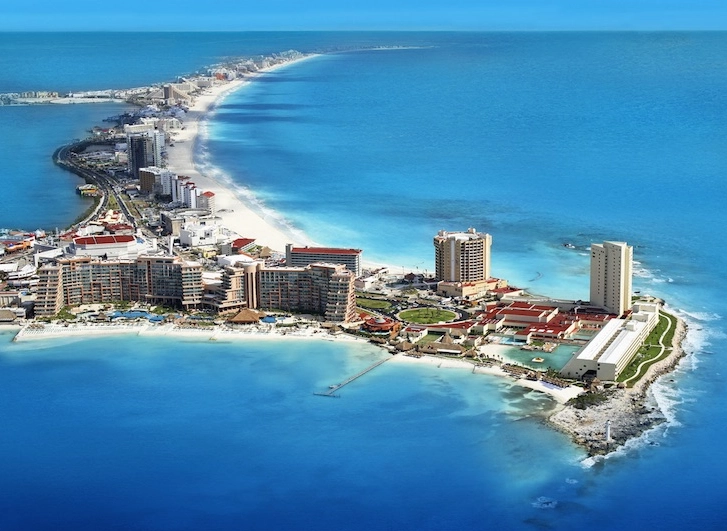
Mistake 3: Engaging Too Much with the Vendor Gauntlet. Inside the site, dozens of vendors sell near-identical souvenirs. The famous jaguar whistles, obsidian carvings, etc. They are persistent.
The Fix: A polite but firm "No, gracias" while continuing to walk works. If you want to buy, do it on your way out. Prices are lower near the exits. The best quality handicrafts, however, are often found in Valladolid's markets or government-certified stores in Merida.
Mistake 4: Not Understanding the Ticket. The two-part fee confuses people. Some think the cheaper state fee is the only ticket.
The Fix: Just go to the main ticket booth windows. They will charge you the full, combined amount. Have cash (pesos) ready; while cards are sometimes accepted, connectivity can be spotty.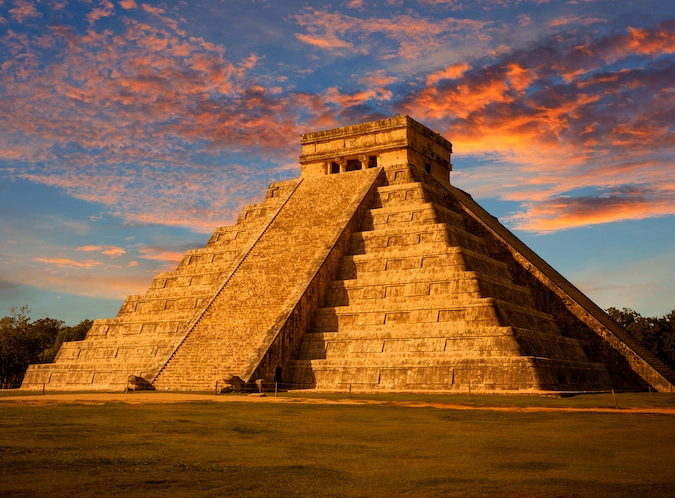
Your Chichen Itza Questions Answered
So, is Chichen Itza the number one tourist destination in Mexico? By the numbers, absolutely. But its true rank comes from what those numbers represent: a place that consistently delivers a profound, awe-inspiring encounter with history. It's not always a comfortable or solitary experience, but with the right plan—prioritizing an early morning, staying nearby, and focusing on the stories behind the stones—it justifies its title completely. Skip the rushed tour, give it the time it deserves, and you'll leave understanding why nothing else in Mexico quite compares.



Comments
Join the discussion