Quick Guide to Fiji's Top Spots
Let's talk about Fiji. You've seen the pictures – impossibly blue water, palm trees leaning over perfect sand, smiles that seem genuinely warm. But when you start planning a trip, the question hits you: with over 300 islands, where on earth do you even begin? I remember staring at a map of the South Pacific, feeling totally overwhelmed. Should I just book a resort and call it a day? Or is there more to it?
Well, after spending what feels like a small fortune on plane tickets and a lot of time bouncing between islands, I can tell you there's a whole world beyond the postcard. Fiji isn't a single destination; it's a collection of wildly different experiences. Some spots are polished and easy, perfect for that first cocktail by the pool. Others feel like you've stumbled onto a secret the rest of the world hasn't found yet.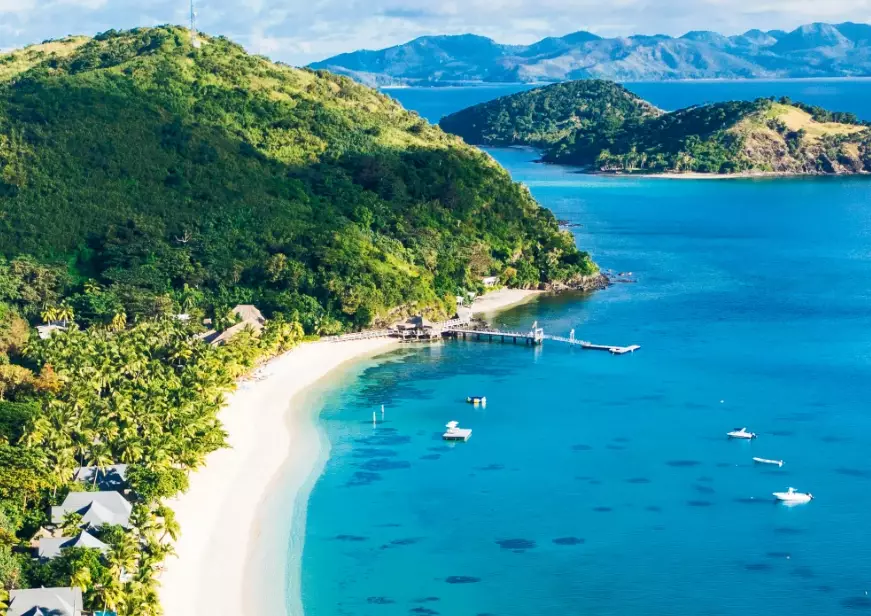
This guide isn't just a list. It's a breakdown of the top 10 places to visit in Fiji based on what you're actually looking for. Are you here for romance? Adventure with the kids? To completely disconnect? We'll get into it. I'll also tell you where I thought the hype was real, and where I personally felt a bit let down. Because honest travel advice is the only kind that's useful, right?
The Main Event: Our Top 10 Places to Visit in Fiji
Okay, let's get to it. Ranking these is tough because it truly depends on your travel style. I've tried to group them in a way that makes sense geographically and vibe-wise. Think of this as your menu for crafting the perfect Fiji itinerary.
1. Nadi & the Nadi Area (Your Gateway)
Most international flights land at Nadi International Airport on Viti Levu, Fiji's main island. Nadi town itself is... functional. It's a bustling, sometimes chaotic hub of shops, markets, and traffic. It's not a destination in the classic sun-and-sand sense. But it's your first taste of Fiji, and it holds some gems you shouldn't skip on your way to the beaches.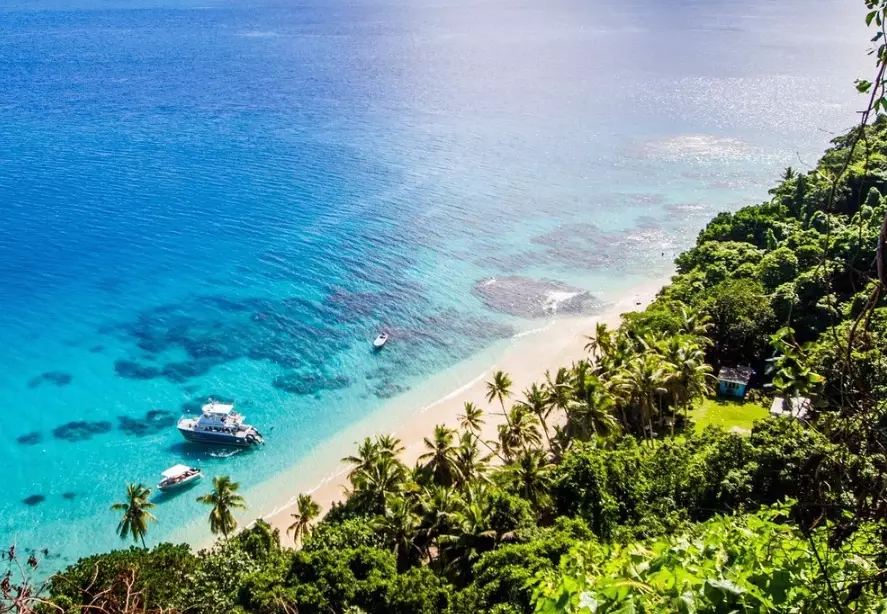
The Garden of the Sleeping Giant is a peaceful, stunning collection of orchids and tropical plants started by actor Raymond Burr. It's a lovely, shady escape. More impressive to me was the Sri Siva Subramaniya Swami Temple, the largest Hindu temple in the Southern Hemisphere. The colors and architecture are breathtaking. The Nadi Market is where you'll see the real hustle of local life – piles of taro, fragrant spices, and vibrant kava roots.
Who it's for: Everyone, by necessity. Budget a half-day here before you transfer out. My take: Don't write it off. Use it as a cultural appetizer. The temple alone is worth a stop.
2. Denarau Island (The Polished Family Base)
A short drive from Nadi airport, Denarau isn't a natural island – it's a purpose-built, 600-acre complex. This is where you'll find major hotel chains (Sheraton, Westin, Radisson, etc.), a golf course, a marina, and a large shopping/restaurant complex called Port Denarau.
It's incredibly convenient. Everything is clean, safe, and easy. The beaches are man-made and the water isn't the crystal-clear turquoise you dream of – it's on the mainland coast, so the seabed is muddy. The real draw here is the facilities and the access. It's the main jumping-off point for boat transfers to the Mamanuca and Yasawa Islands.
Who it's for: Families with young kids, first-time visitors who want ease, groups with varying budgets, or anyone using it as a convenient pre/post-cruise or island-hopping hub. My take: It feels a bit like a tropical-themed resort bubble. Great for convenience, but it lacks the authentic Fiji feel. If you stay here, you must take a day trip to a proper outer island.
3. The Mamanuca Islands (The Classic Postcard)
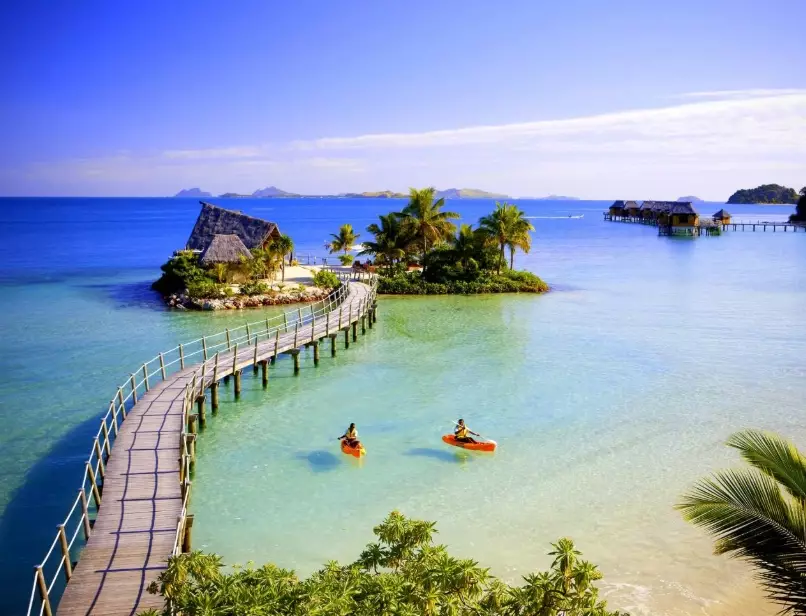
Now we're talking. This chain of about 20 islands, a quick boat or seaplane ride from Denarau, is what you pictured. Think cloud-like sandbars, water in every shade of blue, and coral reefs teeming with life. This is where the movie *Cast Away* was filmed (on Modriki Island), and where you'll find famous spots like Cloud 9, a floating bar and pizza joint in the middle of a reef.
Islands like Malolo, Mana, Castaway Island, and Beachcomber offer a range of accommodations, from family-friendly to adults-only luxury. The activities are endless: snorkeling, diving, surfing (at world-renowned Cloudbreak just offshore), kayaking, and simply doing nothing on a beach that looks digitally enhanced.
Who it's for: Honeymooners, couples, groups of friends, families with older kids, surfers, and anyone who wants that iconic Fiji beach experience with great amenities. My take: The beauty is undeniable. It can feel busy, especially near the popular day-trip islands. For a more secluded feel within the Mamanucas, research the smaller, privately-owned island resorts.
4. The Yasawa Islands (The Rugged Adventure)
If the Mamanucas are the polished classic, the Yasawas are their wilder, more dramatic cousin. This chain stretches north in a long line, with taller, more rugged volcanic hills, fewer developments, and a sense of raw beauty. The beaches are often just as stunning, but the backdrop is more majestic.
Access is by longer boat ride (the Awesome Adventures Fiji Yasawa Flyer catamaran is the lifeline) or seaplane. Accommodation ranges from basic backpacker lodges (like the famous Blue Lagoon area) to stunning high-end resorts like Yasawa Island Resort & Spa. A huge draw here is the Sacred Cave on Sawa-i-Lau, a breathtaking limestone cavern you can swim inside.
Who it's for: Backpackers, adventure travelers, couples seeking remote luxury, and anyone wanting to feel far from the crowds. My take: This was my favorite region. The landscape has more personality. The vibe is more laid-back and adventurous. The boat trip up the chain is part of the fun. Just be prepared for less connectivity and more basic facilities unless you're at a top-tier resort.
Beyond the Beach: Culture, Adventure & Mainland Gems
Fiji isn't just islands. The main island, Viti Levu, has a diverse coastline and a lush, mountainous interior that many visitors miss. If you have time, mixing in some of these spots will give you a much fuller picture of the country.
5. Pacific Harbour & the Beqa Lagoon (The Adventure Capital)
On the south coast of Viti Levu, Pacific Harbour bills itself as Fiji's "Adventure Capital." It's a bit of an odd place – a planned residential/tourism area that can feel quiet. But it's the gateway to some incredible experiences.
The Beqa Lagoon is a diver's paradise, famous for its soft coral reefs. But its biggest claim to fame is the shark dive. Operators like Beqa Divers run controlled dives where you can witness up to eight species of sharks, including bull and tiger sharks, in a single dive. It's a controlled, safe, and utterly mind-blowing experience. On land, you can go zip-lining, river rafting on the Navua River, or visit authentic Fijian villages.
Who it's for: Thrill-seekers, certified divers (especially shark enthusiasts), and those who want to mix adrenaline with their beach time. My take: The town itself isn't charming. You go here for the specific activities. The shark dive was one of the most incredible wildlife encounters of my life. Worth building an itinerary around.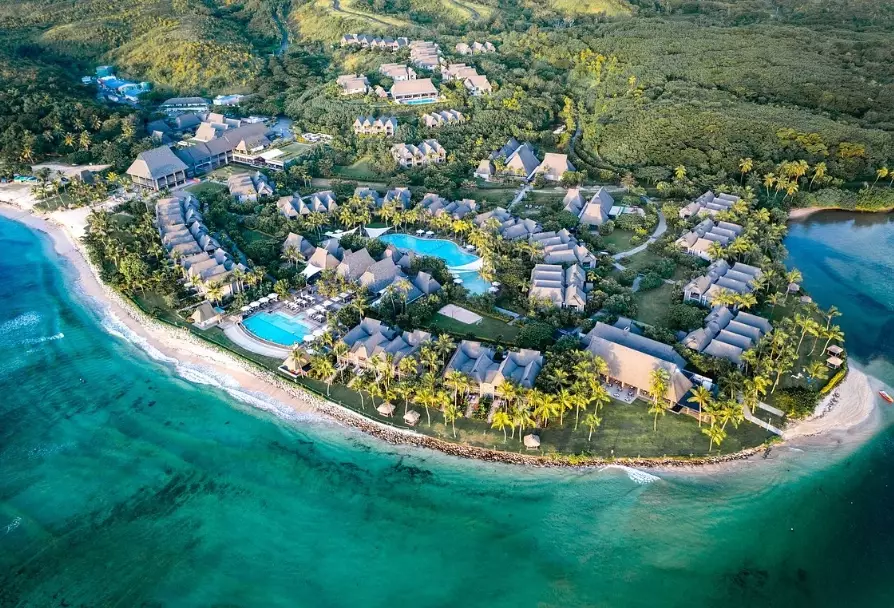
6. Suva (The Beating Heart)
Fiji's capital city on the wetter southeast coast is a world away from the resort zones. It's a bustling, humid, colorful melting pot of Fijian, Indian, Chinese, and other Pacific cultures. This is where you feel the real pulse of the nation.
Spend a day exploring the excellent Fiji Museum in Thurston Gardens to understand the country's history and culture. Wander through the vibrant Municipal Market. See the grand colonial architecture of the Government Buildings. The nightlife here is the most vibrant in Fiji, with live music and busy bars.
Who it's for: Culture buffs, urban explorers, travelers on extended trips who want depth, and anyone tired of resort food (Suva has the best and most diverse dining in Fiji). My take: It's not pretty in a traditional sense. It's chaotic and real. I loved it for a day or two. The energy is infectious. Don't expect postcard beaches here – it's a city port.
7. The Coral Coast (The Accessible Coastline)
This stretch of highway and coastline on the south side of Viti Levu, from Sigatoka to Suva, is a popular area for resorts. It's easily accessible by road from Nadi (about a 1-2 hour drive). The name comes from the fringing reef that runs along the shore, creating protected lagoons.
You'll find a mix of large resorts and smaller hotels here, often with great family facilities. Highlights include the Sigatoka Sand Dunes (a national park with archaeological sites), the Kula Eco Park for wildlife encounters, and the opportunity to visit authentic villages more easily. The beaches are good, though often with darker sand than the outer islands.
Who it's for: Families, travelers who want to explore by rental car, those wanting a mix of beach and cultural activities without constant boat transfers, and budget-conscious travelers (more options than the islands). My take: A solid, practical choice. It feels more connected to the "real" Fiji than Denarau, but with the convenience of a road. The ocean isn't as spectacular as the Mamanucas, but it's a great all-rounder base.
8. Sigatoka River & the Highlands (The Inland Journey)
Most people stick to Fiji's perimeter. Venturing inland reveals a completely different landscape of rolling hills, river valleys, and traditional villages. The Sigatoka River, Fiji's longest, is your artery into this world.
Take a jet boat or river safari up the river. You'll speed past beautiful scenery before stopping at a traditional village. Here, you'll participate in a sevusevu (welcome ceremony), share kava, learn about daily life, and maybe see a meke (traditional dance). It's a powerful, humbling experience that connects you to Fijian vanua (land and people) in a way a resort never can.
Who it's for: Culturally curious travelers, photographers, and anyone wanting to move beyond the beach to understand Fijian society. My take: This was the most meaningful part of one of my trips. It feels respectful and educational. The villagers are genuinely welcoming. It challenges the typical tourist narrative in the best way.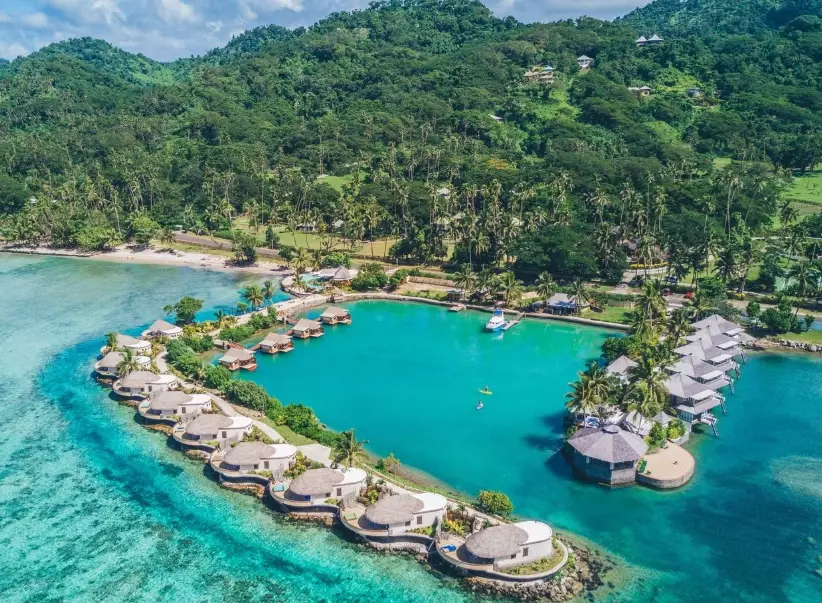
The Outer Edges: For the Truly Committed
These last two spots require more effort to reach, but they reward you with some of Fiji's most unique and pristine environments. They are destinations in themselves.
9. Taveuni (The Garden Island)
A 90-minute flight from Nadi, Taveuni is lush, rugged, and sparsely populated. It's called the Garden Island for its dense rainforest, fed by abundant rainfall. This is a destination for nature lovers and hikers.
The crown jewel is Bouma National Heritage Park on the east coast, home to the stunning Tavoro Waterfalls. You can hike and swim in a series of three magnificent falls. The island is also famous among divers for the Somosomo Strait and the Great White Wall, an incredible dive site covered in white soft coral. On the south coast, the Lavena Coastal Walk is a beautiful hike to a remote waterfall and beach.
Who it's for: Hikers, nature enthusiasts, serious divers, couples seeking secluded eco-adventure. My take: It's wet. Pack a rain jacket. But the green is almost unreal, like something from a fantasy novel. The pace is slow, the people are friendly, and the natural sights are unforgettable. Not a beach-bumming destination, but an exploring one.
10. The Lau Group (The Final Frontier)
This remote archipelago in eastern Fiji is the least visited and most traditional part of the country. Access is difficult (infrequent flights or long boat voyages requiring special permits). Tourism infrastructure is minimal to non-existent.
Why include it in a top 10 places to visit in Fiji list? Because it represents the ultimate off-the-grid Fijian experience. The islands are stunningly beautiful, with a culture that has changed little. Visiting is a privilege and requires significant planning, respect, and often an invitation or connection. It's not for the casual tourist.
Who it's for: Intrepid explorers, sailors, anthropologists, and those seeking the most authentic and untouched Fijian experience possible. My take: I haven't been. It's logistically tough and expensive. But every Fijian I met from the main islands spoke of Lau with a kind of reverence. It's the dream for a future, expedition-style trip. For most, it's a fascinating footnote, but it completes the picture of Fiji's diversity.
How to Choose: A Quick Comparison Table
Still unsure? This table might help you narrow down which of these top 10 places to visit in Fiji aligns with your travel style.
| Destination | Best For | Vibe | Accessibility | Budget Range |
|---|---|---|---|---|
| Mamanuca Islands | Iconic beaches, diving, surfing, easy resort stays | Polished, lively, postcard-perfect | Easy (short boat/plane from Nadi) | Mid to Luxury |
| Yasawa Islands | Adventure, remoteness, backpacking, dramatic scenery | Rustic, adventurous, laid-back | Moderate (longer boat ride) | Budget to Luxury |
| Coral Coast | Families, road trips, mix of beach & culture | Relaxed, convenient, authentic | Very Easy (drive from Nadi) | Budget to Mid |
| Pacific Harbour | Adrenaline activities, shark diving, river trips | Activity-focused, functional | Moderate (2-3 hr drive from Nadi) | Mid |
| Taveuni | Hiking, rainforest, serious diving, isolation | Eco-adventure, serene, wet | Hard (requires flight) | Mid to Luxury |
Fiji Travel FAQs: Your Questions Answered
Look, crafting your list of the top 10 places to visit in Fiji is the fun part. The islands won't disappoint. The hardest part will be choosing which slice of paradise calls to you the most. My advice? Don't try to see it all in one go. Pick a region that matches your energy, dive deep, and let Fiji time take over. You'll leave planning your next trip before you've even boarded the plane home.
Bula vinaka!

Comments
Join the discussion