So you're asking, "What is the best month to visit Africa for safari?" Let's cut to the chase: there isn't one single answer. Anyone who gives you a single month or season is oversimplifying a continent that's larger than the USA, China, and India combined. The "best" time depends entirely on which part of Africa you're eyeing, what animals you're desperate to see, your tolerance for rain and heat, and frankly, how much you're willing to spend.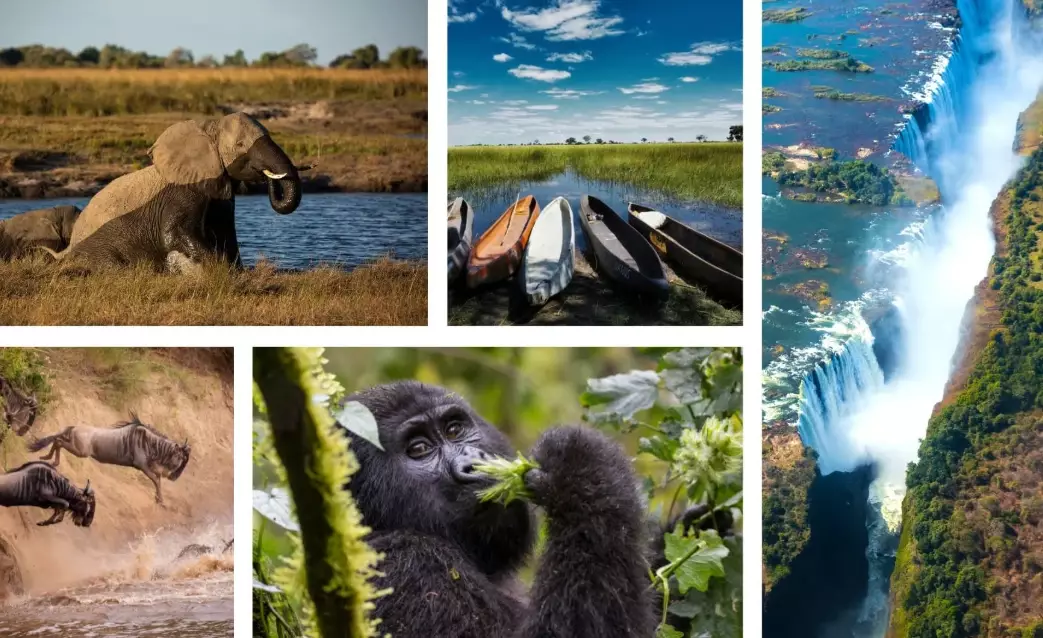
I've been on safaris in the dry dust of the Serengeti and the flooded waterways of the Okavango. I've been charged by an elephant (from the safety of a vehicle, thankfully) and sat breathless watching a leopard in a tree. The magic month varies wildly.
The real trick is matching the seasonal rhythms of Africa's ecosystems with your own wishlist. This guide will break it down, region by region, month by month.
Your Safari Planning Jump-Off Point
- Why There's No Single 'Best' Month
- East Africa Safari: Following the Great Migration
- Southern Africa Safari: Diverse Landscapes, Diverse Timings
- Central and Other Regions: Niche Safari Experiences
- How to Choose the Best Safari Month for Your Budget
- Top Safari Destinations and Their Prime Windows
- Your Safari Timing Questions, Answered
Why There's No Single 'Best' Month for an African Safari
Think of Africa's safari seasons in two broad buckets: the Dry Season and the Wet (Green) Season. Each has massive pros and cons that flip the script depending on location.
Dry Season (Generally May/June to October): This is classic safari weather. Vegetation thins out, animals congregate around permanent water sources, and spotting wildlife is easier. Skies are clear, and malaria risk is lower. Sounds perfect, right? It is—for game viewing. But it's also peak season. That means higher prices for lodges and flights, and more vehicles at popular sightings. The landscapes can look parched and dusty.
Wet/Green Season (Generally November to April): This is the secret many first-timers miss. The rains bring lush, photogenic landscapes, newborn animals, and incredible birdlife. It's also the low season for most parks, meaning better deals and fewer tourists. The catch? Animals are dispersed with plentiful water and food, making them slightly harder to find. Some roads become impassable, and afternoon showers can interrupt drives.
One mistake I see constantly? People booking a "Great Migration" safari for August, thinking that's the peak everywhere. In reality, the migration is a year-round cycle moving between Tanzania and Kenya. August is prime in the Maasai Mara, but it's a very different story in the Serengeti's southern plains.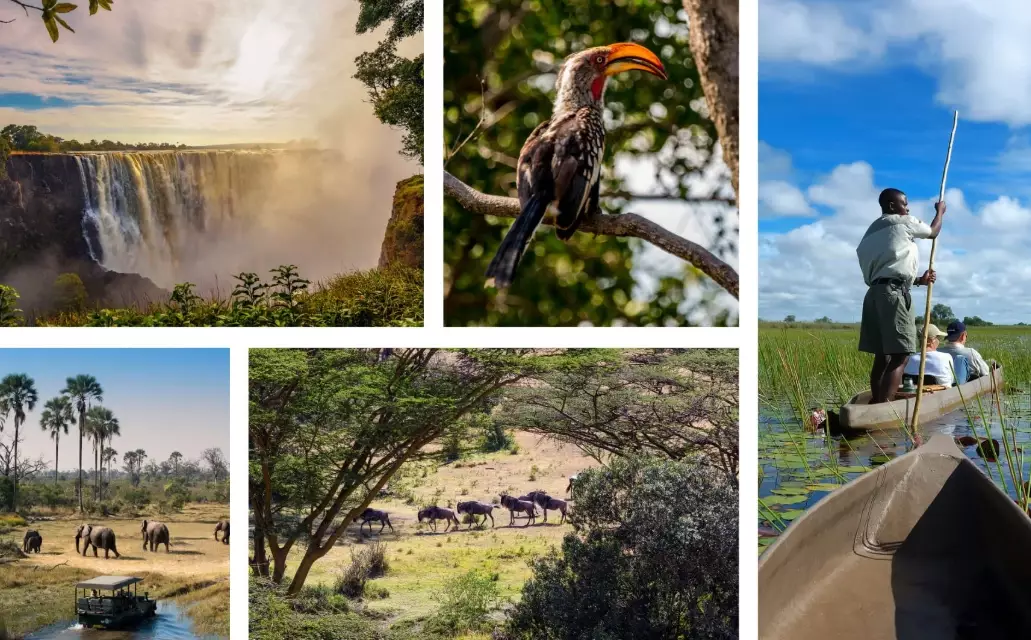
East Africa Safari: Following the Great Migration
This is safari's headline act: Kenya and Tanzania. Timing here is all about the movement of over 1.5 million wildebeest and zebra.
Kenya & Tanzania (Serengeti & Maasai Mara Ecosystem)
- January to March: The herds are in the southern Serengeti (Ndutu area) in Tanzania. This is calving season. You'll see thousands of wobbly newborns and intense predator action. Weather is warm, with short rains possible. It's a spectacular and slightly less crowded time.
- April to May: The "long rains." This is the true low season. Many lodges in remote areas close. Roads are challenging. But if you don't mind the mud and occasional downpour, you'll have vast landscapes to yourself at seriously reduced rates. The grass is high, so spotting requires more skill.
- June to July: The herds begin their northward trek through the central and western Serengeti. The dry season begins, and game viewing concentrates. By late July, the first herds are approaching the Mara River in Tanzania.
- August to October: Peak season in the Maasai Mara (Kenya). This is the classic river crossing period. Expect incredible drama but also the highest prices and vehicle congestion at crossing points. The Serengeti's northern region is also excellent during this time. Weather is dry and cool.
- November to December: The "short rains." The herds move back south into the Serengeti. This is a lovely shoulder season—landscapes green up, crowds diminish, and prices drop from their August peaks. A very underrated time to visit.
Tanzania (Southern & Western Circuits: Selous, Ruaha, Katavi)
These parks operate on a different schedule. The best game viewing here is in the dry season from June to October. During these months, animals in massive parks like Ruaha and remote Katavi cluster around shrinking rivers and lakes, offering some of Africa's most intense and exclusive predator scenes. The wet season (Nov-May) can make some areas inaccessible.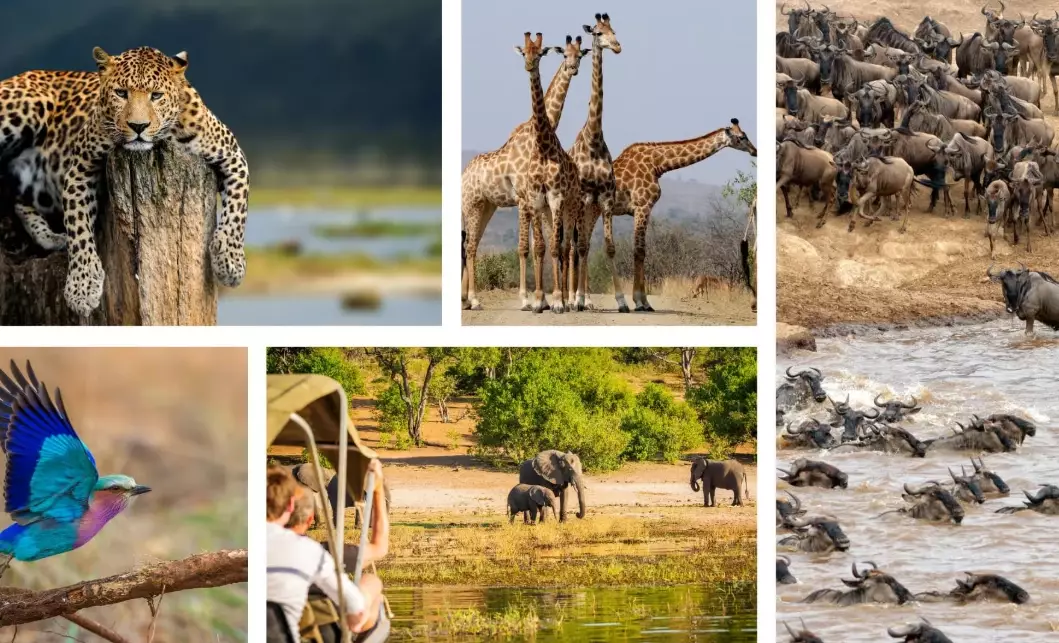
Southern Africa Safari: Diverse Landscapes, Diverse Timings
South Africa, Botswana, Zambia, Zimbabwe, and Namibia offer a different flavor. Water, or the lack of it, defines the experience here.
South Africa (Kruger National Park & Private Reserves)
Kruger is year-round, but the dry winter months (May to September) are best for game viewing. Without foliage and with water scarce, animals are easy to spot at waterholes. Mornings are cold, so pack a jacket. The wet summer (October to April) is lush and beautiful, with migrant birds arriving. However, the thick bush can hide animals, and afternoon thunderstorms are common. This is also when you'll find better deals.
Botswana (Okavango Delta & Chobe)
This is a reverse season paradise. The Okavango Delta is all about water. The peak flood season is from June to October (the dry season). Wait, what? Yes. The floodwaters from Angola arrive in the Delta during Botswana's dry winter. This means you can explore the Delta by mokoro (canoe) when wildlife is already concentrated. It's stunning but also the most expensive time. The green season (November to March) offers lower prices, fantastic birding, and predator action on young prey, but some areas may be too wet for standard game drives.
Zambia & Zimbabwe (Victoria Falls & Lower Zambezi)
This is a two-for-one. For the Victoria Falls, the best flow is March to May, right after the rainy season. It's a thunderous, mist-soaked spectacle. For safaris in Mana Pools or Lower Zambezi, the dry season (July to October) is prime, as animals line the Zambezi River. The walking safaris in Zambia are legendary during this time.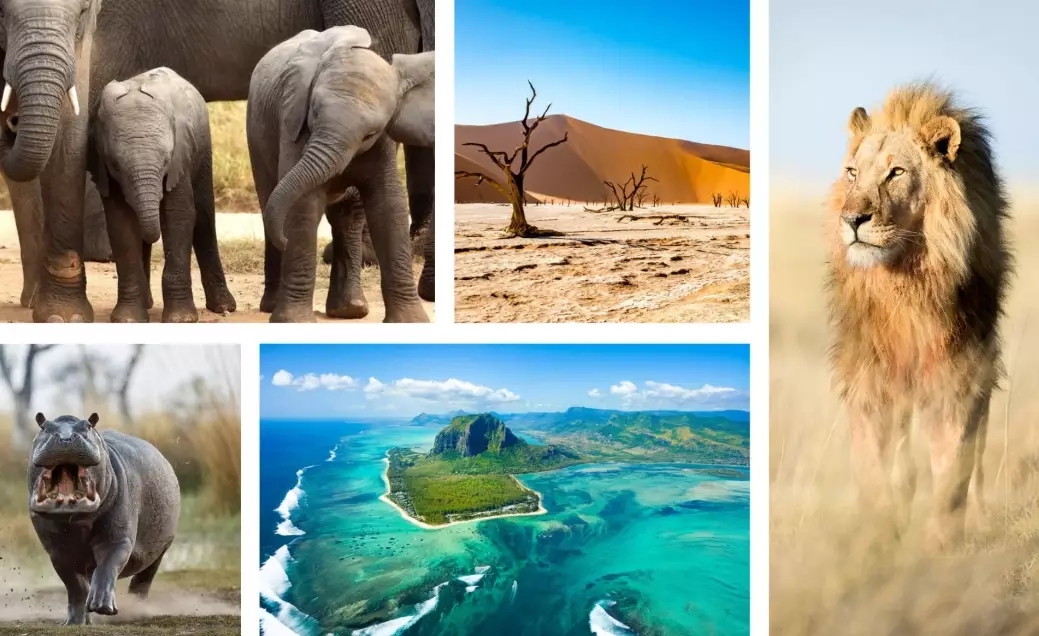
Central and Other Regions: Niche Safari Experiences
Uganda & Rwanda (Gorilla Trekking): This is less about general game drives and more about primates. Gorilla trekking is year-round. The dry seasons (June-August and December-February) mean less mud on the trails, which can make hiking easier. However, the wet seasons can be better for photography (softer light, fewer tourists) and sometimes gorillas are at lower altitudes. Permits are the main cost and are fixed year-round.
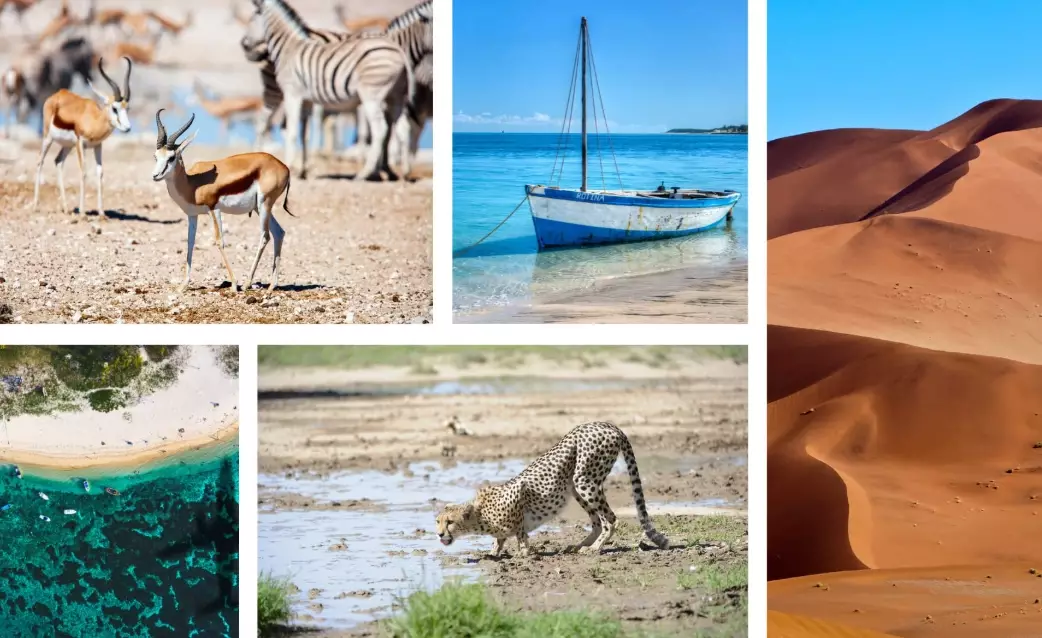
Namibia: Namibia is about desert-adapted wildlife and landscapes. It's extremely dry. The cooler months from May to October are most comfortable for exploring Etosha Pan and the Skeleton Coast. In Etosha, winter forces animals to gathered at waterholes, creating unbelievable viewing. The summer (Nov-Apr) can be brutally hot.
How to Choose the Best Safari Month for Your Budget
Let's talk money, because that often decides the "best" time.
| Season | Typical Months | Pros | Cons | Budget Impact |
|---|---|---|---|---|
| Peak Season | Jul-Oct (East & South), Jun-Oct (Botswana) | Best game viewing, dry weather, reliable conditions. | Highest prices, most crowds, need to book far in advance. | Premium. Expect to pay 30-50% more for lodges. |
| Shoulder Season | Jan-Mar, Nov, early Dec | Good weather, lower crowds, decent game viewing, lower prices. | Some rain possible, migration not at peak river crossings. | Good Value. Better deals than peak, but not the cheapest. |
| Low/Green Season | Apr-May, Nov (in some regions) | Lowest prices, lush scenery, newborn animals, no crowds. | Heavy rain possible, challenging roads, animals dispersed. | Budget-Friendly. Can find discounts of 40% or more. |
A personal tip: I think the shoulder seasons are the sweet spot for most travelers. You get a taste of the good weather, the crowds haven't fully descended (or have just left), and your money goes further. I booked a luxury camp in the Serengeti in late November once for almost half what it cost in August. We saw lions on a kill, had only one brief afternoon shower, and never felt crowded.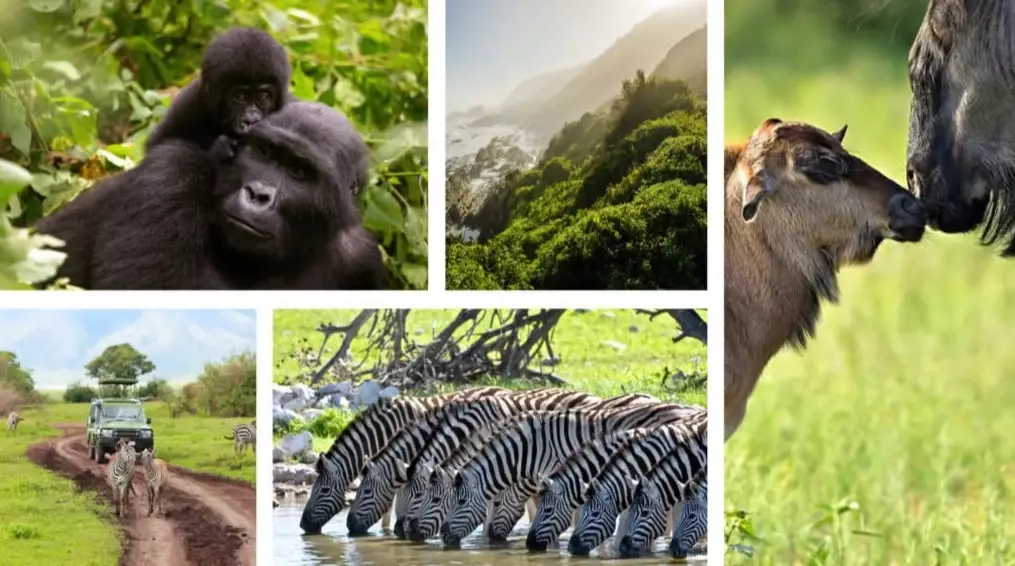
Top Safari Destinations and Their Prime Windows
To make it actionable, here’s a quick-reference list. Remember, "Prime" means optimal for the main attraction of that park.
- Maasai Mara, Kenya (for river crossings): Prime = July to October. Good = January-March (for predator action in the Mara itself).
- Serengeti, Tanzania (for the migration cycle): Prime = January-March (calving in south), June-July (central/western trek), September-October (north). It's always prime somewhere.
- Kruger National Park, South Africa: Prime for game viewing = May to September. Best for scenery/birds = November to April.
- Okavango Delta, Botswana: Prime for water-based safaris = June to October. Prime for lower prices/birding = November to March.
- South Luangwa, Zambia: Prime for walking safaris = June to October. Some camps close November to May.
- Etosha National Park, Namibia: Prime = May to October (animals at waterholes).
Your Safari Timing Questions, Answered
 So, what's the best month for your African safari? It's the month that aligns the natural calendar of your chosen destination with your personal priorities for wildlife, weather, budget, and crowd tolerance. Use this guide as a starting point, then dig deeper into the specific parks that call to you. Whether it's the dusty drama of the dry season or the lush, discounted secret of the green season, your perfect safari month is out there.
Start by picking a region, then a season, then let the magic of Africa do the rest.
Comments
Join the discussion