Searching for hotels in Japan as a foreign visitor can feel like navigating a secret code. You see gorgeous photos, but then you wonder: Will they take my credit card? Is the bed actually a bed or a futon on a plank? Does "near Shinjuku Station" mean a 2-minute walk or a 20-minute bus ride? I've been there. On my first trip, I booked a "business hotel" in Osaka thinking it was a great deal. The room was so small I could touch both walls from the center, and the front desk staff spoke no English. Check-in was a 10-minute game of charades.
It doesn't have to be that way. Japan is packed with incredible, foreigner-friendly accommodation. You just need to know what to look for.
Your Quick Navigation Guide
Understanding the ‘Foreigner-Friendly’ Hotel Landscape in Japan
Not all hotels in Japan are created equal for international guests. A "foreigner-friendly" hotel goes beyond just having an English website. It's about the entire experience being accessible.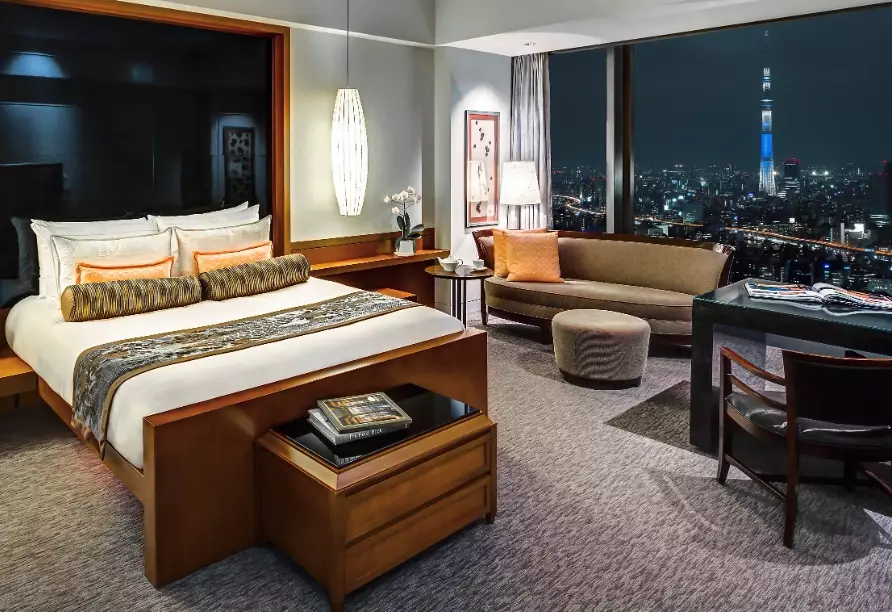
Here’s a breakdown of the main types you'll encounter, and what they really mean for you.
| Hotel Type | Best For | Foreigner-Friendly Score | Key Considerations |
|---|---|---|---|
| International Luxury/Business Chains (e.g., Hilton, Marriott, Hyatt) | Travelers wanting consistency, points, and full-service amenities. | 10/10 | Most expensive. English is a given. Beds are Western-sized. Easy booking with foreign cards. |
| Japanese Business Hotel Chains (e.g., APA Hotel, Dormy Inn, Mitsui Garden) | Budget-conscious travelers who value location and efficiency over space. | 7/10 | Rooms are famously compact. Many have English signage and basic English at reception. Great value, often include breakfast/onsen. |
| Ryokan (Traditional Inn) | A cultural immersion experience. Kaiseki meals, tatami floors, onsen. | 5-9/10 (Varies Wildly) | The biggest gamble. High-end ryokans in tourist areas are very foreigner-adapted. Rural family-run ones may have zero English. Confirm everything in advance. |
| Hostels & Guesthouses | Solo travelers, backpackers, and social butterflies. | 8/10 | Often the most internationally-oriented staff. Great for meeting people. Dorm beds are standard, but private rooms can be tiny. |
| APA Hotel (Worth a separate note) | Location, location, location. They're everywhere. | 6/10 | A contentious pick. They are the ultimate convenient business hotel, but rooms are among the smallest. Be aware of the controversial material placed in rooms by the owner. |
One non-consensus point I’ll make: many guides push ryokans as the "must-do" authentic experience. For a first-time visitor on a tight schedule, they can be stressful. The strict meal times, the complex onsen etiquette, the difficulty of lounging on a tatami floor if you have knee issues – it's not for everyone. A great compromise is a modern hotel with a ryokan *feel*, like one with a beautiful public bath.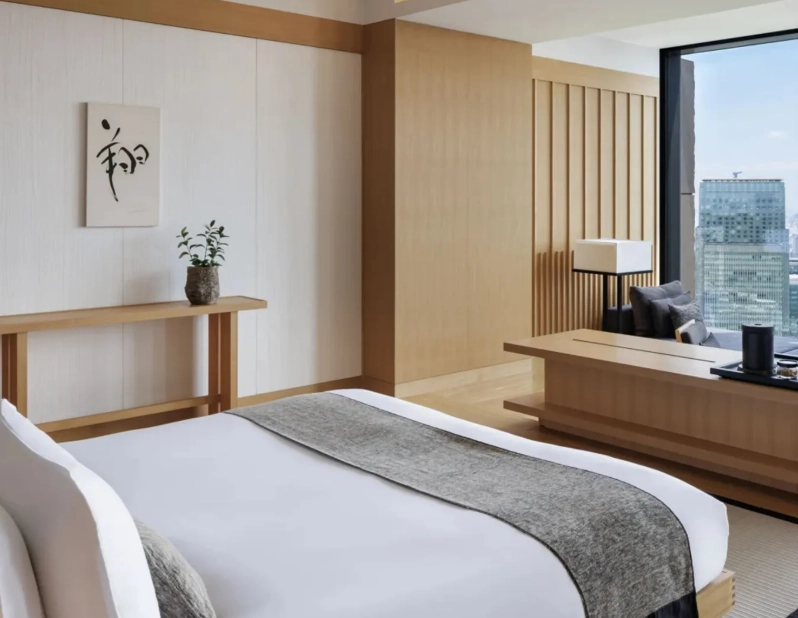
How to Book the Right Hotel in Japan: A Step-by-Step Guide
Let's get practical. Follow this process to filter out the confusing options and land a perfect stay.
Step 1: Location is Everything (More Than You Think)
Picking a city isn't enough. You need to pick the right district (*ku*) and, crucially, proximity to a specific train station.
In Tokyo, prioritize being near the Yamanote Line (the green loop line that connects Shinjuku, Shibuya, Tokyo, Ueno, Ikebukuro). In Kyoto, decide: do you want transport hub convenience (near Kyoto Station) or atmospheric charm (Gion, Higashiyama)? In Osaka, Namba or Umeda are the vibrant hearts.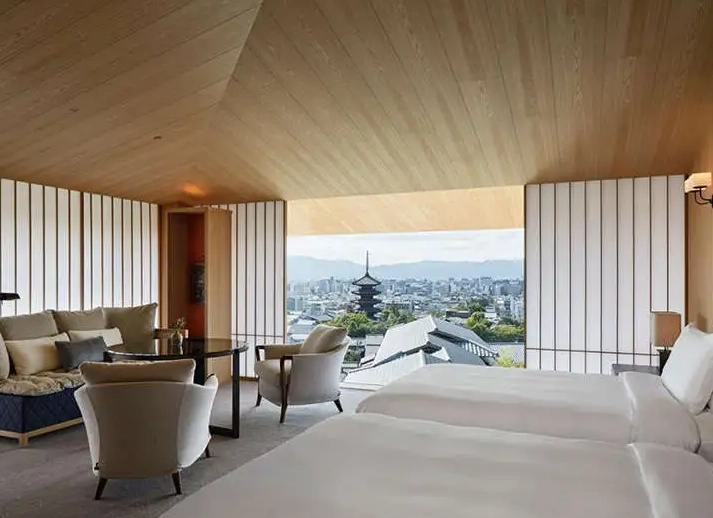
Step 2: Decode the Room Details
This is where most foreigners get tripped up.
- Bed Size: "Semi-double" is a small double, often just 120-140cm wide. Fine for cozy couples, tight for two who like space. "Double" is usually 140-160cm. "Queen" (150cm+) and "King" (180cm+) are less common outside luxury hotels.
- Room Size: Always check the square meters (sqm). Under 15 sqm is very compact. 20-25 sqm is comfortable for Japan. Over 30 sqm is spacious.
- Bed Type: "Western-style" means a normal bed. "Japanese-style" means a futon on a tatami mat floor.
Step 3: Filter for Foreigner-Friendly Amenities
Use filters on sites like Booking.com or Agoda:
- Language: Filter for "English" speaking staff. It's not perfect, but it helps.
- Payment: Ensure they accept "Visa/Mastercard/Amex." Some small places only take cash or local cards.
- Essential: Check for "Free WiFi" and "Air Conditioning/Heating." Don't assume.
Top Foreigner-Friendly Hotel Picks by City
Based on location, ease of booking, English support, and overall value for foreign visitors.
Tokyo: The Mega-City Choices
The Blend of Tradition & Modern: Hotel Gracery Shinjuku
Address: 1-19-1 Kabukicho, Shinjuku. Right in the heart of the action, a minute from Shinjuku Station's east exit. Why it works for foreigners: It's part of a reliable chain, staff are used to international guests, and rooms, while not huge, are efficiently designed. The Godzilla theme is a fun conversation starter. Expect to pay ¥20,000-¥35,000 per night.
The Efficient Hub: Mitsui Garden Hotel Jingugaien
Address: 1-6-3 Sendagaya, Shibuya. A 5-minute walk from Sendagaya Station, close to Shinjuku and Shibuya. This is a quieter, more refined business hotel. The lobby and rooms feel less cramped than APA, and they often have great package deals including breakfast. A solid, no-surprise choice for ¥18,000-¥30,000.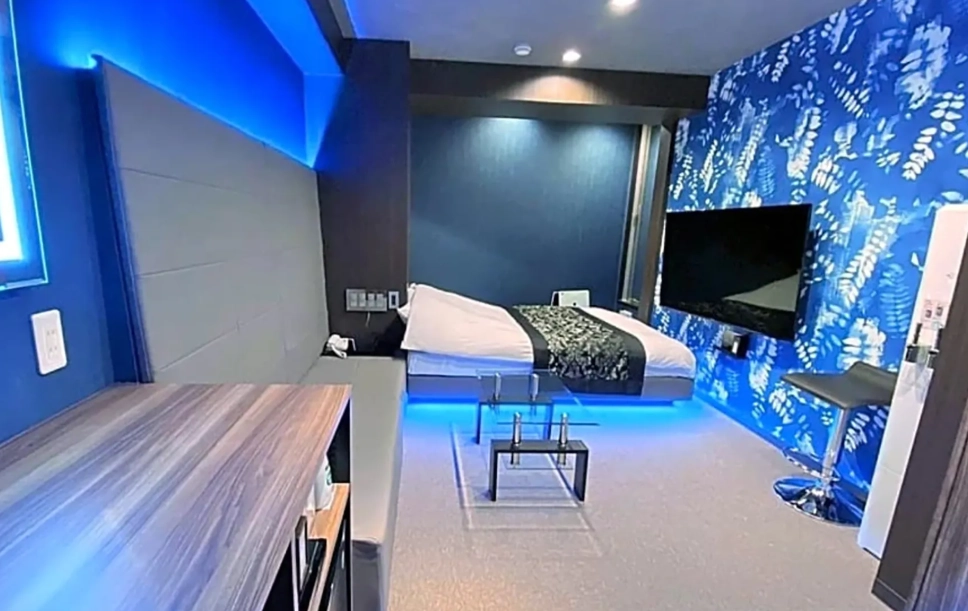
Kyoto: History Meets Hospitality
The Modern Ryokan Experience: Hotel The Mitsui Kyoto
Address: 284 Nijoaburanokoji-cho, Nakagyo-ku. A luxury hotel built on the grounds of a historical Mitsui family estate. This is where you get the ryokan atmosphere (stunning garden views, incredible onsen) with five-star, English-fluent service. It's pricey (¥60,000+), but for a splurge, it's unmatched.
The Perfectly Located Mid-Range: Hotel Resol Kyoto Kawaramachi Sanjo
Address: 49 Kameyacho, Kawaramachi Sanjo, Nakagyo-ku. This is my personal favorite for balance. It's in the downtown shopping/dining area (Kawaramachi), walkable to Gion, with a beautiful shared bath. The staff are exceptionally helpful. Rooms are stylish and around 20 sqm. Prices range from ¥25,000-¥40,000.
Osaka: The Kitchen of Japan
For Foodies & Nightlife Lovers: The Bridge Hotel Shinsaibashi
Address: 1-10-24 Higashishinsaibashi, Chuo-ku. Smack in the middle of Shinsaibashi shopping street and Dotonbori. It's a boutique hotel with a social vibe, free beer in the evenings, and staff who actively help you plan your day. Rooms are compact but cleverly designed. Around ¥15,000-¥25,000.
The Transport King: Hotel Nikko Osaka
Address: 1-1-13 Minamisenba, Chuo-ku. Directly connected to Osaka's main subway hub, Hommachi Station. If your goal is to maximize travel to Kyoto, Nara, and USJ, this location is golden. It's a full-service hotel with spacious (by Osaka standards) rooms and multiple dining options. ¥20,000-¥35,000.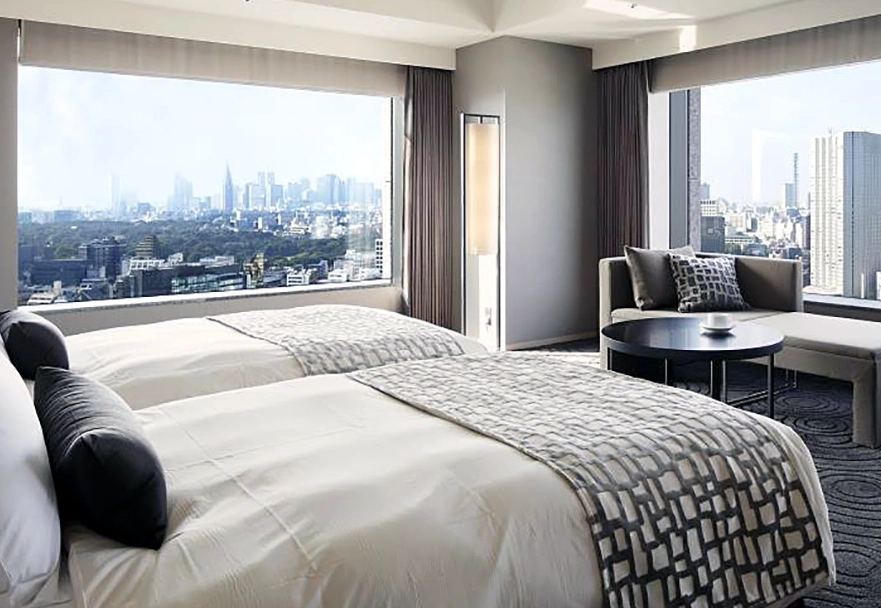
Putting It All Together: A Sample 3-Day Tokyo Itinerary
Let's see how hotel choice impacts your day. Assume we picked the Hotel Gracery Shinjuku.
Day 1: Land at Narita. Take the Narita Express (N'EX) directly to Shinjuku Station. Walk 5 minutes to hotel, drop bags. Jet-lagged? Explore the crazy energy of Kabukicho right outside, or take a short walk to the serene Shinjuku Gyoen National Garden. Easy collapse into bed.
Day 2: Full sightseeing day. From Shinjuku Station, catch the JR Chuo Line to Tokyo Station (10 min) for the Imperial Palace, or the Yamanote Line to Shibuya (7 min) for the scramble crossing. No need to navigate complex subway transfers with luggage at the start of your day.
Day 3: Last day, check out. Use the station's coin lockers or the hotel's luggage hold. Spend your final hours in Shinjuku shopping or at the Metropolitan Government Building observatory (free!). Retrieve bags and head back to the airport via the N'EX from the same station.
See how a well-located hotel turns complex logistics into simple steps?
Your Burning Questions Answered (FAQ)
The key to finding great hotels in Japan for foreigners isn't about finding a magical "foreigners only" list. It's about applying a smart filter: prioritize walkable location to key transport, scrutinize room specs, and use booking platforms that cater to an international audience. Do that, and you'll spend less time worrying about your accommodation and more time enjoying the incredible country outside your door.

Comments
Join the discussion