You see the headlines: "Mexico Shatters Tourism Records." But what does that actually mean for you, trying to plan a vacation? Is it all just crowded resorts now? As someone who's tracked these numbers and traveled the country for over a decade, I can tell you the statistics are more than just big figures. They're a roadmap. They reveal where the crowds are going (and where they aren't), when prices dip, and how traveler behavior is shifting in real-time. Let's cut through the press releases and look at what the data really says about crafting your perfect Mexican getaway.
Your Quick Guide to Mexico's Travel Scene
The Latest Numbers: Mexico's Tourism in a Snapshot
First, the raw data. According to the latest reports from the Mexican Secretary of Tourism (SECTUR) and the World Tourism Organization (UNWTO), Mexico consistently ranks among the top ten most visited countries globally. The recovery post-pandemic wasn't just a bounce-back; it was a surge. We're talking about over 40 million international tourists in a recent year, generating upwards of $30 billion USD in revenue.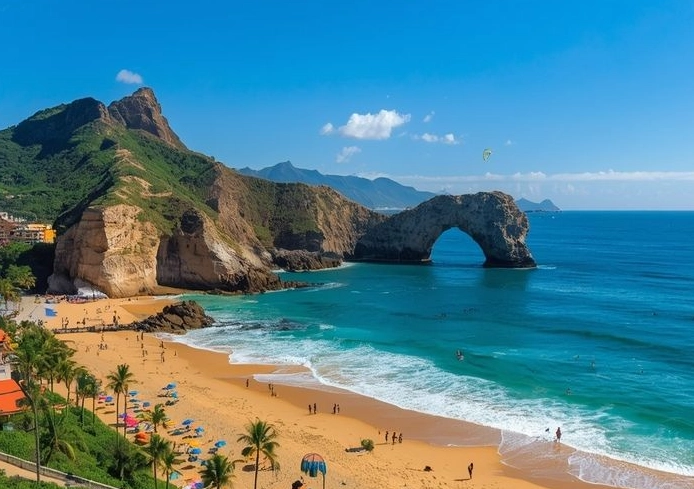
| Metric | Figure | What It Means for You |
|---|---|---|
| International Tourist Arrivals | ~42 million (annual) | High demand. You're not alone in wanting to visit. Booking flights and popular hotels well in advance is no longer a suggestion—it's a necessity. |
| Top Source Countries | United States, Canada, Colombia | The market caters heavily to North American tastes. This means widespread English in tourist zones, familiar brands, and a travel infrastructure designed for this flow. |
| Average Tourist Expenditure | ~$1,000 - $1,200 USD per trip | This is an average, skewed by all-inclusive resort stays and short trips. It tells you that budget backpacking and high-end luxury both exist comfortably here. |
| Cruise Passenger Arrivals | Millions via ports like Cozumel | Cozumel, Costa Maya, and Ensenada get massive daily surges. If you're on land, plan to visit major port-site attractions (like Tulum from Playa del Carmen) on days when fewer ships are docked. |
The biggest mistake I see? Travelers using these national stats to plan a local experience. They hear "40 million tourists" and picture every corner swamped. It's not like that. The distribution is wildly uneven.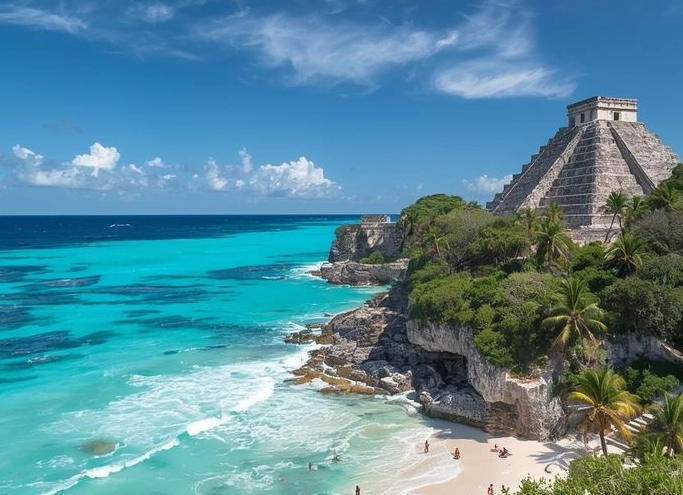
Three Key Trends Shaping Travel in Mexico
The numbers show clear shifts in how people are traveling, not just how many.
1. The Rise of the "Experiential" and Sustainable Traveler
Data from platforms like Airbnb and tour booking sites shows a huge spike in searches for "local experiences," "cooking classes," and "eco-tours." Visitors are moving beyond the poolside cocktail. They want to make mole sauce in Oaxaca, track monarch butterflies in Michoacán, or freedive in cenotes. This is a golden age for small, specialized tour operators. The flip side? Greenwashing is rampant. A hotel calling itself "eco" might just mean they have towel reuse cards. Look for specific certifications or ask about their water treatment and community employment.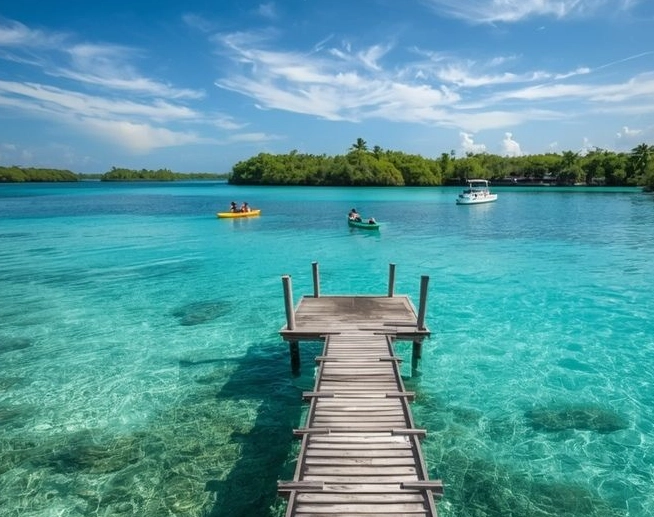
2. The Digital Nomad and Long-Term Stay Boom
This is the quiet revolution in the statistics. Mexico's affordable cost of living, good internet in cities, and generous tourist visa (up to 180 days) made it a top pandemic-era destination for remote workers. Cities like Mexico City, Playa del Carmen, and San Miguel de Allende have seen apartment rental prices in certain neighborhoods inflate because of this sustained demand. If you're planning a month-long stay, book your accommodation early, especially from November to April.
3. Luxury is Redefining Itself
Luxury travel statistics are moving away from just oversized resorts. The growth is in boutique hotels, private villas with chefs, and curated itineraries. Think a 12-room hacienda in the Yucatán jungle or a design hotel in a restored Mexico City mansion. The data point here is the average daily rate (ADR) for boutique properties, which has climbed steadily, showing people are willing to pay more for uniqueness and privacy.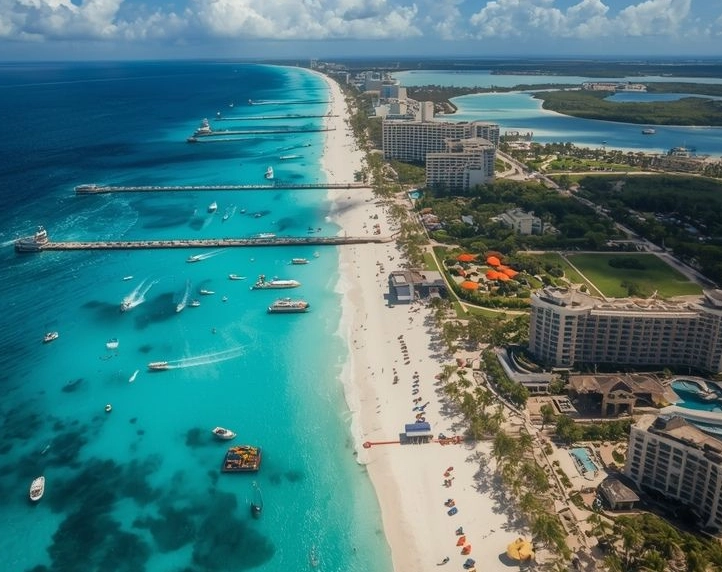
My Take: The trend towards experience and sustainability is real, but it's creating a paradox. Places like Tulum, which sold an "eco-chic" vibe, are now victims of their own success—struggling with waste and overtourism. The savvy traveler uses this trend data to find the *next* Oaxaca or San Cristóbal, not just follow the crowd to last year's hotspot.
Where Are People Actually Going? A Regional Breakdown
This is where the tourism statistics get practical. Forget "Mexico." You're going to a specific region, and the visitor density varies dramatically.
The Caribbean Coast (Quintana Roo): This is the heavyweight champion, drawing nearly a third of all international tourists. Cancún, Playa del Carmen, and Tulum are the engines. The stats show relentless growth here. What does this mean for you? Expect developed infrastructure, endless flight options, and intense crowds. A pro tip: Use Cancún as an airport hub, but stay in less hyped spots like Puerto Morelos or Isla Holbox for a breather. Visiting Chichén Itzá? Get there the second it opens at 8 AM. By 10:30 AM, it's a packed, hot marathon. Admission is about $613 MXN (around $35 USD). Consider a tour that includes early access or visit the lesser-known but stunning ruins of Ek Balam instead.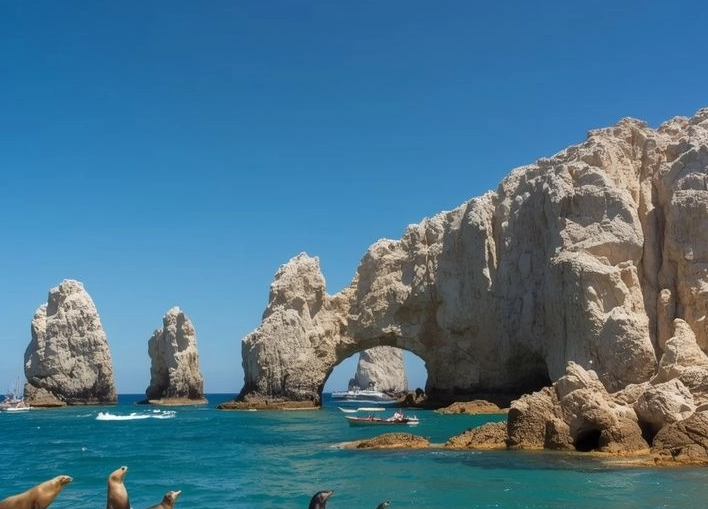
The Pacific Coast (Riviera Nayarit & Los Cabos): This is the upscale, resort-focused zone. The statistics show higher average spending per tourist here compared to the Caribbean. It's more about golf, spas, and marina life. Puerto Vallarta offers a nice blend of resort and traditional town. Flight data shows great direct connectivity from western US and Canadian cities.
Central Highlands (Mexico City, Colonial Cities): Cultural tourism is growing fast here. Mexico City has seen a double-digit percentage increase in international tourism. It's a world-class urban destination, but the stats don't capture the neighborhood-level differences. Roma and Condesa are buzzing with tourists and nomads, while other amazing colonias feel more local. A classic mistake is trying to see the Frida Kahlo Museum (Casa Azul) without buying tickets online weeks in advance. They sell out constantly. Address: Londres 247, Del Carmen. Open Tuesday to Sunday, 10 AM - 5:30 PM. Get the timed ticket online.
The North & Other Regions: Statistics show these areas receive a tiny fraction of international tourists compared to the coasts. That's your opportunity. The Copper Canyon is more spectacular than most people realize. The wine country of Valle de Guadalupe in Baja California is a foodie paradise without the international hype of Napa.
Smart Planning Tips from the Data
Let's translate statistics into action.
Timing Your Trip: The national occupancy data has two massive peaks: Christmas/New Year and Spring Break (March/April). A third, smaller peak occurs in July/August for family summer travel. The absolute sweet spot, shown by lower flight and hotel price data, is late April through early June, and October through mid-December (excluding the Thanksgiving holiday week). The weather is still good, crowds are thinner, and prices drop. September is the statistical low for a reason—it's the peak of hurricane season and the rainiest month.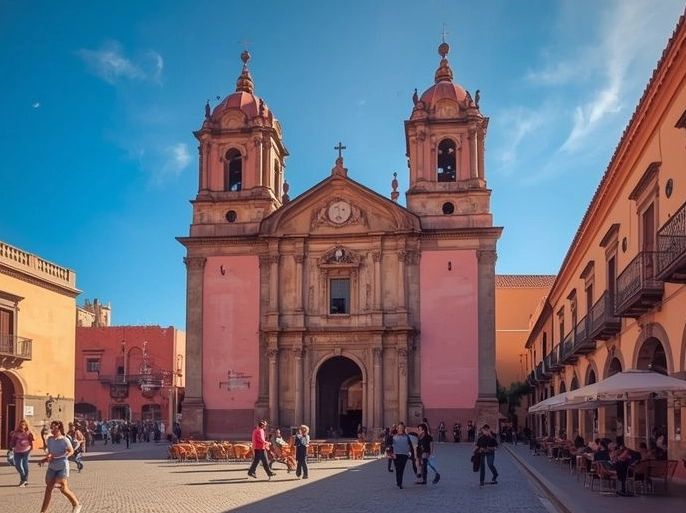
Budgeting Realistically: The national average expenditure is misleading. In Tulum, a dinner for two at a trendy spot can hit $150 USD. In Oaxaca City, you can have an unforgettable feast for $40. Use region-specific data. A mid-range hotel in Playa del Carmen might be $150/night, while a charming guesthouse in Mérida is $80. Factor this in.
Transportation Insights: Domestic flight data shows the busiest routes are from Mexico City to Cancún and Los Cabos. Booking these 4-6 weeks out usually gets the best fares. For ground transport, ADO bus service is phenomenal in the southeast—comfortable, reliable, and cheap. It's how locals and savvy tourists move around the Yucatán peninsula. Renting a car is great for freedom, but get full insurance; the minor dings and scratches scam at rental counters is a real, data-backed headache.
Your Mexico Travel Questions Answered
Is Mexico safe for tourists right now, according to the latest travel data?
What is the absolute cheapest month to fly to Mexico based on tourism trends?
How much money should I budget per day for a trip to Mexico?
Do I need to speak Spanish to travel around Mexico effectively?
The final takeaway from all these Mexico tourism statistics? Mexico isn't a monolith. It's a collection of destinations, each with its own data story. Use these numbers not as a warning, but as a tool. They tell you when to go, where the pressure points are, and how to find your own perfect balance of adventure, culture, and relaxation. Look beyond the top-line figure of 40 million. Find the statistic that matters for *your* trip, and you'll plan a journey that feels personal, not just part of a crowd.



Comments
Join the discussion