Quick Navigation
- Why Your "Best Time" Depends on What You Want
- The Seasonal Breakdown: Pros, Cons, and Real Talk
- Month-by-Month: The Nitty-Gritty Details
- The Big Split: North Island vs South Island Timing
- What About Crowds and Costs? The Practical Side
- Answering Your Big Questions
- Pulling It All Together: Sample Seasonal Itinerary Ideas
- Final Thoughts: Trust Your Own Travel Style
Let's be honest, figuring out the best time to visit New Zealand can feel overwhelming. You get told "summer is perfect" but then hear about the crowds and prices. Someone else swears by autumn colours, and then you see stunning winter snow photos. Which is it?
I've been there. My first trip, I just picked summer because, well, that's what you do, right? It was beautiful, sure. But it was also packed. I spent more time looking for parking at Lake Tekapo than actually enjoying the view.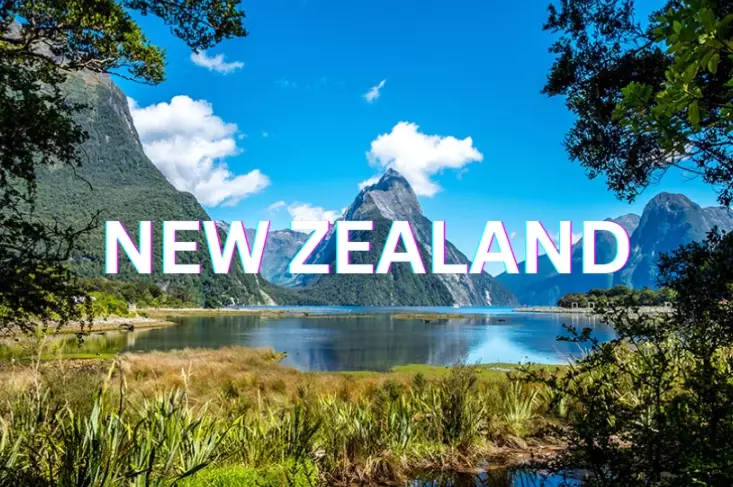
The truth is, there's no single "best" New Zealand tourism time. It completely depends on what you want to do, your tolerance for people, and honestly, your budget. Your perfect New Zealand travel time is different from mine.
This guide isn't about telling you one season is superior. It's about giving you the real, detailed breakdown so you can match the season to your dream trip. We'll dig into weather, crowds, costs, and those special seasonal events you don't want to miss (or might want to avoid).
Why Your "Best Time" Depends on What You Want
Before we jump into months and temperatures, let's get this straight. Asking about the ideal New Zealand tourism time is like asking the best tool in a shed. It depends on the job.
Quick Reality Check: New Zealand's seasons are opposite to the Northern Hemisphere. Summer runs from December to February, autumn from March to May, winter from June to August, and spring from September to November. This simple fact trips up a lot of first-time planners.
Are you coming for hiking the Great Walks? Then you're locked into a summer booking window (and a lottery system for some). Dreaming of skiing down the Remarkables? Winter is your only shot. Want to see the incredible autumn foliage in Central Otago? That's a narrow window in April/May.
Or maybe you're like me on my second visit – you just want to drive around, see beautiful things, and not be surrounded by tour buses. That changes everything.
So, let's break it down by what actually matters.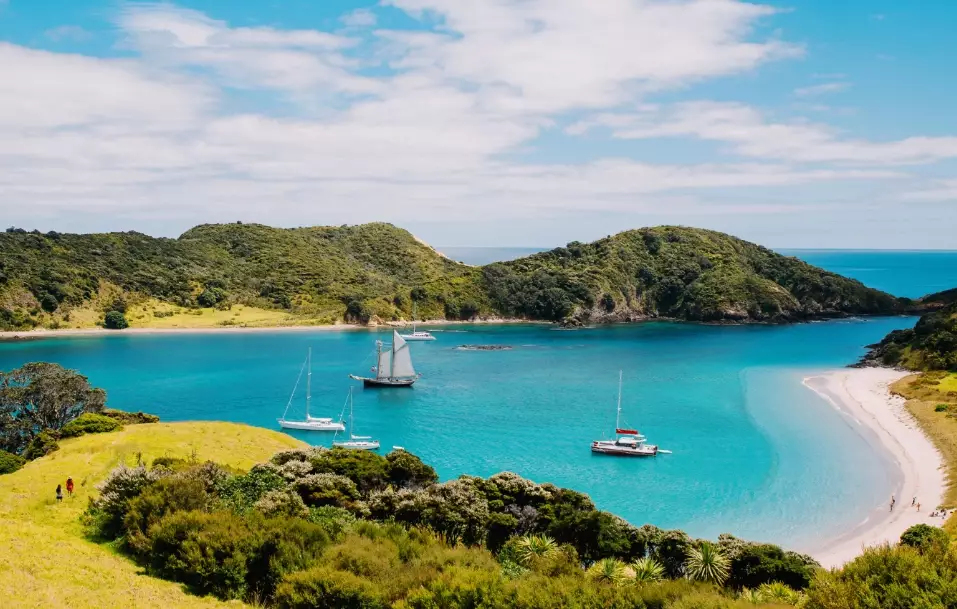
The Seasonal Breakdown: Pros, Cons, and Real Talk
Here’s a snapshot of what each season offers. I've thrown in my personal take after traveling during three of them.
Summer (Dec - Feb)
The Classic Choice. Long, sunny days, vibrant landscapes, and everything is open. This is peak season for a reason.
- Weather: Warmest & most stable. North Island beaches are glorious. South Island alpine passes are clear.
- Best For: Hiking (all Great Walks open), beach trips, festivals, road trips with maximum daylight.
- My Take: It's fantastic, but it feels like everyone else had the same idea. Book everything months ahead.
Autumn (Mar - May)
The Photographer's Secret. Crowds thin, prices drop, and the landscapes put on a fiery show. My personal favourite for a balanced trip.
- Weather: Milder days, cooler nights. Less rain in the west. Central Otago's colours are unreal.
- Best For: Wine harvesting (Hawke's Bay, Marlborough), photography, hiking in pleasant temperatures.
- My Take: The sweet spot. Still great weather, but you can actually find a seat at a popular cafe.
Winter (Jun - Aug)
The Adventure Shift. The mountains get snowy, the cities get lively, and the South Island transforms into a winter wonderland.
- Weather: Cold, especially in the south. Snow in alpine areas. North Island is milder but wetter.
- Best For: Skiing & snowboarding, seeing Franz Josef Glacier at its whitest, thermal pools, aurora australis (rare).
- My Take: Don't write it off! The snow scenes are magical. Just pack properly and be flexible with road travel.
Spring (Sep - Nov)
New Beginnings. Lambs in the fields, blossoms on the trees, and a sense of energy. Weather can be a mixed bag, though.
- Weather: Unpredictable. Can be sunny and warm one day, windy and cold the next. "Four seasons in a day" is real here.
- Best For: Seeing newborn wildlife, garden tours (like Christchurch Botanic Gardens), avoiding peak summer rates.
- My Take: A gamble, but rewarding. You get the beauty of rebirth without the summer frenzy. Just pack layers!
See what I mean? Your perfect New Zealand tourism time is hiding in one of those boxes. Maybe it's the quiet certainty of autumn, or the buzzing energy of summer.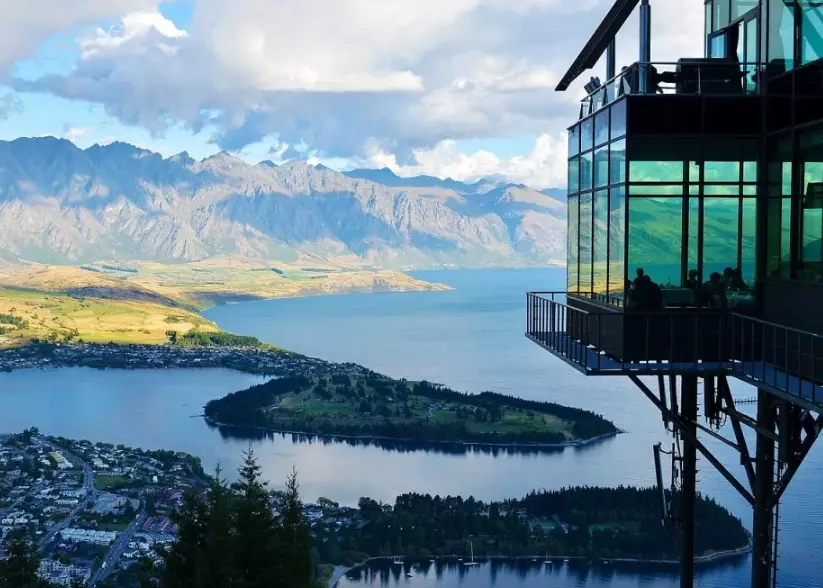
Month-by-Month: The Nitty-Gritty Details
Seasons are helpful, but sometimes you need to zoom in. A trip in early December feels different from late February. Here’s a more detailed look.
| Month | Typical Weather & Notes | What's On & Considerations | Crowd & Cost Level |
|---|---|---|---|
| December | Start of summer. Warming up nicely, but can still have spring-like showers, especially in the South. Days are very long. | Pre-Christmas lull before the Kiwi summer holidays kick in. A good window. School's not quite out. | Medium-High (rising towards end of month) |
| January | Peak summer heat. Hottest month. Generally stable, sunny weather nationwide. Perfect beach weather. | NZ's main holiday period. Everything is busy. Kiwis are on vacation. Book accommodation and activities well in advance. | Very High (Peak) |
| February | Late summer. Still warm, often less humid than January. Sea is at its warmest for swimming. | Still peak season, but domestic travel eases slightly as schools go back late Jan/early Feb. Great for marine activities. | High |
| March | Autumn begins. Days are warm and pleasant, nights start to cool. Often considered one of the best weather months. | Harvest time in wine regions. Crowds drop significantly. A fantastic month for hiking and outdoor pursuits without the summer intensity. | Medium |
| April | True autumn. Crisp mornings, golden afternoons. Foliage peaks in Central Otago and other inland areas. | Easter can cause a mini-peak. Otherwise, very tranquil. A photographer's dream. Some seasonal attractions start closing after Easter. | Low-Medium |
| May | Late autumn/early winter. Weather becomes more changeable. First snows dust the Southern Alps. | The shoulder season. Quiet and affordable. A good time for cultural visits (museums, galleries) and enjoying thermal hot pools as the air chills. | Low |
| June | Winter arrives. Cold, short days. Snow settles in ski fields and alpine areas. Rain is frequent on the West Coast. | Ski season begins. Queenstown and Wanaka become hubs for snow sports enthusiasts. Non-ski areas are very quiet. | Medium (in ski areas), Low (elsewhere) |
| July | Deep winter. Coldest month. Excellent ski conditions. Can be stunningly clear and sunny in alpine regions. | Peak of the ski season. School holidays in mid-July bring domestic crowds to ski fields. Matariki (Māori New Year) celebrations. | High (in ski areas), Very Low (elsewhere) |
| August | Late winter. Days begin to lengthen slightly. Skiing is still good, especially at higher elevations. | Ski season continues. The tail end of winter can offer some great travel deals before spring arrives. | Medium (in ski areas), Low (elsewhere) |
| September | Spring is here, but it's timid. Unpredictable mix of cold snaps, rain, and glorious sunny days. Windy. | Lambs are everywhere! Blossoms start to appear. A messy but beautiful time of year. Great for wildlife spotting. | Low (but rising) |
| October | Spring in full swing. Warmer temperatures, but still prone to "four seasons in a day" weather. | Gardens are spectacular. Good time for visiting before the summer rush. Daylight Savings begins, giving more evening light. | Medium |
| November | Late spring. Generally pleasant and warming up. Can be wet in some regions as weather patterns shift. | Everything feels fresh and green. The pre-summer calm. A lovely time for road trips as landscapes are lush and waterfalls are full. | Medium-High |
That table should give you a concrete sense of what each month holds. November and March often stand out as Goldilocks periods for many travelers – not too hot, not too cold, not too crowded.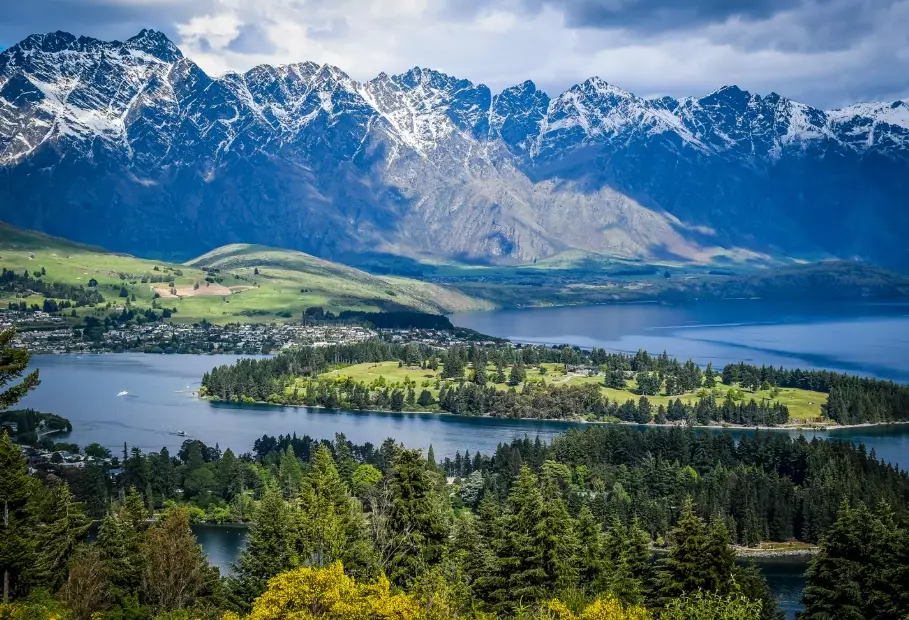
The Big Split: North Island vs South Island Timing
Here's a crucial point most broad guides miss: New Zealand isn't one climate. The North Island and South Island can feel like different countries in the same season. Your tourism time in New Zealand needs this regional lens.
North Island Focus
Generally milder, more humid, and less extreme than the south. Winters are cool and damp rather than freezing. Summers can be hot and humid, especially in the north (Auckland, Bay of Islands).
Best Months for North Island: Late October to April is reliably good for beach and outdoor activities. But honestly, you can visit the North Island year-round with appropriate clothing. The geothermal areas (Rotorua, Taupō) are actually fantastic in winter – steamy hot pools in cold air are magical.
My take? The North Island is more flexible seasonally. The worst you'll get is rain, not road-closing snow.
South Island Focus
More dramatic, continental climate. Colder winters with proper snow, hotter (but less humid) summers in the interior, and famously unpredictable weather on the West Coast.
Best Months for South Island: For hiking, lakes, and general sightseeing, December to March is prime. For skiing and winter landscapes, July to September. The shoulder seasons (Apr-May, Oct-Nov) are stunning but require more preparation for changeable conditions, especially on hikes like the Routeburn or Milford Sound visits.
The South Island demands more respect for the season. A winter trip requires planning for potential road closures (check NZTA Journeys for real-time info).
So, are you a beach-and-forest person or a mountain-and-fjord person? That answer heavily influences your ideal New Zealand travel time.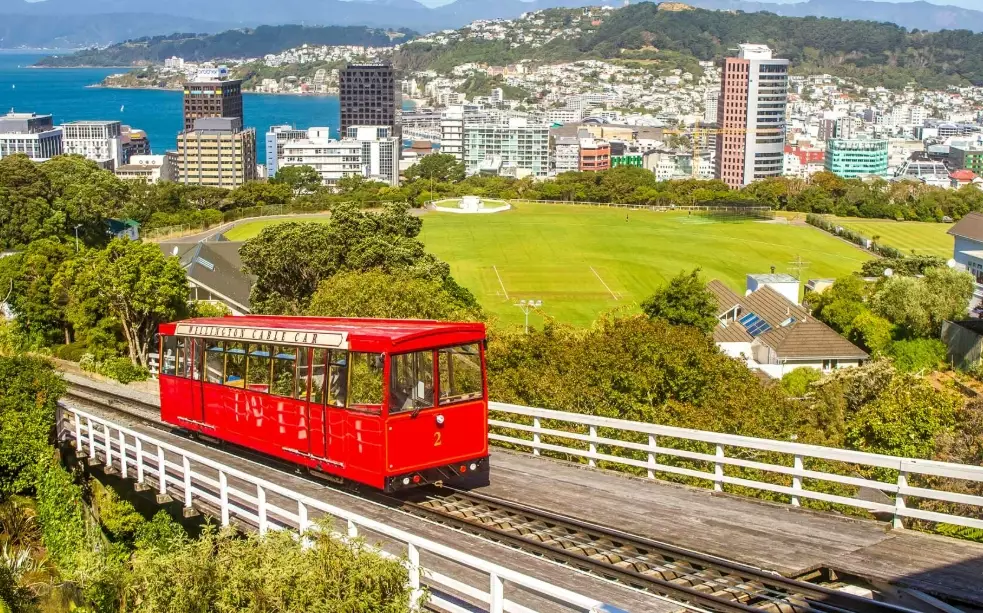
What About Crowds and Costs? The Practical Side
Let's talk money and people. The best New Zealand tourism time for your wallet is rarely the same as the postcard-perfect weather time.
Peak Season (Dec-Feb, Jul in ski areas):
- Pros: All activities operating, best weather (summer), best ski conditions (winter), vibrant atmosphere.
- Cons: Highest prices for flights & accommodation, booked-out rentals, crowded hotspots, need to book everything months ahead.
Shoulder Seasons (Mar-May, Sep-Nov):
- Pros: Lower prices, fewer crowds, easier bookings, often pleasant weather, unique seasonal sights (autumn leaves, spring blossoms).
- Cons: Some tourist services/transport may have reduced schedules, weather is less predictable, some high-altitude hikes may be closed or require extra caution.
Low Season (Jun-Aug, excluding ski areas):
- Pros: Lowest prices, no crowds, a truly local experience, dramatic winter landscapes.
- Cons: Short daylight hours, some attractions/tours are closed, cold/wet weather, some roads may be challenging or closed.
For a first-time visitor who wants to "see it all," I often suggest the shoulder seasons. You get 80% of the good weather for 60% of the cost and hassle. But if your heart is set on multi-day hiking or skiing, you're season-locked.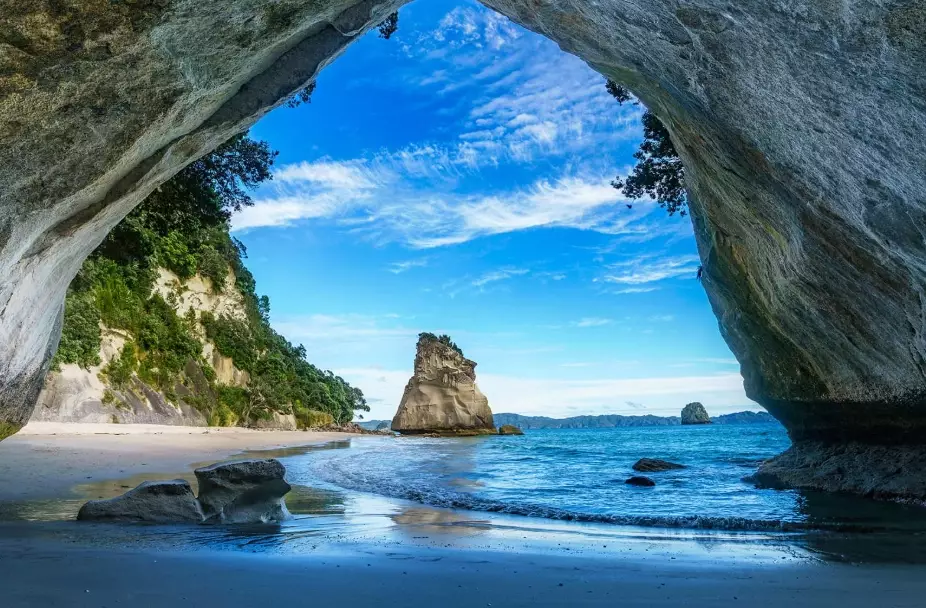
Answering Your Big Questions
After reading countless forums and trip reports, here are the questions that pop up again and again when people plan their New Zealand tourism time.
Pulling It All Together: Sample Seasonal Itinerary Ideas
A Summer Adventure (2-3 weeks, December/January)
Focus on the South Island's highlights when they're most accessible. Christchurch > Arthur's Pass > Glacier Country (Franz Josef/Fox) > Wanaka > Queenstown > Milford Sound > Mount Cook > Tekapo > Christchurch. Hike every day, book ferries and popular hikes (like Roy's Peak) well in advance. Embrace the energy.
An Autumn Escape (2-3 weeks, March/April)
A relaxed pace combining both islands. Start in Auckland, explore Northland, Coromandel, Rotorua. Ferry to South Island, hit Marlborough for wine, then down the east coast to Dunedin and Central Otago for the autumn colours, before finishing in Queenstown. Perfect for food, wine, and photography.
A Winter Journey (2 weeks, July/August)
Base yourself in Queenstown or Wanaka for a ski/snowboard holiday, with day trips to Coronet Peak, The Remarkables, Cardrona. Alternatively, do a South Island scenic loop focusing on winter landscapes: Christchurch > Arthur's Pass (stunning with snow) > Hokitika > Glacier viewing (heli-hike if weather allows) > Wanaka > Queenstown. Hot pools are your best friend.
A Spring Discovery (2-3 weeks, October/November)
North Island focused, with a dash of south. Auckland > Bay of Islands > Coromandel > Hobbiton > Waitomo > Tongariro National Park (if the crossing is open) > Wellington. Then ferry to Picton and explore the Marlborough Sounds and Nelson/Tasman region, known for its sunny spring weather and beautiful coastlines.
Final Thoughts: Trust Your Own Travel Style
Look, after all these details, my final piece of advice is this: know yourself.
Are you a meticulous planner who needs perfect weather? Aim for the stable months. Are you a flexible traveller who loves a deal and doesn't mind a bit of rain? The shoulders or even winter could be your paradise.
One non-negotiable tip: No matter when you choose as your New Zealand tourism time, book your rental car and key accommodation early. This country has limited inventory, especially in premium locations, and it sells out fast in any decent season. I learned that the hard way.
New Zealand is breathtaking year-round. There's no such thing as a "wrong" time, only a time that's less right for your specific dream list. Use the official Tourism New Zealand website to check specific event dates and seasonal highlights for the year you plan to travel.
So, when is the best time to visit New Zealand? You tell me. What does your ideal trip look like?
Hopefully, now you have the tools to answer that for yourself.


Comments
Join the discussion