- First Things First: The North vs South Island Dilemma
- Timing is Everything: When Should You Actually Go?
- Beyond the Brochure: What to Actually Do & See
- The Nitty-Gritty: Planning Your New Zealand Tourism Adventure
- Common Questions (The Stuff You're Actually Searching For)
- Final Thoughts: Making It Your Own
Let's be real. Planning a trip to New Zealand can feel overwhelming. You've seen the pictures – those insane mountains, the crazy blue lakes, the hobbit holes (yes, those are real). But between figuring out which island to focus on, how much it'll cost, what season is best, and how to not just follow the tourist buses, it's easy to get stuck. I've been there. I've also spent months traveling there, made some mistakes (who knew sandflies were that brutal?), and had some of the best experiences of my life.
This guide isn't just another list of places. It's the manual I wish I'd had. We're going to talk practical stuff: budgets, timing, hidden spots, and how to actually experience the place, not just tick boxes. Consider this your one-stop shop for New Zealand tourism planning.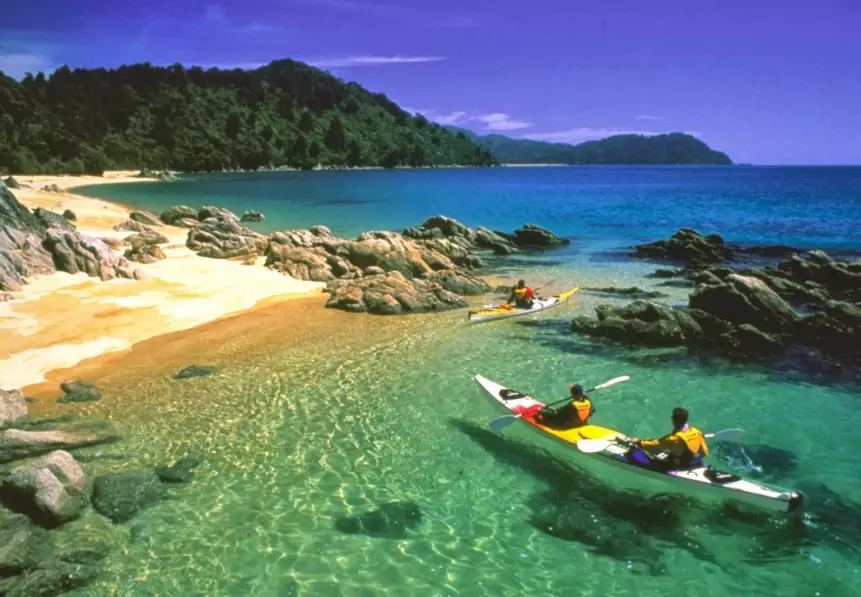
First Things First: The North vs South Island Dilemma
This is the biggest question for most people. Do you go north, south, or try to cram both into two weeks (spoiler: don't try that). They're wildly different.
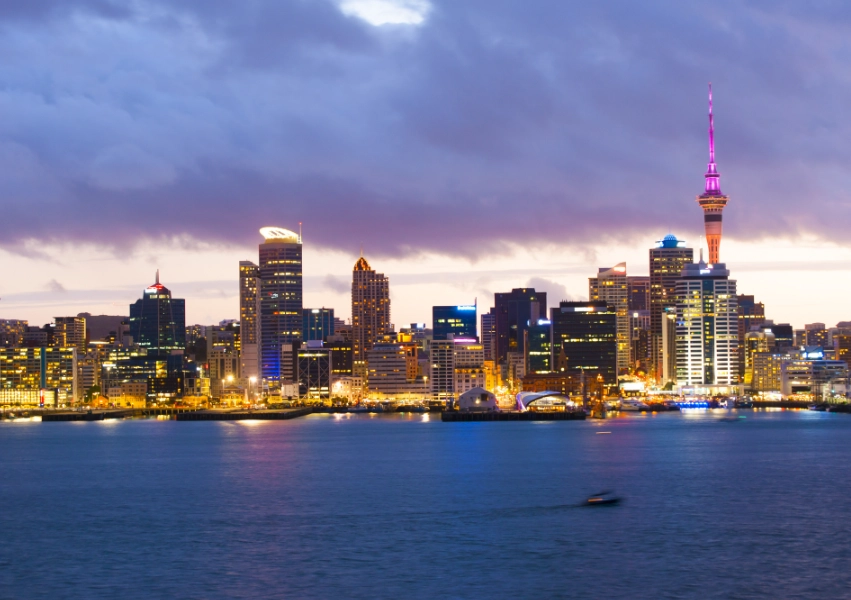
The North Island is where you'll find most of the people. It's got a warmer climate (generally), volcanic landscapes that feel otherworldly, and rich Maori culture. Auckland is the big, bustling gateway. Wellington is the cool, windy capital with an insane coffee scene. Then you've got the geothermal wonders of Rotorua (it smells like sulphur, you get used to it), the Waitomo glowworm caves, and the Bay of Islands for history and sailing.
But the South Island? That's where the postcards come from.
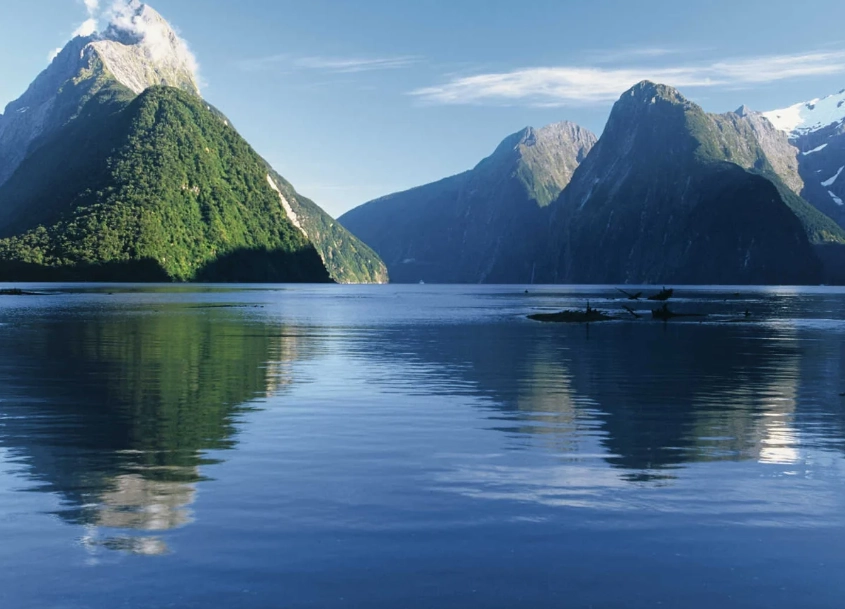
The South Island is all about the dramatic scenery. The Southern Alps run down its spine like a rocky backbone. You've got fjords (Milford Sound is the famous one, but Doubtful Sound is quieter and just as stunning), giant glaciers (though they're retreating, sadly), lakes so blue they don't look real, and vast, empty landscapes. It feels more remote, more rugged. Queenstown is the adventure capital, but places like Wanaka and the West Coast have a slower, more local vibe.
So, how do you choose? Honestly, it depends on what you're after.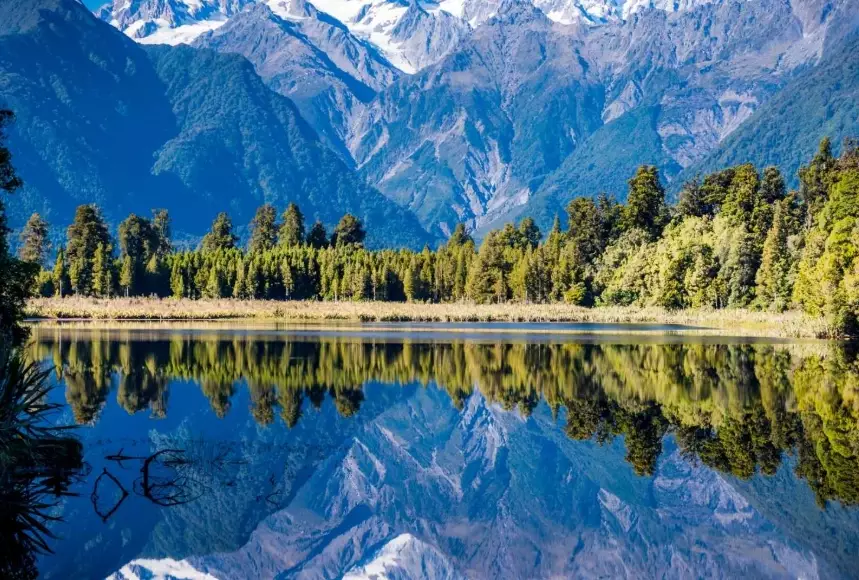
A Quick Comparison to Clear Your Head
| Feature | North Island Vibe | South Island Vibe |
|---|---|---|
| Landscape | Volcanic, rolling hills, beaches, geothermal zones | Alpine mountains, fjords, glaciers, massive lakes |
| Climate | Generally warmer & milder | Cooler, more changeable, distinct seasons |
| Top Urban Hub | Auckland (cosmopolitan, diverse) | Christchurch (recovering, creative) & Queenstown (adventure base) |
| Cultural Heart | Rotorua (Maori experiences), Wellington (Te Papa Museum) | Strong Maori history in Kaikōura & Southland, but more scenery-focused |
| Signature Experience | Hobbiton, geothermal parks, Bay of Islands sailing | Milford Sound cruise, Franz Josef Glacier hike, Tekapo stargazing |
| Best For | Shorter trips, families, foodies, cultural immersion | Road trips, hiking/trekking, photography, solitude |
Timing is Everything: When Should You Actually Go?
“Best time to visit New Zealand” is a hot search for a reason. There's no single perfect answer, but there's definitely a *right* time for *your* trip.
Summer (Dec-Feb) is peak season. The weather is fantastic, days are long (sunset past 9 pm!), and everything is open. It's also crowded, expensive, and you need to book accommodation and popular tours *months* in advance. Great for hiking, beaches, and festivals.
Autumn (Mar-May) is my personal favourite. The crowds thin out, the weather is still pleasant, and the landscapes in places like Central Otago (South Island) turn incredible shades of gold and red. It's a photographer's dream. The sea is still warm enough for swimming in the north.
Winter (Jun-Aug) means skiing and snowboarding in the South Island and central North Island. Queenstown and Wanaka come alive in a different way. It's the best time for seeing the Southern Alps covered in snow – they look absolutely majestic. Just be prepared for shorter days, colder temps, and some alpine roads being closed (like the road to Milford Sound can be tricky).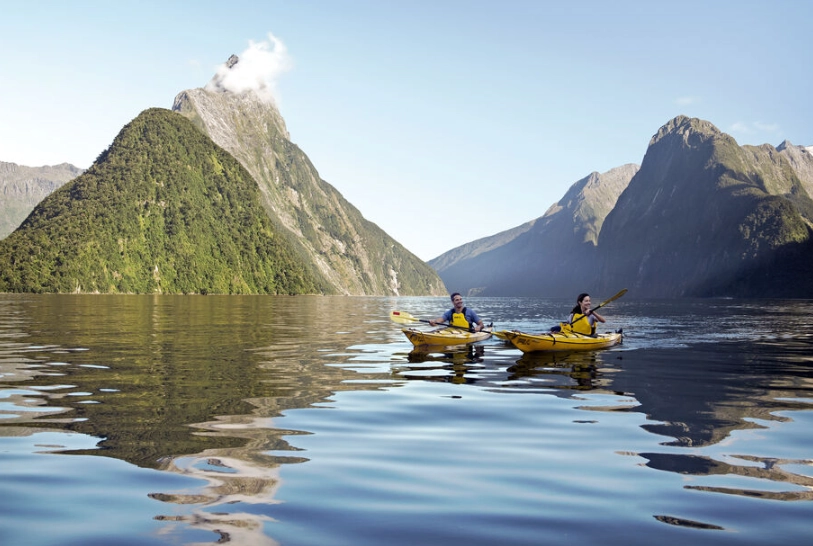
Spring (Sep-Nov) is lambing season, so you'll see cute baby animals everywhere. It's unpredictable – you can get four seasons in one day – but it's fresh, green, and full of blooming flowers. A great time for road trips before the summer rush.
So, what's the verdict? For hiking and guaranteed good weather, bite the bullet and go in summer. For a balance of good weather, fewer people, and stunning scenery, aim for late February to April. For snow sports and dramatic alpine views, winter is a must. For something a bit wild and less predictable but rewarding, spring is lovely.
Beyond the Brochure: What to Actually Do & See
Okay, let's get into the meat of it. What does New Zealand tourism actually look like on the ground? It's more than just a checklist.
For the Active Souls (The Adventures)
New Zealand invented commercial bungy jumping. That tells you something. Queenstown is the epicentre, but adventures are everywhere.
- Tramping (that's hiking to the rest of us): You can't talk about New Zealand without mentioning the Great Walks. The Department of Conservation (DOC) manages these 10 premier multi-day trails. The Milford Track is the famous one (bookings open months in advance and sell out in minutes – seriously). But others like the Routeburn, Kepler, or Tongariro Northern Circuit (a volcanic landscape on the North Island that looks like Mars) are equally incredible. Don't have days? There are thousands of day walks.
- On the Water: Kayaking in Abel Tasman National Park (golden beaches), swimming with dolphins in Kaikōura (check operators' eco-credentials), or taking a black-water rafting trip in Waitomo (floating through glowworm caves).
- On Two Wheels: The Otago Central Rail Trail is a legendary 150km cycle trail through historic gold-mining country. Easy grade, great pubs along the way.
For the Scenery Seekers (The Photographers)
Sometimes you just want to look. And boy, does New Zealand deliver.
Must-See Views (that are worth the hype):
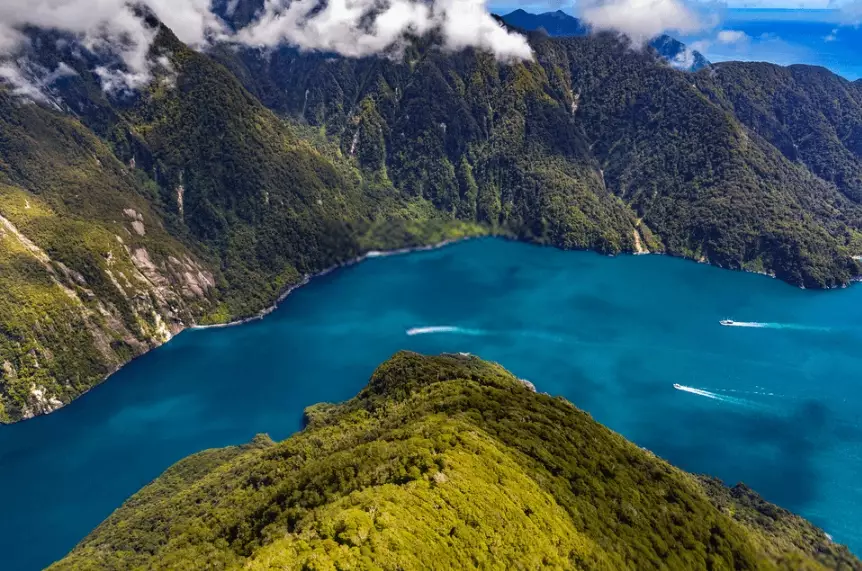
- Milford Sound / Piopiotahi: Yes, it's touristy. Yes, you should go. Take an overnight cruise if you can – the day-trippers leave, and the silence and scale of the place hits you. The drive in is part of the experience.
- Lake Tekapo & Lake Pukaki: That milky-turquoise colour is from glacial flour – fine rock sediment. Against the backdrop of the Southern Alps, it's surreal. At night, the area is part of a Dark Sky Reserve. The stargazing is mind-blowing.
- Tongariro Alpine Crossing: Often called the best day hike in New Zealand. It's a tough 19.4km trek across an active volcanic plateau, past emerald lakes and lunar landscapes. Not for the faint-hearted, but unforgettable.
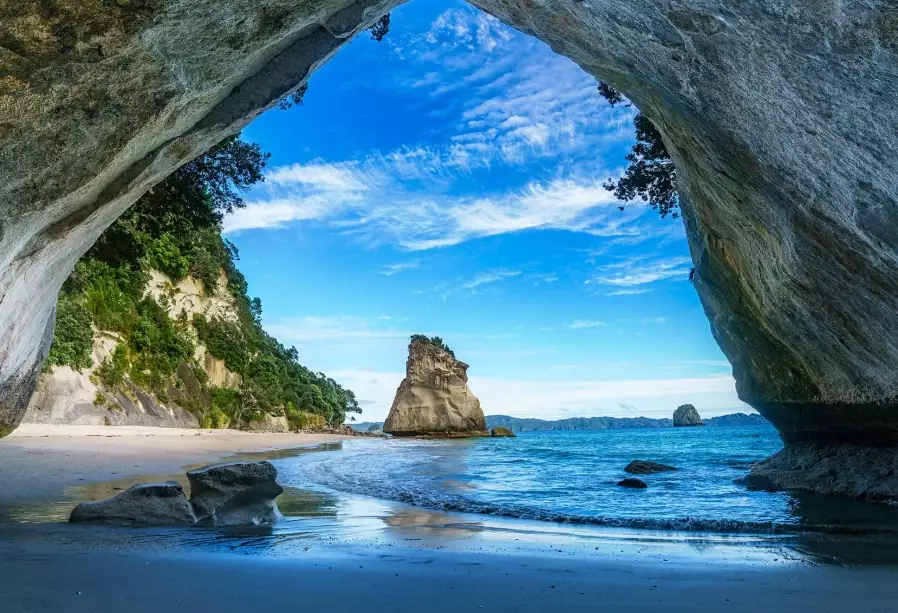
- Cathedral Cove, Coromandel: That iconic archway on the beach. It's a beautiful walk to get there, and the beach itself is gorgeous. Go early or late to avoid the crowds.
For the Culture & Food Curious
New Zealand isn't just scenery.
A Māori cultural experience is essential for understanding the heart of the country. In Rotorua, places like Te Puia or the Tamaki Māori Village offer performances (haka), traditional hangi feats (food cooked in the ground), and insights into history and carving. It feels commercial, but the cultural sharing is genuine and powerful.
The food scene has exploded. Wellington has more restaurants and cafes per capita than New York City. You have to try:
- Fresh seafood: Bluff oysters (in season, May-Aug), green-lipped mussels, crayfish (especially in Kaikōura).
- Farm-to-table: Hawke's Bay (North Island) is wine and food country. Farmers' markets everywhere are fantastic.
- Classic Kiwi: A meat pie from a good bakery (ask a local for their favourite), fish and chips on the beach, and of course, Pavlova for dessert (though Australians might argue!).
The Nitty-Gritty: Planning Your New Zealand Tourism Adventure
This is where dreams meet reality. Let's talk logistics.
Getting Around: To Campervan or Not to Campervan?
The classic image of New Zealand tourism is a campervan by a lake. It's a fantastic way to travel, offering freedom and flexibility. But it's not for everyone.
Pros: Ultimate freedom, can stay in beautiful DOC campsites, save on accommodation, cook your own meals.
Cons: Can be expensive to hire (especially in peak season), requires confident driving (they're big), you need to plan where to stay each night (freedom camping has strict rules – you can't just park anywhere), and in bad weather, it can feel cramped.
For me, renting a car and staying in a mix of motels, B&Bs, and the occasional hostel was perfect. It was easier to drive, and I appreciated a proper bed and shower after a long day hiking. The AA New Zealand website has excellent driving tips for visitors.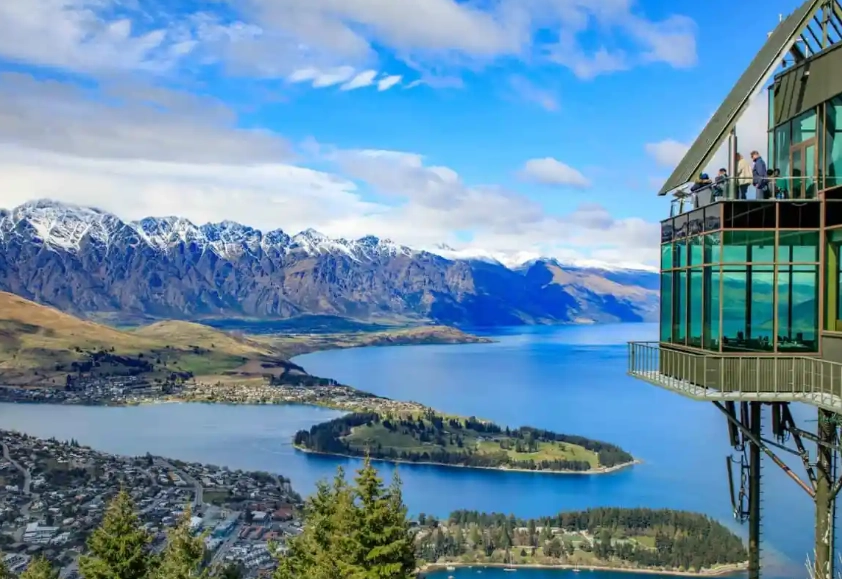
Whatever you choose, book it early. Seriously.
Money Talk: What Does a Trip Really Cost?
New Zealand is not a budget destination. It's a developed country with a high cost of living, especially for imported goods. But you can tailor it to your budget.
Budget (Backpacker): $80-120 NZD per day. Dorm rooms, cooking most meals, using buses (like InterCity), focusing on free hikes and nature.
Mid-Range (Comfortable): $150-250 NZD per day. Private rooms in motels/B&Bs, eating out about half the time, renting a car, doing some paid activities.
Luxury: $300+ NZD per day. Boutique lodges, fine dining, helicopter flights, guided tours.
Big costs are accommodation and transport. Activities like bungy jumps, scenic flights, or guided walks can be $200+ each. Food and petrol are also pricey. My advice? Prioritize. Pick one or two big-ticket activities you really want and build the rest of your trip around free and low-cost experiences, which are often the best parts anyway.
Where to Sleep: Accommodation Types
- DOC Campsites & Huts: For the outdoorsy. Basic to serviced sites. Huts on Great Walks need booking; basic backcountry huts are first-come-first-served. The DOC website is your bible.
- Holiday Parks & Motor Camps: A Kiwi institution. Offer powered sites for campervans, plus cabins and motel units. Often have kitchens and bathrooms. Great value and social.
- Motels: Everywhere. Usually clean, functional, with a kitchenette. Perfect for road trippers.
- B&Bs and Farmstays: For a local experience. Often hosted by wonderful characters who give the best advice.
- Luxury Lodges: Scattered in stunning locations. An experience in themselves.
Common Questions (The Stuff You're Actually Searching For)
Let's tackle some specific queries that pop up when planning New Zealand tourism.
Final Thoughts: Making It Your Own
The magic of New Zealand tourism isn't in following an itinerary to the letter. It's in the unexpected moments. It's the conversation with a farmer at a roadside stall, the kea (alpine parrot) trying to steal your sandwich, the feeling of complete silence on a remote beach, or that perfect flat white in a small-town cafe.
Plan enough to be safe and secure your major bookings, but leave room for spontaneity. Talk to locals – they'll tell you about the hidden waterfall, the best short walk, or the pub with live music that night.
Do your research, pack for all weathers (layers are key!), drive safely on the left, and embrace the “she'll be right” attitude. You're in for an absolute treat. This country has a way of getting under your skin. You'll start planning your return trip before you've even left.
Got more questions? Drop them in the comments below – I'm happy to help based on my own messy, wonderful experiences traveling this incredible country.

Comments
Join the discussion