Quick Navigation
Let's be honest. When you type "Cook Islands tourism" into Google, you're probably bombarded with a million photos of perfect lagoons and smiling people in flower crowns. It looks amazing, sure, but it also looks...generic. Another tropical paradise. So what's the real story? Is it worth the long flight? What do you actually do there besides lie on a beach?
I wondered the same thing. I went, I saw, and I came back with opinions—some glowing, some brutally honest. This isn't a fluffy brochure. It's the guide I wish I had before I booked my ticket, packed with the practical stuff the pretty pictures often leave out. We're talking budgets, cultural faux pas to avoid, which islands are worth the extra hop, and whether that overwater bungalow is a dream or a rip-off.
Think of this as your one-stop shop for Cook Islands travel intel.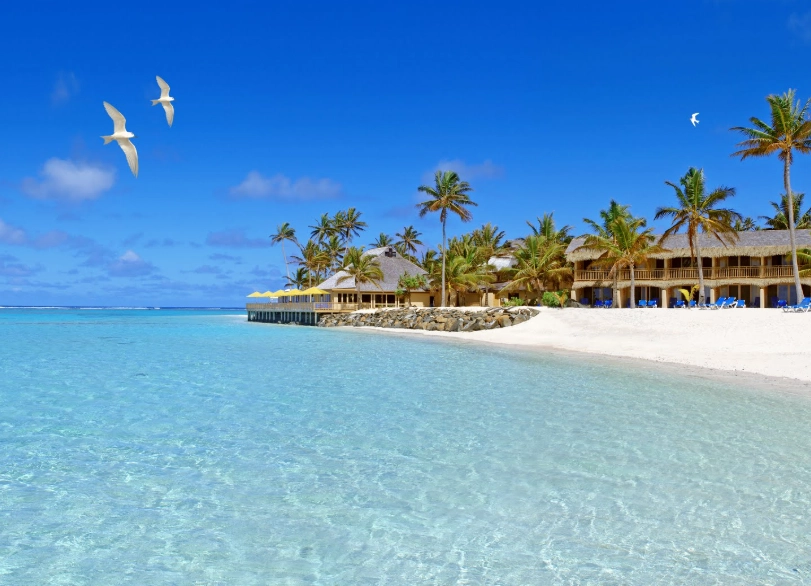
First Things First: The Lay of the Land (and Sea)
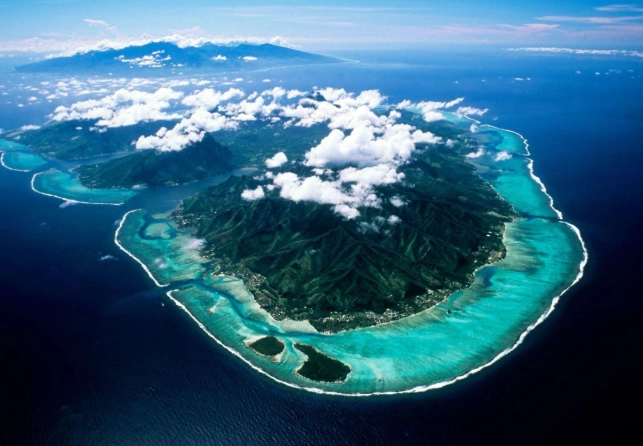
Fifteen islands scattered over a vast blue swath of the Pacific. That's the Cooks. But almost all visitors focus on two: Rarotonga and Aitutaki. This is crucial to understand for planning your trip.
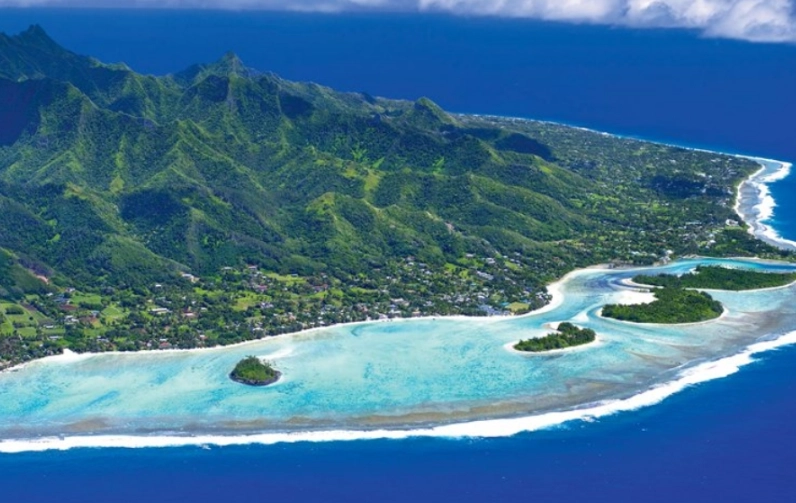
Rarotonga is the main island. It's where you'll fly into (at Rarotonga International Airport, RAR). It's lush, mountainous in the center, and ringed by a reef that creates calm lagoons. It has the capital, Avarua, most of the population, the supermarkets, the car rentals, and a decent range of restaurants and accommodations. It's the logistical hub.
Aitutaki is the showstopper. A 45-minute flight north of Raro, it's famous for arguably one of the most beautiful lagoons on the planet. It's smaller, flatter, and even more relaxed. If Rarotonga feels like a peaceful island, Aitutaki feels like a postcard that came to life. Most people do a split trip—a few days on each.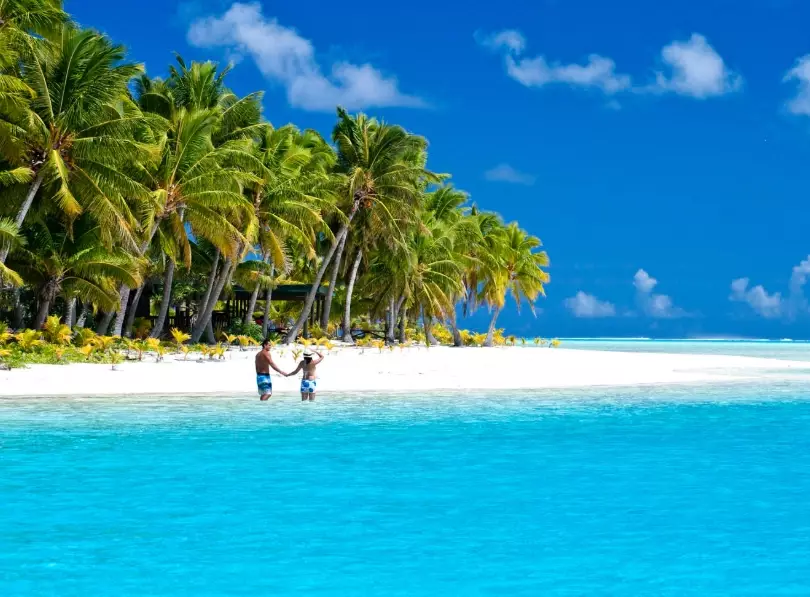
The other islands (like Atiu, Mangaia, or the Northern Group) are for the truly intrepid. They offer incredible cultural immersion and untouched nature, but services are basic. For a first-time visitor, sticking to Raro and Aitutaki is the perfect recipe.
Getting There and Getting Sorted
Flights are almost exclusively via Auckland, New Zealand (Air New Zealand) or Sydney/Melbourne, Australia (Jetstar, Virgin Australia). There's no way around this long haul. From the US West Coast, you're looking at a 12+ hour journey minimum. It's a commitment.
Now, the good news. Entry is simple for most passport holders. You get a 31-day visitor visa on arrival if you have an onward ticket and proof of funds. The official source for the most current entry requirements is always the Cook Islands Ministry of Foreign Affairs and Immigration. Don't rely on third-party blogs for this info—things can change.
Diving Deep: Rarotonga vs. Aitutaki
Let's break down the two stars of Cook Islands tourism. This table should help you decide how to split your time.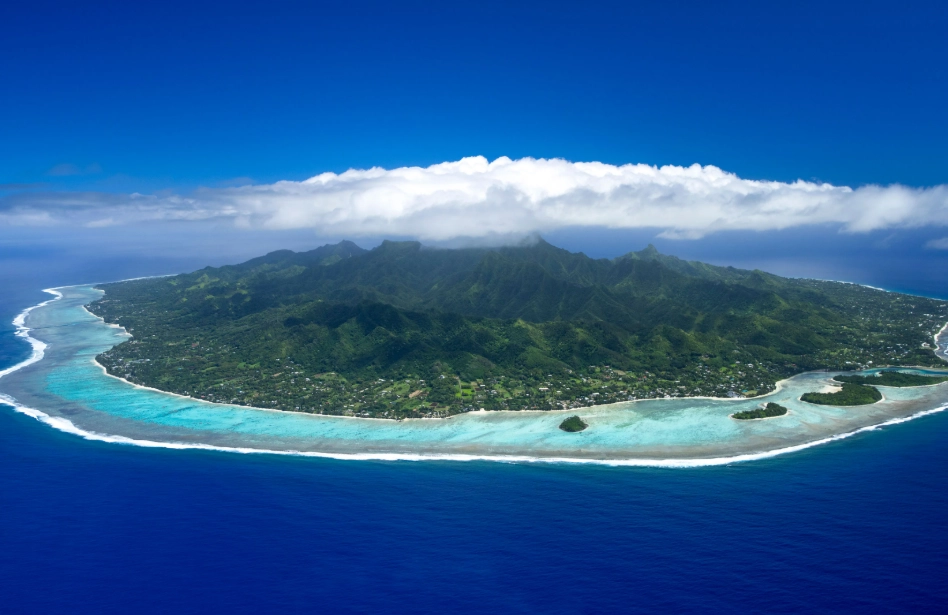
| Feature | Rarotonga | Aitutaki |
|---|---|---|
| Vibe | Lively (by Cook Islands standards), functional, mountainous & green. The "mainland." | Sleepy, pristine, flat & lagoon-focused. Pure escapism. |
| Top Draw | Cross-island hikes, cultural shows (like the Highland Paradise Cultural Centre), Muri Beach, food scene. | The Aitutaki Lagoon. Full stop. Lagoon cruises, One Foot Island, snorkeling over giant clams. |
| Getting Around | Easy. Car/scooter rentals readily available. A 32km coastal road circles the entire island. | Limited. Scooters are the main mode. Fewer rental options, book ahead in peak season. |
| Dining & Supplies | Wide variety: cafes, fine dining, supermarkets, Saturday market in Avarua. | Limited choices, mostly at resorts/villages. A few fantastic local eateries. Stock up on Raro. |
| Best For | Adventure, culture, hiking, self-catering, longer stays, nightlife (what little there is). | Romance, ultimate relaxation, lagoon activities, photography, disconnecting completely. |
| My Personal Take | Don't just stay in Muri. Explore the west coast beaches—they're often quieter. The Cross-Island Track is a must-do for anyone with decent fitness. | The lagoon cruise is non-negotiable. It's the single best tourist activity in all the Cook Islands. Yes, it's pricey. Yes, it's worth it. |
So, how many days? If you have a week, I'd suggest 4 nights Rarotonga, 3 nights Aitutaki. It gives you time to adjust, explore Raro properly, and then sink into Aitutaki's slower rhythm without feeling rushed.
What To Actually DO: Beyond the Beach Towel
Okay, you're there. You've checked into your accommodation. Now what? Cook Islands tourism isn't just about passive lounging (though you can certainly do that brilliantly). Here’s a categorized list of experiences that deliver.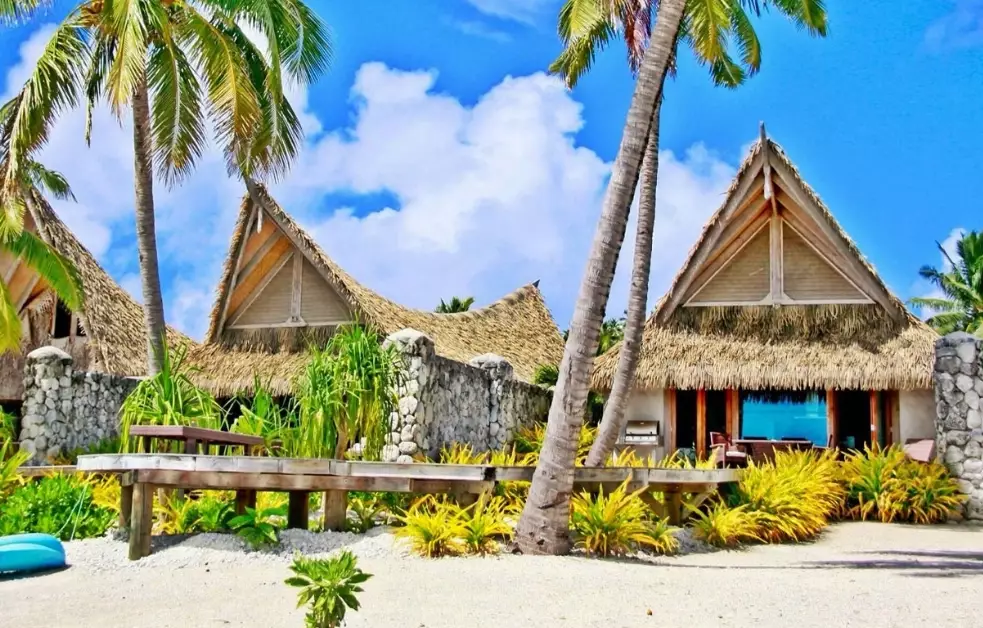
On Rarotonga
The Cross-Island Track (Te Ara Roa). This is a proper 3-4 hour hike from north to south (or vice-versa). It's muddy, steep in parts, and you'll be scrambling over roots. But emerging at the Needle (Te Rua Manga) and then descending to Wigmore's Falls is incredibly rewarding. Hire a guide if you're not confident—getting lost is possible. Wear proper shoes, not flip-flops.
Lagoon Tours & Snorkeling. Muri Lagoon is the hotspot. You can hire a kayak or paddleboard and explore the four small motu (islets) yourself. Or join a guided tour that includes snorkeling, a lunch barbecue on a motu, and maybe even some coconut husking demonstrations. The snorkeling inside the lagoon is gentle and great for beginners; the outer reef is for stronger swimmers and more experienced snorkelers.
Cultural Nights. Look, some of these can feel a bit touristy. But I went to the Highland Paradise Cultural Centre's night show and was genuinely impressed. The story of the Cook Islands' history is told through dance and fire, the food (the umu earth oven feast) was delicious, and the views at sunset are insane. It feels more authentic than some resort-based shows.
On Aitutaki
The Lagoon Cruise. I'm mentioning it again because it's that important. Operators like Vaka Cruise or Bishop's Lagoon Cruises take you on a full-day trip across the breathtaking lagoon. You'll snorkel in crystal-clear spots, see giant trevally and clams, have a huge lunch on a motu, and visit the famous One Foot Island, where you can get a novelty stamp in your passport. It's the pinnacle of a Cook Islands vacation.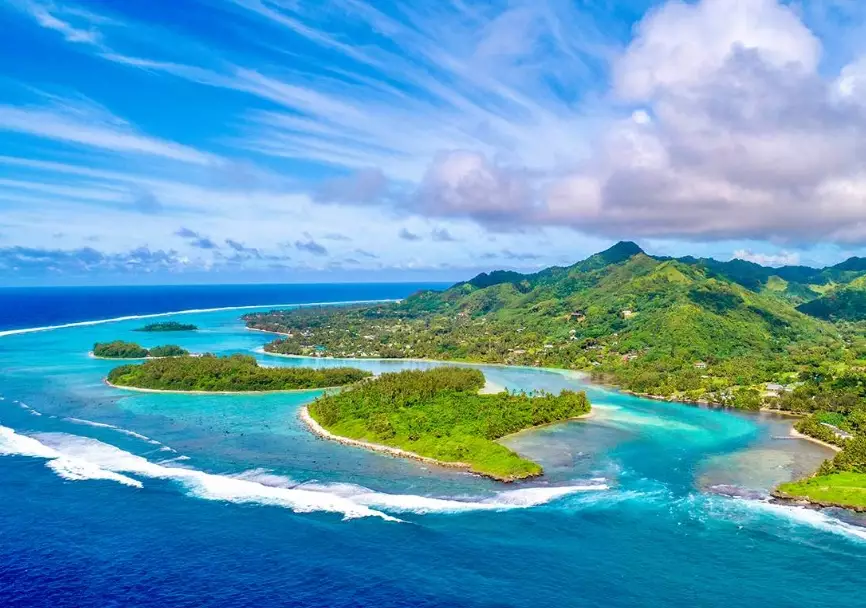
Just... being. Rent a scooter and putter around the island's single main road. Stop at the old church. Find a deserted stretch of beach. Watch the herons at sunset. The magic of Aitutaki is in its overwhelming serenity. You're forced to slow down.
Fishing. The lagoon and the outer reef are legendary fishing grounds. Whether you're a novice trying your hand at lagoon line fishing or an expert chasing marlin on the deep sea, it's a core part of local life. Charter a boat with a local captain—they know the spots.
The Nitty-Gritty: Culture, Costs, and Common Questions
This is where most guides stop being useful. Let's get practical.
Respect & Culture (Don't Be *That* Tourist)
Cook Islanders are wonderfully welcoming, but they appreciate respect. Sunday is sacred. Almost everything is closed. It's a day for church and family. Don't expect to go shopping, take a tour, or play loud music on the beach. It's a great day for a quiet walk, reading, or respecting the local tradition. If you're invited to a church service, go! The harmonies are breathtaking.
Dress modestly when not on the beach or at your resort. Cover shoulders and knees when visiting villages or town. It's just polite.
Always ask before taking photos of people. This should be a global rule, but it's especially important here.
The Budget Reality Check
Let's not sugarcoat it. The Cook Islands are expensive. Most goods are imported. Here's a rough breakdown for a mid-range traveler (per person, excluding international flights):
- Accommodation: $150-$300 NZD per night for a decent villa or hotel room. Overwater bungalows? Multiply that by 3 or 4.
- Food & Drink: $80-$150 NZD per day. Eating at a resort restaurant will be at the top end. Self-catering for some meals helps a lot. A main course at a casual restaurant is often $35-$50 NZD.
- Activities: A lagoon cruise is ~$150 NZD. Car rental is ~$70 NZD/day. Scooters are ~$40 NZD/day. Tours range from $80-$200 NZD.
- Inter-island flight (Rarotonga-Aitutaki): ~$300-$400 NZD return. It's a significant add-on.
You can do it cheaper (backpacker lodges, lots of self-catering) or astronomically more expensive (luxury resorts, private charters). But for a comfortable, do-everything trip, budget accordingly.
Answers to Questions You're Probably Googling
Pulling It All Together: Your Cook Islands Tourism Blueprint
Planning a trip can feel overwhelming. Here's a simple, actionable checklist to get you from dream to reality.
- Book Flights Early: Especially during peak seasons. Be mindful of connection times in Auckland or Sydney.
- Decide Your Island Split: Rarotonga only? Raro + Aitutaki? Base your itinerary length on this.
- Secure Accommodation: Good places book out months in advance, particularly in Aitutaki where options are limited.
- Book Key Activities: That Aitutaki lagoon cruise and your inter-island flights. Don't leave these until you arrive.
- Arrange Rarotonga Transport: Book a rental car for your entire Raro stay. A scooter for Aitutaki.
- Get Travel Insurance: This is non-negotiable for a remote destination. Medical evacuation is incredibly expensive.
- Pack Smart: Refer to the list above. Pack light, breathable clothes and leave the formal wear at home.
- Manage Expectations: Embrace "island time." Things move slower. Wi-Fi can be patchy (especially on Aitutaki). This is part of the charm.
The essence of Cook Islands tourism isn't in ticking off a list of attractions. It's in the feeling of warm sand between your toes as you wade into water the color of a gemstone. It's in the sound of ukuleles and harmony drifting from a church on a Sunday morning. It's in the taste of fresh tuna caught that day. It's about swapping the rush of everyday life for the rhythm of the tides.
It's a special place. A bit awkward to get to, not the cheapest, but it has managed to hold onto its soul in a way many destinations haven't. Go with respect, a sense of adventure, and a willingness to disconnect. You'll bring back more than just photos.


Comments
Join the discussion