In This Guide
Let's be honest. When you think about a career in tourism in Australia, you probably picture leading hikes in the Blue Mountains, chatting with travelers at a Sydney Harbour café, or maybe even helping plan a wedding on a Whitsundays sailboat. And you're not wrong – those jobs exist. But there's a whole lot more to it, and the path isn't always as sunny as the weather.
I've had friends who've done it all – from guiding backpacker tours in Cairns (and loving every minute) to burning out in corporate event management in Melbourne. What I've learned from them is that building a sustainable Australia tourism career is less about luck and more about knowing where to look, what skills you actually need, and how to navigate the quirks of this massive industry.
This guide isn't a fluffy brochure. We're going to dig into the real jobs, the qualifications that matter (and the ones that don't as much), the pay you can expect, and the steps you can take this month to move closer to your goal. Whether you're a student, looking for a career change, or an international hopeful, there's a path here for you.
Why Bother with a Tourism Career in Australia?
Okay, before we list the jobs, let's address the big question. Why would you choose this path? It's not always the highest-paying field at the entry level, and it can be seasonal in some areas. So what's the draw?
For starters, variety. Few industries let you jump from marketing to customer service to logistics to cultural education all under the same umbrella. One day you could be researching Indigenous cultural protocols for a new tour, the next you're analyzing booking data. If you get bored easily, tourism will keep you on your toes.
Then there's the people. You're constantly interacting with people from all over the world, both colleagues and guests. It builds incredible interpersonal skills and a global perspective you just won't get in a standard office job. I remember my friend who worked at a hostel in Byron Bay – her network spanned the globe within a year.
And of course, the lifestyle. Many roles are located in some of the most beautiful parts of the country. This isn't just a perk; it can fundamentally improve your quality of life. Working near the ocean or the bush can be a major part of the compensation package, if you value that.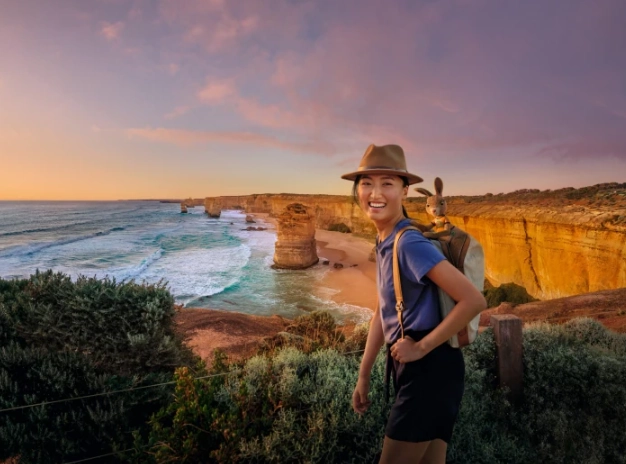
The Real Jobs: Your Australia Tourism Career Options
Forget vague titles. Let's get specific. What are you actually going to be doing? The sector is broadly split into a few areas, and your perfect fit depends on whether you love being outdoors, organizing behind a screen, or creating experiences.
Front-Line & Customer Experience Roles
These are the faces of the industry. If you're a people person, this is your zone.
- Tour Guide: Specialized (eco, adventure, cultural, food/wine) or generalist. Requires deep knowledge, storytelling ability, and often a guiding qualification. The pay varies wildly – a freelance guide running their own boutique tours can do very well, while a large bus tour guide might be on a more modest wage.
- Hotel & Accommodation Staff: Goes way beyond the front desk. Think concierges (the ultimate local experts), guest service agents, housekeeping supervisors, and porters. Progression into management is very clear here.
- Visitor Information Officer: The official gurus in town visitor centres. They know everything about their region and spend their days matching travelers with the perfect experience. Surprisingly competitive to get into, as they're often government or council roles.
Planning, Operations & Behind-the-Scenes
This is the engine room. If you're organized, logistical, and love making things run smoothly.
- Travel Consultant/Advisor: Not just booking flights. It's about crafting complex itineraries for Australia. Requires amazing product knowledge of different regions. The rise of online booking hurt this role, but there's a huge resurgence for complex, luxury, or experiential trips where human advice is invaluable.
- Tour or Activity Operations Manager: The person who makes sure the kayaks are safe, the buses are on time, the guides have their lunches, and the permits are in order. It's a mix of logistics, people management, and safety compliance. Tough job, but crucial.
- Event Coordinator (for Tourism Bodies): Working for a regional tourism organisation or a major venue to run festivals, food and wine events, or cultural celebrations that attract visitors. A great mix of creativity and project management.
The Growing & Specialized Fields
This is where the future of an Australia tourism career is headed.
- Sustainable Tourism Officer: A newer role. Businesses and regions now need experts to help them operate sustainably, obtain eco-certification, manage their environmental impact, and communicate this to conscious travellers. Big growth area.
- Digital Marketing & Content Creator for Tourism: Every hotel, tour company, and destination needs someone to run their Instagram, manage Google Ads, write blog posts, and shoot videos. This is a fantastic way to combine creative skills with a love for travel. You might be creating content one day and analyzing its performance the next.
- Adventure Tourism Guide/Instructor: Think scuba diving instructor on the Great Barrier Reef, mountain bike guide in Tasmania, or canyoning leader in the Blue Mountains. Requires specific technical and safety qualifications, but offers an incredibly active lifestyle.
- Indigenous Tourism Experience Facilitator: One of the most meaningful areas of growth. Involves sharing Indigenous culture, history, and connection to Country with visitors. These roles are deeply respected and require appropriate cultural knowledge and often community endorsement.
| Job Role | Typical Entry Pathway | Key Skills Needed | Avg. Starting Salary Range (AUD) |
|---|---|---|---|
| Tour Guide | Tour Guiding Cert. III/IV, First Aid, Public Liability Insurance | Public speaking, storytelling, customer service, local knowledge | $55,000 - $70,000 |
| Hotel Front Office | Hospitality Cert. III, on-the-job training | Communication, problem-solving, reservation systems (like Opera) | $50,000 - $65,000 |
| Travel Consultant | Diploma of Travel & Tourism, IATA accreditation helpful | Sales, detailed planning, geography, booking system (GDS) skills | $50,000 - $60,000 + commission |
| Tour Operations Coordinator | Diploma in Tourism/Travel, entry-level ops role | Logistics, multitasking, communication, basic budgeting | $60,000 - $75,000 |
| Digital Marketing Assistant (Tourism) | Marketing/Tourism degree, portfolio of content | Social media, content creation, SEO basics, analytics | $60,000 - $75,000 |
Salaries are approximate and vary massively by location (Sydney vs. regional), employer size, and your experience.
How Do You Actually Get Started? A No-BS Action Plan
Alright, so you're interested. Maybe you've even picked a direction. Now what? Sending out a hundred resumes online is a recipe for frustration. Let's be smarter.
Step 1: Skill Audit & Research (Do This First)
Don't just think about what you want. Think about what you already have. Are you great at organizing? A calm problem-solver? A storyteller? Map your existing skills (from any job – retail, admin, volunteering) to tourism roles. Then, get specific in your research. Don't look for "tourism jobs." Search for "event coordinator Gold Coast," "marine tourism assistant Port Douglas," "visitor services officer Adelaide." Read the job descriptions like a detective – what words keep coming up?
Step 2: Get Qualified (But Be Strategic)
You often don't need a 3-year degree to start. A Vocational Education and Training (VET) qualification can be faster, cheaper, and more practical. Look for TAFE or registered training organisations (RTOs) offering:
- Certificate III in Tourism (a great general start)
- Certificate III/IV in Tour Guiding (essential for guiding roles)
- Diploma of Travel and Tourism Management (for more managerial aspirations)
My two cents? Sometimes, a specific skill certificate is worth more than a general diploma. A Responsible Service of Alcohol (RSA) certificate is mandatory for any job serving alcohol. A First Aid certificate (especially with a CPR component) is gold on any resume. A Driver's License (often an MR or HR for bus driving) opens up heaps of operations roles. Get these first.
Step 3: Get Experience (Any Way You Can)
This is the most important step. Tourism employers hire people who can do the job. How do you prove that?
- Volunteer: At local visitor centres, community festivals, museum tours, or wildlife parks. It gets you in the door and on a first-name basis with people in the industry.
- Start in a Related Hospitality Role: Get a job in a cafe, restaurant, or hotel (even in housekeeping). It shows you understand customer service, busy periods, and the realities of working with the public. It's a classic foot-in-the-door tactic that works.
- Create Your Own Project: Start a local history blog for tourists, run a free walking tour for friends, create Instagram content about hidden gems in your city. This shows initiative and passion – it's a huge talking point in interviews.
Step 4: Network (It's Not a Dirty Word)
In regional areas especially, tourism is a small world. People talk.
Attend industry networking events (look for your state's tourism organisation events – like Tourism Australia's trade events or Tourism & Transport Forum functions). Join LinkedIn groups like "Australian Tourism Professionals." Connect with people whose jobs you admire for a virtual coffee chat. Most people are happy to give 15 minutes of advice.
Ask questions like: "What's the one thing you wish you knew when starting your Australia tourism career?" or "What's the biggest challenge facing your part of the industry right now?"
Essential Skills They Don't Always Teach You
Beyond the qualifications, these are the things that will make you stand out and actually keep you employed.
- Adaptability & Problem-Solving: A bus breaks down, a supplier cancels, the weather turns. Can you keep a smile and find a solution? This is priceless.
- Cultural Sensitivity: You'll work with colleagues and guests from everywhere. Understanding different communication styles and customs is non-negotiable.
- Tech Savviness: It's not just social media. Can you use a booking system (Rezdy, Fareharbor), a simple POS, Google My Business, and TripAdvisor's management portal? Learn them.
- Commercial Awareness: Understand that you are part of a business. How does your role contribute to making money or saving costs? This mindset will fast-track you to management.
- Storytelling: This isn't just for guides. Marketing people need it to sell experiences. Hotel staff need it to recommend a restaurant. It's about creating connection.
Your Burning Questions Answered (FAQ)
Final Thoughts: Is This Path for You?
Building an Australia tourism career isn't a passive process. You can't just apply and hope. It requires a mix of passion, practicality, and persistence. The industry rewards people who are genuinely enthusiastic about sharing this incredible country with others, who are resilient enough to handle its ups and downs, and who are smart about building their skills and networks.
Start small. Get a certificate. Volunteer for a weekend. Talk to someone who has the job you think you want. The path will become clearer with each step.
The best part? You're not just selling a product. You're creating memories, fostering understanding between cultures, and contributing to the conservation and sharing of Australia's unique environments and heritage. When you frame it that way, it's more than just a job – it's a pretty meaningful way to earn a living.
So, what's your first step going to be?


Comments
Join the discussion