Let's cut to the chase. Yes, Australia is overwhelmingly friendly to American tourists. You share a language (mostly), a similar sense of humor, and a love for sports and the outdoors. It's one of the easiest long-haul jumps an American can make. But "friendly" isn't just about smiles. It's about safety, ease of travel, cultural friction points, and whether you'll leave feeling you got a fair deal. That's where the nuances live.
I've spent months traveling across Oz, from Sydney's hustle to the quiet of the Outback. The friendliness is real, but it's a specific kind of Aussie friendliness—direct, unpretentious, and with a dry wit that can sometimes be mistaken for rudeness if you're not ready for it.
Your Quick Guide to Aussie Hospitality
How Safe is Australia for American Visitors?
This is the number one concern for many travelers. From a crime perspective, you can breathe easy. According to data from the Australian Bureau of Statistics, rates of violent crime in cities like Sydney and Melbourne are generally lower than in major U.S. cities like New York or Los Angeles. You can walk around most city centers at night with a level of comfort that might surprise you.
The real safety issues in Australia are environmental. They're the things you might not think about until it's too late.
The Ocean: Rip currents are serious. Always, and I mean always, swim between the red and yellow flags on patrolled beaches. Those flags aren't decoration. Surf Life Saving Australia does an incredible job, but they can't be everywhere.
Wildlife: The danger from spiders and snakes is wildly overhyped for tourists. You're unlikely to see a venomous snake in the city. The bigger, more practical danger? Kangaroos when driving at dawn or dusk in rural areas. Hitting a 'roo can total your car.
| Safety Aspect | Risk Level (for Tourists) | Key Action for Americans |
|---|---|---|
| Urban Crime/Pickpocketing | Low to Moderate | Standard big-city vigilance in tourist hubs like Circular Quay. |
| Sun Exposure (UV Radiation) | Extremely High | SPF 50+, hat, sunglasses. Reapply sunscreen constantly. |
| Beach & Ocean Currents | High (if rules ignored) | Swim ONLY between red & yellow flags on patrolled beaches. |
| Dangerous Wildlife Encounters | Very Low | Don't stress. Be cautious driving at dusk in rural areas for kangaroos. |
| Bushfires (Summer) | Situational | Check state fire agency websites (e.g., NSW RFS) and heed all warnings. |
The official government travel advice from Smartraveller, which is an excellent resource, rates Australia as having a overall low safety risk for tourists. Just switch your worry from crime to sunscreen.
What Cultural Differences Should Americans Expect?
This is where "friendliness" gets its texture. Australians are famously laid-back, but they value authenticity and dislike pretension. Here’s what that looks like on the ground.
The "No Worries" Mentality vs. American Enthusiasm
American service culture is often effusive. "Hi, how are you today! My name is X and I'll be..." In Australia, service is friendly but can be more matter-of-fact. A server might say "G'day, what can I get you?" and that's it. It's not rude. It's efficient and assumes you're an equal, not someone to be fawned over. Don't mistake a lack of over-the-top cheer for unfriendliness.
Banter and Taking the Piss
Aussies bond through light-hearted mockery, or "taking the piss." If an Aussie mate gives you a hard time about your accent or calls you a "seppo" (rhyming slang: septic tank = Yank), it's often a sign of acceptance. The key is to give it back with a smile, not take offense. Self-deprecation works well here.
Social Invitations: "Bring a Plate"
This one trips up everyone. If you're invited to a BBQ or party and told to "bring a plate," it does NOT mean bring an empty plate. It means bring a plate of food to share. Showing up with just a bare dish is a classic rookie error that will get a laugh, but you'll be hungry.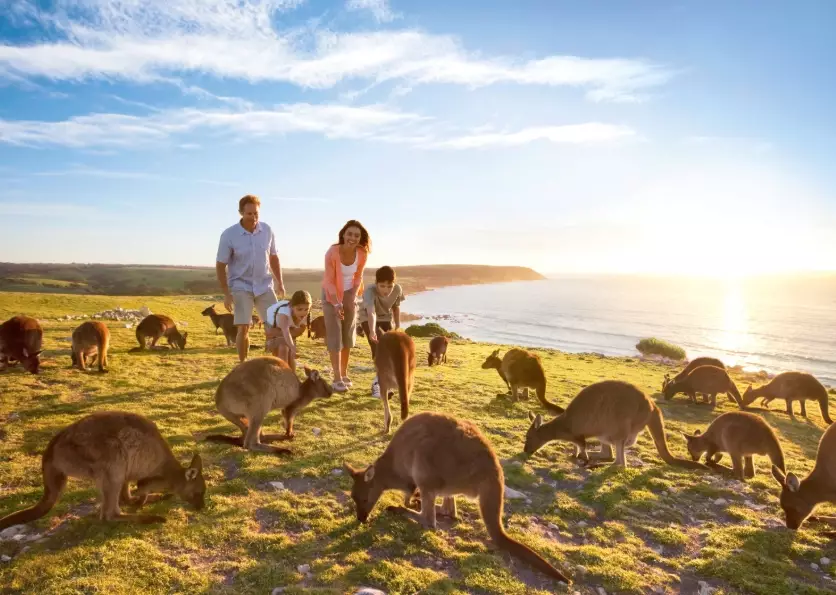
Public behavior is also more relaxed. You'll see people barefoot in supermarkets. Formality is minimal. Just be yourself, dial down the volume a notch, and you'll fit right in.
Communication, Costs & Getting Around
Speaking the Same Language (Mostly)
You'll be understood perfectly. The challenge is understanding them. The accent, combined with slang and a faster, clipped delivery, can be tricky at first.
Quick Aussie Lingo Decoder:
- Arvo: Afternoon. "See you this arvo."
- Maccas: McDonald's.
- Heaps: A lot. "Thanks heaps!"
- Brekkie: Breakfast.
- How ya going? How are you? (Standard greeting)
- Ta: Thanks.
Just ask people to repeat themselves if you don't catch it. They will, without annoyance.
The Cost of the Aussie Dream
Let's be honest: Australia is expensive. Your U.S. dollar doesn't go as far as it might in Southeast Asia. But with planning, it's manageable.
>Book with Jetstar, Virgin, or Qantas during sales. Baggage costs extra on budget carriers.| Item/Experience | Approximate Cost (AUD) | Notes for Americans |
|---|---|---|
| Mid-range Hotel (Sydney/Melbourne) | $180 - $280/night | Book well ahead. Consider serviced apartments for longer stays. |
| Main Course at a Pub | $25 - $35 | Portions are large. Sharing or a "parma" (chicken parmigiana) is a classic. |
| Flat White Coffee | $4.50 - $5.50 | Coffee culture is superb. Skip Starbucks. |
| Public Transport Day Pass (City) | $15 - $20 | Get an Opal (Sydney) or Myki (Melbourne) card for capped daily fares. |
| Domestic Flight (e.g., Sydney to Cairns) | $150 - $300 one-way |
My biggest budget tip? Eat out for lunch instead of dinner. Many cafes offer fantastic "lunch specials" that are significantly cheaper than evening menus. And embrace the pub counter meal—it's the heart of affordable, hearty Aussie dining.
Putting It All Together: A Sample 10-Day Itinerary
To make this concrete, here's a balanced East Coast trip that mixes cities, nature, and classic Aussie experiences.
Days 1-3: Sydney
Base yourself near Circular Quay or Darling Harbour. Don't just see the Opera House—do a tour or see a show. Walk the Coogee to Bondi coastal path (wear a hat!). Take a ferry to Manly for fish and chips. Get a feel for the city's pace.
Days 4-6: Cairns & The Great Barrier Reef
Fly from Sydney. This is your nature immersion. Book a full-day reef trip with a company like Quicksilver or Reef Magic. Spend a day in the Daintree Rainforest. This is where you'll feel the raw, ancient side of Australia.
Days 7-10: Melbourne
Fly from Cairns. Melbourne is about laneways, coffee, and culture. Get lost in the graffiti-covered alleys like Hosier Lane. Take a day trip on the historic Puffing Billy steam train or drive the Great Ocean Road (if you're comfortable driving on the left). The vibe here is more European and artsy compared to Sydney's glitz.
This trip gives you a powerful snapshot. It's busy, but it covers the iconic highlights most first-time American visitors are seeking.
Your Burning Questions Answered
So, is Australia friendly to American tourists? The answer is a resounding yes. The barriers are low—language, shared cultural touchstones, and a genuine curiosity about the U.S. The friendliness is a practical, no-nonsense kind. They'll help you if you're lost, chat with you at a pub, and give you straightforward advice.
Your job is to meet them halfway: respect the environment (that sun is no joke), embrace the casual vibe, don't overtip, and be ready for a bit of good-natured ribbing. Do that, and you'll find Australia isn't just friendly—it's an incredibly rewarding and easy place to explore.


Comments
Join the discussion