Explore This Guide
So you want to understand European cuisine. Maybe you're planning a trip, or perhaps you're just tired of the same old recipes and want to taste something with a bit of history behind it. I get it. The term gets thrown around a lot, often slapped onto restaurant menus to make things sound fancy. But what does it actually mean? Is there even one single thing called European food?
The short answer is no. Not even close. Trying to define European cuisine is like trying to describe the weather across the whole continent—it's impossible without getting into the specifics. What you eat in a sunny Sicilian village has almost nothing to do with what's on the plate in a cozy Copenhagen pub. The ingredients, the techniques, the very philosophy behind the meal are worlds apart.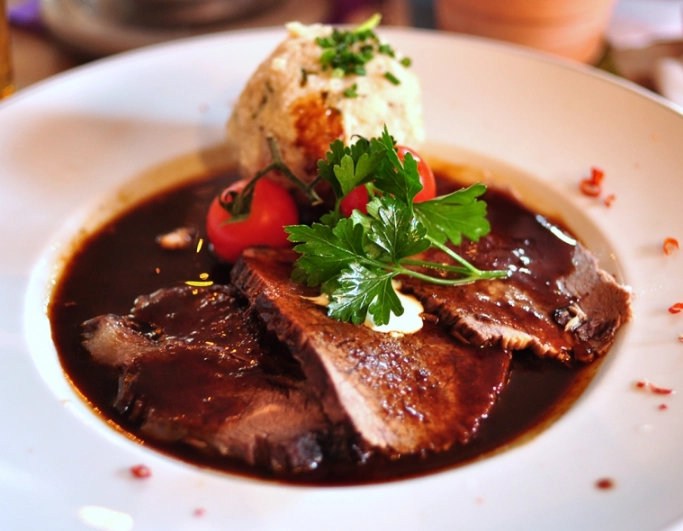
That's the real magic of it. The diversity.
My own wake-up call came a few years ago in a self-proclaimed "European" restaurant in another part of the world. The menu was a confusing jumble of schnitzel, paella, and something vaguely resembling beef bourguignon, all sitting uneasily next to each other. It felt inauthentic, like a greatest hits album with all the soul removed. That experience made me want to dig deeper, to move beyond the clichés and understand the real regional stories told through food. That's what this guide is for. We're going to ditch the generalizations and look at what makes each corner of Europe's culinary landscape unique, fascinating, and deeply connected to its land and people.
What Exactly Do We Mean by "European Cuisine"?
Let's clear this up first. European cuisine isn't a monolith. It's an umbrella term, a convenient label we use to talk about the collective food traditions of a continent with over 40 countries. But under that umbrella, you'll find dozens of distinct, proud, and often fiercely independent culinary nations.
The common threads? They're more about historical influence and exchange than a shared recipe book. The use of wheat (for bread and pasta), dairy (especially cheese and butter), pork, and a pantry centered around herbs rather than the intense spice blends you find in other global cuisines. There's also a strong tradition of wine and beer production that's intricately linked to the food. But that's where the simplicity ends.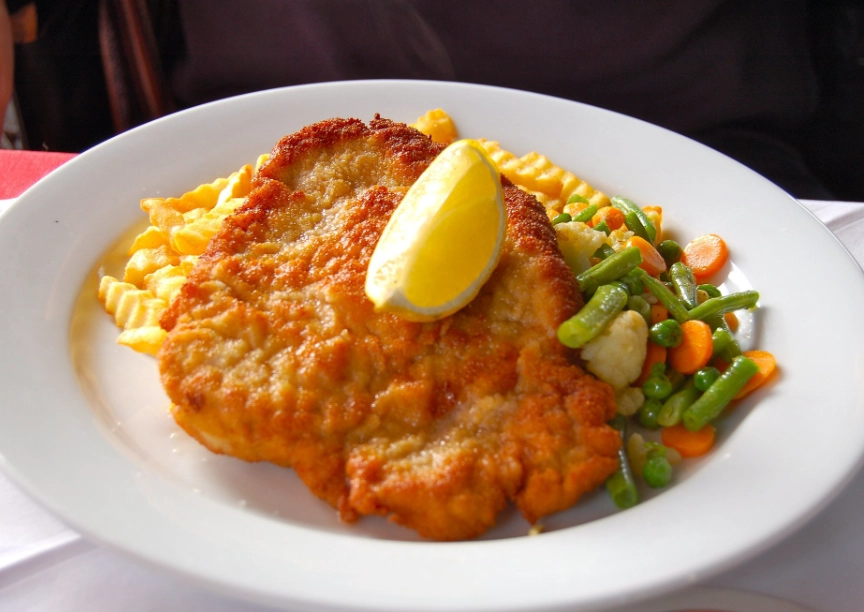
If you're looking for an official, academic breakdown, organizations like the European Union actually have programs to protect and promote regional food identities, like the PDO (Protected Designation of Origin) and PGI (Protected Geographical Indication) labels. These aren't just stickers; they're legal guarantees that a product like Prosciutto di Parma or Roquefort cheese comes from a specific place and is made using traditional methods. That tells you how seriously they take local culinary identity.
A Region-by-Region Breakdown of European Food
This is where it gets interesting. To truly appreciate European cuisine, you need to take a virtual tour. Let's break it down into some major culinary zones. Remember, borders in food are blurry—southwestern France might feel more Spanish, and Trieste in Italy has a Austro-Hungarian soul. But these categories help make sense of the map.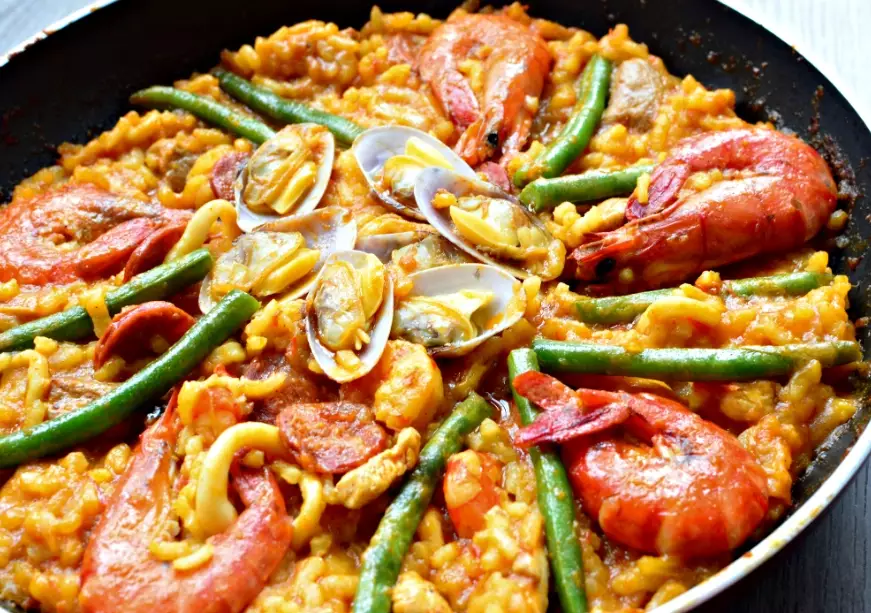
The Sun-Drenched South: Mediterranean Europe
This is the poster child for healthy, vibrant eating for a reason. When people dream of European cuisine, they're often picturing this. We're talking Italy, Greece, Spain, Portugal, and the south of France. The hallmarks here are freshness, simplicity, and letting high-quality ingredients shine.
- The Holy Trinity: Olive oil, tomatoes, and garlic. These form the base of countless dishes.
- Seafood Central: With vast coastlines, fish and shellfish are staples. Think grilled whole fish in Greece, paella by the Spanish seaside, or Portuguese bacalhau (salted cod) in a hundred different preparations.
- Vegetable Love: Salads aren't an afterthought. They're a celebration of ripe peppers, eggplants, zucchini, and olives.
- Herbs, not Heat: Flavor comes from rosemary, thyme, oregano, and basil, not from chili peppers.
I remember the first time I had a truly simple Italian tomato sauce in a tiny trattoria in Bologna. It was just tomatoes, a bit of onion, and basil, simmered for hours. No cream, no sugar, no fancy tricks. The flavor was so intense and pure it changed my benchmark for pasta forever. That's the Mediterranean ethos.
The Hearty & Robust Center: Continental & Western Europe
Head north from the Alps and the culinary mood shifts. This is the domain of France (especially the north), Germany, Belgium, the Netherlands, Austria, Switzerland, and the Czech Republic. Here, the climate is cooler, the growing seasons shorter, and the food becomes more about sustenance, comfort, and technique.
| Country | Core Staple | Signature Style | Must-Try Dish (My Opinion) |
|---|---|---|---|
| France | Bread, Cheese, Butter | Sauces, refined techniques, pastry | Coq au Vin (way better than it sounds) |
| Germany | Pork, Potatoes, Cabbage | Hearty, one-pot meals, sausages | Schweinshaxe (roasted pork knuckle) |
| Belgium | Potatoes, Beer | Comfort food, beer-infused cooking | Moules-frites (mussels & fries) |
| Austria | Pork, Dumplings | Cosy, cafe culture, baked goods | Wiener Schnitzel (properly thin & crispy) |
French cuisine, particularly, has had an outsized influence on professional cooking worldwide. Their system of mother sauces and precise techniques, documented by institutions like Le Cordon Bleu, forms the backbone of many culinary schools. But in a German home, you're more likely to find a hearty Eintopf (stew) than a delicate soufflé. The contrast within this region itself is fascinating.
The Unexpected North: Nordic & Scandinavian Europe
This is where European cuisine gets truly innovative and modern. Denmark, Sweden, Norway, Finland, and Iceland have a food culture forged by long winters, vast forests, and the sea. The old ways were based on preservation—salting, smoking, pickling, and fermenting to survive. But in the last two decades, chefs like Denmark's René Redzepi of Noma have turned those traditions into a global movement called New Nordic Cuisine.
The principles focus on purity, seasonality, and ethics. It's about foraging for wild herbs, using every part of an animal or plant, and creating intense, clean flavors. Think:
- Fermented Everything: From fish (Swedish surströmming, which is an acquired taste, to put it mildly) to vegetables.
- Berries & Mushrooms: Wild lingonberries, cloudberries, and chanterelles from the forests.
- Rye Bread: Dense, dark, sour, and incredibly healthy. A staple.
- Seafood, but Different: Cured salmon (gravlax) is a classic, but also look for seaweed and sea buckthorn.
It's a stark, beautiful, and sometimes challenging flavor profile. It proves European cuisine is far from stuck in the past.
The Flavorful East: Eastern & Balkan Europe
Often overlooked, this region is a treasure trove of bold, comforting, and complex flavors. Poland, Hungary, Romania, Bulgaria, and the countries of the former Yugoslavia have cuisines shaped by Slavic, Ottoman, and Austro-Hungarian influences. It's a delicious melting pot.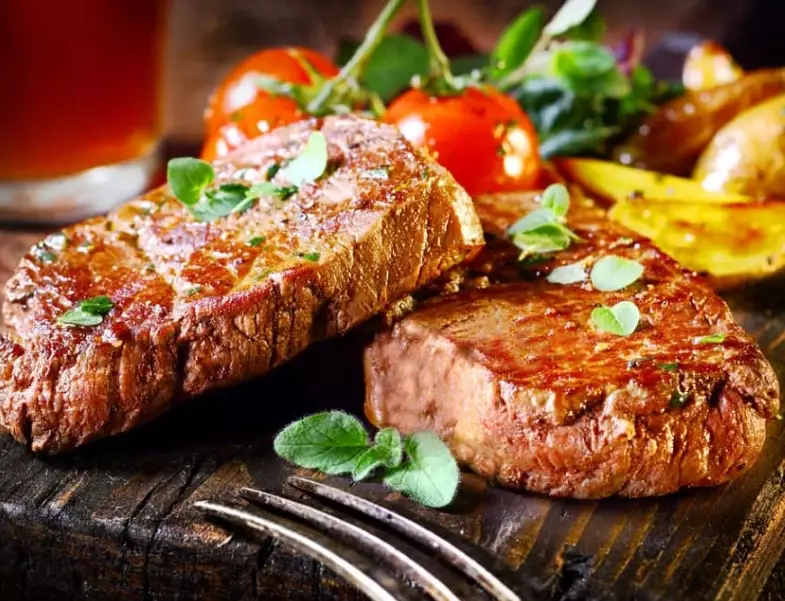
Get ready for more spices here—paprika (especially in Hungary), dill, and sour flavors from pickling and fermented dairy like smetana (sour cream). Dumplings (pierogi, vareniki) are a unifying love, and soups are taken very seriously. Grilled meats, particularly cevapi (skinless sausages) in the Balkans, are a social food. I find the use of fresh herbs like tarragon and the prevalence of hearty vegetable stews incredibly satisfying, especially in colder months. It's robust food that warms you from the inside out.
The Building Blocks: Core Elements of European Cooking
Beyond geography, what are the actual components that keep appearing? If you want to understand or even try cooking European cuisine at home, these are the pillars.
Bread. Not just a side dish, but a utensil, a plate (think trenchers in the Middle Ages), and a cultural touchstone. The baguette in France, the sourdough in Germany, the focaccia in Italy, the dark rye in Scandinavia—each tells a story about the grain grown and the milling tradition of the area.
Cheese. The variety is mind-boggling. From the sharp, aged Parmigiano-Reggiano of Italy to the creamy, bloomy-rind Brie de Meaux of France, the smoky Scamorza, the briny Greek Feta, or the holey Swiss Emmental. The French Cheese Board has great resources on just one country's vast repertoire. Cheese can be a course unto itself, a key ingredient, or a finishing garnish.
Wine & Beer. They're not just drinks; they're cooking ingredients and cultural partners. Wine is used to deglaze pans, create sauces, and marinate meats across Southern and Western Europe. In the beer-loving countries of Central Europe and the UK, beer goes into stews, batters, and braises. The right pairing can elevate a meal from good to unforgettable.
How Do Europeans Actually Eat? Dining Culture Decoded.
It's not just what's on the plate, but how and when it's eaten. This trips up a lot of visitors. American friends of mine have been baffled by empty Spanish restaurants at 6 PM.
- Meal Structure: Multiple courses are common, even at home. A light breakfast, a substantial lunch (often the main meal in Southern Europe), a late dinner. There might be a late-morning snack and an afternoon coffee or tea break.
- The Sacred Lunch Break: In many countries, especially France, Italy, and Spain, lunch is a proper sit-down affair, not something gulped at a desk. Shops might close for two or three hours. It's a cultural reset button in the middle of the day.
- Pace: Meals are social events, meant to be lingered over. Rushing is considered rude. You won't get the bill until you explicitly ask for it.
- Portion Sizes: Generally smaller than in North America, but with more courses. The idea is to taste a variety of things, not be overwhelmed by one giant plate.
Answering Your Burning Questions About European Cuisine
Let's tackle some of the practical stuff people really want to know.
Bringing It All to Your Table
So, after all this, what's the point? The point is to appreciate the depth. European cuisine isn't a single recipe; it's a living, breathing collection of stories. It's the story of a Greek fisherman grilling his catch with lemon and oregano, a French grandmother stirring a pot of stew for hours, a Polish family gathering to make hundreds of pierogi for Christmas, and a Danish forager finding the first wild garlic of spring.
The next time you sit down to a plate of pasta, a slice of dark bread with cheese, or a bowl of hearty soup, think about the journey. Think about the climate that shaped the ingredients, the history that brought the spices, and the generations of home cooks who perfected the method. That connection, that story, is the true essence of European food culture. And the best part? You can start exploring it tonight, in your own kitchen or by seeking out an authentic local spot. Just remember to take your time, savor each bite, and enjoy the journey across a continent, one plate at a time.




Comments
Join the discussion