What’s Inside This Guide
So, you're wondering if you can pack your bags for Singapore? The short answer is a resounding yes. But, and there's always a but with international travel these days, it's not just about having a blue passport anymore. The rules have shifted, and what was once a simple visa-free stamp has a few more digital hoops to jump through. Let's cut through the noise and get straight to what you, as an American traveler, actually need to know right now.
I remember talking to a friend last month who was utterly confused. He'd heard Singapore was "open," but then someone mentioned something about an arrival card, and another person brought up vaccines. It was a mess of half-information. That's exactly why we're diving deep here.
The Core Answer: Yes, US citizens can visit Singapore now for tourism without applying for a traditional visa beforehand. You get a short-term visit pass stamped on arrival. However, you must complete a digital process called the SG Arrival Card before you fly. It's not optional. Also, while pandemic-era vaccination checks are largely gone, you should still be aware of the general health and entry requirements.
What You Actually Need Before You Board the Plane
Forget the pre-2020 days. The process is mostly digital now, which is great when it works and a minor headache if you leave it to the last minute. Here’s your non-negotiable pre-departure checklist.
The Absolute Must-Haves
First things first. You can't even board the flight without these.
- A Valid US Passport: This seems obvious, but check the expiration date like your trip depends on it—because it does. Your passport must be valid for at least six months beyond your date of entry into Singapore. I've seen people get turned away at check-in for having five months and three weeks left. Don't be that person.
- SG Arrival Card (SGAC): This is the big one that confuses everyone. It's not a visa. Think of it as a digital immigration and health declaration form. You must submit it online within three days before your arrival in Singapore. It's free. You'll get a PDF or email confirmation—save it on your phone or print it. While they might not always ask to see it at immigration, the airline will check before they let you on the plane. You can do it on the official ICA SG Arrival Card portal.
- Proof of Onward/Return Travel: Immigration officers can ask for it. They want to see that you don't plan on overstaying. A booked flight ticket out of Singapore within the allowed visit period is what they're looking for.
- Proof of Sufficient Funds: This is rarely requested from US tourists, but the rule exists. Be prepared to show you can cover your stay (bank statement, credit cards).
Pro Tip: Complete the SG Arrival Card as soon as your flight is booked. Don't wait until you're in the airport lounge with spotty WiFi. It only takes 10 minutes, and then it's off your mind.
What About Vaccinations and COVID-19 Tests?
This is where a lot of outdated information lingers online. As of my last update (and I double-checked official sources while writing this), Singapore has removed all COVID-19 vaccination and testing requirements for all travelers, regardless of vaccination status.
You do not need to provide proof of vaccination or a pre-departure test to enter Singapore. However, you still declare your health status on the SG Arrival Card. The situation is fluid, so a quick glance at the ICA website for entering Singapore before your trip is a smart move. It's the single source of truth.
Frankly, the removal of these rules is a huge relief. It makes planning a trip feel normal again.
Understanding Your Stay: Duration, Extensions, and the Fine Print
Okay, you've gotten in. How long can you stay? This is where the immigration officer's discretion comes in.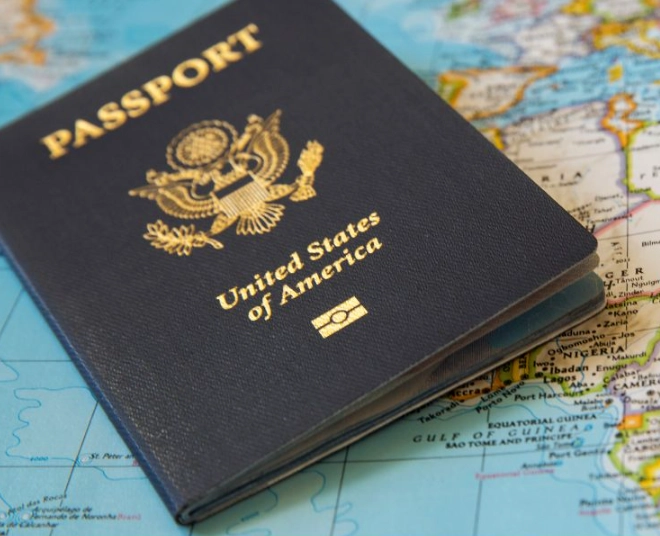
US passport holders are typically granted a Short-Term Visit Pass (STVP) for 30 days upon entry. I say "typically" because it's not a guaranteed right. The officer can grant a shorter period if they have concerns. They'll stamp the duration in your passport.
Important: The 30-day pass is for social/tourist visits only. You cannot engage in any business, work, or paid activities on this pass. If you're planning to meet clients or have business discussions, you likely need a different pass. Don't risk it.
Need more time? It's possible, but it's not automatic. You can apply for an extension of your STVP online through ICA's e-Extend service, usually up to 89 days total from your date of entry. You should apply about a week before your initial pass expires. They'll want to see reasons—like an extended family visit or further tourism plans—and may ask for supporting documents (like proof of funds for the longer stay). Approval isn't guaranteed.
The Hidden Essentials: Travel Insurance and Money
This is the part most travel blogs gloss over, but it's critical. Singapore has an excellent but expensive healthcare system. A visit to a clinic for a bad cold can set you back a few hundred dollars. An emergency? We're talking thousands.
While travel insurance is not a mandatory entry requirement for Singapore, I cannot stress enough how irresponsible it is to travel without it. A good policy should cover medical expenses (with a high limit, think $100,000+), medical evacuation, trip cancellation/interruption, and lost baggage.
I learned this the hard way years ago in another country. A simple ankle sprain led to an ER visit and a bill that ruined my budget for the rest of the trip. Ever since, insurance is the first thing I buy after my flight.
Let's talk daily budget too. Singapore isn't a budget backpacker's paradise. You can do it modestly, but it's a global city with prices to match.
| Budget Style | Estimated Daily Cost (USD) | What It Covers |
|---|---|---|
| Budget Traveler | $70 - $100 | Hostel dorm, hawker center meals, public transport, free/cheap attractions. |
| Mid-Range Traveler | $150 - $300 | 3-star hotel/private Airbnb, mix of hawker & casual restaurants, paid attractions (Gardens by the Bay, museums), occasional taxi. |
| Luxury Traveler | $400+ | 4/5-star hotel, fine dining, all paid attractions, private tours, taxis/Grab everywhere. |
Hawker centers are your financial savior. You can get an incredible, Michelin-recognized meal for under $5. Seriously, skip the hotel breakfast and find the nearest hawker center.
Navigating Singapore: Tips From Someone Who's Been There
You've sorted the entry. Now, how do you not stick out as a clueless tourist? Here are some ground-level tips.
Getting Around: The MRT (subway) and bus system are flawless, clean, and efficient. Get an EZ-Link card or a Singapore Tourist Pass for unlimited travel. Taxis and ride-hailing apps (Grab, Gojek) are plentiful but can get pricey during peak hours or rain.
Accommodation: Location matters. Staying near an MRT station (even if not in the direct city center) is often better and cheaper than a poorly connected downtown hotel. Areas like Bugis, Lavender, or even Tiong Bahru offer great value.
Culture & Etiquette: It's a fine, orderly city. Chewing gum isn't illegal to possess for personal use, but selling it is. Don't litter (heavy fines), don't jaywalk, and always queue. When in doubt, just observe what the locals are doing. Tipping is not expected—a 10% service charge is usually already added to your bill at restaurants.
Frequently Asked Questions (FAQs)
These are the questions I get asked the most, the ones that pop up in forum searches over and over.
Final Reality Check Before You Go
Look, Singapore is an incredible destination. It's safe, clean, has mind-blowing food, and blends cultures in a way few places do. The entry process, once you understand it, is straightforward.
The real question isn't "Can US citizens visit Singapore now?"—they clearly can. The real questions are: Have you checked your passport expiry? Have you booked that return flight? Have you filled out the SG Arrival Card?
Do those three things, pack for humid weather, and get ready for an amazing trip. The hawker food alone is worth the 20-hour flight. Trust me on that.
One Last Thing: Rules can change. While this guide is comprehensive and based on current official sources, always double-check the Immigration & Checkpoints Authority (ICA) website for the very latest updates a few days before your departure. It's the best way to ensure a smooth start to your Singapore adventure.





Comments
Join the discussion