Your Journey at a Glance
Let's be real. Planning a trip to Japan can feel equal parts thrilling and utterly daunting. You've seen the pictures of perfect cherry blossoms, the serene temples, the buzzing neon cities. But then you start digging into the details—the train passes, the etiquette rules, the sheer cost of it all—and suddenly that dream vacation feels like a complex logistical puzzle. I've been there. On my first trip, I spent hours confused over which rail pass to buy and showed up at a temple in shorts (a minor faux pas, thankfully forgiven).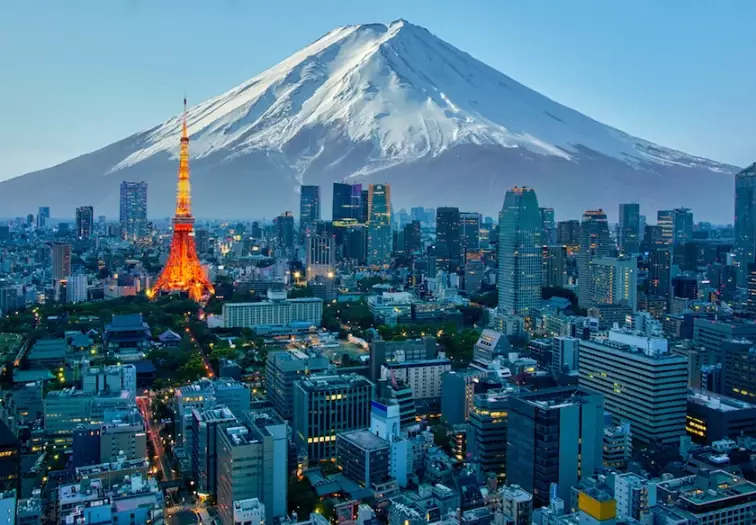
That's why I'm writing this. Not as a distant expert, but as someone who's made the mistakes, learned the hard way, and gone back multiple times because, honestly, Japan gets under your skin in the best way possible. This isn't just another list of top attractions. Think of it as a long chat with a friend who's been, covering the stuff that actually matters when your feet are on the ground. We'll talk money, manners, hidden spots, and how to move beyond the postcard to find the Japan that resonates with you. Because Japan tourism is so much more than ticking boxes; it's about the experience.
Before You Go: The Foundation of a Great Trip
Jumping on a plane without some groundwork is a surefire way to waste precious time and money. Japan rewards the prepared traveler. Let's break down the absolute essentials.
Visas, Money, and When to Click "Book"
First, the paperwork. Citizens of many countries (including the US, UK, Canada, Australia, and most of the EU) get a 90-day tourist visa on arrival. But always double-check the latest requirements on the official Ministry of Foreign Affairs of Japan website. Rules can change.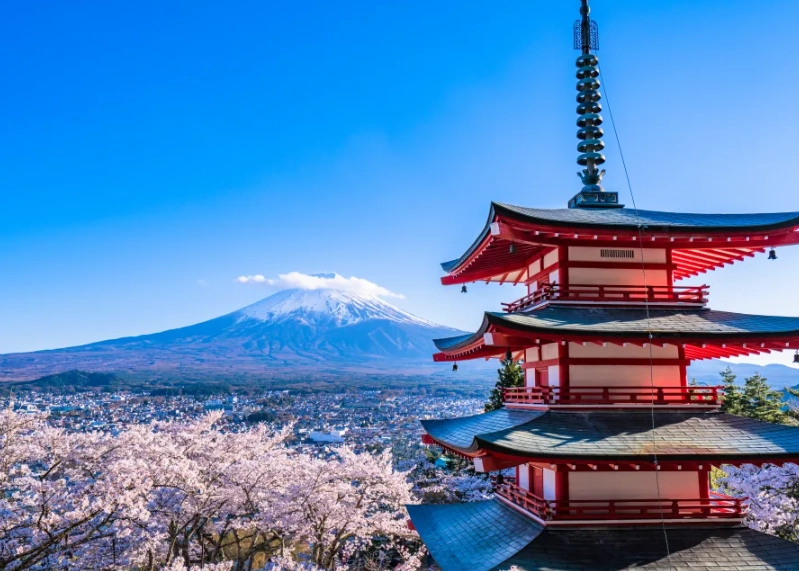
Now, timing. Everyone asks about the best time. There isn't one perfect answer, only trade-offs.
- Spring (March-May): Cherry blossoms. Need I say more? It's stunning, but also the most crowded and expensive period. Hotels book up months in advance. If you hate crowds, this might test your patience.
- Summer (June-August): Hot and humid. Seriously, Tokyo in August feels like a sauna. But it's festival season (matsuri) everywhere, with incredible fireworks (hanabi). Great for mountain hiking in Hokkaido or the Japan Alps.
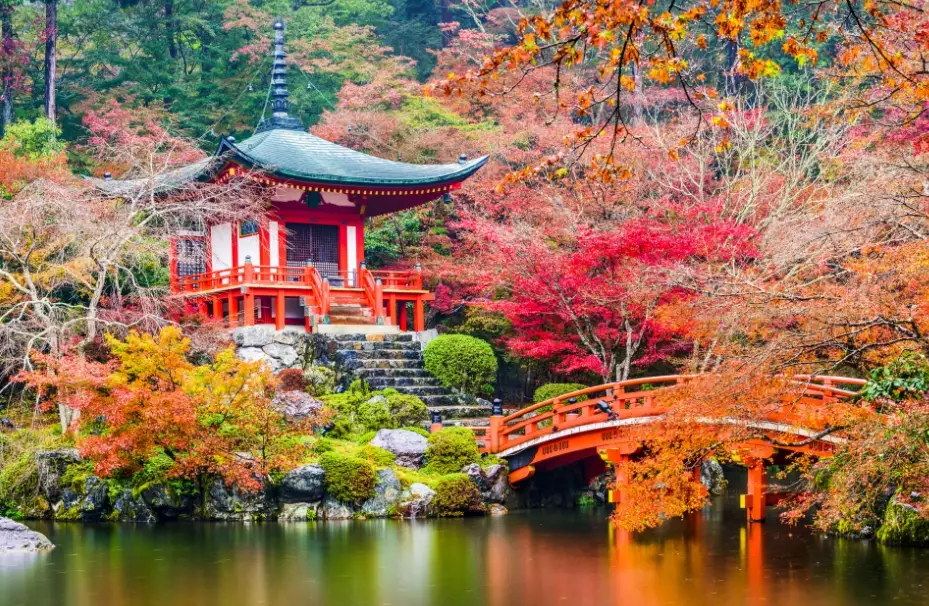
- Autumn (September-November): My personal favorite. The crowds thin, the weather is crisp and perfect, and the koyo (autumn leaves) are a fiery spectacle that rivals the cherry blossoms. Prices are reasonable.
- Winter (December-February): Cold, but magical for onsen (hot springs) and snow sports. Hokkaido is a world-class ski destination. Cities like Tokyo and Osaka are less crowded, and you can find great travel deals.
Golden Week (late April/early May) and Obon (mid-August) are major national holiday clusters. The entire country is on the move. Transportation is packed, accommodations are sky-high, and attractions are swamped. I'd advise first-time visitors to avoid these periods if possible.
Budgeting is the next big question. Japan has a reputation for being expensive, but it's more accurate to say it offers a wide range. You can have a $500 sushi dinner or a mind-blowingly good $10 bowl of ramen. A rough daily budget (per person) might look like this:
- Budget Traveler: ¥8,000-¥12,000 ($50-$80). Hostel dorm, convenience store meals/simple ramen, local trains, few paid attractions.
- Mid-Range Traveler: ¥15,000-¥25,000 ($100-$165). Business hotel/ryokan, mix of casual and nice meals, Shinkansen travel, several paid attractions.
- Luxury Traveler: ¥35,000+ ($230+). Boutique hotels/luxury ryokan, fine dining, green car Shinkansen, guided tours.
Cash is still king in many places, especially outside major cities, family-run restaurants, and rural areas. While IC cards and credit cards are widely accepted in cities, always carry some yen.
Navigating the Neural Network: Transport in Japan
Japan's public transport is a marvel of efficiency that can also induce panic. Let's demystify it.
The legendary Japan Rail Pass (JR Pass). It's saved me a fortune, but it's not for everyone. The price increased significantly in late 2023, so you need to do the math. Use the Hyperdia website or app (a lifesaver for train schedules and fares) to tally up the cost of your planned long-distance Shinkansen trips. If you're doing a classic Tokyo-Kyoto-Hiroshima-Tokyo loop, it might still pay off. If you're just buzzing between Tokyo and Kyoto, buying individual tickets might be cheaper now.
For city travel, the IC card is your best friend. Suica (Tokyo area), Pasmo, ICOCA (Kansai area)—they're all functionally identical. You charge them with cash and tap to ride most subways, buses, and trains. You can even use them at convenience stores and vending machines. Get one as soon as you land at the airport. It eliminates the headache of buying a ticket for every single ride.
| Card Name | Primary Region | Where to Buy | Key Advantage |
|---|---|---|---|
| Suica / Pasmo | Tokyo & Kanto | JR East Stations, Airport Terminals | Ubiquitous in Tokyo, works nationwide. |
| ICOCA | Osaka & Kansai | JR West Stations (e.g., Osaka Station) | Same as Suica, just a different design. |
| Kitaca | Hokkaido | JR Hokkaido Stations | Best if starting your trip in Sapporo. |
| Welcome Suica/Pasmo Passport | Tourists Only | Narita/Haneda Airports | No deposit, valid for 28 days. Cannot be refunded for cash. |
Google Maps is astonishingly accurate for public transport in Japan. It will tell you which platform to go to, the exact train time, and even which car to board for the smoothest transfer. For a more local option, try the Navitime app.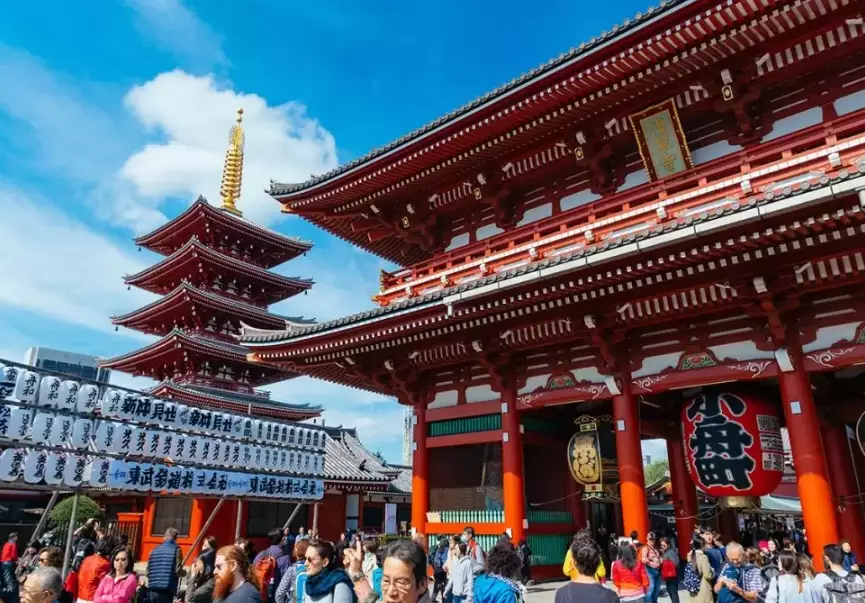
Where to Lay Your Head: Accommodation Choices
Your hotel is more than a bed; it's part of the cultural experience.
- Business Hotels (Toyoko Inn, APA, Dormy Inn): Functional, clean, small rooms, often with included breakfast and free onsen/sauna. My go-to for efficiency.
- Ryokan (Traditional Inns): The quintessential Japan tourism experience. You sleep on futons, wear yukata, and are served kaiseki (multi-course) dinners. It's not cheap, but for a night or two, it's unforgettable. Be aware of customs like designated meal times and no shoes past the genkan (entryway).
- Guesthouses & Hostels: Fantastic for solo travelers or budget groups. Many are beautifully designed and offer great social spaces.
- Love Hotels: Don't let the name fool you. They offer themed, often spacious rooms by the hour or night. They can be a quirky, affordable option for couples, especially in cities where standard hotel rooms are tiny.
Book early, especially for ryokans and during peak seasons. Sites like Japanican specialize in traditional accommodations.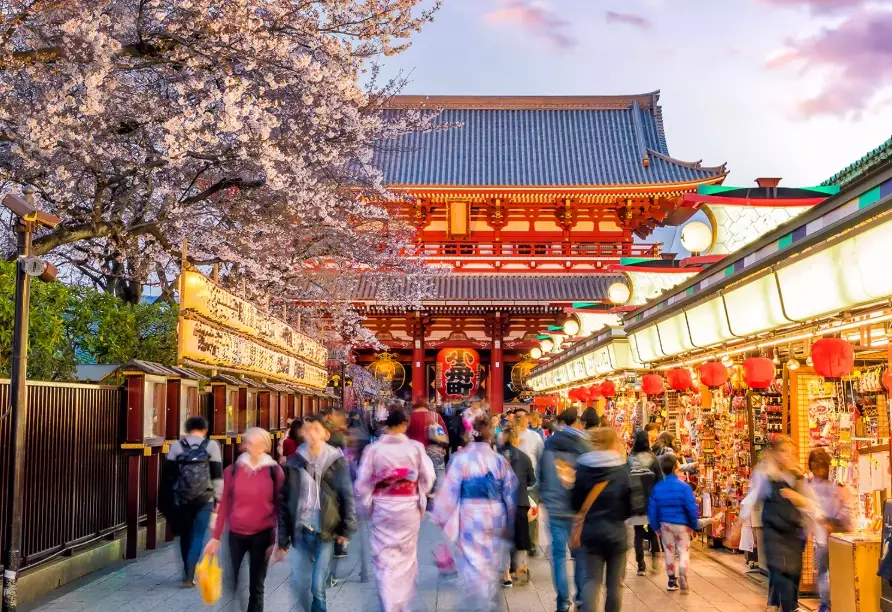
My Ryokan Mistake: On my first visit, I booked a beautiful, remote ryokan without realizing the last bus there was at 5 PM. I had to take an excruciatingly expensive taxi. Always, always check transportation access to your accommodation, not just its looks!
On the Ground: Culture, Etiquette & Not Screwing Up
This is where many get nervous. Japanese people are incredibly gracious and forgiving of tourists, but making an effort goes a long way. It's about respect, not perfection.
The Unwritten Rules (Mostly)
Let's tackle the big ones.
Onsen (Hot Springs) Etiquette: This is a non-negotiable ritual. You must wash and rinse thoroughly at the shower stations before entering the communal bath. No swimsuits, no towels in the water (you can place a small towel on your head). Tattoos can be problematic, as they're traditionally associated with yakuza. Many larger onsen in tourist areas are relaxing their rules, but smaller local ones may not allow them. Check ahead or use tattoo cover-up patches.
Dining Do's and Don'ts:
- It's fine to slurp noodles! It shows you're enjoying them.
- Don't stick your chopsticks upright in a bowl of rice (it resembles a funeral rite).
- When sharing food from a communal plate, use the opposite end of your chopsticks.
- Saying "itadakimasu" before eating and "gochisosama deshita" after are polite.
- You'll often get a small wet towel (oshibori) before a meal. Use it to clean your hands, not your face.
General Public Behavior:
- Quiet is key. Talk softly on trains and buses. Phone calls are a major no-no on public transport.
- Queueing. Lines are orderly and respected. Always wait your turn.
- Trash. Public trash bins are surprisingly rare. Carry a small bag for your rubbish and dispose of it at your hotel or a convenience store.
- Shoes. Be hyper-aware. You'll take them off at ryokans, temples, some restaurants, and even some historic shops. Look for a step up, a genkan area, or rows of slippers. Wear socks without holes!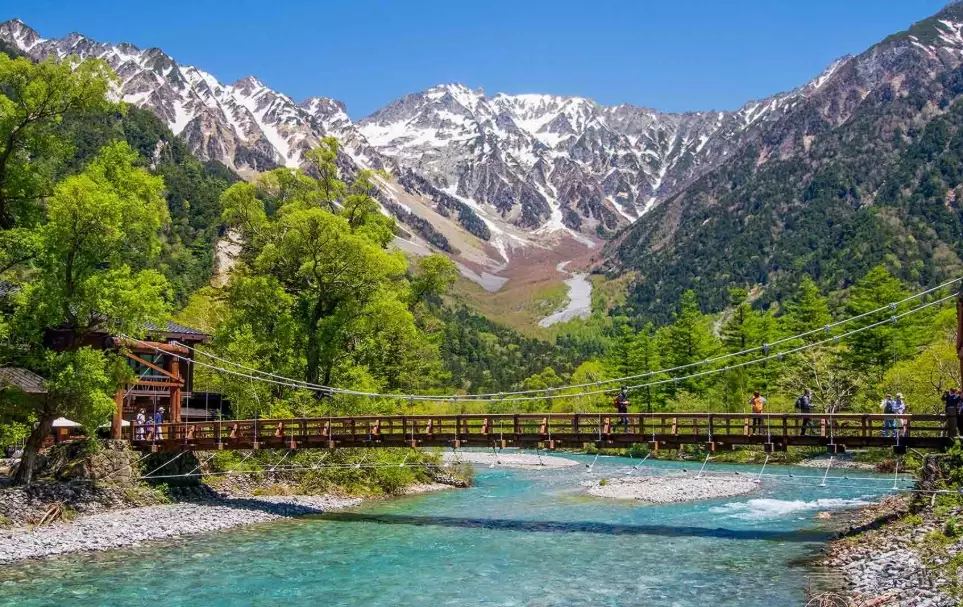
Pro Tip for Temples & Shrines: At Shinto shrines, purify yourself at the chozuya (water pavilion) before approaching the main hall. Use the ladle to wash your left hand, then your right, then pour water into your cupped left hand to rinse your mouth (spit the water onto the ground, not back into the basin). Finally, hold the ladle vertically to let the water clean the handle. At Buddhist temples, the rules are less strict, but quiet reverence is always appreciated.
Language: Can You Get By with English?
Yes, absolutely, especially on the main tourist trail. Station names, train lines, and major signs are in English. Menus often have pictures or plastic food displays (a genius invention). Younger people in cities often know some basic English.
But learning a few phrases will light up people's faces.
- Arigatou gozaimasu (Thank you very much)
- Sumimasen (Excuse me / I'm sorry / To get attention)
- Kore o kudasai (This one, please)
- Eigo no menyu wa arimasu ka? (Do you have an English menu?)
- Toire wa doko desu ka? (Where is the toilet?)
Google Translate's camera function is a modern miracle for translating signs and menus on the fly.
Beyond Tokyo & Kyoto: Crafting Your Japan Tourism Itinerary
These two cities are classics for a reason, but Japan has so much more. Here’s how to think about building your trip.
If You Have 7-10 Days (The Classic First Timer)
Don't try to see everything. Depth over breadth.
Tokyo (4 days): Sensoji Temple, Shibuya Crossing, Shinjuku, a day trip to Kamakura or Nikko.
Hakone or Kawaguchiko (1-2 days): Onsen, views of Mt. Fuji (if the weather cooperates—it's famously shy).
Kyoto (3-4 days): Fushimi Inari Shrine (go early!), Arashiyama Bamboo Grove, Kinkakuji, Gion district.
Nara (day trip from Kyoto): Feed the bowing deer at Nara Park and see Todai-ji's giant Buddha.
Osaka (1-2 days): For food! Dotonbori at night is an experience. Osaka Castle is worth a look.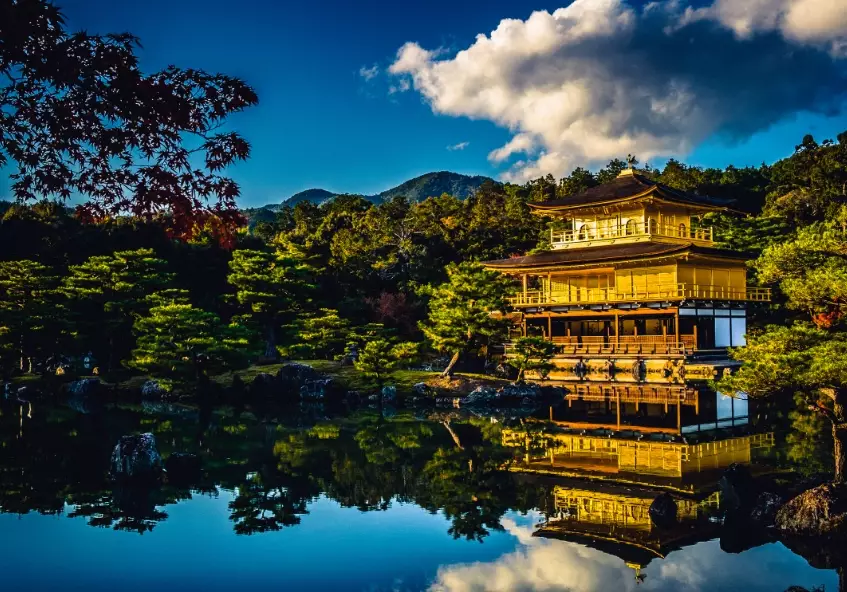
If You Have 14+ Days (Diving Deeper)
Now you can explore a region.
Add Hiroshima & Miyajima: The Peace Memorial Museum is a profoundly moving, essential visit. Then take a short ferry to Miyajima to see the iconic floating torii gate.
Explore the Japanese Alps: Takayama has a beautiful old town. Shirakawa-go has thatched-roof farmhouses. Kanazawa boasts a fantastic garden (Kenrokuen) and samurai district.
Head North to Hokkaido: In summer for lavender fields in Furano, in winter for the Sapporo Snow Festival and world-class skiing.
Go South to Kyushu: For active volcanoes, incredible hot springs (Beppu, Kurokawa Onsen), and the friendliest people in Japan.
My Personal Favorite Hidden Gem: Naoshima
This island in the Seto Inland Sea is an art lover's paradise. Modern art museums and installations are seamlessly woven into the landscape and old fishing villages. Staying overnight in a minimalist guesthouse, renting a bike to explore, and seeing the Yayoi Kusama pumpkin at sunset is a completely different, tranquil side of Japan tourism. It's not hidden anymore, but it's still far less crowded than the main sights.
The Food is Half the Journey
You don't just eat in Japan; you have culinary experiences.
Must-Try Foods (Beyond Sushi & Ramen):
- Okonomiyaki: A savory pancake, Hiroshima-style (layered) or Osaka-style (mixed).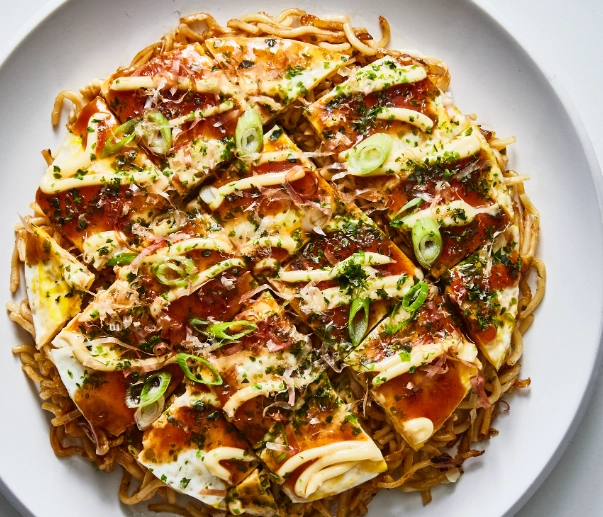
- Takoyaki: Ball-shaped snacks with a piece of octopus inside.
- Yakitori: Grilled chicken skewers, perfect with a beer.
- Tonkatsu: A deep-fried pork cutlet, crispy and juicy.
- Unagi: Grilled freshwater eel, rich and flavorful.
- Fugu: Pufferfish, a risky delicacy for the adventurous (only eat at licensed restaurants!).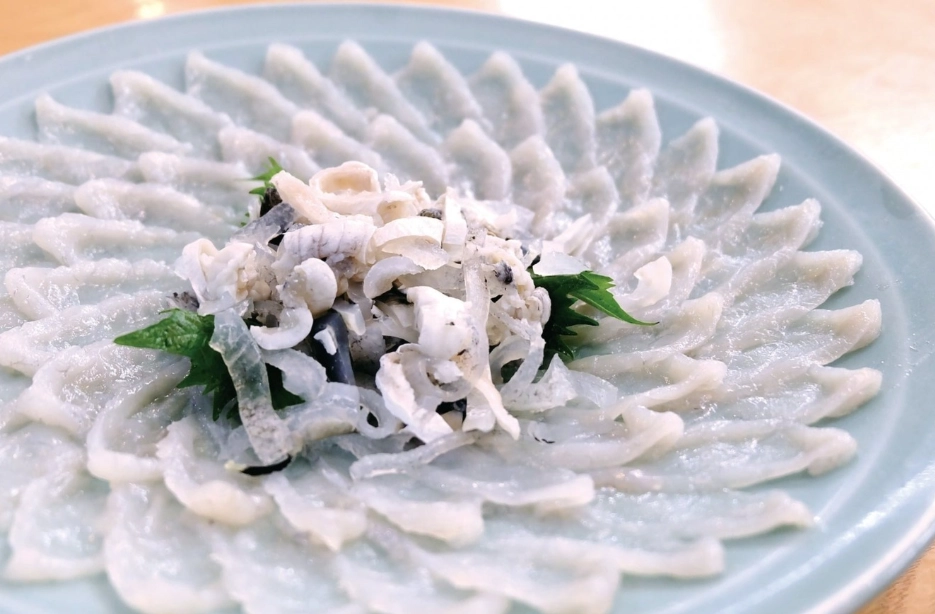
- Convenience Store (Konbini) Food: Seriously. 7-Eleven, FamilyMart, Lawson. Their onigiri (rice balls), sandwiches, fried chicken, and desserts are cheap, delicious, and high-quality.
How to Find a Good Restaurant: Don't just wander. Look for places with a line of locals (a sure sign of quality). Or, use Tabelog, Japan's equivalent of Yelp. A score above 3.5 is excellent. Be aware that some tiny, top-tier places (<5 seats) may require a reservation or not welcome foreigners without Japanese language skills. Don't take it personally; it's often about the owner's ability to communicate the nuances of the meal.
Vending machines (jidohanbaiki) are everywhere and sell everything from hot and cold drinks to hot cans of soup, and even sake. They're a lifesaver.
Practical FAQs: Answering Your Real Questions
Wrapping It Up: The Heart of the Matter
Planning for Japan tourism can feel like a science, but the trip itself is an art. The itinerary is just a framework. The real joy is in the unexpected: stumbling upon a tiny shrine down an alley, the kindness of a stranger who walks you to your destination when you're lost, the first bite of a seasonal sweet you can't get anywhere else.
My biggest piece of advice? Slow down. Don't rush from temple to temple just to take the same photo everyone else does. Sit in a park. Browse a hundred-yen shop. Watch salarymen play pachinko. Have a conversation with your ryokan host, even if it's through gestures and Google Translate.
Be prepared, but be open. Follow the rules, but leave room for spontaneity. That's the balance that leads to a truly transformative trip. And trust me, once you experience it, you'll understand why so many people return to Japan again and again. It's not just a destination; it's a feeling you'll want to recapture.
For the most up-to-date official travel information, always refer to the Japan National Tourism Organization (JNTO) website. They have fantastic resources on current events, seasonal highlights, and regional guides.
Now, stop overthinking and start getting excited. Your adventure is waiting.
Comments
Join the discussion