Planning a trip to Europe? It's tempting to hit the classics—Paris, Rome, Venice. But here's the thing: some spots are best skipped right now. Not because they're not amazing, but because overcrowding, political tension, or other issues can ruin your experience. I've traveled Europe for over a decade, and I've seen places transform from gems into tourist traps. Let's cut through the hype and talk about where not to go in Europe right now, and why.
What You'll Find in This Guide
Why Some European Spots Are Best Avoided
It's not just about safety—though that's huge. Think about value for money, authenticity, and your sanity. Overtourism is a real problem. In 2019, before the pandemic, cities like Barcelona saw protests against tourists. Now, with travel rebounding, the crowds are back, often worse. Political unrest can flare up unexpectedly; I learned this the hard way when a planned visit to Istanbul coincided with demonstrations. Natural disasters, like wildfires in Greece or floods in Germany, add another layer. The key is to stay informed and flexible.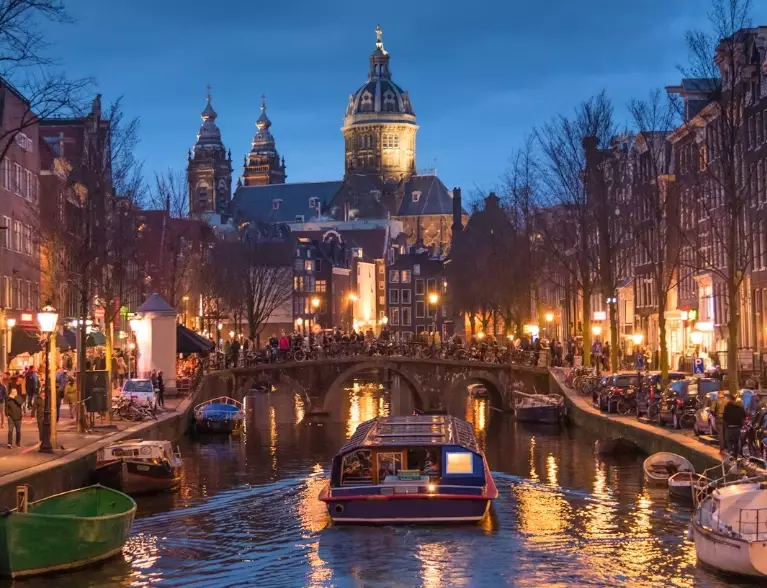
Many travelers make the mistake of booking based on Instagram photos. But that photo of a serene Venetian canal? Taken at 5 AM, maybe. By noon, it's a mob scene. Similarly, relying on outdated guidebooks can lead you into crowded zones. A subtle error: assuming all European capitals are equally accessible. Some, like Kyiv, have specific risks right now that aren't always highlighted in mainstream media.
Top Destinations to Skip in Europe (and Why)
Let's get specific. Here are places I'd avoid right now, based on recent trends and personal experience.
Venice, Italy: The Overtourism Epicenter
Venice is drowning—not in water, but in people. The city of canals now feels like a theme park. From April to October, daily visitor counts spike above 50,000. The local government has introduced an entry fee (around €5-10, depending on season) and crowd controls, but it's a band-aid solution. The main sights—St. Mark's Square, the Rialto Bridge—are packed. I went last summer and spent more time navigating crowds than enjoying the art. If you must see Venice, go in winter, but even then, it's busy.
Why avoid: Extreme overcrowding, high prices (a gondola ride costs €80+), and environmental strain. Locals are leaving due to tourist saturation.
Dubrovnik, Croatia: Game of Thrones Gone Wild
Dubrovnik's Old Town is stunning, but it's overrun by cruise ship passengers. On peak days, over 10,000 visitors cram into a small medieval area. The city walls walk (ticket: €35) becomes a slow shuffle. I visited in July and couldn't even find a quiet café. The charm is lost when you're elbow-to-elbow with tour groups.
Why avoid: Cruise ship crowds, inflated costs, and limited authentic experiences. The city has capped daily cruise arrivals, but it's not enough.
Eastern Ukraine Regions: Safety First
This one's obvious, but worth stressing. Due to ongoing conflict, areas like Donetsk and Luhansk are no-go zones. Even border regions can be unstable. The U.S. Department of State has a Level 4 "Do Not Travel" advisory for parts of Ukraine. I have friends in Kyiv who advise against non-essential travel to the east. It's not just about danger; infrastructure is damaged, and services are limited.
Why avoid: Active conflict, high risk to personal safety, and travel disruptions. Always check government advisories before considering Ukraine.
Santorini, Greece: Sunset Overload
Santorini is beautiful, but Oia at sunset is a nightmare. Hundreds gather for that iconic view, creating bottlenecks on narrow pathways. Accommodation prices soar (€200+ per night for basic rooms), and the island's resources are stretched. I found it more stressful than relaxing. The beaches, like Red Beach, are often overcrowded.
Why avoid: Peak-season crowds, high costs, and overtourism impacting local life. Similar Greek islands offer better value.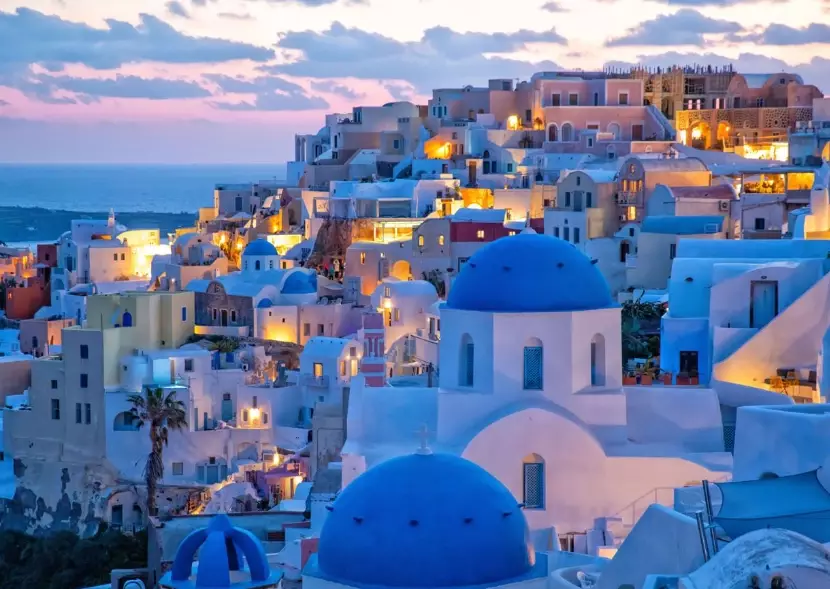
Here's a quick table summarizing these spots:
| Destination | Main Issue | Best Time to Avoid | Alternative Suggestion |
|---|---|---|---|
| Venice, Italy | Overtourism | April-October | Chioggia or Treviso |
| Dubrovnik, Croatia | Cruise Ship Crowds | Summer Months | Rovinj or Split |
| Eastern Ukraine | Political Unrest | Currently Ongoing | Lviv (if stable) or Poland |
| Santorini, Greece | Peak-Season Overload | June-September | Naxos or Milos |
Notice a pattern? It's often about timing and location. A pro tip: many travelers overlook secondary cities. For instance, instead of Amsterdam, try Utrecht—it's got canals without the crowds.
How to Check Travel Advisories and Stay Safe
Don't wing it. Before booking, do your homework. Start with official sources. The U.S. Department of State's travel advisories website is gold—it breaks down risks by country, from crime to terrorism. For UK travelers, the Foreign, Commonwealth & Development Office (FCDO) provides similar updates. The European Union's Re-open EU portal is handy for COVID-19 rules, but also check for other alerts.
I once skipped a trip to Marseille after reading about strikes and protests on the French government's site. Saved myself a headache. Also, sign up for alerts from your embassy. Apps like TripIt can integrate advisories, but don't rely solely on them—cross-reference.
Here's a simple checklist:
- Check government travel advisories 2-3 weeks before departure.
- Look for local news in English (e.g., BBC News for Europe).
- Review travel insurance coverage—does it include political unrest?
- Have a backup plan, like flexible tickets.
Many travelers forget about natural disasters. For example, Greece has wildfires in summer. The Greek National Tourism Organisation posts updates, but it's often in Greek. Use translation tools or consult travel forums like Reddit's r/travel for real-time tips.
Alternative European Destinations to Consider
Skip the crowds, not the experience. Here are some underrated spots that offer similar vibes without the hassle.
Instead of Venice: Try Chioggia, Italy
Chioggia is called "Little Venice" for a reason—it has canals, bridges, and fishing culture, but with fewer tourists. It's about an hour south by train or ferry from Venice. Entry is free, and you can wander without jostling. I spent a day there last fall; the seafood market was authentic, and a boat tour cost just €15. No entry fees, no queues.
Details: Address: Chioggia, Veneto, Italy. Best visited spring or autumn. Accommodation: €50-80 per night.
Instead of Dubrovnik: Try Rovinj, Croatia
Rovinj is a coastal gem on the Istrian Peninsula. It's got a medieval old town, cobblestone streets, and Adriatic views, but cruise ships rarely stop here. The Church of St. Euphemia is stunning, and there's no entrance fee. I found it peaceful even in August. Plus, the food is cheaper—a seafood dinner costs around €20.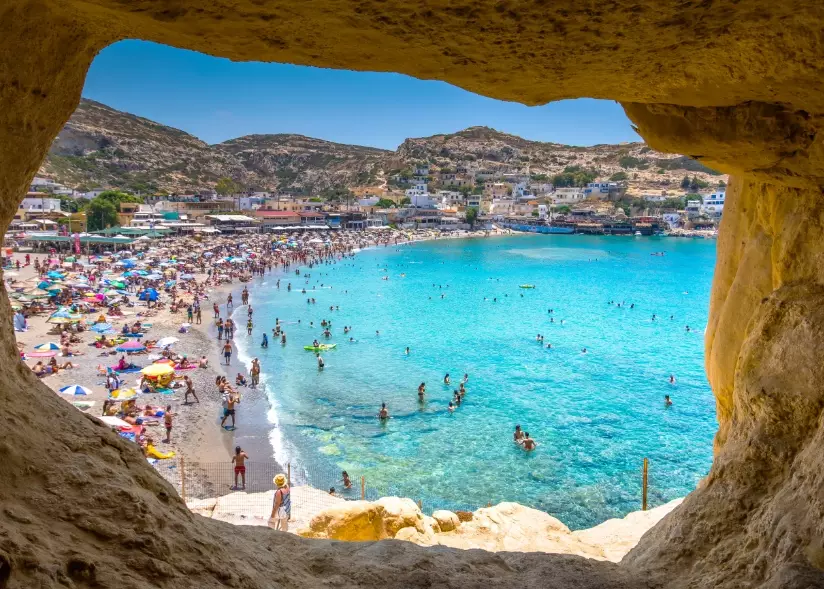
Details: Address: Rovinj, Croatia. Accessible by bus from Pula. Hotels: €70-120 per night.
Instead of Santorini: Try Naxos, Greece
Naxos is the largest Cycladic island, with beaches, villages, and ancient ruins. It's less touristy, so you get a more authentic Greek experience. The Portara (temple doorway) is free to visit, and beaches like Agios Prokopios are spacious. I stayed there for a week; accommodation averaged €60 per night, and sunset views were crowd-free.
Details: Address: Naxos, Cyclades, Greece. Ferries from Athens. Best time: May or September.
These alternatives aren't just backups—they're often better. You'll interact with locals, save money, and actually relax. A common mistake is sticking to bucket-list items; branching out can lead to memorable adventures.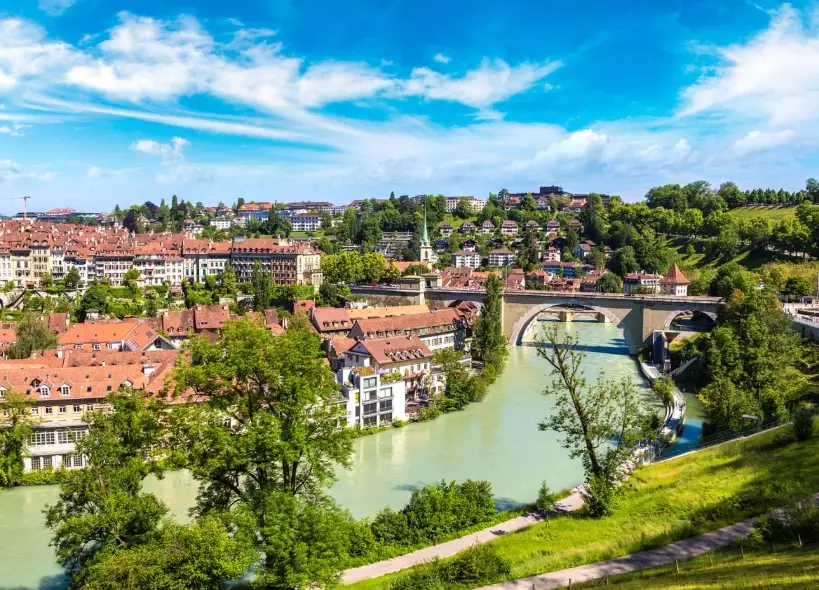
Frequently Asked Questions
Final thought: travel smart. Europe is vast, and avoiding a few hotspots doesn't mean missing out. By choosing wisely, you'll have a richer, safer journey. Keep this guide handy, and always stay curious—but cautious.

Comments
Join the discussion