In This Guide
- The Big Picture: How Fiji's Islands Are Actually Organized
- Deep Dive into the Must-See Fiji Tourism Places
- Beyond the Beach: Cultural & Adventure Fiji Tourism Places
- Planning Your Trip: The Nitty-Gritty Stuff Everyone Forgets to Ask
- Your Fiji Tourism Places FAQ – Real Questions, Real Answers
- Final Thoughts: Making It Your Own
Let's be honest. When you think of Fiji tourism places, you probably see those perfect Instagram shots of overwater bures and turquoise water. And yeah, that stuff exists. But there's so much more to it. Having spent a good chunk of time island-hopping there, I found the real magic often lies in the spots the brochures don't scream about. The local markets, the village visits that feel genuine, the hidden beach you have to ask a boat captain about.
This guide isn't just a list. It's a breakdown of where to go, what it actually feels like, and who each spot is really for. Because choosing the right Fiji tourism places can mean the difference between a generic resort holiday and a trip you remember for decades.
We'll dig into the famous spots, the quiet ones, the cultural heartlands, and the adventure bases. I'll even throw in some things I wish I'd known before I went – like which islands are actually worth the extra flight, and where you might feel a bit trapped if you're not a dedicated beach bum.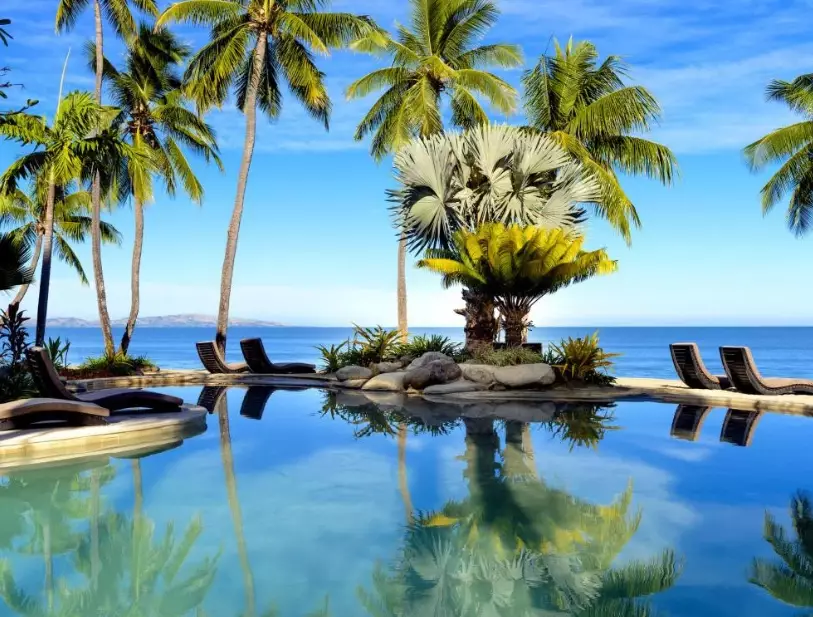
The Big Picture: How Fiji's Islands Are Actually Organized
First things first, Fiji isn't just one island. It's an archipelago of over 300, which is overwhelming. To make sense of it, you need to think in groups. Your flight will land at Nadi (pronounced *Nahn-di*) on the main island, Viti Levu. From there, you're looking at a few key clusters of Fiji tourism places.
Your choice fundamentally shapes your trip. Want easy access, lots of day-trip options, and maybe a mix of resort and exploring? Stick to Viti Levu and the nearby Mamanucas. Want to feel like you've escaped completely, with pristine reefs and a slower pace? The Yasawas or Vanua Levu are your call.
Here’s a blunt table to help you decide where to start looking. It’s based on vibe, not just beauty.
Budget can stretch thin at high-end resorts here. Some islands are quite dry.
Divers, rainforest lovers, escaping crowds, authentic local life. The “Garden Island” (Taveuni) is unreal.
Short trips (due to extra flight/ferry time). Nightlife seekers.
Adrenaline junkies (shark diving, rafting). It’s the “Adventure Capital.”
Traditional beach relaxation. It’s more a base than a pretty beach destination.
| Island Region | Best For | Not So Great For | Travel Vibe |
|---|---|---|---|
| The Mamanucas (e.g., Mana, Malolo, Castaway) | First-timers, families, easy logistics, vibrant reefs, party-ish atmosphere on some islands. | Seeking deep cultural immersion or total solitude. Can feel busy. | Convenient & Social. Fast catamarans from Port Denarau. |
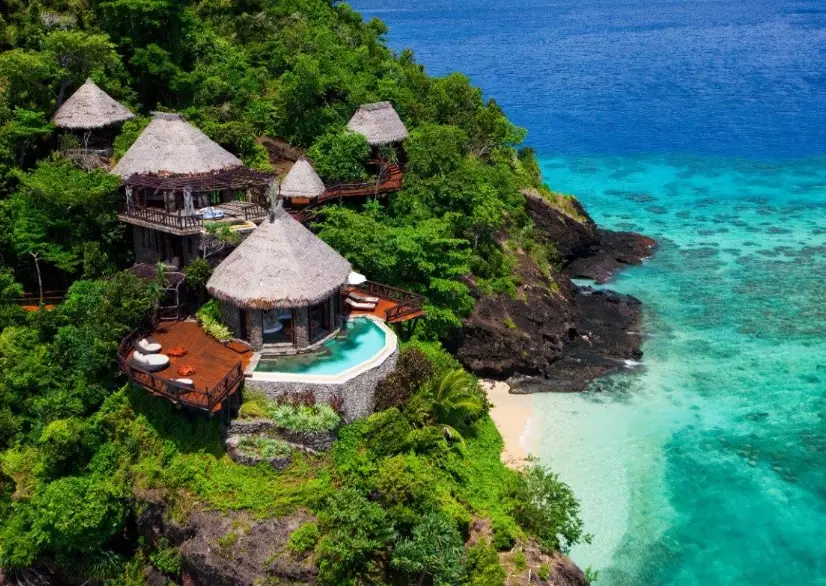
| The Yasawas (e.g., Tavewa, Naviti, Nacula) | Backpackers, stunning landscapes (those iconic hills!), more remote feel, great for island-hopping. | Rugged & Scenic. Accessed by longer ferry or seaplane. | |
| Coral Coast (Viti Levu) | Road trippers, budget travelers, mixing beach time with inland tours (waterfalls, villages). | Those wanting the “tiny island” feel. The beach isn't always swimmable right outside your door. | Easy & Varied. You have a car and can explore. |
| Vanua Levu & Taveuni | Authentic & Wild. Slower pace, focus on nature. | ||
| Pacific Harbour (Viti Levu) | Action-Packed. Basecamp for thrills. |
See what I mean? Picking your zone is the first and biggest decision. Now, let's zoom in.
Deep Dive into the Must-See Fiji Tourism Places
Alright, let's get specific.
The Mamanucas: Your Picture-Perfect Introduction
These are the Fiji tourism places you see in movies. Literally. ‘Cast Away’ was filmed here. The water is a ridiculous shade of blue, the sand is white, and the palm trees are perfectly placed.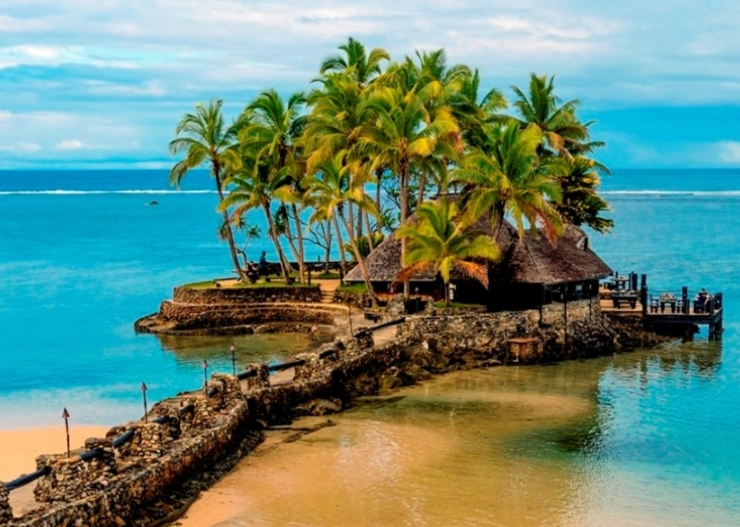
Mana Island is a great example. It has a nice mix – a lively side with a big resort and a quiet side for snorkeling. The reef right off the beach is teeming with life. It’s easy. You get off the catamaran, you're in paradise 10 minutes later.
Cloud 9 and Seventh Heaven, those floating pizza bar/platforms, are here. Fun? Sure. Overhyped? A bit. It's a pricey day out for a drink and a jump off the platform. But the photos are cool.
The real strength of the Mamanucas is accessibility. From Port Denarau, you can be on a beach sipping a coconut in under an hour. For families or people on a tight schedule, that’s gold.
The Yasawas: Where the Landscape Steals the Show
If the Mamanucas are pretty, the Yasawas are dramatic. Think long, sweeping bays backed by sharp, green volcanic hills. The Blue Lagoon, around Nacula Island, actually lives up to its name.
These Fiji tourism places feel more remote. The Yasawa Flyer ferry takes a few hours, winding through the islands. It’s part of the experience. You'll see backpackers hopping on and off with their packs, and luxury resorts tucked into private coves.
One of the most authentic experiences I had was visiting the Sawa-i-Lau Caves in the northern Yasawas. You swim into a dark cave, then dive under a rock wall to emerge in a breathtaking inner chamber, lit only by a hole in the ceiling. It’s spiritual. It’s also cold! But it’s the kind of thing you don't get in the Mamanucas.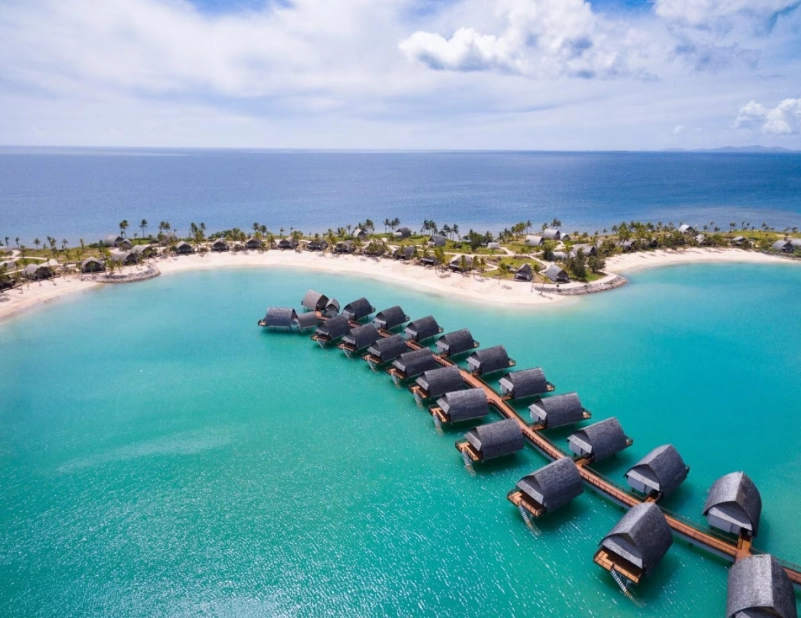
Viti Levu: Don't Skip the Main Island
Everyone rushes to the outer islands, but Viti Levu itself has some of the most diverse Fiji tourism places. The Coral Coast drive from Nadi to Suva is a classic for a reason.
Sigatoka Sand Dunes National Park is a weird and wonderful contrast to the beaches. It’s a massive system of dunes by the sea, with archaeological sites. You’ll have it mostly to yourself.
Then there's the interior. The Nausori Highlands. Driving up into the hills, the temperature drops, the air gets crisp, and you're in a world of rainforests, waterfalls like the Biausevu Waterfall, and tiny villages. You get a sense of Fiji’s ‘highland’ culture, which is different from the coastal one. It’s a great day trip to break up the beach days.
Suva, the capital, is often dismissed as just a rainy city. I liked it. It’s gritty, real, and has the fantastic Fiji Museum. Want to understand Fiji's complex history – from cannibal forks to colonial politics? This is the place. The Municipal Market is a sensory overload in the best way.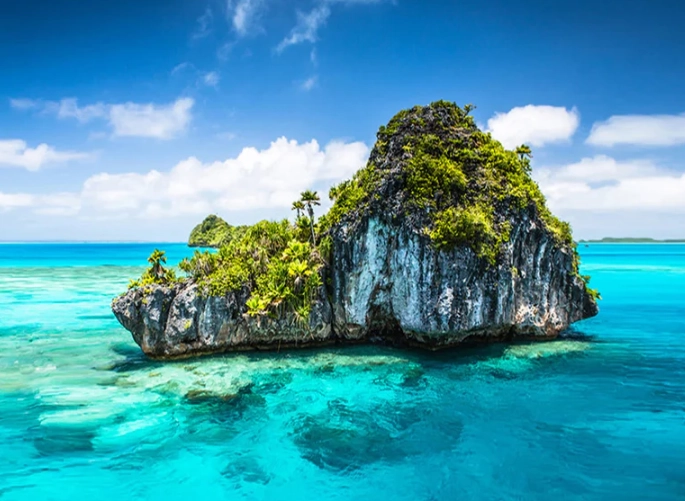
Beyond the Beach: Cultural & Adventure Fiji Tourism Places
If you only lie on a beach, you're missing half of Fiji.
Connecting with Culture (The Right Way)
A “village visit” can be awkward if it feels like a human zoo. The key is to visit places where tourism is managed by or directly benefits the community.
The Navala Village in the Nausori Highlands is incredible. It’s the last traditional village where all the houses (*bures*) are still built in the classic thatched style. You visit by invitation, usually through a tour, and participate in a *sevusevu* (gift-giving ceremony). It feels respectful. You can learn more about the *iTaukei* (Indigenous Fijian) way of life through official cultural resources like the Fijian Affairs Board.
Another amazing experience is the Firewalking ceremony on Beqa Island. It’s not a tourist trick; it’s a sacred ritual by the Sawau tribe. Watching men walk on white-hot stones is humbling. Tours from Pacific Harbour or the Coral Coast can arrange this.
For the Adrenaline Seekers
Pacific Harbour is your spot. This is where you go shark diving. Not little reef sharks – we’re talking bull sharks and tiger sharks. Operators like Beqa Adventure Divers have a phenomenal safety record and contribute to research. It’s a controlled, mind-blowing experience. You sit on the ocean floor while dozens of sharks circle. Yeah, your heart pounds.
Up the road, the Navua River offers white-water rafting and jet boat adventures through stunning gorges. It’s a different side of Fiji’s beauty – lush, deep, and roaring.
Even on the Coral Coast, you can zip-line through the forest canopy or go on off-road cave safaris. The point is, Fiji isn't just passive.
Planning Your Trip: The Nitty-Gritty Stuff Everyone Forgets to Ask
This is where most blogs stop. But the practicalities make or break a trip.
Getting Around: It's Not Always Simple
Between islands, you have three main options: ferry, plane, or private transfer. The ferries (like South Sea Cruises or Awesome Adventures) are the budget backbone. They're reliable but slow. Book online in advance during peak season.
Seaplanes and small domestic airlines (like Northern Air or Pacific Island Air) are expensive but save half a day. For a special splurge, the seaplane view is unbeatable. Seeing those reefs from above is worth every penny once.
On Viti Levu, you can rent a car. Drive on the left. Roads are mostly good on the Queen’s Road (coastal), but the King’s Road (interior) can be rough. Get a local SIM card (Vodafone or Digicel) for Google Maps.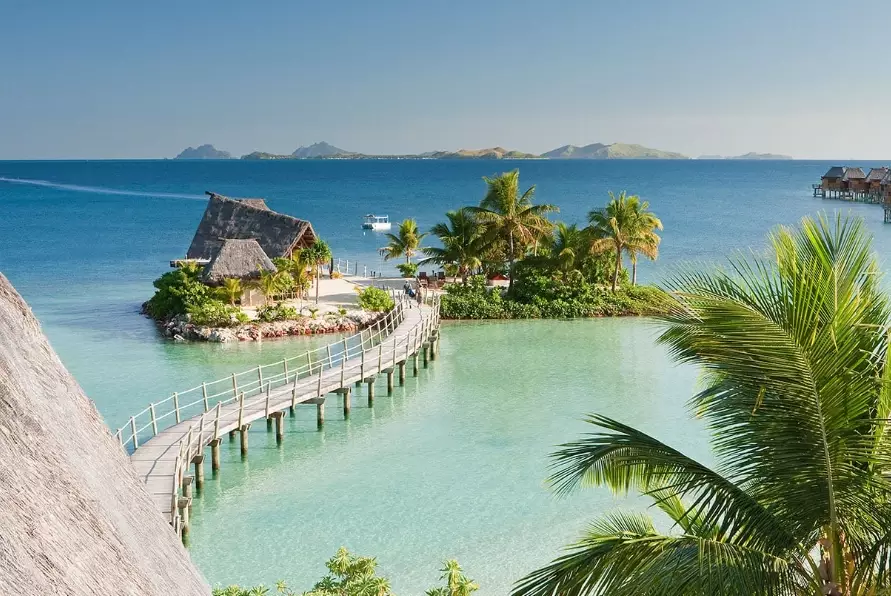
When to Go & What to Budget
The dry season (May to October) is peak. It’s cooler, less humid, and has less rain. It’s also more expensive and crowded. The wet season (November to April) is hotter, more humid, with brief heavy downpours. It’s also cheaper, greener, and has fewer tourists. But there is a risk of cyclones, especially Jan-Feb. I went in February and had one day of solid rain in a week. The rest was sunny. It’s a gamble.
Your Fiji Tourism Places FAQ – Real Questions, Real Answers
Let's tackle the stuff you're actually typing into Google.
Final Thoughts: Making It Your Own
Choosing your Fiji tourism places is about matching the place to your travel personality. Don't just chase the most famous name.
Ask yourself: Do I need constant activity or pure chill? Do I want to meet other travelers or be alone? Is my budget tight, or am I splurging?
The best Fiji trip mixes a bit of everything.
A few days in the lively Mamanucas, a few in the dramatic Yasawas, and a day or two exploring the culture and hills of Viti Levu. That combination gives you the postcard, the adventure, and the heart of the country.
For the most accurate, up-to-date travel advisories and official info, always double-check the Fiji Tourism website before you book. Things change, ferry schedules shift, and it's the official source.
Fiji has this way of getting under your skin. It’s not just the beauty. It’s the people’s warmth, the rhythm of life, the sound of “Bula!” everywhere you go. Pick your places wisely, go with an open mind, and you’ll find your own version of paradise beyond the obvious Fiji tourism places.
Comments
Join the discussion