My first step into the Marrakech medina was a full-body experience. The scent of orange blossom and cumin, the kaleidoscope of woven textiles, the sound of a hundred simultaneous negotiations—it was exhilarating and completely overwhelming. I made every rookie mistake in the book. I got lost within five minutes, paid triple for a taxi, and spent my first night wondering if I was cut out for this.
Turns out, I was. You are too.
That trip taught me more about travel than a dozen easier vacations. Morocco isn't a place you just see; it's a place you negotiate, navigate, and ultimately, fall for. This guide is everything I learned the hard way, distilled into practical advice to make your first visit not just manageable, but magical.
Your Quick Navigation to This Morocco Guide
What to Know Before You Book Your Ticket
Let's cut through the Instagram filter. Morocco is stunning, but it challenges you. A little prep goes a long way.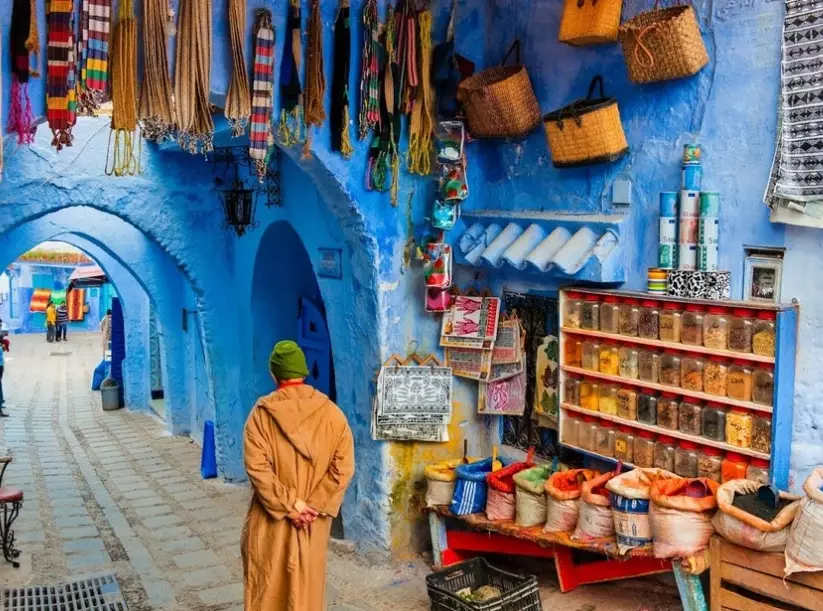
Safety, Budget, and Timing
Is it safe? For the vast majority of travelers, yes. Petty crime like pickpocketing exists in crowded souks. Violent crime against tourists is rare. The bigger issue for first-timers is navigating persistent touts and scam artists—more on that later. Solo women need extra vigilance regarding harassment, which is common but rarely physical.
Budget realistically. Morocco can be cheap, but "budget" often means more hassle. A mid-range budget ($70-$120/day) lets you stay in beautiful riads, eat well, and hire a good guide when needed. Don't forget cash for tips (small change for everyone) and souvenirs you didn't plan on buying.
Timing is everything. Spring (March-May) and Fall (Sept-Nov) are ideal. Summer is scorching, especially inland. Winter brings cold nights to the desert and mountains. I went in April—perfect weather for exploring, warm enough for the coast.
Packing Non-Negotiables: Comfortable walking shoes you can wear for miles on uneven ground. A lightweight scarf (for women to cover hair/shoulders, for everyone to use as a sun shield). Plug adapters (Type C/E). Photocopies of your passport. A small first-aid kit. Pepto-Bismol. Seriously.
A Realistic 7-Day First-Timer's Itinerary
Trying to see everything in one week is the top mistake. This loop balances iconic sights with breathing room.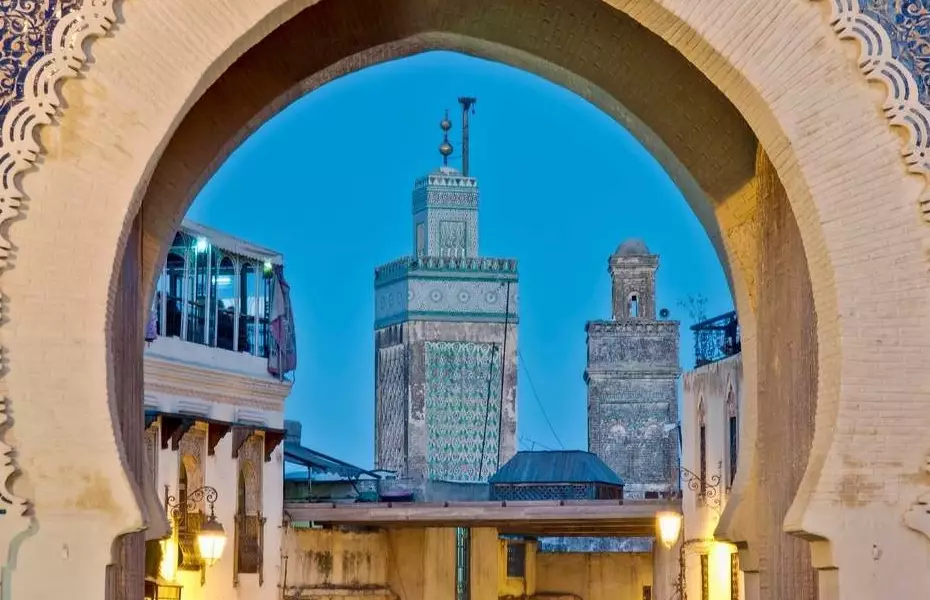
Day 1-2: Marrakech. Land, recover from jetlag. Get lost in the Jemaa el-Fnaa square at dusk. Visit the Bahia Palace (70 MAD entry, open 9am-5pm) and the Saadian Tombs. Don't try to "do" the souk in one go. Pick a lane, explore, retreat to a rooftop cafe.
Day 3: Day Trip to the Atlas Mountains. Book a driver/guide to Ourika Valley or Imlil. Breathe the mountain air, have tea with a Berber family. It's a crucial reset from the city chaos.
Day 4-5: Sahara Desert (Merzouga). This is a long journey. Book a 2-day/1-night tour from Marrakech (often via Ouarzazate). The 4x4 ride, camel trek, and night in a desert camp under the stars is worth the travel time. Budget around $200-$300 for a decent tour.
Day 6: Fes. Fly or take the train from Marrakech to Fes. The Fes medina is older, denser, and less tourist-oriented than Marrakech. You will need a guide here. Hire an official one through your riad (approx 300 MAD for half-day) to see the tanneries and Al-Attarine Madrasa.
Day 7: Fes & Departure. Last-minute spice shopping, then head to the airport.
Too fast? Drop the Sahara and add more days in Marrakech and Fes, or extend to the coast at Essaouira.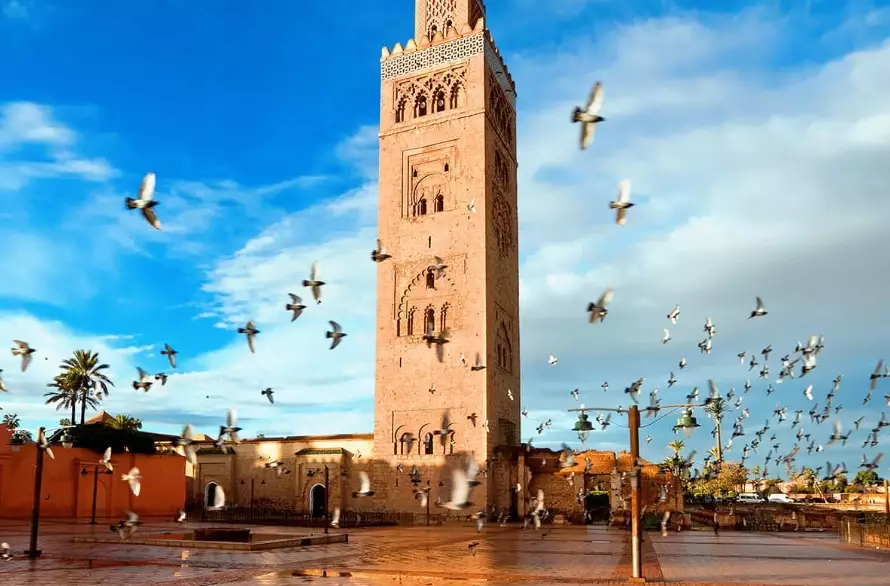
Where to Go: Cities, Desert & Coast
Each city has a distinct personality. Don't expect them to be interchangeable.
Marrakech: The Red City
The gateway for most. It's chaotic, touristy, and utterly captivating. Beyond the main square, seek out the Jardin Majorelle (YSL Gardens). Book tickets online to skip the long queue. The Musée Yves Saint Laurent next door is a stunning modern contrast. For a quiet moment, the Le Jardin Secret is a restored riad garden hidden in the medina.
Getting around: Petit taxis are cheap. Always insist they use the meter. If they refuse, get out and find another. It's the law.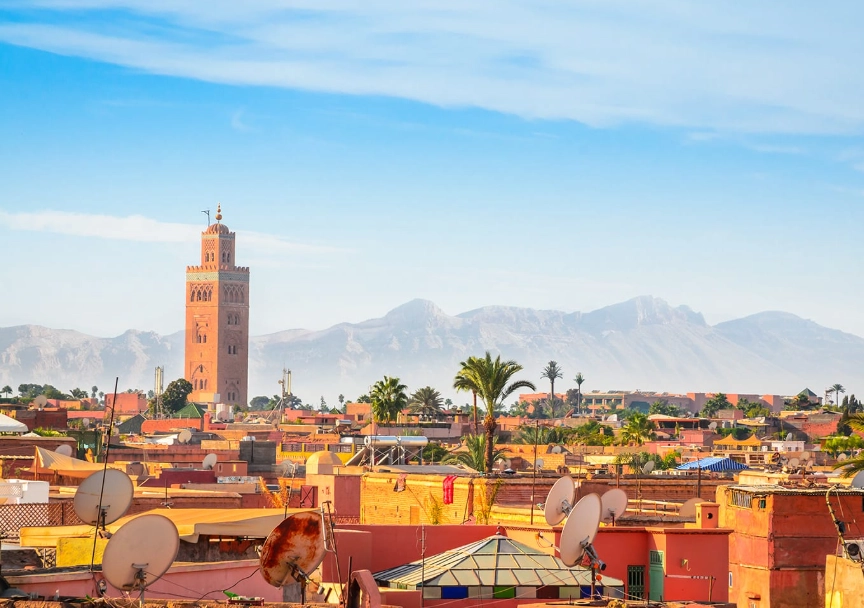
Fes: The Medieval Mind-Bender
Fes feels like stepping into the 9th century. The medina is a UNESCO-listed labyrinth. The famous Chouara Tannery is a must-see (go early, accept the mint sprig they offer for the smell). The Bou Inania Madrasa is architectural perfection. Fes is less about ticking boxes and more about absorbing the atmosphere.
Pro Tip: The "guide" who "just wants to practice English" and leads you to "his uncle's shop" is a classic scam. Be politely firm: "No guide, thank you."
The Sahara Desert (Merzouga/Erg Chebbi)
This is the iconic sea of dunes. The journey is part of the experience. Book a reputable tour that includes 4x4 transport, camel ride, camp dinner, and overnight stay. Read reviews. The budget option often means crowded camels and a camp far from the dune lines.
Essaouira: The Windswept Escape
A 3-hour bus ride from Marrakech. This fortified coastal town is the antidote to the intensity of the interior. It's breezy, laid-back, famous for its skala (sea walls) and fresh seafood grilled right on the port. Perfect for 2 relaxed days.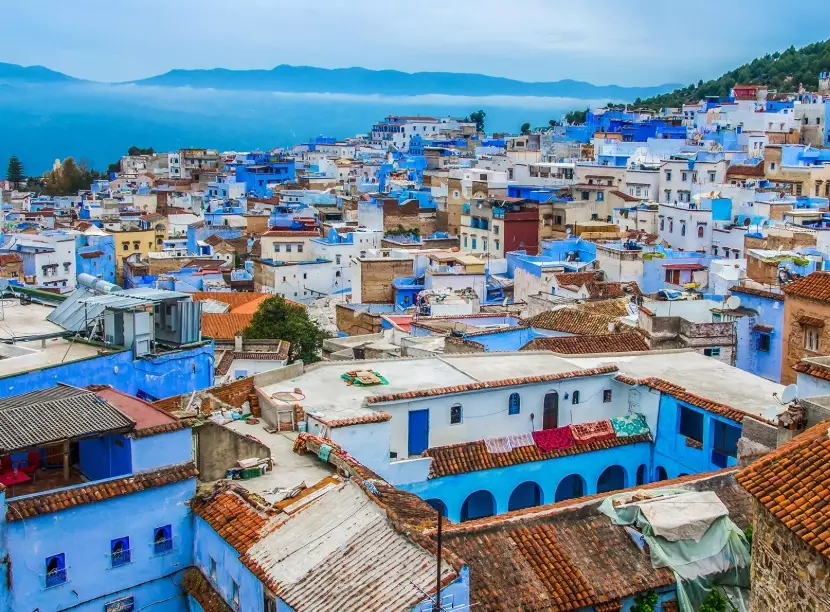
Eating & Sleeping: From Street Food to Riads
Must-Try Moroccan Food (And Where to Find It)
Forget fancy restaurants at first. Start with the staples.
- Tagine: The slow-cooked stew. Try chicken with preserved lemon and olives, or lamb with prunes.
- Couscous: Traditionally served on Fridays. Fluffy semolina with vegetables and meat.
- Street Food: Msemen (flaky pancake), harira (hearty soup), and snail soup from the Jemaa el-Fnaa stalls. Trust the busy stalls.
- Where to eat in Marrakech: Nomad (1 Derb Aarjane, Medina) for modern Moroccan on a fabulous rooftop. Mains 120-180 MAD. Le Jardin is another gorgeous courtyard option.
- Drink: Mint tea is a ceremony. Fresh orange juice is everywhere and delicious. Tap water is not safe to drink—buy bottled.
Staying in a Riad: It's Not Just a Hotel
A riad is a traditional house with an interior garden courtyard. Staying in one is essential. They are oases of calm behind unassuming doors. Book one with 24-hour reception—getting lost and needing help after dark is real.
| City | Riad/Hotel Suggestion | Style & Vibe | Price Range (Per Night) |
|---|---|---|---|
| Marrakech | Riad BE Marrakech | Authentic, stunning rooftop, superb staff. In the southern Medina. | $80-$150 |
| Marrakech | El Fenn | Boutique luxury. Pools, art, incredible service. A splurge. | $300-$600 |
| Fes | Riad Fes - Relais & Châteaux | Palatial luxury, pool, spa. Perfect service to navigate Fes. | $200-$400 |
| Fes | Riad Laaroussa | Charming, family-run, beautiful courtyard and hammam. | $100-$180 |
| Essaouira | Villa Maroc | Historic guesthouse, sea views, bohemian charm. | $70-$120 |
Culture & Navigation: Avoiding Faux Pas
Respect smooths every interaction.
- Dressing: Conservative dress is respectful and practical. For women, cover shoulders and knees. Loose, breathable fabrics are best. Men should avoid tank tops and very short shorts in medinas.
- Photography: Always ask permission before photographing people. A smile and a gesture to your camera is enough. Some will ask for money; that's your choice. Never photograph military installations.
- Haggling: It's expected in souks. Start at 30-40% of the asking price. Be friendly, be prepared to walk away. For small items (
- Religion: Ramadan changes the rhythm. Many restaurants close during the day, and sensitivity is required. Check dates if you're planning.
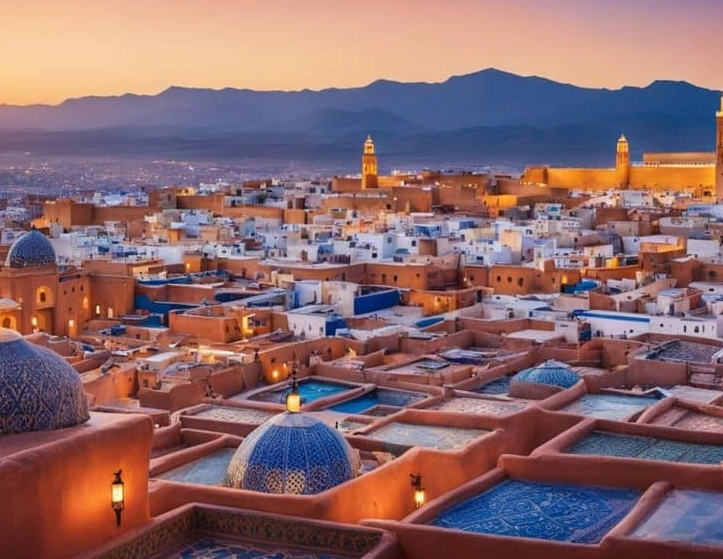
The "Free Guide" & "Closed Road" Scam: In Fes especially, young men will tell you a main road is closed or that you need a guide to find a place. They are lying to earn a guiding fee. Politely say "No, thank you" and keep walking. Use Google Maps offline—it works surprisingly well in medinas.
Staying Safe & Savvy: Common Scams Deconstructed
Most "scams" are just aggressive salesmanship. Stay calm and assertive.
The Henna Lady Grab: Women in Jemaa el-Fnaa will grab your hand and start applying henna, then demand exorbitant payment. Keep your hands to yourself, say a firm "LA!" (no in Arabic) and walk away.
The "My Shop is Just Here": A friendly local strikes up a conversation, then insists you visit his shop for tea. It's a sales pitch. "No, thank you, I have an appointment" works.
Fake Guides: Only use guides licensed by the Moroccan National Tourist Office. Your riad can arrange a good one.
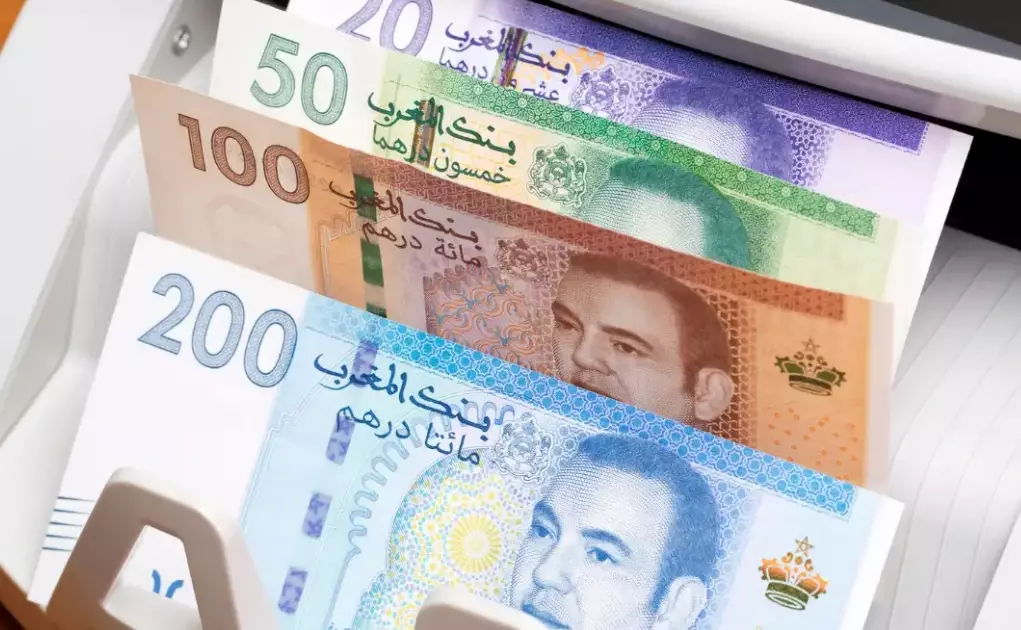
Money Exchange: Only change money at official bureaux de change, banks, or ATMs. Never on the street.
Your best defense? A sense of humor and not taking yourself too seriously.
Your Burning Questions Answered
Visiting Morocco for the first time will test your patience and reward you with memories that last a lifetime. Embrace the chaos, pack your sense of adventure (and that scarf), and go. You'll come back different.
Comments
Join the discussion