Let's be honest. Most "top European foods" lists just throw famous names at you—paella, pizza, pasta. But they don't tell you where to find the real thing, the place where locals actually go, or how to order it without looking like you just stepped off a tour bus. After a decade of eating my way across the continent, from cramped Berlin kneipes to sun-drenched Sicilian trattorias, I've learned that the magic is in the details.
This isn't just a list. It's a field guide. For each of these 10 essential European dishes, I'm giving you a specific spot to try it, with addresses, price ranges, and the little insider tip that makes the difference.
Your Quick Bite-Sized Guide
The Top 10 European Foods: A Culinary Countdown
We're starting in the south and working our way around. Remember, quality varies wildly. The goal is to find the benchmark—the version against which you'll measure all others.
Top 1: Neapolitan Pizza (Italy)
Forget everything you know about delivery pizza. A true Neapolitan pizza, as defined by the Associazione Verace Pizza Napoletana, is a different creature. The crust ("cornicione") should be puffy, leopard-spotted from the 900°F wood fire, and tender. The center is soft, almost soupy. The ingredients are sparse: San Marzano tomatoes, fior di latte or bufala mozzarella, fresh basil, olive oil, and maybe a sprinkle of sea salt.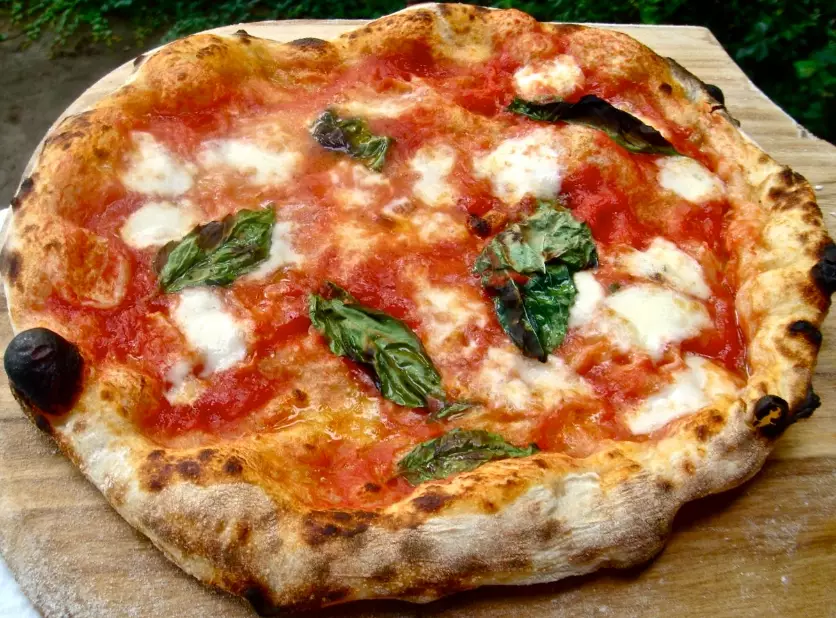
Address: Via Cesare Sersale, 1, 80139 Napoli NA, Italy.
Damage: A Margherita will set you back about €5-€6.
Go at: An off-peak hour (like 3 pm) to avoid the epic queue. Or head to nearby 50 Kalò (Piazza Sannazaro, 201/c) for a modern take with similarly stellar credentials.
Top 2: Croissant & Pain au Chocolat (France)
A Parisian breakfast ritual. A perfect croissant should shatter into a thousand buttery, flaky layers when you break it. It should be golden, not pale. The interior is honeycombed with air pockets. The pain au chocolat is its superior cousin, in my opinion—the same pastry wrapped around two dark chocolate batons.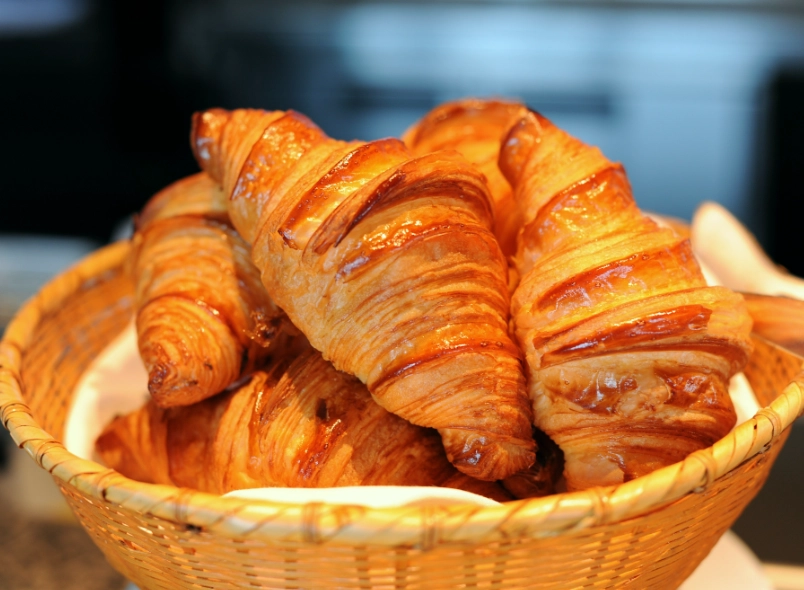
Address: 34 Rue Yves Toudic, 75010 Paris, France.
Damage: Around €1.30 for a croissant, €1.60 for a pain au chocolat.
Go at: Morning, obviously. Be prepared to point—it's busy, and the charm is in the no-nonsense efficiency.
Top 3: Paella Valenciana (Spain)
First rule: real paella is from Valencia. Second rule: it's a lunch dish, often for sharing. The authentic "Paella Valenciana" contains chicken, rabbit, sometimes duck, green beans, butter beans, and saffron-infused rice cooked in a wide, shallow pan to create the prized crispy bottom layer ("socarrat"). Seafood paella is a coastal variant. Avoid places that serve it as a single portion for dinner; that's for tourists.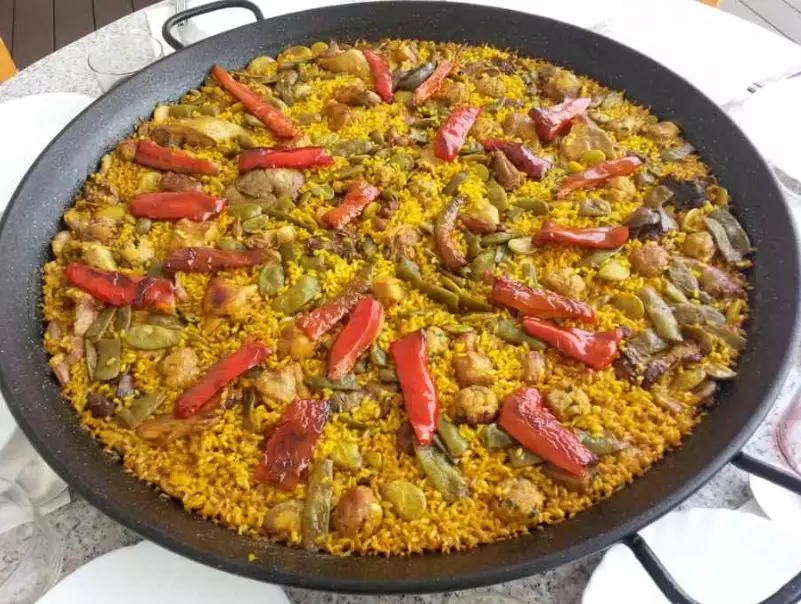
Address: C/ de l'Arquebisbe Mayoral, 5, 46002 València, Spain.
Damage: €18-€25 per person for a multi-course meal with paella.
Go at: Lunchtime (1:30-3:30 PM). Call a day ahead to reserve and confirm your paella order.
Top 4: Moussaka (Greece)
The ultimate Greek comfort food. Layers of sautéed eggplant and/or potato, spiced minced lamb or beef, and a creamy béchamel sauce, baked until golden and bubbling. It's rich, hearty, and deeply satisfying. The quality hinges on the freshness of the eggplant and the balance of cinnamon and nutmeg in the meat sauce.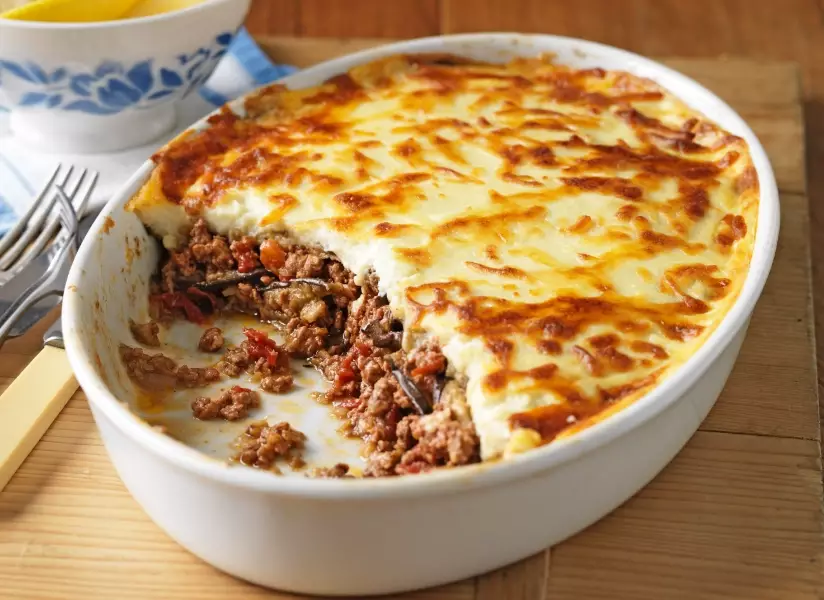
Address: Eschilou 12, Athina 105 54, Greece.
Damage: Around €10-€12 for a generous portion.
Go at: Evening for dinner. Pair it with a Greek salad (horiatiki) and some house wine.
Top 5: Hungarian Goulash (Hungary)
This is a stew, not a soup. Real goulash ("gulyás") is a paprika-forward, slow-cooked cauldron of beef, onions, carrots, potatoes, and sometimes csipetke (pinched pasta dumplings). The paprika is key—Hungarian paprika, sweet or smoky, is a protected product under EU geographical indication. It should be hearty, warming, and deeply flavorful.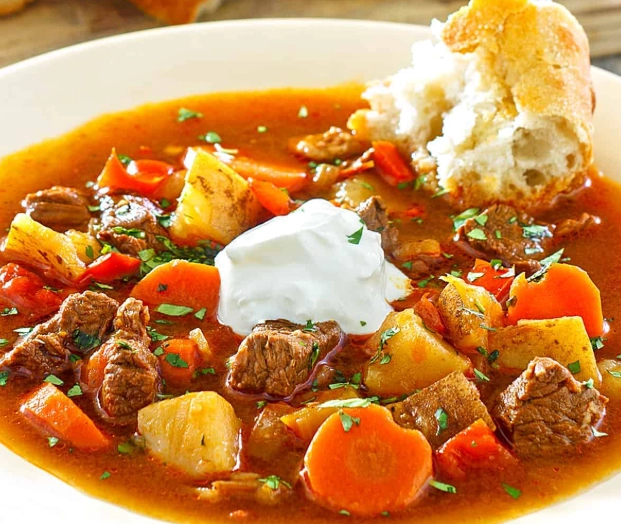
Address: Klauzál u. 9, 1072 Budapest, Hungary.
Damage: Very reasonable, around €6-€8 for a main.
Go at: Lunch (opens 11:30 AM). Get there early, as it's cash-only and queues form quickly. It's an experience.
Top 6: Fish and Chips (United Kingdom)
Done right, it's sublime. Done wrong, it's a greasy mess. Look for a place that uses fresh, sustainably sourced cod or haddock (check the Marine Stewardship Council blue tick), dips it in a light, crispy beer batter, and fries it in beef dripping or clean oil. It should be served with thick-cut chips (fries), mushy peas, and a side of tartar sauce. Malt vinegar is non-negotiable.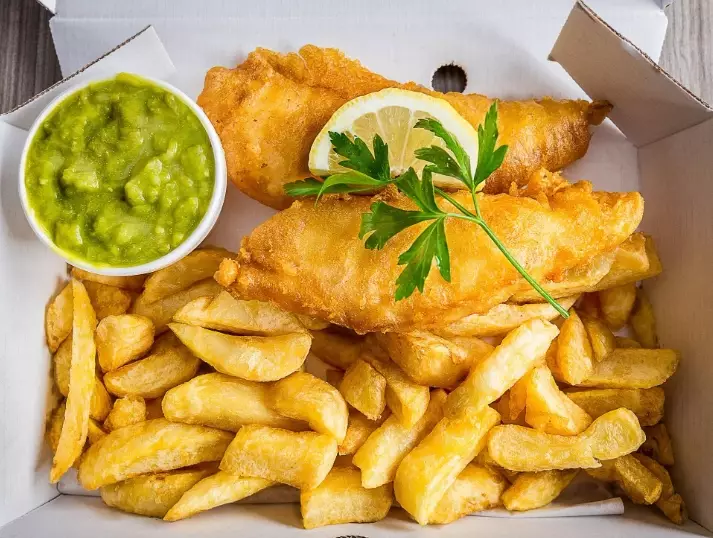
Address: 73 Marylebone Ln, London W1U 2PN, UK.
Damage: £15-£20 for a full meal.
Go at: Lunch or early dinner. It's small, so avoid peak times.
Top 7: Wiener Schnitzel (Austria)
The benchmark for breaded meat. A genuine Wiener Schnitzel is only made from veal, pounded tissue-thin, lightly salted, dredged in flour, egg, and breadcrumbs, then fried in clarified butter or lard until it puffs up like a golden cloud. It should be crispy, not greasy, and served with a wedge of lemon and a simple potato salad or cranberry sauce.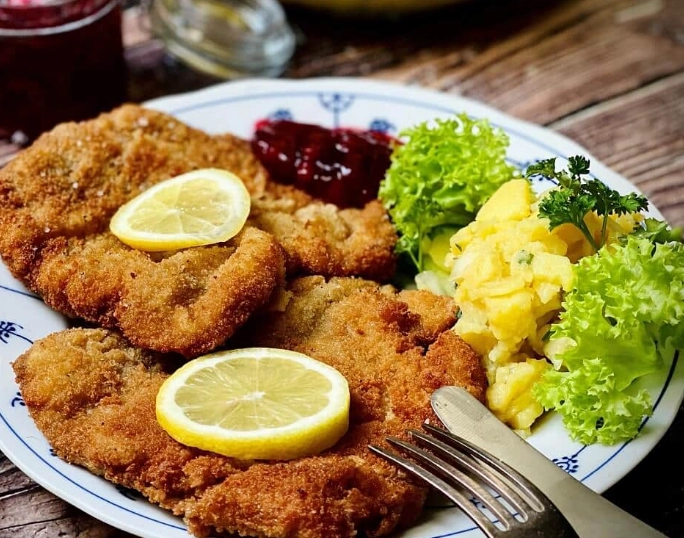
Address: Bäckerstraße 6, 1010 Wien, Austria.
Damage: €20-€25 for the classic veal schnitzel.
Go at: You must book a table. It's perpetually busy.
Top 8: Belgian Moules-Frites (Belgium)
A simple, perfect combination. A giant pot of mussels, traditionally steamed with white wine, celery, onion, and herbs ("marinière"), served with a mountain of double-fried, crispy-on-the-outside, fluffy-on-the-inside frites. The fries are meant to be dipped in mayonnaise. Don't argue, just do it.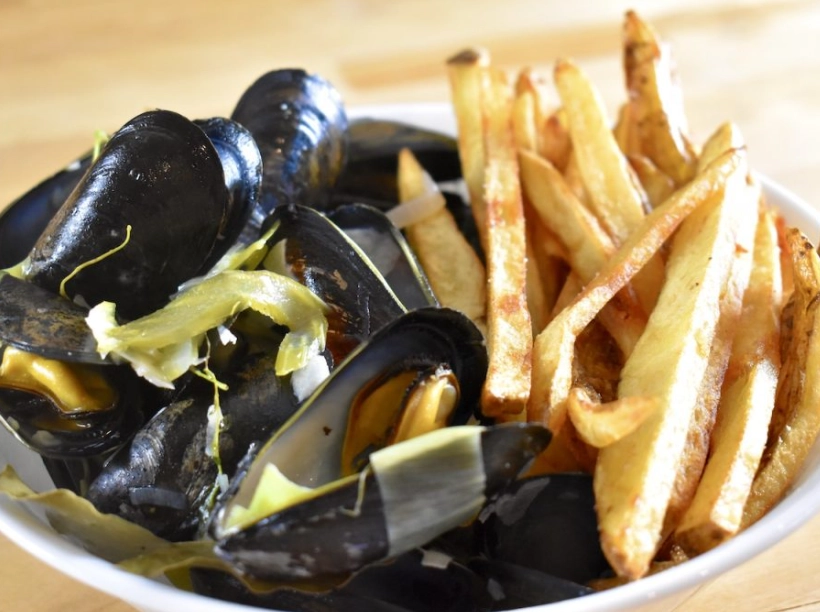
Address: Rue des Bouchers 18, 1000 Bruxelles, Belgium.
Damage: Around €25-€30 for a pot of mussels with frites.
Go at: Evening. The street is chaotic but fun. For a less touristy vibe, try Au Vieux Saint Martin around the corner.
Top 9: Portuguese Pastel de Nata (Portugal)
This custard tart is a phenomenon. The pastry shell is flaky and slightly charred from a super-hot oven. The custard is creamy, sweet, and often dusted with cinnamon. The best ones have a distinct wobble. You can find them everywhere, but the originals from Belém are protected by a secret recipe.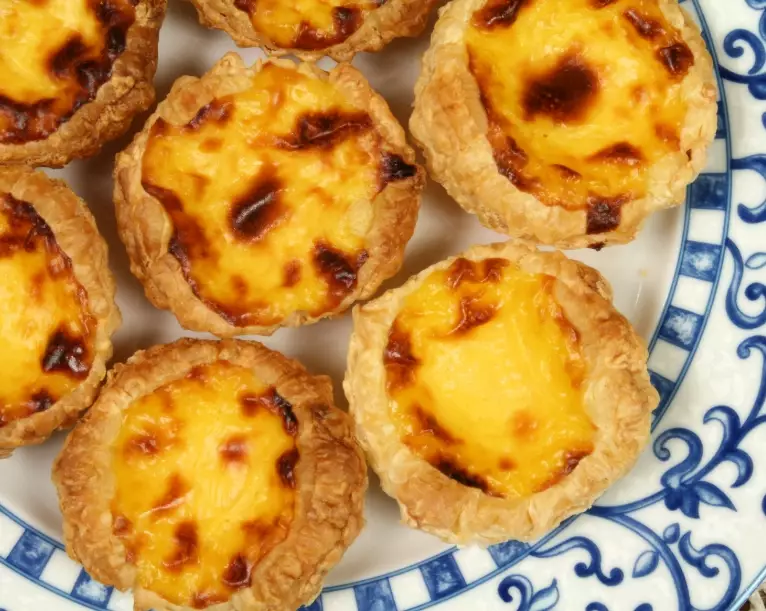
Address: R. de Belém 84 92, 1300-085 Lisboa, Portugal.
Damage: About €1.20 per tart.
Go at: Any time, but expect a queue. Eat them warm, sprinkle with cinnamon and powdered sugar.
Top 10: Polish Pierogi (Poland)
Dumplings of joy. Tender dough pockets filled with anything from savory potato and cheese ("ruskie"), minced meat, cabbage and mushroom, to sweet blueberries or sweet cheese. They're boiled, then sometimes pan-fried for extra texture. Served with sour cream, fried onions, or bacon bits.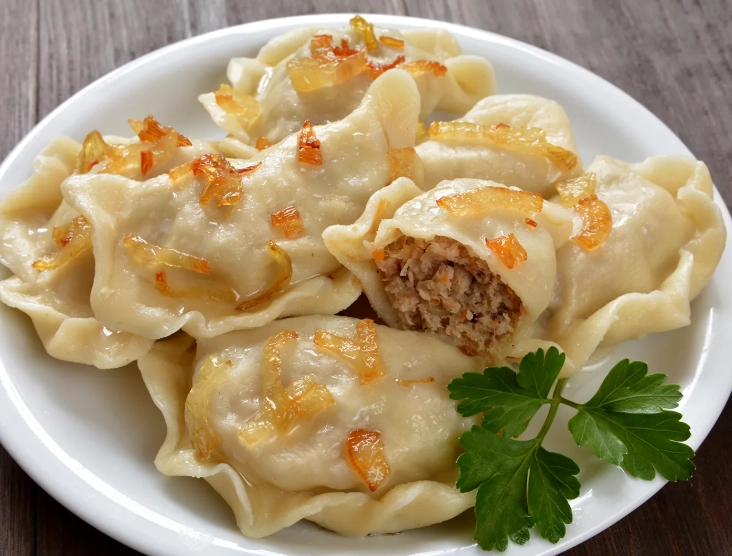
Address: ul. Elżbietańska 4/8, 80-894 Gdańsk, Poland.
Damage: A plate of pierogi costs around €7-€10.
Go at: Lunch or dinner. It's popular, so a short wait is possible.
How to Eat Like a Local in Europe? (The Unwritten Rules)
Knowing what to eat is half the battle. The other half is knowing how to eat. Here are the rules they don't print in the guidebooks.
Observe meal times. In Southern Europe (Spain, Italy, Greece), lunch is 1:30-3:30 PM, dinner starts at 8:30-9:30 PM or later. Showing up at 6 PM for dinner means you'll get the tourist menu. In the UK and Germany, things are earlier—7 PM for dinner is common.
Bread & Water. In Italy, that bread basket on the table? You'll likely be charged a "coperto" (cover charge) for it, usually €1-€3 per person. It's normal. In Germany and Austria, tap water isn't commonly ordered in restaurants; you'll get bottled mineral water (still or sparkling).
Ordering Coffee. In Italy, cappuccino is a breakfast drink. Ordering one after 11 AM, especially after a meal, is a telltale sign of a tourist. An espresso ("un caffè") is the standard post-meal choice. In France, a "café" is an espresso. A "café au lait" is for breakfast.
Planning Your European Food Trip: A Practical Framework
Don't just pin restaurants on a map. Think in terms of experiences.
- Day 1: The Iconic Meal. Pick one must-try dish from the list above and book the recommended spot. Build your day around it.
- Day 2: Market Day. Visit a major food market in the morning. Have breakfast there. Grab ingredients for a picnic lunch. Markets are sensory overload and the best way to understand local produce.
- Day 3: The Neighborhood Crawl. Pick a residential neighborhood (not the city center). Have an aperitivo in a local bar, dinner in a family-run trattoria/taverna, and a nightcap in a pub. This is where you find the real rhythm of the city.
Doing Europe on a Budget? Your Food Strategy
Fine dining is great, but street food and lunch deals are where the value is.
In Spain, the "menú del día" (menu of the day) is your best friend. For €10-€15, you get a starter, main, dessert, bread, and a drink. It's how locals eat lunch. In France, look for "formule" or "plat du jour" signs. In Italy, many restaurants offer a "menù turistico," but the quality can be hit or miss; a better bet is a pizzeria or a "tavola calda" (cafeteria-style hot table).
Supermarkets are also your ally. Grab cheese, charcuterie, bread, and fruit for an incredible park picnic. In Germany, hit a bakery for a pretzel or a slice of Flammkuchen.




Comments
Join the discussion