If you're planning a trip to Canada, you might be scratching your head wondering where everyone ends up. I've lived here for years, and let me tell you, tourists flock to a mix of iconic cities and jaw-dropping natural spots. But it's not just about ticking off landmarks—it's about experiencing the culture, avoiding pitfalls, and maybe finding a hidden gem or two. In this guide, I'll break down the top destinations, give you practical details like ticket prices and addresses, and share some insider tips that most travel blogs gloss over.
Jump to What You Need
The Big Cities: Where Urban Adventures Unfold
Most tourists start in the cities—and for good reason. They're hubs of culture, food, and easy access to attractions. But not all cities are created equal. Here’s where visitors typically go, with specifics to help you plan.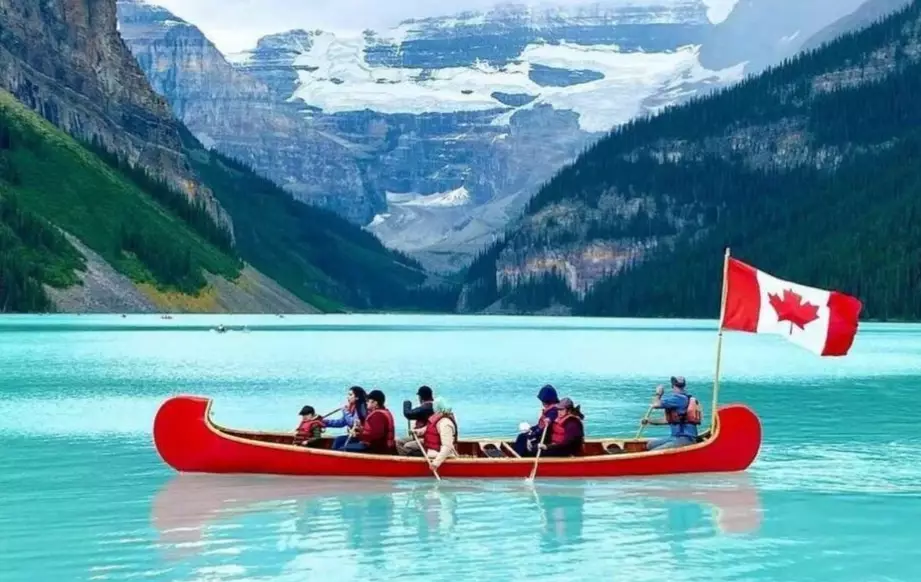
Toronto: The Heart of Ontario
Toronto is a magnet for tourists. The CN Tower dominates the skyline, and yes, it's worth the visit. Address: 301 Front St W, Toronto, ON M5V 2T6. Tickets run about $40 CAD for adults, and it's open daily from 9 AM to 10:30 PM. Book online to skip lines. Beyond that, Kensington Market is a quirky neighborhood with vintage shops and global eats. I find the Distillery District a bit overhyped—nice for photos, but pricey for drinks.
Public transit is decent; take the TTC subway to get around. A day pass costs $13.50 CAD. For accommodation, budget hotels near downtown start at $150 CAD per night. Check out the Royal Ontario Museum if you're into history, but it can be crowded on weekends.
Vancouver: Where Mountains Meet Ocean
Vancouver draws nature lovers and city slickers alike. Stanley Park is free and massive—rent a bike to explore its seawall. Address: Vancouver, BC V6G 1Z4. Capilano Suspension Bridge is popular but pricey at $55 CAD; I prefer the free Lynn Canyon Park for a similar vibe. Granville Island is great for food markets, open 9 AM to 7 PM daily.
Getting around: Use TransLink, with a Compass Card for buses and SkyTrain. A two-zone fare is about $4.25 CAD. Hotels in downtown Vancouver average $200-300 CAD per night. Rain is common, so pack a jacket—I've been caught in downpours even in summer.
Montreal: A Taste of Europe
Montreal feels like a slice of France. Old Montreal (Vieux-Montréal) is the historic core, with cobblestone streets and Notre-Dame Basilica. Address: 110 Notre-Dame St W, Montreal, QC H2Y 1T1. Entry is $8 CAD. The city’s food scene is legendary; try poutine at La Banquise (open 24/7, 994 Rue Rachel E).
Montreal’s metro system is efficient; a day pass is $11 CAD. Accommodation in Plateau Mont-Royal starts around $120 CAD per night. Winter visits can be brutal, but the festivals like Igloofest make it fun.
Here’s a quick comparison of these cities:
| City | Top Attraction | Approx. Cost (CAD) | Best Time to Visit |
|---|---|---|---|
| Toronto | CN Tower | $40 | May-Sep |
| Vancouver | Stanley Park | Free | Jun-Aug |
| Montreal | Old Montreal | $8 (basilica) | Jun-Sep |
Natural Wonders: Canada’s Outdoor Playgrounds
Beyond cities, Canada’s landscapes steal the show. Tourists often head to national parks and iconic sites, but timing is everything to avoid crowds.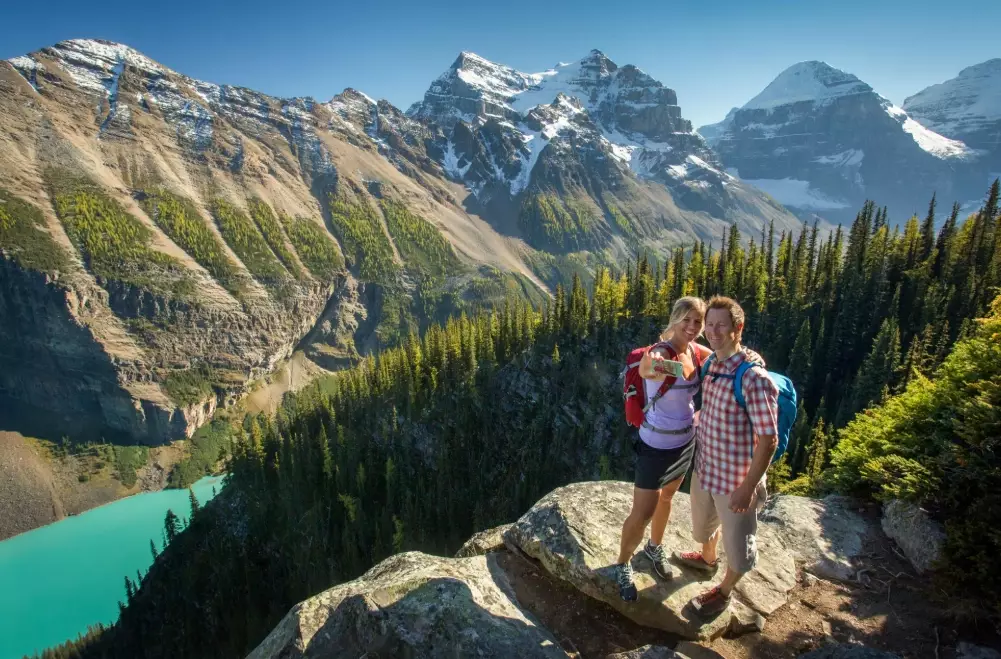
Banff National Park: The Rocky Mountain Gem
Banff in Alberta is a must-see. Address: Improvement District No. 9, AB. You'll need a Parks Canada pass: $10.50 CAD per person per day. Lake Louise is stunning but packed by 10 AM—go early or visit in September for fall colors. Moraine Lake access is limited; check the Parks Canada website for shuttle info.
Accommodation in Banff town starts at $200 CAD per night; consider camping for budget options. Activities include hiking, canoeing (rentals around $80 CAD/hour), and soaking in Banff Upper Hot Springs ($16.50 CAD). I’ve seen tourists underestimate the altitude—take it slow to avoid headaches.
Niagara Falls: The Iconic Waterfall
Niagara Falls, Ontario, is on every tourist list. Address: 6650 Niagara Pkwy, Niagara Falls, ON. It's free to view from the park, but attractions add up. The Maid of the Mist boat tour costs $28.50 CAD. Clifton Hill is touristy with overpriced games; I’d skip it for a winery tour in Niagara-on-the-Lake instead.
Open year-round, but summer sees huge crowds. Parking is expensive—up to $30 CAD. Stay in nearby hotels from $150 CAD per night. Winter visits offer frozen views but fewer activities.
Whistler: For Adventure Seekers
Whistler, BC, is famous for skiing but great in summer too. Address: Whistler, BC V0N 1B0. Winter lift tickets run $150+ CAD; summer activities like the Peak 2 Peak Gondola are about $85 CAD. The village is walkable, with accommodation from $250 CAD per night.
I find Whistler pricey, but the hiking trails are worth it. Check Whistler Blackcomb’s website for deals.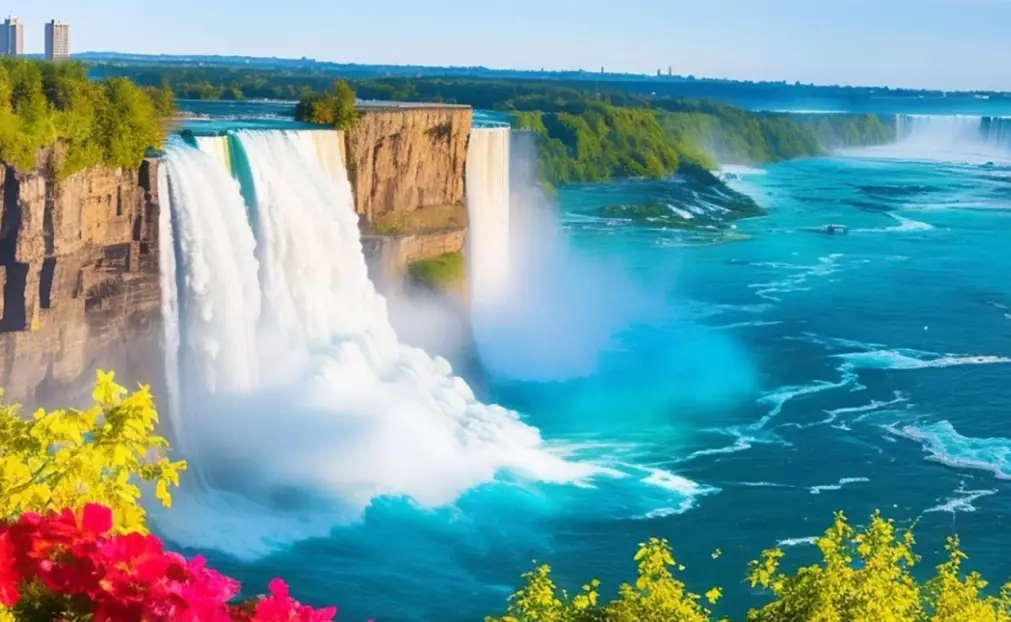
Insider Tip: Many tourists rush to Banff in July, but the crowds can ruin the experience. Try Jasper National Park instead—it’s less busy with similar scenery. I spent a week there last fall and had trails almost to myself.
How to Plan Your Canada Trip Like a Pro
Planning makes or breaks your trip. Here’s a step-by-step approach based on my own mishaps.
Budgeting: Canada isn’t cheap. For a 10-day trip, aim for $2,000-3,000 CAD per person, including flights. Breakdown: Accommodation ($100-200/night), food ($50-100/day), transport ($30-50/day for local travel). Use apps like Hopper for flight deals.
Itinerary Example: Day 1-3: Toronto (CN Tower, Niagara Falls day trip). Day 4-6: Fly to Vancouver (Stanley Park, day trip to Whistler). Day 7-10: Drive to Banff (hiking, Lake Louise). Book intercity flights early; Air Canada and WestJet offer sales.
Transportation: Domestic flights are fastest but cost $200-400 CAD one-way. Trains via VIA Rail are scenic but slower. Renting a car is best for parks; expect $50-100 CAD per day plus gas. In cities, use public transit—it’s reliable.
Accommodation: Book 3-6 months ahead for peak season. Options range from hostels ($30-50 CAD/night) to Airbnb ($80-150 CAD/night). I’ve had good luck with boutique hotels in Quebec City for around $120 CAD.
Packing: Layers are key—weather changes fast. Even in summer, pack a warm jacket for evenings. Don’t forget a power adapter if coming from abroad.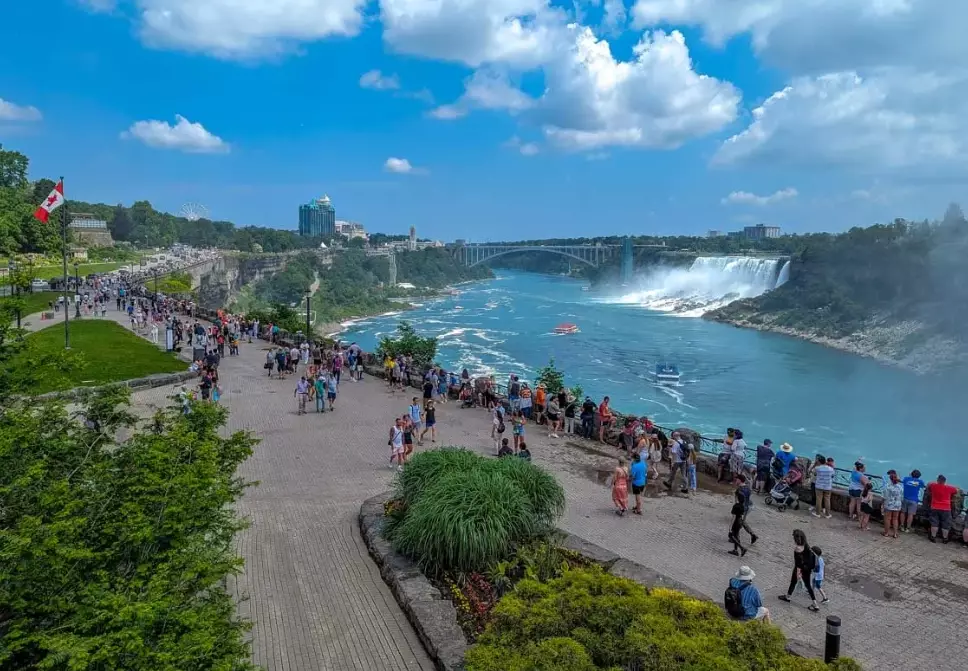
Your Burning Questions Answered
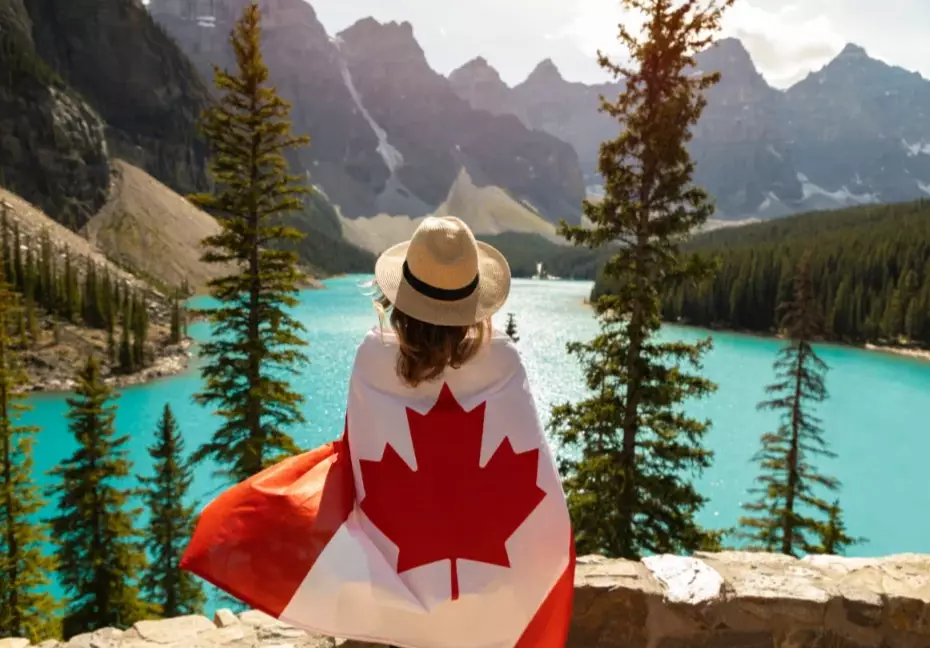 Wrapping up, Canada’s tourist spots are diverse, from bustling cities to serene parks. Do your research, plan for costs, and consider off-the-beaten-path options. I’ve seen too many tourists stick to the classics and miss out on gems like Halifax or the Yukon. Use this guide to craft a trip that’s both memorable and smooth. For more details, refer to sources like Destination Canada or local tourism boards—they’re goldmines for current info.
Comments
Join the discussion