Explore This Guide
- The Foundations: Where Australia's Food Story Begins
- The Modern Mosaic: How Migration Shaped Today's Australian Cuisine
- Iconic Dishes & Must-Try Foods (A Realistic Guide)
- A Regional Food Tour: What to Eat Where
- Navigating the Australian Food Scene: A Practical Guide for Visitors
- The Final Word on Australian Cuisine
Let's talk about Australian food. If you're picturing just throwing a shrimp on the barbie, you're in for a massive surprise. That phrase, by the way, is almost never used here—it's "prawn," not shrimp. That's your first clue that Australian cuisine is a story often told wrong from the outside looking in. It's a story that starts over 60,000 years ago and is being written right now in bustling city laneways and remote country pubs.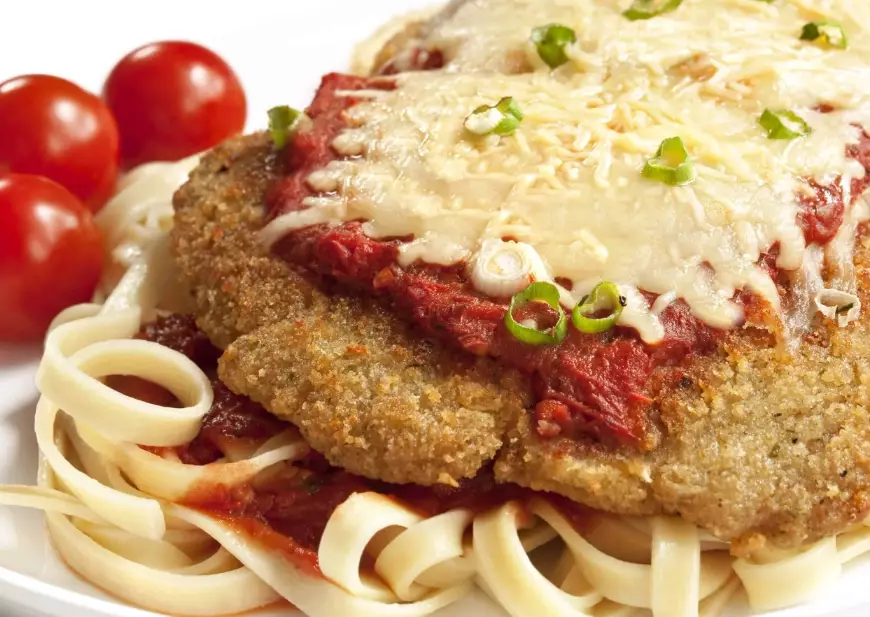
What you're really getting is one of the world's most exciting and underrated food cultures. It's a wild mix. Ancient knowledge from the world's oldest continuous culture smashes into influences from every corner of the globe, all cooked under the blazing Aussie sun with produce that's just... better. The tomatoes taste like tomatoes should. The beef has a flavor you won't forget. And the seafood? Don't get me started.
I remember my first real taste of it, not as a tourist but after moving here. A friend's family had a BBQ. There were lamb chops, sure. But there was also this vibrant salad with roasted pumpkin, feta, and spinach, drizzled with macadamia oil. Sausages sizzling next to marinated octopus. Pavlova for dessert, its meringue perfectly crisp outside and marshmallowy inside. It was relaxed, generous, and utterly delicious. It felt modern but somehow grounded. That's the heart of it.
This guide is my attempt to unpack all of that for you. We'll dig into the history, break down the must-try dishes (and the overhyped ones), explore what to eat region by region, and give you the real talk on navigating Australia's food scene like a local. Forget the clichés. Let's get into the real flavors of Australia.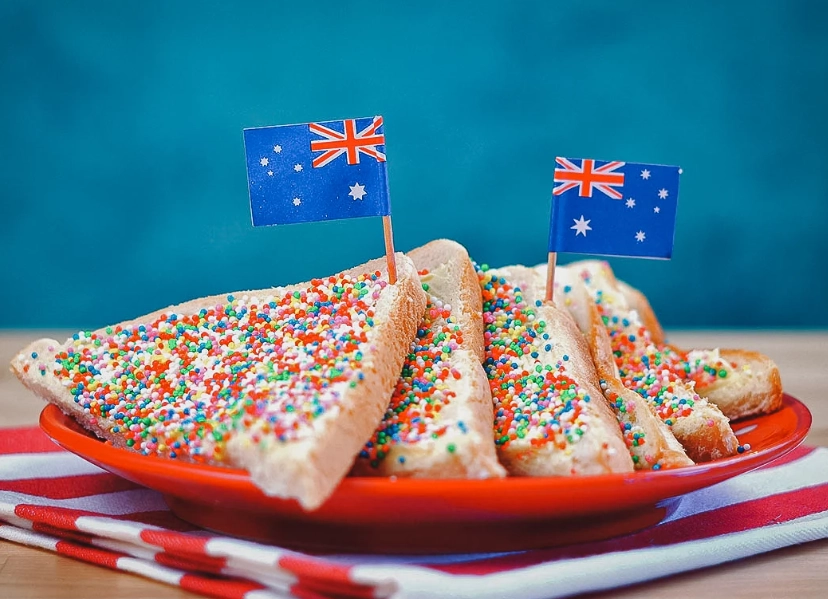
The Foundations: Where Australia's Food Story Begins
You can't understand Australia's cuisine without starting at the very beginning. Long before European settlers arrived, Aboriginal and Torres Strait Islander peoples had developed a sophisticated and sustainable food system, often called "bush tucker." This isn't just historical context; it's the bedrock of modern Australian food culture and is experiencing a powerful revival.
Bush Tucker: The Original Australian Cuisine
This is food sourced directly from the Australian landscape. The knowledge of which plants, grubs, animals, and fish were edible, medicinal, or poisonous was passed down orally for millennia. It's a cuisine of incredible diversity, changing completely from the tropical north to the arid red centre to the temperate south.
Some key ingredients you might encounter:
- Wattleseed: The roasted and ground seed of the Acacia tree. It has a beautiful coffee, chocolate, and hazelnut flavor. You'll find it in breads, damper, ice cream, and even in coffee blends. It's fantastic.
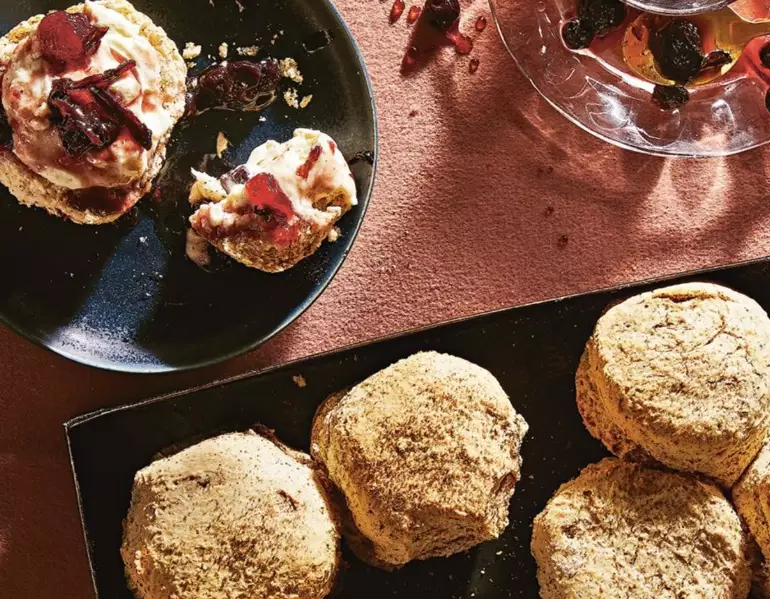
- Lemon Myrtle: A stunningly fragrant leaf with an intense, sweet lemon aroma. It's like lemongrass and lime had a more sophisticated baby. Used in teas, seafood dishes, desserts, and sauces.
- Kakadu Plum: This small, green fruit from the north has the highest recorded natural vitamin C content of any food in the world. It's tart and tangy, used in jams, sauces, and health products.
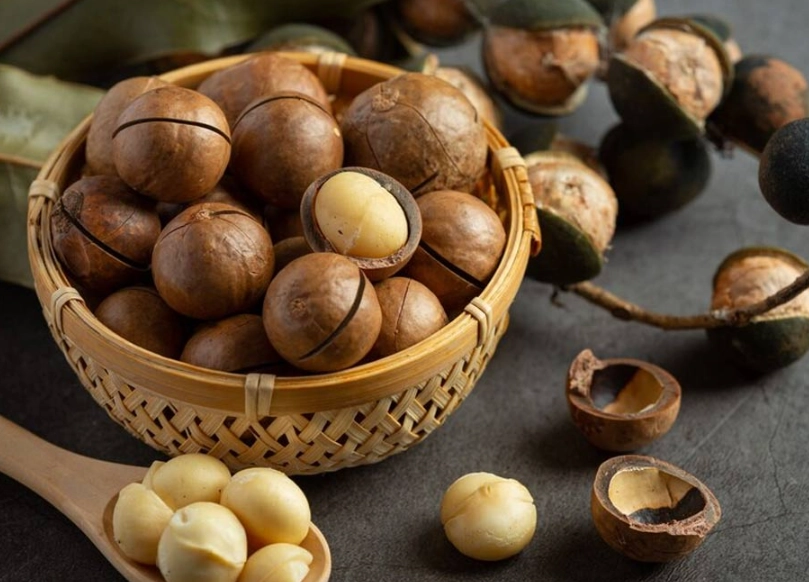
- Macadamia Nuts: Yes, the macadamia is native to Australia! Indigenous Australians have been eating them for thousands of years. They're now a huge commercial crop, but their origin is right here.
- Kangaroo & Emu: These lean, native meats are now commercially available. Kangaroo is a very rich, gamey red meat, best cooked rare. Emu is a very lean, dark red meat. Eating them connects you directly to the ancient landscape.
The modern movement of "Native Australian cuisine" or "Bush Food" is led by Indigenous chefs and businesses who are bringing these ingredients to the forefront. It's about celebration and education. If you want to learn more about the depth and significance of these foods, organisations like AIATSIS (Australian Institute of Aboriginal and Torres Strait Islander Studies) provide invaluable cultural context, while suppliers like Warndu make authentic ingredients accessible.
The Colonial Influence: Meat, Wheat, and Adaptability
When the British arrived in 1788, they tried to impose their food system on a completely different environment. It was a disaster at first—the seeds they brought failed in the unfamiliar soil. The First Fleet nearly starved. But they adapted.
They introduced livestock (sheep, cattle), wheat, and European vegetables. The vast grasslands proved perfect for grazing. This era established the core of what many think of as "traditional" Australian food: a meat-and-three-veg culture centred around roast dinners, hearty stews, and simple, filling fare.
Iconic dishes from this era include:
- Damper: A simple, unleavened bread made from flour and water, cooked in the ashes of a campfire. It was a staple for stockmen and swagmen traveling the outback. Today, it's often jazzed up with butter, milk, or even beer, and served with golden syrup or jam.
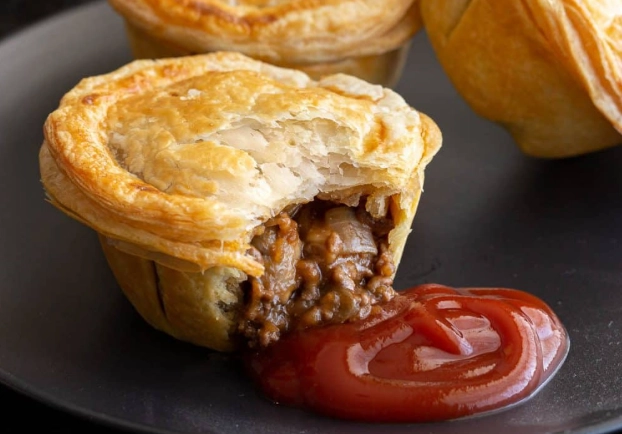
- Meat Pies: The humble pie. Adopted from the British but claimed fiercely as Australia's own. A hand-sized pastry case filled with minced meat (usually beef) in a rich gravy. The debate over who makes the best pie is a national pastime. You eat it holding it in your hand, often topped with a generous squirt of tomato sauce (ketchup, but don't call it that here).
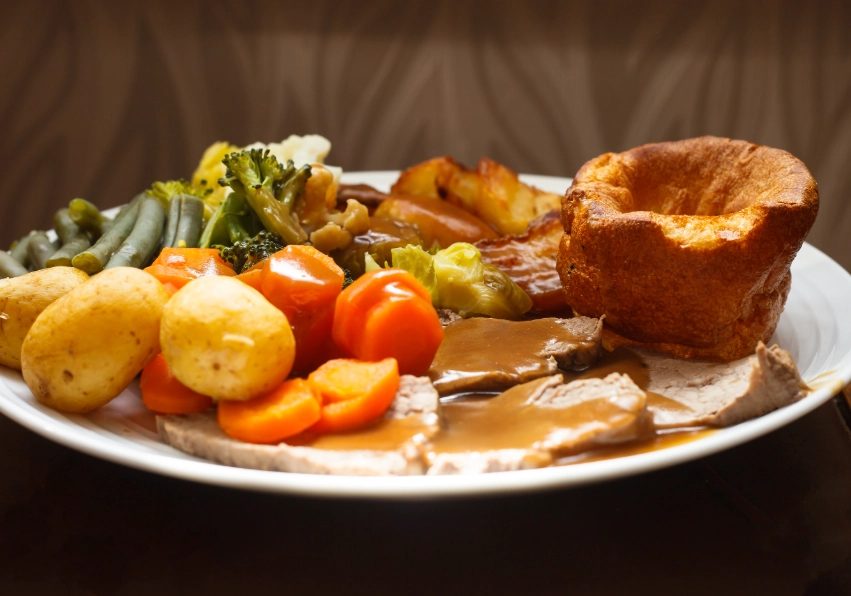
- Sunday Roast: A legacy of British tradition. A big piece of roasted meat (lamb, beef, or chicken), roasted potatoes, pumpkin, peas, carrots, and lashings of gravy. It's a weekend family ritual.
This food was about sustenance and survival in a new, often harsh land. It was pragmatic, not fancy. And that no-nonsense attitude still influences how Aussies approach food today—quality and flavor matter more than fussy presentation.
The Modern Mosaic: How Migration Shaped Today's Australian Cuisine
This is where the story gets really exciting. Post-World War II, Australia saw waves of immigration that fundamentally transformed its pantry and its palate. Each wave brought new ingredients, techniques, and cravings.
The Italians and Greeks in the 1950s and 60s introduced olive oil, garlic, coffee culture (espresso machines!), pasta, and a love for fresh vegetables. Suddenly, the backyard veggie patch became a source of pride. The local fish and chip shop often got a Greek makeover.
Later, the Vietnamese community, particularly after the Vietnam War, brought fragrant herbs (mint, coriander, Thai basil), rice paper rolls, pho, and a lightness that contrasted with the heavier Anglo fare. In the 80s and 90s, Thai food exploded in popularity, followed by influences from across Asia and the Middle East.
The result? A national cuisine that is inherently fusion. It's not "Asian-Australian" or "Modern Australian" as separate categories—that fusion *is* Australian cuisine now. It's the default setting for a lot of chefs.
You see it everywhere. A classic pub might serve a salt-and-pepper squid salad with a lime and chili dressing. A cafe's breakfast menu will feature smashed avocado (a national obsession) on sourdough with feta and za'atar. A fine-dining restaurant might serve a barramundi fillet with a wattleseed crust and a lemon myrtle beurre blanc.
This blending is so seamless now that most Australians don't even think about it. It's just... food.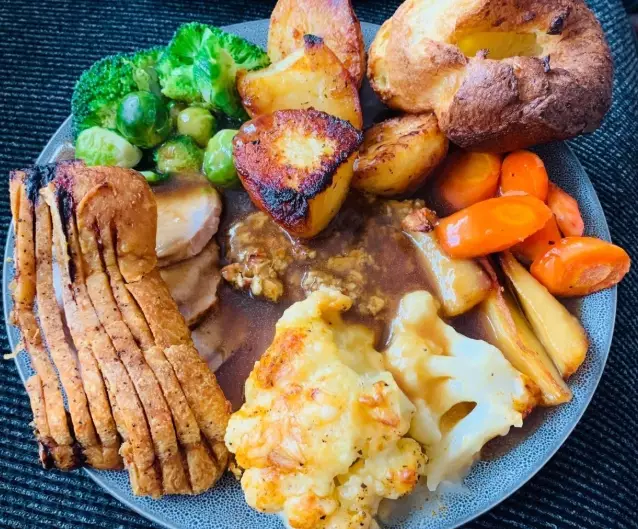
Iconic Dishes & Must-Try Foods (A Realistic Guide)
Okay, let's get practical. What should you actually eat? Here's a breakdown, splitting the true icons from the tourist traps and the modern classics.
The Undisputed Classics
| Dish | What It Is | Where to Find the Good Stuff & Tips |
|---|---|---|
| The Meat Pie | A hand-sized pastry with minced beef gravy filling. The national comfort food. | Don't buy a cold one from a gas station. Find a bakery that makes them fresh. A good pie should have flaky, buttery pastry and a rich, savory filling. Add tomato sauce. Try a "pie floater" in South Australia—a pie floating in pea soup (it's an acquired taste). |
| Vegemite on Toast | A dark, salty yeast extract spread on buttered toast. | THIS IS CRUCIAL: Spread it THINLY. A scraping, not a layer. The butter should be generous. It's salty, savory, and malty. It's not chocolate spread. Most foreigners hate it because they use too much. Start with a tiny amount. |
| Lamingtons | Sponge cake squares coated in chocolate icing and desiccated coconut. Sometimes with a layer of jam or cream in the middle. | A staple at school fetes and community events. Homemade or from a proper bakery is best. Supermarket ones are often dry. The Australian Government's Department of Agriculture even has historical info on its debated origins—a fun rabbit hole. |
| Pavlova | A meringue-based dessert with a crisp crust and soft, light inside, topped with whipped cream and fresh fruit. | The eternal Australia vs. New Zealand debate rages over who invented it. Who cares? Just eat it. The key is the contrast between the crisp shell and the marshmallow centre. Best in summer with passionfruit, kiwi, and berries. |
| Fish and Chips | Battered fish (often flake, which is shark, or barramundi) with thick-cut potato chips. | Best eaten by the beach, out of paper. Squeeze lemon over it. Tartare sauce is common. Ask what the "catch of the day" is for the freshest option. |
Modern Staples (What Aussies Really Eat Daily)
These might not be on souvenir tea towels, but they are absolutely central to contemporary Australian cuisine.
- Smashed Avocado ("Smashed Avo"): The brunch icon that sparked a million think-pieces about millennial spending. Ripe avocado smashed on good sourdough, usually with toppings like feta, chili flakes, poached eggs, or roasted tomatoes. It's simple, healthy, and delicious. Yes, it can be overpriced in trendy cafes, but it's a genuine staple.
- Barramundi: A prized native fish with firm, white flesh and a mild, buttery flavor. It's farmed sustainably and appears on menus everywhere—grilled, pan-fried, baked. A true taste of Australia.
- Grilled Halloumi: Thanks to Greek influence, this squeaky, grillable cheese is on every BBQ, in every salad, and on most cafe menus. It's a texture and flavor everyone loves.
- Banh Mi: The perfect fusion food. A Vietnamese baguette (light, crisp crust) filled with pate, cold cuts, pickled vegetables, cilantro, and chili. It's the ultimate lunch—fresh, cheap, and packed with flavor. Found in Vietnamese bakeries across every city.
Overrated & Tourist Trap Foods (My Opinion)
Let's be honest, not everything is a winner.
"Aussie" Burgers with Beetroot and a Fried Egg: Yes, this exists. A beef patty, with the usual salad, plus canned beetroot slices and a runny fried egg. It's messy, the beetroot juice makes the bun soggy, and it's more of a novelty. Some love it, but it's not the culinary pinnacle some guides claim.
Fairy Bread: White bread, butter, and hundreds-and-thousands (sprinkles). It's for kids' birthday parties only. Do not order this expecting a gourmet experience. It's pure, sugary nostalgia.
Kangaroo, if poorly cooked: As mentioned, this is a fantastic, sustainable meat when done right. But it's lean and easy to ruin. If you see it pre-cooked and sitting in a bain-marie, avoid it. Seek it out at a restaurant that knows what they're doing.
A Regional Food Tour: What to Eat Where
Australia is massive, and its food scene varies dramatically from coast to coast. Here’s a quick regional hit list.
New South Wales & Sydney: A microcosm of everything. Iconic Sydney Rock Oysters from the Hawkesbury River. The multicultural hub of Cabramatta for incredible Vietnamese food. A thriving coffee culture that’s almost religious. The Sydney Fish Market is a must-visit for seafood lovers—get a plate of fresh oysters and prawns.
Victoria & Melbourne: The self-proclaimed food and coffee capital. Famous for its laneway cafes, world-class restaurants, and incredible food markets like Queen Victoria Market. The coffee here is taken very, very seriously. It's also the heart of the Greek and Italian communities, so expect amazing souvlaki, pasta, and cannoli.
Queensland: Tropical flavors. Amazing seafood like Moreton Bay bugs (a type of slipper lobster), mud crab, and barramundi. The abundance of tropical fruit—mangoes, pineapples, papaya. In Cairns and the north, you can find more exotic bush tucker ingredients on menus.
South Australia: Wine country (Barossa Valley, McLaren Vale). Fantastic produce from the Adelaide Hills. The home of the pie floater. King George whiting is a local fish specialty. The Central Market in Adelaide is a foodie paradise.
Western Australia: Isolated and proud of its local produce. Famous for its Western Rock Lobster (crayfish), marron (a freshwater crayfish), and truffles from Manjimup. The Margaret River region pairs stunning wines with brilliant local food.
Tasmania: The island of clean, cool-climate produce. Incredible cheeses, salmon, oysters, berries, and mushrooms. It's a paddock-to-plate paradise. Tasmanian whisky is also winning global awards.
Northern Territory: The heartland of bush tucker. Here, you'll find the most authentic and widespread use of native ingredients in restaurants from Darwin to Alice Springs. Buffalo, crocodile meat, and barramundi are stars.
Navigating the Australian Food Scene: A Practical Guide for Visitors
So how do you dive into all this? Here are some unfiltered tips.
How to Eat Like a Local
Embrace the Cafe Culture: Breakfast/Brunch is a major meal. Cafes aren't just for coffee; they serve full, inventive meals all morning and into the afternoon. Don't rush it.
Find a "Local": The suburban pub, often called a "hotel," is a cornerstone. The bistro often serves surprisingly good, honest food—think massive parmigiana (chicken or eggplant), steaks, and fresh salads. It's where families go for a cheap, cheerful meal.
Visit Markets: Farmers' markets are everywhere on weekends. It's the best way to see the seasonal produce and meet the makers. Also visit the big central markets in each capital city.
BYO is Your Friend: Many smaller, ethnic, and mid-range restaurants are "BYO" (Bring Your Own) alcohol. You can buy a nice bottle of Australian wine from a bottle shop (liquor store) and bring it to drink with your meal, usually for a small corkage fee. It's a huge money-saver and a very common practice.
A Note on Drinks
Australian wine is world-class. Shiraz from the Barossa, Cabernet from Coonawarra, Riesling from the Clare Valley, Pinot Noir from Tasmania. Don't stick to just one region—explore.
Craft beer is massive. Every city has a thriving scene of local breweries producing everything from classic lagers to hoppy IPAs and sour beers.
Coffee. It's a flat white nation. The standard is high. If you order a "coffee," you'll be asked what type. Learn the basics: Flat White (espresso with velvety microfoam), Long Black (like an Americano), Cappuccino (with chocolate powder on top). Avoid chain stores; find a local cafe where the barista looks serious.
The Final Word on Australian Cuisine
So, what is Australian cuisine?
It's not a fixed list of dishes. It's an attitude. It's an openness to borrowing the best flavors from anywhere and making them work under the southern sun. It's a deep, growing respect for the ancient food wisdom of this land. It's a prioritization of fresh, high-quality produce—whether that's a perfect peach from a farm stall or a line-caught fish.
It's casual. It's often eaten outdoors. It's meant to be shared. It can be as simple as a sausage sizzle at a community event or as complex as a degustation menu in a hatted restaurant.
The best way to experience it is to let go of any preconceptions. Skip the themed restaurants serving crocodile nuggets. Instead, go to a bustling market. Have breakfast at a sun-drenched cafe. Grab a banh mi for lunch. Share a few small plates at a modern bistro that lists its local suppliers. Have a beer and a parma at the local pub.
Talk to people. Ask the vendor at the market about their cherries. Ask the cafe owner where they get their coffee. Aussies are (usually) proud of their food and happy to talk about it.
You'll discover that Australian cuisine is vibrant, diverse, and full of character. Just like the country itself. It’s a journey of flavor that’s well worth taking.





Comments
Join the discussion