Let's get this out of the way first: asking for the single best African safari is like asking for the best pizza in the world. Everyone has a different favorite, and what's perfect for one person is all wrong for another. The real question you should be asking is: What's the best African safari for ME?
I've been guiding trips and traveling across Africa for over a decade, and the biggest mistake I see people make is chasing a famous name without considering their own travel DNA. That couple who dreamed of the Serengeti but hated long, dusty drives? They were miserable. The family who booked a remote Botswana camp with young kids? A logistical nightmare.
Your ideal safari hinges on what you value most: epic wildlife spectacles, intimate luxury, adventurous self-driving, birding, photography, or simply checking the Big Five off your list without breaking the bank.
Your Safari at a Glance
Why There's No Single "Best" Safari Destination
Africa is massive and incredibly diverse. The experience in Kenya's rolling savannah is worlds apart from navigating Botswana's Okavango Delta waterways or tracking gorillas in Rwanda's misty mountains.
The "best" is a combination of destination, season, accommodation style, and guiding quality. A budget camping trip in Kruger during green season is a completely different product from a luxury lodge in the Serengeti during the migration. Both can be incredible.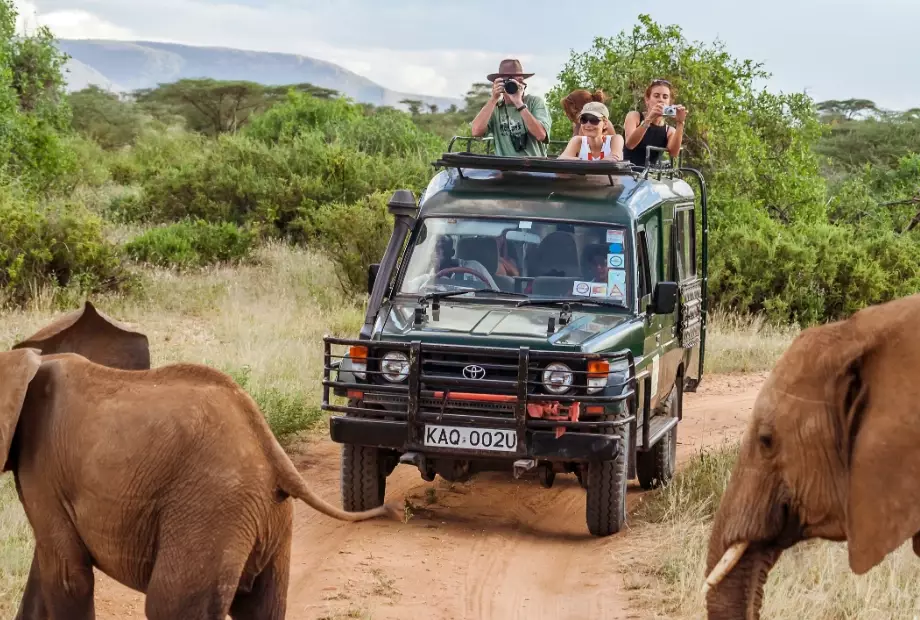
Match Your Travel Personality to the Perfect Safari
This is where we get specific. Stop thinking about countries for a second and think about you.
The First-Timer Seeking the Classic Postcard Experience
You want open savannah, tons of animals, and that "Out of Africa" feeling. You probably don't want to self-drive.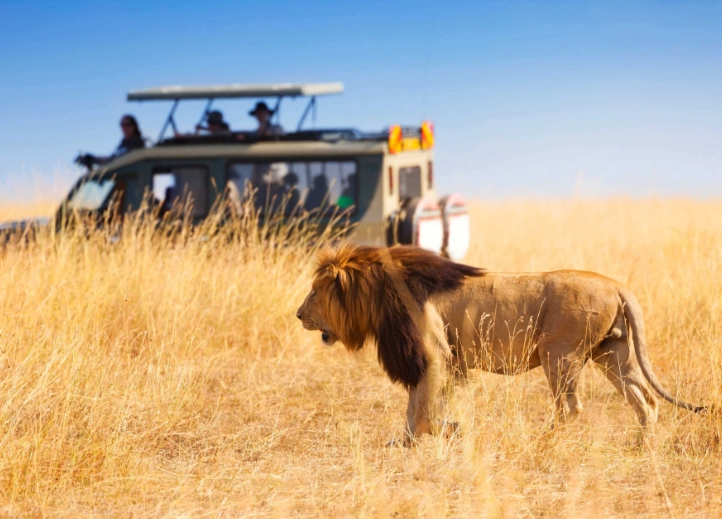
Top Contenders:
- Masai Mara National Reserve, Kenya: Relatively compact, incredibly dense wildlife, especially from July-October during the wildebeest migration. Easy to combine with a beach stay. Downsides? It can get crowded.
- Serengeti National Park, Tanzania: The Mara's bigger, wilder sibling. The migration is a year-round event here, just in different sectors. Offers a greater sense of space. More expensive park fees than Kenya.
- Kruger National Park, South Africa: The most accessible option. Excellent infrastructure for self-drivers AND guided tours. Great for budget to mid-range trips. You'll see loads of animals, but the landscape is bushier than the East African plains.
The Photographer or Luxury Seeker
You prioritize unique angles, good light, and exclusive access. You're willing to pay for privacy and exceptional guiding.
Look at Private Concessions & Reserves. These areas border national parks but have their own rules: night drives, off-road driving, and walking safaris are allowed, which public parks often forbid.
- Sabi Sands Game Reserve (bordering Kruger, South Africa): Famous for legendary leopard sightings. Ultra-luxury lodges like &Beyond's Tengile River Lodge or Singita. Your chance of seeing a leopard is probably higher here than anywhere else on Earth.
- Private Concessions in the Okavango Delta, Botswana: Think flying into remote camps, exploring by mokoro (dugout canoe), and sleeping under a blanket of stars. It's a water-based safari experience that's utterly unique. Look at areas like the Vumbura Concession.
- Laikipia Plateau, Kenya: A collection of private ranches and conservancies offering walking safaris, camel treks, and rhino tracking. Less crowded, more interactive, and a major hub for conservation work.
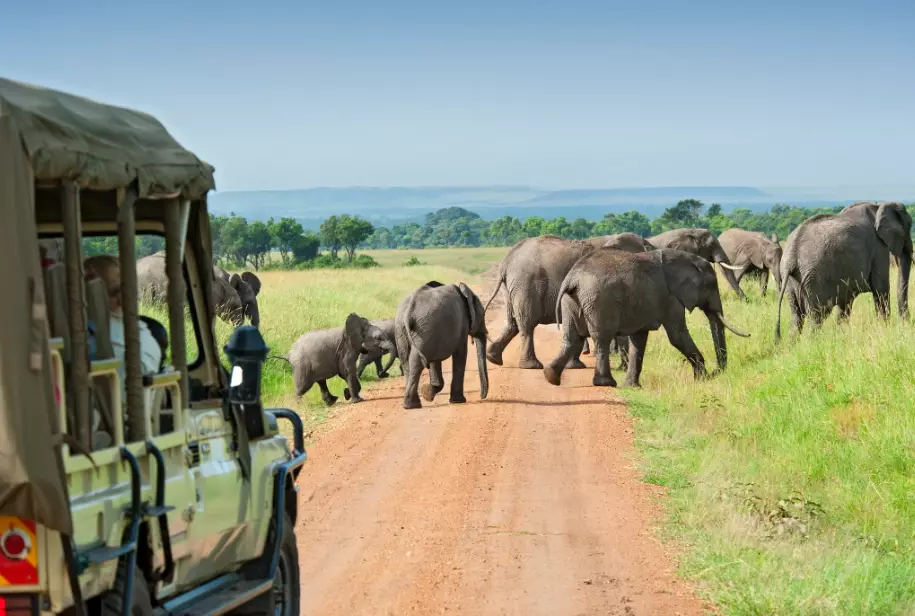
The Adventurer on a (Reasonable) Budget
You don't need thread-count sheets, but you want an authentic, wildlife-rich experience.
Your best bets:
- Self-Drive in Kruger, South Africa: Rent a car, book SANParks rest camps (like Skukuza or Satara) yourself, and follow the tarred roads. You can do this for under $150 per person per day, excluding flights. It requires research and patience, but the reward is immense freedom.
- Group Camping Safaris in Tanzania or Kenya: Companies like G Adventures or Intrepid Travel run budget-conscious camping tours that hit the major parks. You share a vehicle and campsite duties, but the cost plummets. It's social and adventurous.
- Etosha National Park, Namibia: Namibia is great for self-drivers. Etosha's waterholes act as natural theaters, especially in the dry season. You can stay in affordable rest camps right inside the park and watch animals come to you.
The Nuts and Bolts: Budget, Time & Staying Healthy
Let's be real. This is what makes or breaks a trip.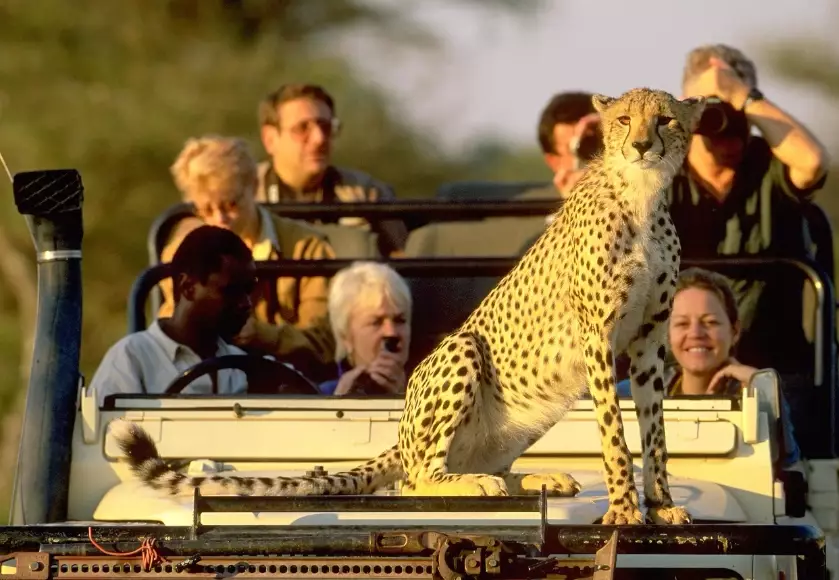
| Factor | What to Consider | Pro Tip / Common Mistake |
|---|---|---|
| Budget | Daily rates range from $150 (budget camping) to $1,500+ (ultra-luxury). Flights, park fees ($70-$100 per day in Tanzania!), and tips are extras. | Mistake: Comparing lodge prices without checking what's included. "All-inclusive" should mean meals, drinks, game drives, and often park fees. Always confirm. |
| Time of Year | Dry Season (Jun-Oct): Best wildlife viewing, dusty, crowded, expensive. Wet Season (Nov-May): Lush, green, baby animals, fewer crowds, lower prices, potential rain. |
Shoulder months (May, late Oct/Nov) are a sweet spot. I love April/May for the dramatic skies and value, though you might get a shower. |
| Trip Duration | Less than 7 days is rushed. 10-14 days allows for 2-3 different camps/areas and avoids safari fatigue. | Don't try to see Cape Town, Victoria Falls, and the Serengeti in 10 days. You'll spend it all in airports. Focus on one region. |
| Health & Vaccines | Mandatory: Yellow Fever cert if coming from a risk country. Highly Advised: Malaria prophylaxis (type varies by region), routine vaccines. |
Start this process 2 MONTHS before travel. Don't wait. A travel clinic is essential. I've seen trips ruined by preventable illness. |
Bringing It All Together: A Few Sample Safari Ideas
To make this actionable, here are two concrete examples based on real traveler profiles.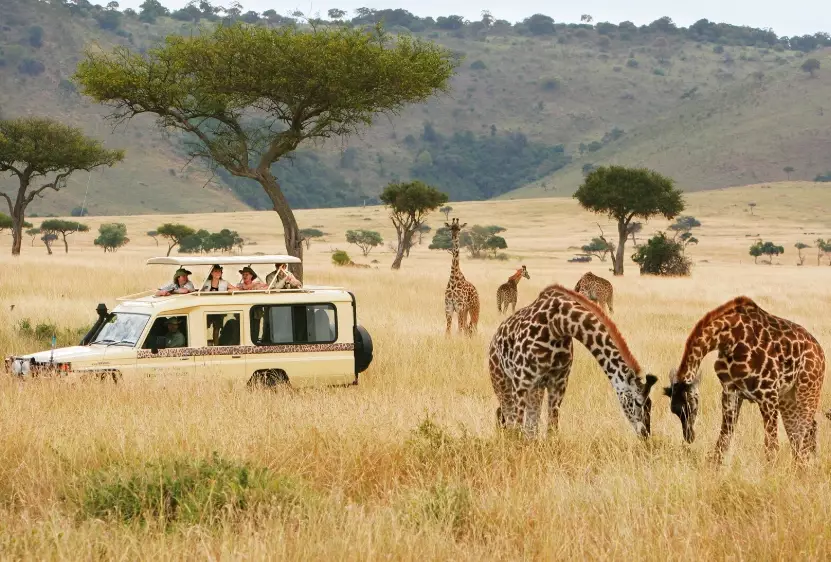
Itinerary 1: The "Classic Highlights" for First-Timers (12 Days)
- Days 1-4: Cape Town, South Africa. Acclimatize, see penguins at Boulders Beach, hike Table Mountain.
- Days 5-9: Fly to Kruger area. Stay 2 nights in a private reserve like Sabi Sands for guided drives (leopard focus), then 2 nights inside Kruger itself (self-driving or guided tour from a rest camp).
- Days 10-12: Fly to Victoria Falls, Zimbabwe/Zambia. See the Falls, maybe do a helicopter flight or river cruise.
- Why it works: Mixes city, guaranteed wildlife, and a iconic natural wonder. Good infrastructure throughout.
Itinerary 2: The "Migration & Luxury" Photographer's Trip (10 Days)
- Days 1-3: Arusha, Tanzania. Brief stop, then fly into the Central Serengeti. Stay at a mid-range permanent tented camp.
- Days 4-7: Depending on season, transfer to the Northern Serengeti (for Mara River crossings, July-Oct) or the Southern Ndutu area (for calving season, Jan-Mar). Upgrade to a luxury mobile camp that moves with the herds.
- Days 8-10: Fly to the Ngorongoro Crater. One night on the rim, a full day descending into the crater (a wildlife-filled volcanic caldera), then depart.
- Why it works: Tracks the Great Migration, uses light aircraft transfers to save time, prioritizes location and guiding for photography.
Beyond the Brochure: My Non-Obvious Safari Tips
After a decade, you pick up a few things they don't tell you in the guidebooks.
1. Guide Quality Trumps Fancy Lodges. A brilliant guide in a simple vehicle will give you a better experience than a mediocre guide in a Land Cruiser with a mini-bar. Ask operators about guide experience and training. In East Africa, a silver or gold-level guide from the Kenya Professional Safari Guides Association is a good sign.
2. Two Nights Minimum Per Camp. One-night stays are exhausting. You arrive, unpack, have one game drive, sleep, and leave. You never settle in. Three nights is ideal to learn the area's rhythms.
3. Pack for Layers, Not Fashion. Mornings are freezing (yes, even in Africa), midday is hot. A down jacket, beanie, gloves, and a light t-shirt are all essential. Neutral colors (khaki, green, brown) are not just a cliché—they work.
4. The Most Overlooked Gem? South Luangwa National Park, Zambia. It's the birthplace of the walking safari. Fewer tourists, fantastic guides, and a stunning riverine landscape. It doesn't have the marketing budget of Kenya or Tanzania, but the wildlife viewing is top-tier.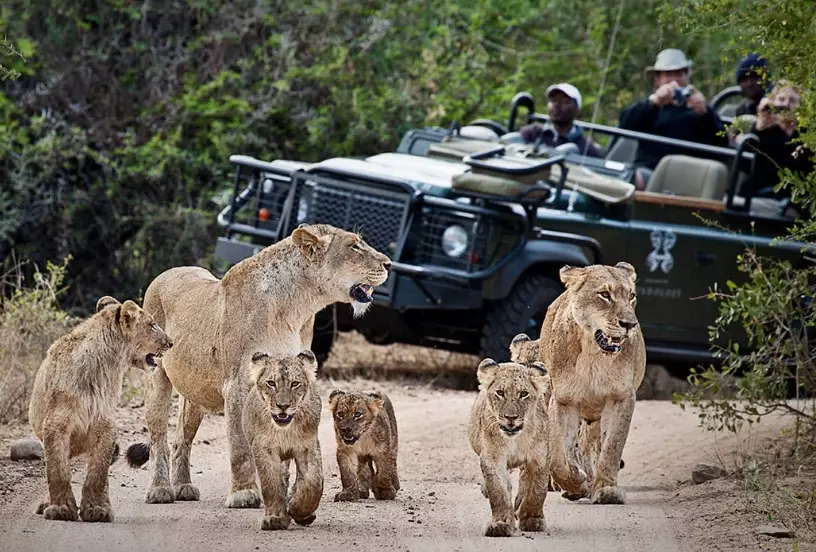
Your Burning Safari Questions Answered
What's the biggest mistake first-time safari-goers make?
Is it safe to travel on safari in Africa?
Can I do a safari with young children?
How do I ensure my safari is ethical and supports conservation?
So, what is the best African safari to go on? It's the one that aligns with your dreams, your comfort zone, and your reality. It's the one where you do your homework, ask the right questions, and maybe even trade a bit of luxury for a more raw, real encounter with the wild. Start with who you are as a traveler, and the perfect destination will start to come into focus.
Now, go start planning. The animals are waiting.

Comments
Join the discussion