Let's talk about the elephant in the room: Australia accommodation prices can be a shock. You're dreaming of Sydney Harbour views, Great Barrier Reef adventures, or Melbourne's laneway culture, and then you check hotel rates. Your heart sinks a little. I've been there, both as a traveler and after years of living here. The good news? It's manageable. You don't need a trust fund to visit. You just need a smart strategy that looks beyond the first page of search results for "Australia hotel deals." This isn't about finding the absolute cheapest bunk bed (though we'll cover that too), it's about understanding the landscape so you can make informed choices and get real value for your money.
Your Quick Navigation to Smart Stays
- What You'll Actually Pay: A City-by-City Price Breakdown
- The Secret Sauce: When and How to Book for the Best Price
- Thinking Beyond the Hotel: Alternative Accommodation Options
- Mastering the Seasonal Price Rollercoaster
- The Local's Playbook: Advanced Tips & Common Pitfalls
- Your Burning Questions Answered (The Real Ones)
What You'll Actually Pay: A City-by-City Price Breakdown
Forget vague statements. Here’s a concrete look at average nightly rates for a standard double room in a central, 3-4 star hotel. These are 2024 ranges based on my own recent searches and monitoring. Remember, these are averages—peak times will be higher, last-minute deals can be lower.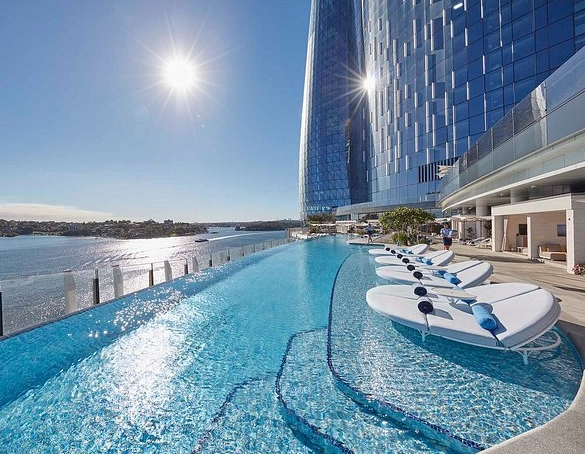
| City | Budget (Hostel/Basic Motel) | Mid-Range (3-4 Star Hotel/Apartment) | Luxury (5 Star/Designer) | Local Insight |
|---|---|---|---|---|
| Sydney | AUD 40-100 (per person/bed) | AUD 220 - 380 | AUD 500+ | The CBD is expensive. Look at Surry Hills, Darlinghurst, or even a place like The Old Clare Hotel in Chippendale (around AUD 300) for more character. North Sydney is often cheaper and just a train stop away. |
| Melbourne | AUD 35-90 (per person/bed) | AUD 200 - 350 | AUD 450+ | Staying in the CBD is great, but suburbs like Fitzroy, Collingwood, or Southbank offer a more local vibe, sometimes at slightly better rates. The Larwill Studio in the arts precinct is a fantastic mid-range art hotel. |
| Brisbane | AUD 30-80 | AUD 170 - 280 | AUD 400+ | Fortitude Valley is the nightlife hub, South Bank is tourist-central (and pricier). Consider West End or Spring Hill for quieter, value-focused options. |
| Cairns | AUD 25-70 | AUD 150 - 250 | AUD 350+ | You're paying for proximity to the Reef. The city centre is walkable and packed with tour operators. A pool is non-negotiable here due to the heat. |
| Perth | AUD 35-85 | AUD 190 - 320 | AUD 450+ | Perth's boom has pushed prices up. Northbridge is central but can be noisy. Subiaco or Leederville are lovely alternatives with great cafes. |
See that 'Local Insight' column? That's where you start beating the standard Australia accommodation price game. Everyone searches for "hotel in Sydney CBD." Fewer people search for "boutique hotel in Surry Hills Sydney," which can yield better value.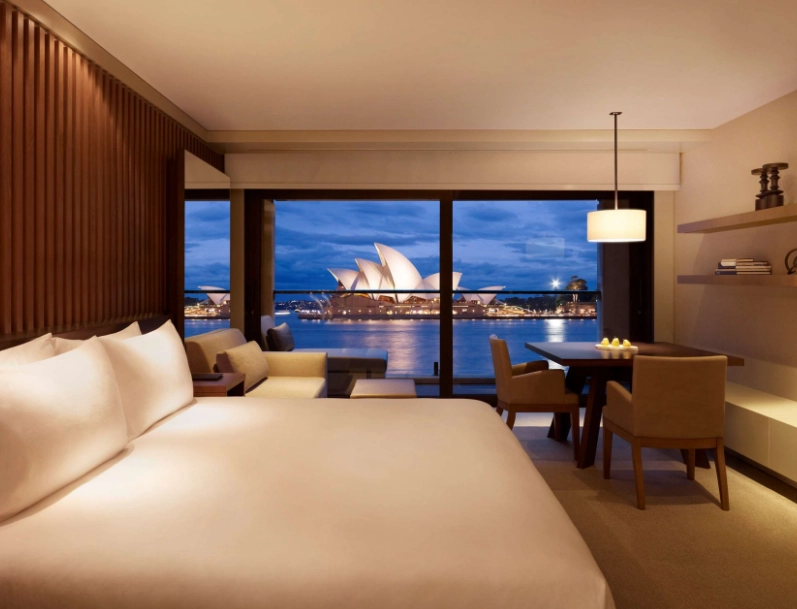
The Secret Sauce: When and How to Book for the Best Price
Timing is everything, but it's not just about booking early. It's about strategic timing.
For major cities during peak seasons (Australian summer, school holidays), you want to book 3-4 months in advance. I once waited until November to book a January stay in Sydney and ended up in a mediocre motel in Potts Point for the price of a CBD hotel. Lesson learned.
For shoulder seasons (autumn and spring), the sweet spot is often 4-6 weeks out. This is when hotels have a clearer picture of their occupancy and might release promotional rates to fill rooms.
Here’s a non-consensus tip most generic guides miss: Be ruthless with your date flexibility. A Saturday night in Sydney is gold. If your stay includes a Friday or Saturday, the average rate skyrockets. Can you shift your trip to start on a Sunday or Monday? I've seen the same room drop by 30% just by avoiding a weekend night. Use the flexible date search grid on booking sites—it's your best friend.
Booking Channel Matters: Don't just default to big online travel agencies (OTAs). Often, the hotel's own website runs "Best Rate Guarantees" or offers perks like free breakfast or late checkout that aren't available elsewhere. It takes an extra five minutes to check, but it can pay off. For apartments, platforms like Airbnb are obvious, but also check Stayz or local real estate agency websites for longer-term holiday lets, especially in coastal towns.
Thinking Beyond the Hotel: Alternative Accommodation Options
If your mind jumps straight to 'hotel,' you're limiting yourself and likely paying more. Australia has a fantastic range of alternatives that can offer better value, more space, or a unique experience.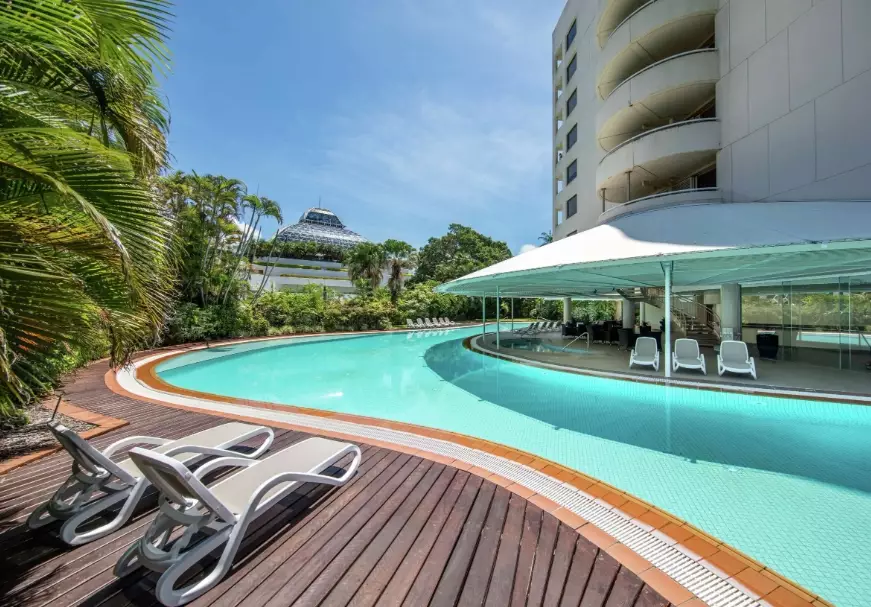
Serviced Apartments: The Unsung Hero for Groups and Families
For two or more people, especially families, serviced apartments are frequently the best value. You get a kitchen (saving a fortune on eating out), a separate living area, and often in-room laundry. Brands like Quest, Mantra, and Adina are reliable. In Melbourne, a one-bedroom apartment at Quest Melbourne Central can be similar in price to a standard hotel room nearby, but you get so much more utility.
Holiday Parks and Cabins
Don't scoff. Modern holiday parks, especially those run by chains like Big4, have upgraded immensely. Their ensuite cabins are clean, comfortable, and often located in amazing natural settings. Perfect for road trips. You might pay AUD 120-180 for a cabin that sleeps four—impossible to beat on a per-person basis.
Farm Stays and Boutique Motels
Want a real Australian experience? Look for farm stays in regional areas. It's affordable and immersive. In cities, seek out renovated boutique motels in inner suburbs. They often have more character than a sterile chain hotel and can be priced more reasonably. Look at places like The Johnson in Sydney's Artarmon.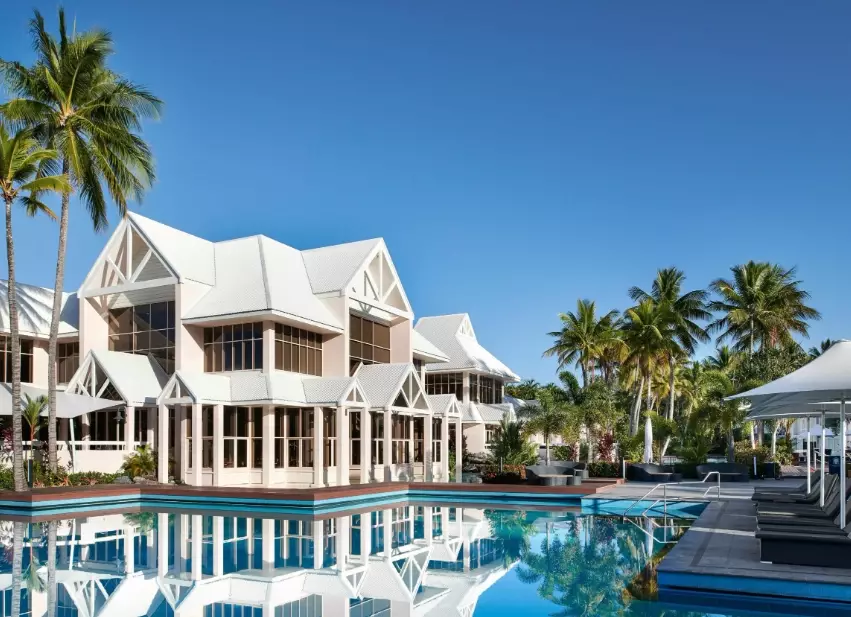
Mastering the Seasonal Price Rollercoaster
Prices don't just change by city; they swing wildly by season. Australia's peak is its summer (Dec-Feb), coinciding with Christmas holidays. This is the most expensive and busiest time everywhere, especially coastal destinations.
Shoulder seasons (Mar-May and Sep-Nov) are the goldilocks zones: great weather, fewer crowds, and better Australia accommodation prices. I personally love autumn.
Winter (Jun-Aug) is low season in most of the country, except for the ski fields in NSW and Victoria (where it's peak and very expensive). You can find incredible deals in places like Cairns or the Whitsundays in winter—the water is still warm enough to swim, and the weather is dry and pleasant.
Always check for local events. A food festival in Melbourne or a racing carnival in Sydney can double prices overnight.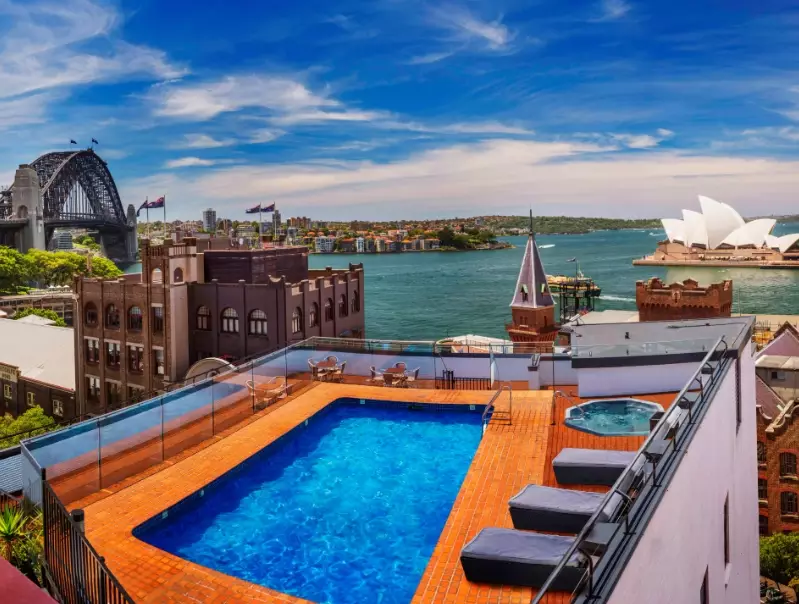
The Local's Playbook: Advanced Tips & Common Pitfalls
After a decade here, you pick up a few things most tourists miss.
Beware the 'Resort Fee' or 'Facility Fee' creep. It's not as bad as Las Vegas, but it's appearing more, especially in higher-end city hotels and resorts in Queensland. This daily charge (AUD 20-40) might cover "internet and pool access"—things that should be included. Factor it in when comparing final costs.
Parking is a killer. If you're renting a car, hotel parking in Sydney or Melbourne can add AUD 40 to 60 per night. Look for hotels with free parking (rare in cities) or use secure external parking garages which can be cheaper. Better yet, plan city stays where you don't need a car.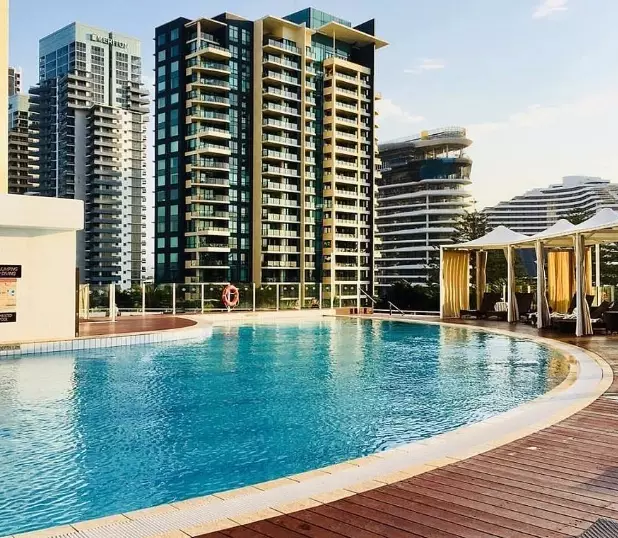
The "Free Cancellation" premium is often worth it. Yes, the non-refundable rate is cheaper. But in a volatile travel environment, the flexibility to cancel or change your plans without penalty can save you more money (and stress) in the long run. I almost always pay the small premium for it.
Consider your airport transfer cost. A cheap hotel far from the city centre or a train line might seem like a win until you're paying AUD 60 each way for taxis or Ubers. Sometimes, the slightly more expensive but centrally located hotel works out cheaper overall.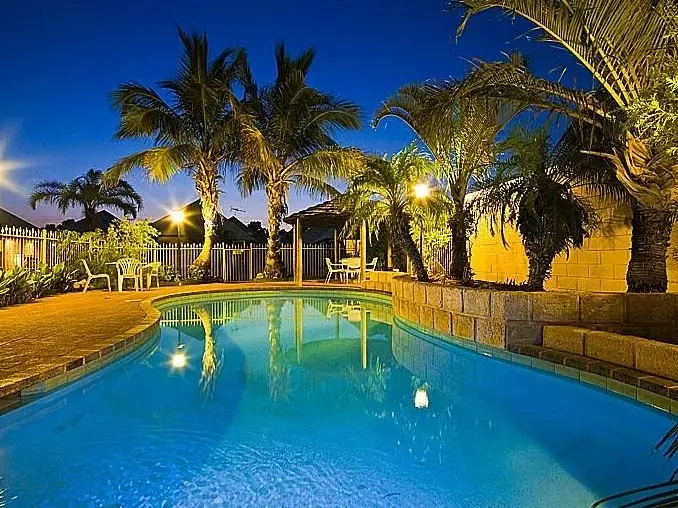
Your Burning Questions Answered (The Real Ones)
Let's be real. Australia isn't a cheap destination. But with a clear understanding of the Australia accommodation price landscape, some flexibility, and these insider strategies, you can find great places to stay that don't require remortgaging your house. It's about spending smart, not just spending less. Now go book that trip—you've got this.


Comments
Join the discussion