Quick Guide to This Article
- The Champion by Pure Numbers: International Tourist Arrivals
- The Heavyweight by Economic Power: Tourism Revenue
- The Contender by Popularity & Density: Spain's Masterclass
- What Actually Makes a Country the "Top" Tourist Destination?
- Answering Your Real Questions (The FAQ Part)
- The Verdict: So, Which Country Truly Is No. 1?
So you're asking, which country is no. 1 for tourism? It sounds like a straightforward question, right? Just name the top spot. But here's the thing – the answer completely depends on what you're measuring. Are we talking about the sheer number of foreign visitors walking through the gates? Or the massive amount of money they spend? Or maybe it's about the overall experience, the "must-visit" feeling a place gives you?
I remember planning a big trip a few years back and getting totally lost in this same question. Every list said something different. One said France, another hinted at Spain, and some travel blogs were raving about completely different places. It was frustrating. So let's break it down properly, without the fluff, and look at the real numbers and the real experiences behind them. That way, you can decide for yourself which number one matters for your own travel plans.
The Champion by Pure Numbers: International Tourist Arrivals
If we're playing the numbers game – and most official rankings do – the title for the most visited country in the world has had a pretty consistent holder for decades. We're talking about the count of international tourist arrivals, which is the main metric organizations like the UN World Tourism Organization (UNWTO) use to crown the winner.
And for a long, long time, that winner has been France.
Why France? Think about it. It's not just Paris (though, let's be honest, the Eiffel Tower and the Louvre are huge draws). You've got the French Riviera with glamorous spots like Nice and Cannes, the wine regions of Bordeaux and Burgundy, the stunning castles of the Loire Valley, and the ski resorts in the Alps. It's a ridiculously diverse package wrapped in one country with excellent high-speed train links. They also do a phenomenal job marketing themselves globally. The data from UNWTO consistently places France at the top for international arrivals, often welcoming over 80 million foreign visitors in a normal year (excluding the pandemic blip). That's a massive number.
But hold on. Before we just hand France the trophy, we need to ask: is this the whole story? A "tourist arrival" is counted when someone crosses the border. This includes people visiting family, people on business trips, and even people just driving through on a European road trip. It's a broad metric. So while France is undoubtedly the king of volume, it doesn't necessarily tell us about the quality of the trip or how much money is being left behind.
The Heavyweight by Economic Power: Tourism Revenue
Now, let's talk money. Which country is no. 1 for tourism when we look at the cash tourists actually spend on hotels, food, tours, and souvenirs? This is where the picture changes dramatically.
The United States absolutely dominates this category. According to the latest data from the UNWTO's tourism dashboard, the U.S. has consistently led in international tourism receipts for years.
Why does the U.S. win here? A few big reasons:
- Longer Stays & Higher Costs: Traveling to the U.S. from Europe or Asia is a big trip. People tend to stay for two or three weeks, not a weekend. They're spending on cross-country flights, rental cars, hotels, and entrance fees to countless national parks and attractions.
- Major Global Gateways: Cities like New York, Los Angeles, Las Vegas, and Orlando are tourism powerhouses in their own right, each attracting millions of high-spending visitors.
- Business Travel: The U.S. is a global business hub. High-spending business travelers significantly boost the revenue figures.

This is a crucial point. A country can have tons of visitors who are just passing through or on a tight budget, while another might have fewer visitors who each spend a small fortune. Both are valid ways to be "number one," but they mean different things.
The Contender by Popularity & Density: Spain's Masterclass
Here's where it gets interesting for me personally. If you blend the metrics – solid visitor numbers, strong revenue, and arguably the best overall tourist infrastructure and experience in Europe – Spain often emerges as a top contender for the title of best country to visit.
Spain regularly sits at #2 or #3 in the arrivals ranking, right behind France and sometimes the U.S. But per capita, and in terms of tourism's importance to its economy, it's a juggernaut.
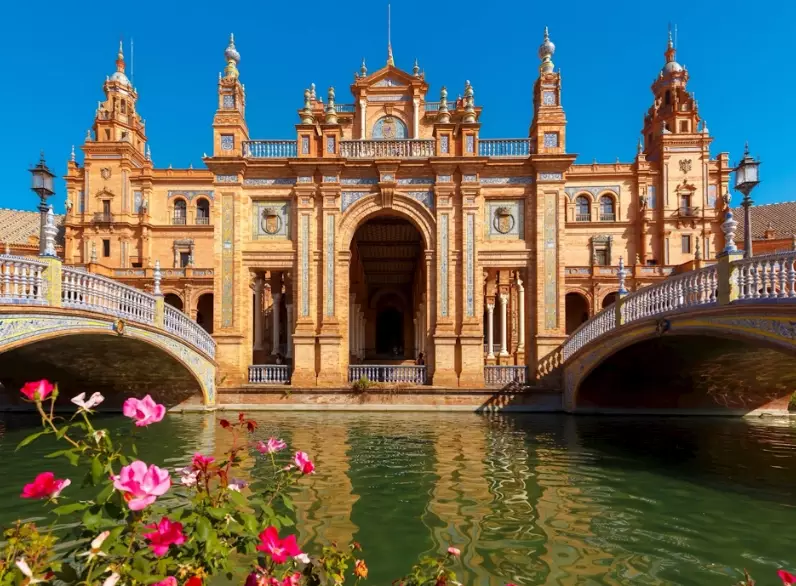
I spent a month traveling through Spain last year, and I have to say, they've got the tourism thing down to a science. The variety is insane. You want beaches? You have the Mediterranean Costa del Sol, the wilder Costa Brava, and the Atlantic waves of the north. You want culture and history? Barcelona's Gaudí architecture, Madrid's world-class museums, and the Moorish palaces of Andalusia (like the Alhambra in Granada, which you absolutely must book months in advance). You want food and nightlife? It's arguably the best in Europe. Tapas bars, late dinners, vibrant city plazas – the lifestyle is a huge part of the draw.
Spain also benefits from being a major package holiday destination for Northern Europeans seeking sun, which guarantees a high volume of repeat visitors. Their high-speed AVE train network makes getting around a breeze. From a pure travel enjoyment perspective, it's hard to beat.
Let's Put the Numbers Side-by-Side
To really see the difference between these top players, let's look at a snapshot of pre-pandemic data (which still defines the normal pecking order). This table shows why the question "which country is no. 1 for tourism?" needs context.
| Country | Rank by Int'l Arrivals (Pre-Pandemic) | Rank by Tourism Receipts (Pre-Pandemic) | Key Tourist Draws |
|---|---|---|---|
| France | 1 | 3-4 | Paris, French Riviera, Loire Valley, Wine Regions, Alps |
| United States | 2-3 | 1 | New York City, National Parks (Grand Canyon, Yellowstone), LA, Las Vegas, Orlando Theme Parks |
| Spain | 2-3 | 2-3 | Barcelona, Madrid, Costa del Sol, Andalusia (Seville, Granada), Balearic Islands (Mallorca) |
| Italy | 5 | 4-5 | Rome, Venice, Florence, Amalfi Coast, Tuscany |
See what I mean? France leads in foot traffic. The U.S. leads in cash. Spain is a strong all-rounder. Italy is always in the conversation for its unparalleled cultural density. There is no single number one.
What Actually Makes a Country the "Top" Tourist Destination?
Beyond the raw stats, what are the ingredients that push a country to the top of these lists? If you're wondering which country is no. 1 for tourism in terms of what makes a place truly great to visit, here's my take on the key factors.
Cultural & Natural Capital: This is the non-negotiable foundation. You need "must-see" assets. For France, it's the Eiffel Tower and the Louvre. For the U.S., it's the Grand Canyon and the Statue of Liberty. For China (another top-5 player), it's the Great Wall and the Terracotta Army. These are the postcard icons that first pop into people's minds.
Infrastructure and Accessibility: It doesn't matter how beautiful a place is if it's a nightmare to get to or around. Top destinations have major international airport hubs, efficient public transport within cities, good rail or road connections between cities, and a range of accommodation from hostels to luxury hotels. This is an area where Japan excels – it's incredibly easy and efficient to travel there, which boosts its appeal immensely.
Safety and Stability: Let's be blunt. Tourists avoid places that feel unsafe or politically unstable. Consistently top-ranking countries are generally perceived as safe for travelers. This is a huge advantage for places like Canada, Japan, and many Western European nations.
Marketing & "Brand" Power: How a country sells itself is massive. "Incredible !ndia," "Malaysia Truly Asia," "Pure New Zealand" – these are powerful branding campaigns. France's brand is built on romance, fashion, and wine. Spain's is about passion, fiesta, and sun. A strong, clear brand cuts through the noise.
Value for Money & Visa Policies: This is a practical one. Countries with favorable exchange rates or lower costs of living can attract budget-conscious travelers in droves. Similarly, visa policies matter. Countries that offer visa-free access or easy e-visas to many passports (like Turkey or the UAE) remove a huge barrier to entry.

Answering Your Real Questions (The FAQ Part)
I know when you search for this, you probably have more specific questions bubbling under the surface. Let me tackle a few I hear all the time.
The Verdict: So, Which Country Truly Is No. 1?
After all this, let's circle back to the original query: which country is no. 1 for tourism?
If we must pick one based on the most commonly used global metric – international tourist arrivals – the official and long-reigning champion is France. It's the undisputed leader in welcoming people across its borders. The data from authoritative sources like the UNWTO confirms this year after year.
But I hope by now you see that this is just one answer. If your definition of "number one" is economic power, it's the United States. If it's about a perfect blend of volume, spending, and tourist-friendly infrastructure, Spain makes a incredibly strong case. If it's about bucket-list cultural density, Italy is many people's personal top choice.
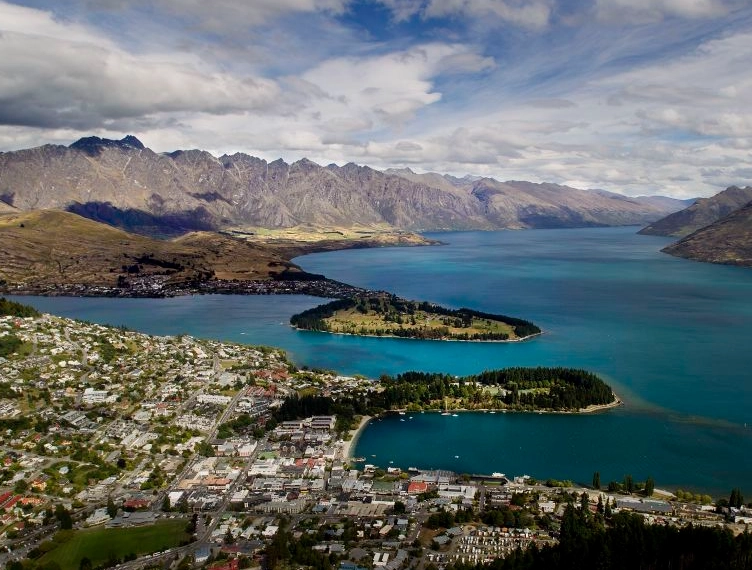
My personal feeling? Getting hung up on a single ranking misses the point of travel. The world is too big and wonderful for that. The "number one" country for you is the one that calls to you, fits your budget, and promises the experience you're craving – whether that's hiking in New Zealand, exploring ancient temples in Egypt, or cafe-hopping in Vienna.
Use these lists and numbers as a starting point for research, not as the final answer. Look beyond the top spot. Dive into what each country offers. Check official tourism boards for the latest visa and safety info. Read travel blogs from people with similar interests. That's how you'll find your own personal number one destination.
Because in the end, the best country to visit is the one that leaves you with stories you'll tell for the rest of your life.




Comments
Join the discussion