Let's cut to the chase. You're thinking about a trip to Europe. Maybe you're dreaming of Parisian cafes, Roman ruins, or Greek islands. But a nagging thought creeps in: Will it be packed? Am I just going to be another tourist in a sea of selfie sticks? That's where understanding Europe tourism numbers shifts from dry data to your secret planning weapon. It's not just about how many people go; it's about when they go, where they cluster, and how you can use that information to craft a trip that feels personal, not packaged.
Post-pandemic, the numbers roared back, but the patterns changed. According to the European Travel Commission, international arrivals have surged, often matching or exceeding 2019 levels. But here's the twist travelers are spreading out more, booking later, and seeking experiences beyond the classic capitals. The old rules don't always apply.
Your Quick Guide to Navigating This Article
Europe's Tourism Recovery: Not Just Numbers, But New Patterns
Everyone expected a rebound. The sheer volume was predictable. What's fascinating is the behavioral shift hidden within the statistics.
Data from Eurostat and national tourism boards shows a clear move towards shoulder-season travel. May, June, September, and October are seeing proportionally higher growth than the peak July-August period. People have learned they prefer 20-degree sunshine and shorter lines over 35-degree heat and three-hour waits for the Uffizi Gallery. I made that mistake once in July. Never again.
There's also a pronounced rise in secondary city travel. While Paris, Rome, and Barcelona still dominate the totals, places like Porto, Valencia, Lyon, Krakow, and Gdańsk are recording double-digit growth. Travelers are building itineraries that mix one major hub with two or three smaller, less congested cities. It's a smarter way to experience a country.
The Takeaway: The crowd isn't gone; it's just redistributing itself across more months and more destinations. Your opportunity lies in anticipating this redistribution.
The Top 5 European Destinations by Visitor Numbers
Let's talk about the heavy hitters. These countries consistently top the charts for international arrivals. But knowing the number is useless without context. Here’s what those figures really mean for your visit.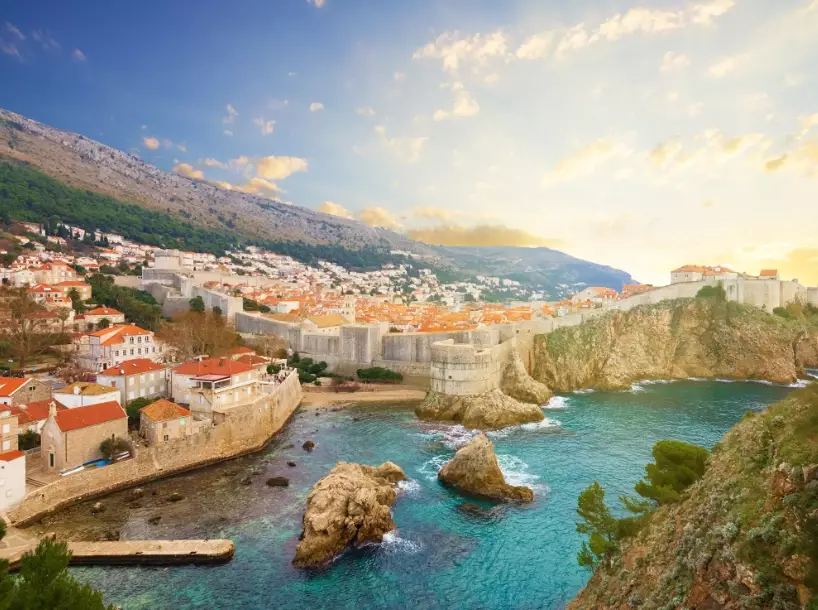
| Country | Pre-Pandemic Visitors (2019) | Key Insight for Travelers | Smart Alternative to Consider |
|---|---|---|---|
| France | ~90 million | Paris soaks up a massive share. Summer in the Louvre or at the Eiffel Tower is an exercise in patience. The city's museums often hit capacity by 11 AM. | Spend fewer days in Paris and explore regions like Alsace, the Dordogne, or Brittany. Or, visit Parisian museums on Wednesday or Friday nights for late openings and thinner crowds. |
| Spain | ~84 million | Mass tourism is hyper-concentrated in Barcelona, the Balearic Islands (Mallorca, Ibiza), and the Canaries. Beaches in July/August are a blanket of towels. | Look to northern Spain: San Sebastián, Santiago de Compostela, or the Pyrenees. Or try the Costa de la Luz instead of the Costa del Sol. |
| Italy | ~65 million | Venice, Rome, Florence, and the Amalfi Coast are the primary pressure points. Venice's day-tripper numbers can make the city feel like a theme park. | Base yourself in Bologna (for food) or Lecce (in Puglia) and take day trips. In Rome, visit the Vatican Museums at opening or book an early-access tour. |
| Germany | ~40 million | Tourism is more evenly distributed due to business travel and many cultural cities. Oktoberfest in Munich is the major, predictable crush. | Berlin and Munich are great, but don't sleep on Hamburg, Leipzig, or the Romantic Road towns like Rothenburg ob der Tauber. |
| United Kingdom | ~40 million | London dominates. Major attractions like the British Museum and Tower of London have perennial queues. Summer is peak, but the city is busy year-round. | Use London as a hub, but allocate days for Edinburgh, York, or the Cotswolds. In London, visit major sites right at opening time. |
Notice a pattern? The problem is rarely the entire country. It's specific, magnetic hotspots within it. Your job is to either attack those hotspots with a brilliant strategy (timing, tickets) or to build an itinerary that leans into the country's depth.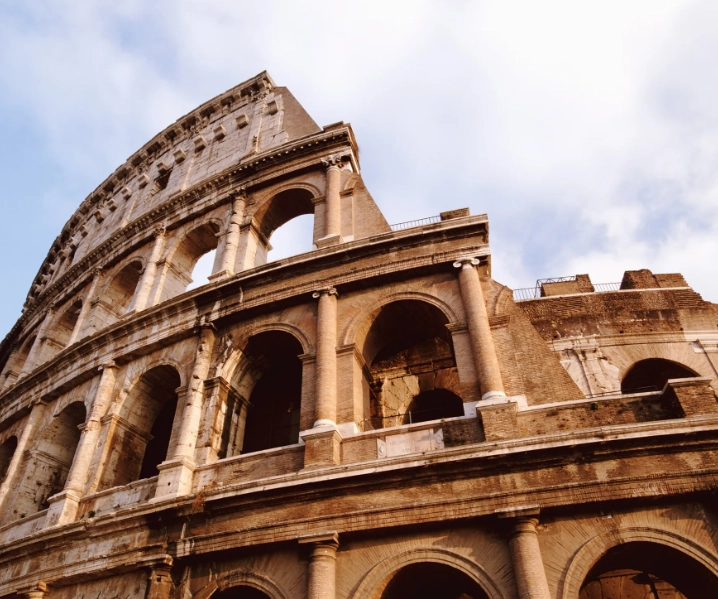
How to Use Tourism Data to Plan a Better Trip
This is where we move from theory to action. How do you translate these tourism figures into a concrete plan?
1. Master the Calendar
It's not just "summer vs. not summer." You need to cross-reference general high season with local event calendars. A city might be quiet in May, but if there's a major trade fair or festival (e.g., Milan Design Week, Munich's Frühlingsfest), hotel prices triple and the streets fill up. Always check.
My Rule of Thumb: For Southern Europe (Spain, Italy, Greece, South of France), target late April to mid-June or late September to late October. You get great weather, open attractions, and restaurants full of locals, not just tourists. For Central & Northern Europe (Germany, UK, Benelux), May-June and September are golden. Winter can be magical for Christmas markets, but days are short.
2. Redefine "Must-See"
The Louvre gets 10 million visitors a year. The Musée d'Orsay gets about 3.5 million. Both are incredible. One will be a more relaxed experience. Does that mean skip the Louvre? No. It means buy a timed-entry ticket online months in advance for the first slot of the day. Walk straight in. Head for the Mona Lisa first, then enjoy the rest of the museum as it fills up.
Apply this to every major site: Colosseum, Sagrada Familia, Anne Frank House. Pre-booking is non-negotiable. It's the single biggest hack to beat the numbers.
3. Design a Crowd-Averse Itinerary
Instead of Paris-London-Rome (the classic, crowded triangle), consider a route like Lisbon-Porto-Santiago de Compostela. Or Vienna-Bratislava-Budapest. Or Berlin-Prague-Krakow. You spread the economic benefit, experience more cultural nuance, and keep your stress levels down. Flights and trains between these secondary hubs are often cheap and efficient.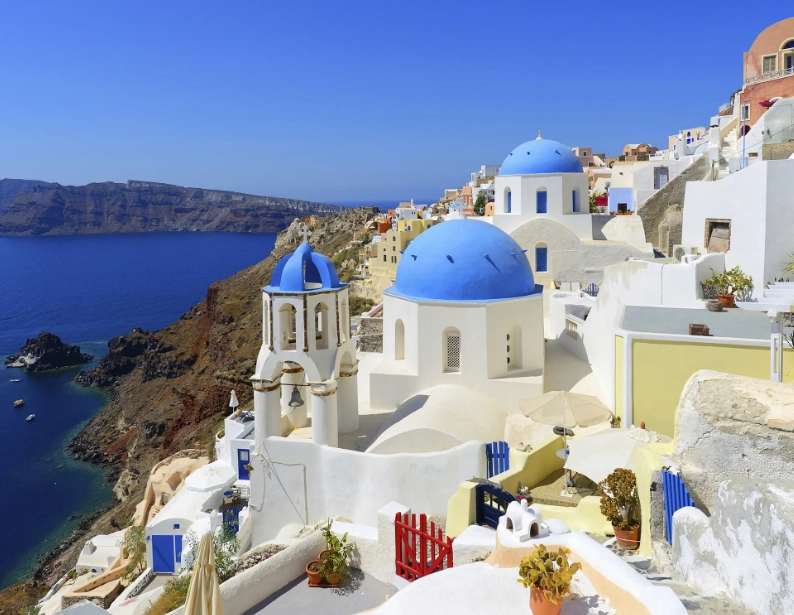
The Flip Side: Overtourism and Sustainable Travel
We can't talk about tourism numbers without addressing the elephant in the room. Places like Venice, Barcelona, and Dubrovnik have become poster children for overtourism. Residents protest, ecosystems strain, and the experience diminishes for everyone.
As a traveler, you have power. Choosing where to spend your money is a vote. Opting for a family-run guesthouse in a less-trodden neighborhood, eating at restaurants away from the main square, visiting in the shoulder season these choices matter. They reduce pressure on the honeypot sites and distribute benefits more widely.
Some cities are taking drastic measures. Venice now charges a day-tripper fee. Amsterdam is actively campaigning to redirect tourists. Pay attention to these policies. They're not meant to punish you; they're meant to preserve the place you've come to see.
Think of it this way: the goal isn't to have a city to yourself. That's impossible. The goal is to visit in a way that feels respectful, engaged, and leaves the place intact for the travelers who come after you. The data shows where the pressure is highest; your itinerary can help relieve it.
Your Questions on Europe Tourism Numbers Answered
Ultimately, Europe tourism numbers aren't a deterrent; they're a dataset. They tell a story of where people love to go. Your mission isn't to avoid that story, but to read it carefully and then write your own chapter. Go when others aren't looking. Look where others aren't going. Book what others forget to book. That's how you find the Europe that exists beyond the numbers.


Comments
Join the discussion