Quick Guide
- The Big Three: Japan's Tourism Powerhouses
- Beyond the Beaten Path: Japan Tourism Places Many Miss
- Nature's Playground: Japan's Outdoor Tourism Places
- When to Go: Timing Your Visit to Japan's Tourism Places
- Getting Around: The Practical Magic
- Essential FAQs for Japan Tourism Places
- Pulling It All Together
Let's be honest. You've probably seen a hundred articles listing "top 10 Japan tourism places." They all tell you to go to Tokyo, Kyoto, and Osaka. And they're not wrong—those places are incredible. But Japan is so much more than that. It's a country where you can get lost in a bamboo forest in the morning and be staring up at a giant robot statue by afternoon. The sheer variety of Japan tourism places is what makes planning a trip so exciting, and honestly, a bit overwhelming.
I remember my first trip. I had a spreadsheet. It was color-coded. I tried to cram everything in, rushing from shrine to skyscraper. I missed the point. Japan isn't about checking boxes; it's about the feeling of walking through a thousand torii gates at Fushimi Inari, the taste of perfect ramen from a tiny shop under train tracks, the quiet awe of a moss-covered temple garden. This guide is my attempt to help you find those moments, not just the postcard spots.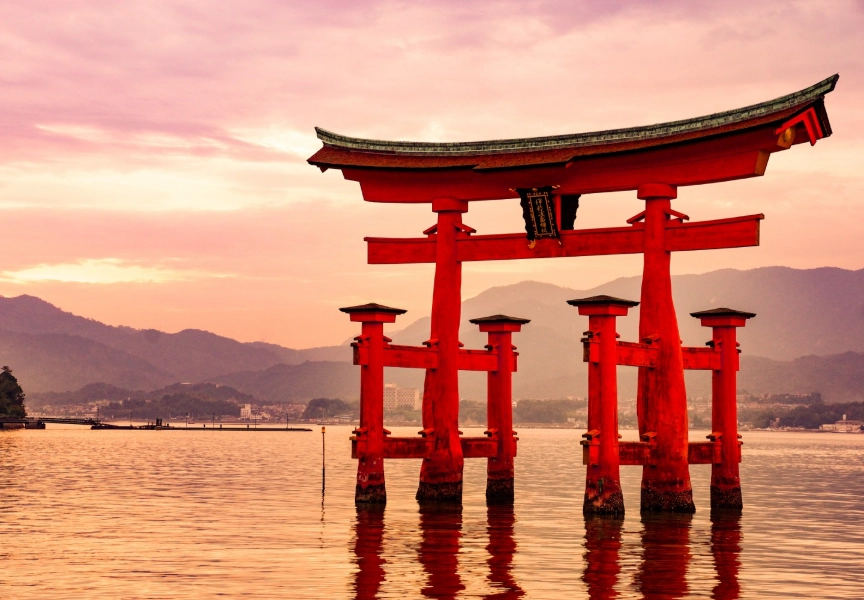
We'll talk about the famous Japan tourism places, sure. But we'll also dig into the why and the how. Why is a place special? How do you actually experience it without the crowds? How do you piece together an itinerary that feels like an adventure, not a marathon? Let's get into it.
The Big Three: Japan's Tourism Powerhouses
You can't talk about Japan tourism places without starting here. These cities are popular for a reason. They're the heart of the modern and traditional Japan that most people dream of seeing.
Tokyo: The Electric Heart
Tokyo isn't just a city; it's a collection of a hundred different cities, each with its own personality. Thinking of Tokyo as one monolithic Japan tourism place is your first mistake. Shibuya is not Shinjuku. Asakusa is not Harajuku.
Shibuya Crossing is chaos you have to experience once. But the real magic is in the side streets. Get lost in the tiny bars of Nonbei Yokocho ("Drunkard's Alley"). For a calmer vibe, I love the backstreets of Daikanyama or Nakameguro, especially when the cherry blossoms line the river. It's a different side of Tokyo tourism.
Don't just stick to the ground. The Tokyo Metropolitan Government Building in Shinjuku offers free observatories with stunning views. It's often less crowded than the paid alternatives. And if you're into electronics and anime figures, Akihabara is a sensory overload. Just be prepared for the noise and the crowds—it's not for everyone.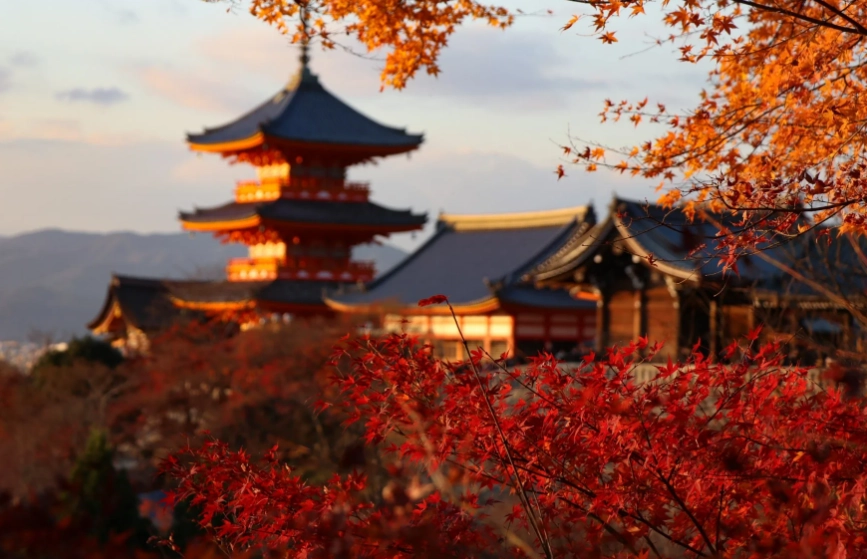
Kyoto: The Soul of Old Japan
Kyoto is the postcard. It's the image most people have when they think of traditional Japan tourism places. Temples, gardens, geisha (though properly called geiko in Kyoto), and tea houses. The pressure to "do" Kyoto correctly is intense.
The Golden Pavilion (Kinkaku-ji) is stunning, yes. But it's also surrounded by a mob of people all trying to get the same photo. I found it a bit... transactional. My advice? Go early. I mean, be on the first bus early. Or, better yet, seek out some of the less-heralded gems. Sanjusangendo Hall, with its 1001 statues of Kannon, left me speechless. It's dark, solemn, and powerful in a way the golden temple wasn't.
Fushimi Inari is a must among Japan tourism places. Those endless orange torii gates climbing the mountain are unforgettable. But the trick is to keep walking. Most people crowd the base. Hike for 30-40 minutes, and the crowds thin out dramatically. You'll get those iconic shots without a hundred strangers in them.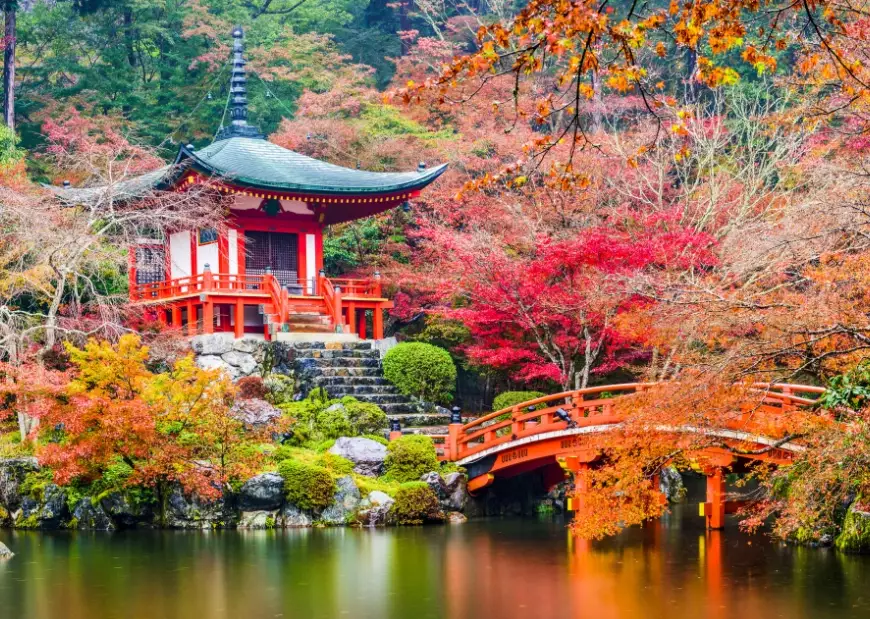
Osaka: The Kitchen of Japan
If Tokyo is for seeing and Kyoto is for feeling, Osaka is for eating. This is a city built on commerce and good times. The energy is more down-to-earth, the people are famously friendly (and direct), and the food is the main attraction.
Dotonbori at night is an assault of neon signs, including the famous running Glico Man. It's chaotic, loud, and incredibly fun. The street food is legendary: takoyaki (octopus balls), okonomiyaki (savory pancake), and kushikatsu (deep-fried skewers). Don't just eat at one place. Grab a couple takoyaki from a stall, walk a block, try some okonomiyaki from a tiny restaurant where you cook it yourself on a hotplate at your table.
Osaka Castle is a major Japan tourism place, but it's a concrete reconstruction. The museum inside is good, but the exterior and park are the real draw, especially during cherry blossom season. For a modern contrast, the Umeda Sky Building with its floating garden observatory offers incredible 360-degree views.
I have a soft spot for Shinsekai, an old neighborhood with a retro-futuristic vibe (modeled on Paris and New York a century ago) and home to the iconic Tsutenkaku Tower. It's a bit rough around the edges, but it feels real.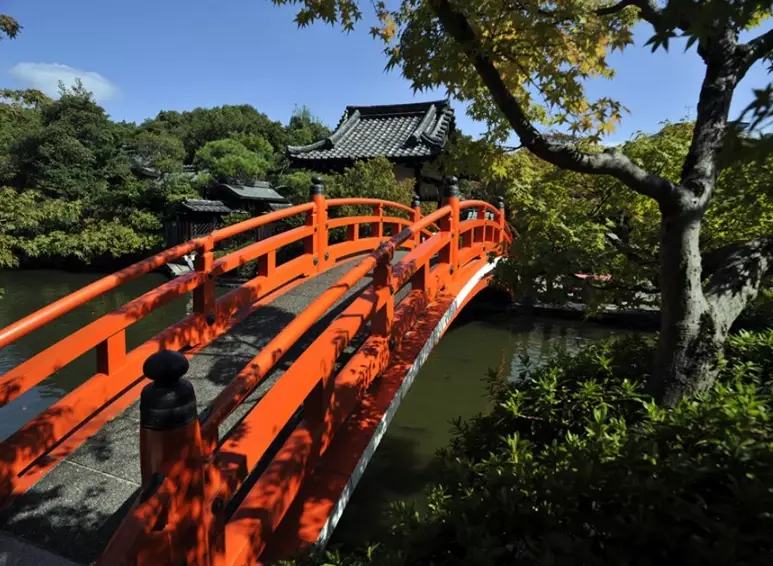
Beyond the Beaten Path: Japan Tourism Places Many Miss
This is where your trip gets special. When you step outside the Golden Route (Tokyo-Kyoto-Osaka), you find a different Japan. Less crowded, often more affordable, and deeply rewarding.
Kanazawa: The Little Kyoto of the Sea of Japan
Kanazawa escaped WWII bombing, so its historic districts are beautifully preserved. It has samurai districts, geisha districts, and one of Japan's top three landscape gardens: Kenrokuen. What does it have that Kyoto doesn't? Space. You can wander the narrow lanes of the Higashi Chaya District without being shoulder-to-shoulder with other tourists. The 21st Century Museum of Contemporary Art is also a stunning piece of architecture. It's a perfect blend of old and new, and it's easily accessible via the Hokuriku Shinkansen from Tokyo.
Takayama & the Japanese Alps
Nestled in the mountains, Takayama feels frozen in time. The Sanmachi Suji historic district is full of dark wooden merchant houses, sake breweries (you can see the sugidama balls hanging outside), and little shops selling local crafts and the famous Hida beef. The morning markets along the river are a delight. From here, you can visit the thatched-roof farmhouses of Shirakawa-go (a UNESCO site), which look like something out of a fairy tale, especially under snow. This region offers a glimpse of rural Japan that's hard to find near the big cities.
Hiroshima & Miyajima: A Story of Peace and Beauty
Hiroshima is a deeply moving and essential Japan tourism place. The Peace Memorial Park and Museum are not easy visits, but they are profound and important. It's a testament to resilience. Then, just a short ferry ride away, is the island of Miyajima, famous for the "floating" torii gate of Itsukushima Shrine. At high tide, it appears to float on the water—it's one of Japan's most iconic views. The island is also home to friendly deer and great hiking trails. The contrast between the two sites in one day is powerful and unique.
Nikko: Opulent Shrines in a Mountain Setting
A easy trip from Tokyo, Nikko is where the shogun Tokugawa Ieyasu is enshrined in breathtakingly ornate style. Toshogu Shrine is covered in gold leaf and intricate carvings (including the famous "see no evil, hear no evil, speak no evil" monkeys). It's the antithesis of Kyoto's minimalist aesthetic—it's baroque, almost overwhelming. And behind the splendor, the mountains of Nikko National Park offer waterfalls, hiking trails, and the beautiful Lake Chuzenji. It makes for a fantastic one or two-day escape from Tokyo's concrete.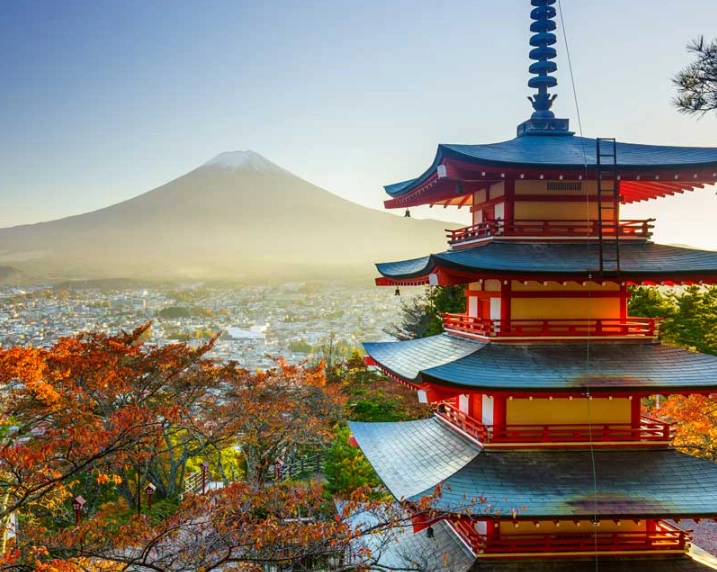
Nature's Playground: Japan's Outdoor Tourism Places
Japan is over 70% mountainous. The opportunities for hiking, onsening (hot spring bathing), and just breathing fresh air are endless.
The Japanese Alps & Kamikochi
Kamikochi is a highland valley in the Northern Alps, accessible only by bus or taxi. It's a pristine, protected area with crystal-clear rivers, marshlands, and stunning views of peaks like the Hotaka range. The walking trails are mostly flat and well-maintained, making it accessible for most fitness levels. It's a popular spot for Japanese hikers and feels a world away from urban Japan.
Yakushima: The Magical Forest Island
A subtropical island off the coast of Kyushu, Yakushima is a UNESCO World Heritage site covered in ancient cedar forests, some trees over 1,000 years old. It's the inspiration for the forest in Studio Ghibli's "Princess Mononoke." Hiking here, especially to see the Jomon Sugi (a cedar that's possibly 2,000-7,000 years old), is a pilgrimage for nature lovers. It's wet—very wet—so pack good rain gear. Getting there takes effort (flight or overnight ferry from Kagoshima), but it's one of the most unique Japan tourism places for an active traveler.
Hokkaido's Wide-Open Spaces
Hokkaido, Japan's northernmost major island, feels like a different country. In winter, it's a world-class destination for powder skiing and snow festivals like Sapporo's famous snow and ice sculptures. In summer, it's a paradise of flower fields (Furano, Biei), volcanic lakes (Lake Toya), and dramatic coastlines. The food is incredible too, especially seafood and dairy. It's less about temples and more about vast landscapes and outdoor activities.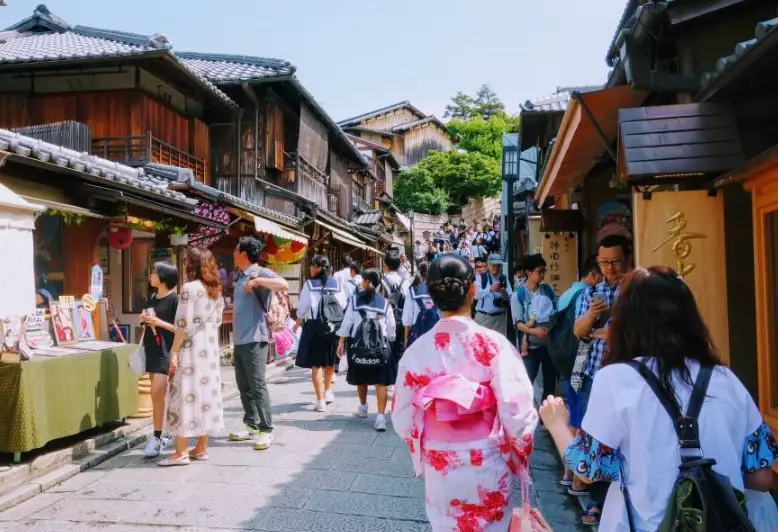
When to Go: Timing Your Visit to Japan's Tourism Places
This isn't just about weather. It's about crowds, prices, and what you want to see. The best time to visit Japan tourism places depends entirely on your priorities.
| Season | Best For | What to Watch Out For | My Take |
|---|---|---|---|
| Spring (Mar-May) | Cherry blossoms (sakura), mild weather, festivals. | Peak crowds, highest prices, booked-out accommodation. Blossom timing is fickle. | Magical but stressful. If you hate crowds, think twice. The hype is real, but so are the people. |
| Summer (Jun-Aug) | Festivals (matsuri), hiking in the Alps/Hokkaido, beaches in Okinawa. | Hot and humid (except Hokkaido), rainy season (June-July), typhoon risk (Aug-Sep). | The humidity in Tokyo/Kyoto can be brutal. Hokkaido or the mountains are your best bet. Festivals are worth the sweat. |
| Autumn (Sep-Nov) | Fall foliage (koyo), pleasant temperatures, great food. | Another popular season, especially for foliage viewing. Can be crowded in prime spots. | My personal favorite. The colors are stunning, the weather is perfect for exploring, and it feels less frantic than spring. |
| Winter (Dec-Feb) | Skiing/snowboarding, illuminations, onsen (hot springs), fewer crowds (except around New Year). | Cold, especially in central and northern Japan. Some rural attractions may have reduced hours. | Underrated. Cities are festive, onsens are heavenly in the cold, and you can have famous places almost to yourself. Pack warm layers. |
Getting Around: The Practical Magic
Navigating between Japan tourism places is famously efficient, but the system can seem daunting. Here's the simple breakdown.
The Japan Rail Pass (JR Pass) is the big question. It allows unlimited travel on most JR trains, including the famous Shinkansen (bullet trains), for a set period (7, 14, or 21 days). It's expensive. Do the math. Use a fare calculator (like the one on Japan-Guide.com) to add up the cost of your planned long-distance trips. If you're doing a Tokyo-Kyoto-Osaka-Hiroshima round trip, it usually pays off. If you're staying in one region or moving slowly, it might not. Note: As of 2023, the price increased significantly, so this calculation is more critical than ever.
For regional travel, consider regional passes. JR offers passes for Hokkaido, Kyushu, etc. Sometimes local private railway passes are better value for exploring a specific area.
In cities, IC cards (Suica, Pasmo, Icoca) are your best friend. You charge them with money and tap to ride subways, buses, and even buy things at convenience stores. They work in most major cities. Get one as soon as you land at the airport.
Don't overlook buses for certain routes. Highway buses (overnight or daytime) between major Japan tourism places can be much cheaper than the Shinkansen, especially if you book in advance on sites like Willer Express. They're clean, comfortable, and a good way to save money if you're on a budget.
Essential FAQs for Japan Tourism Places
Pulling It All Together
Planning a trip to Japan tourism places is a joy. The key is to not try to do it all. Pick a theme for your trip. Is it food? History and temples? Nature and hiking? Anime and pop culture? Focus on one or two regions deeply rather than skimming the surface of the whole country.
Build in downtime. A day with no plans, just wandering a neighborhood, sitting in a park, or revisiting a favorite spot. Some of my best memories are from those unplanned moments.
Finally, embrace the differences. Things will be orderly and quiet on the subway. You might have to take your shoes off five times in a day. The rules might seem strict. But that's part of the charm. It's a culture that values respect, beauty, and attention to detail in everything from a tea ceremony to a perfectly wrapped convenience store sandwich.
Japan's tourism places offer an endless variety of experiences. Whether you're drawn to the neon future of Tokyo, the serene past of Kyoto, the rugged beauty of the Alps, or the warm hospitality of a rural onsen town, there's a corner of Japan waiting for you. Do your research, make a loose plan, and then be ready to be surprised. That's when the real adventure begins.

Comments
Join the discussion