Quick Navigation
- The Big Picture: How Many People Actually Visit Fiji?
- When to Go: The Seasonal Story in the Data
- Beyond the Headcount: What Tourists Spend (And On What)
- Island Hotspots: Where the Crowds Go (And Where They Don't)
- Sustainability & The Future: What the Numbers Hint At
- Your Burning Questions on Fiji Tourism Stats (Answered)
- Wrapping It Up: Your Data-Driven Fiji Game Plan
So you're thinking about Fiji. White sand, blue water, that whole paradise thing. But before you max out your credit card on overwater bungalows, there's something you should probably look at. The numbers. I know, I know, statistics sound about as exciting as watching paint dry on a palm tree. But trust me, digging into Fiji tourism statistics is the secret sauce to planning a trip that's actually good, not just Instagram-good.
I made the mistake once of just going where the brochures said was hot. Big mistake. Crowds, overpriced everything, the works. Now? I let the data guide me. And for Fiji, the data tells a fascinating story about who goes, when they go, what they spend, and more importantly, where the quiet spots might be hiding.
Let's peel back the postcard and look at the real Fiji through its visitor numbers, spending habits, and travel trends. This isn't just dry government reporting—it's a cheat sheet for your future vacation.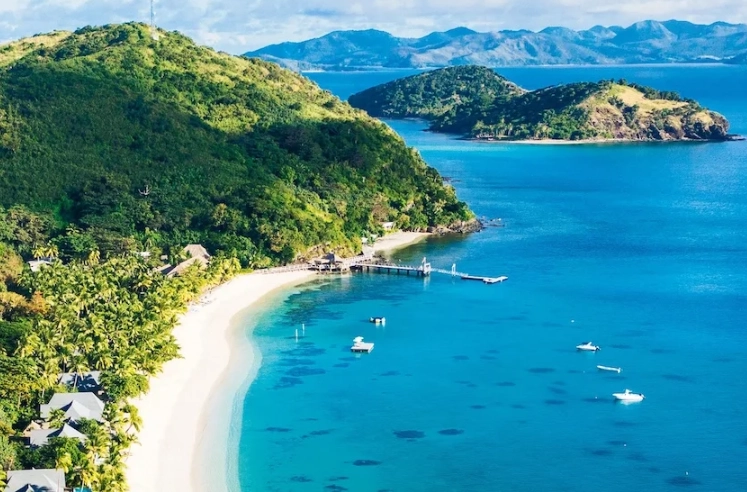
The Big Picture: How Many People Actually Visit Fiji?
Fiji's not exactly a secret. But how popular is it, really? The latest official figures paint a clear picture of a tourism industry that's not just back on its feet after some rough years, it's sprinting.
Where are all these people coming from? This is where the Fiji tourism statistics get really interesting for planning. It's not a random mix.
| Top Visitor Source Markets | Why It Matters for Your Trip |
|---|---|
| Australia (The clear leader) | Flights are plentiful and often competitive. You'll hear a lot of Aussie accents. Resorts are very tuned to their preferences. |
| New Zealand (A very close second) | Similar to above. The short flight makes Fiji a favorite Kiwi holiday spot, especially in winter. |
| United States | A major long-haul market. You'll find many direct flight options from the West Coast (LA, San Francisco). |
| Canada | Growing steadily. Similar travel patterns to the US, often seeking sun during the Northern Hemisphere winter. |
| China | A pre-pandemic powerhouse that is steadily returning. Influences resort amenities and sometimes payment options. |
See the pattern? It's heavily weighted towards the Pacific Rim. This dominance has a huge effect on everything from flight schedules (tons from Sydney and Auckland) to the vibe at major resorts. If you're coming from Europe, you might feel like a bit of a trailblazer, and you'll likely have a connecting flight.
A quick personal gripe.
Because Australia and New Zealand are so dominant, you'll sometimes feel like some package deals or promotions are built first and foremost for them. As a North American traveler, I've had to dig a little deeper to find the best flight-inclusive deals that didn't assume I was starting from Brisbane.
When to Go: The Seasonal Story in the Data
Ask anyone when the best time to visit Fiji is, and they'll parrot "the dry season." May to October. Sure, the weather stats back that up. But the visitor arrival stats tell a more nuanced—and useful—story.
The peak season for Fiji visitor arrivals is smack in the middle of the Southern Hemisphere's winter. July, August, September. Why? Because every Australian and New Zealander with a bit of cash and a week off wants to escape their chilly weather for Fijian sunshine. This means a few things:
- Prices peak: Resort rates are at their absolute highest.
- Availability plummets: The best places book out months in advance.
- The vibe is buzzing: More people, more energy, sometimes more kids (during school holidays).
The Shoulder Season Secret
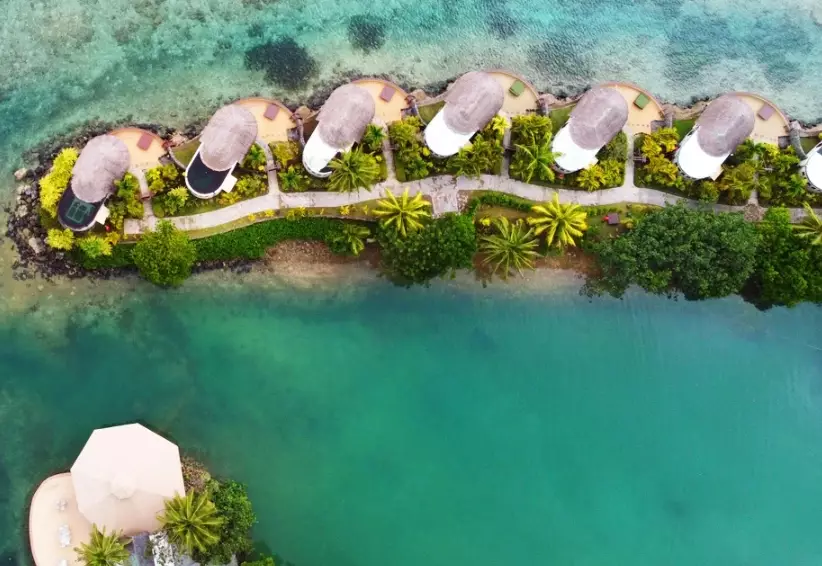
Now, look at the Fiji tourism statistics for April, May, early June, and November. The visitor numbers dip noticeably. This is the golden window. The weather is still largely fantastic (especially in May and November), the water is warm, the rains are less frequent, but the crowds and prices haven't hit their insane peak. I went in late May once and had a whole section of beach to myself. It was magic, and cheaper.
The so-called "wet season" (December to April) sees fewer tourists overall, but don't write it off. Yes, there's a higher chance of rain, even the occasional cyclone. But the stats also show it's lush, green, less crowded, and significantly cheaper. You trade a bit of weather certainty for value and solitude. For some travelers, that's a perfect deal.
Beyond the Headcount: What Tourists Spend (And On What)
Visitor numbers are one thing. But where does the money go? Understanding the Fiji tourism statistics on expenditure changes how you budget.
The average international tourist spends a significant amount per trip. This isn't a budget backpacker destination for most—it's a premium holiday. The money breaks down roughly like this:
- Accommodation: The single biggest chunk by far. This is where Fiji makes its money, from luxury resorts to boutique hotels.
- Food & Beverage: Eating out, especially at resorts, can add up quickly. The stats show a heavy spend here.
- Local Transport & Tours: Boat transfers, island hopping, scuba diving, cultural tours. This is the "experience" budget.
- Shopping & Souvenirs: A smaller portion, but still notable for local markets and handicraft centers.

A Reality Check: The "average daily spend" figures published can be misleading. They're an average. A family staying at an all-inclusive resort on Denarau and a backpacker staying in a dorm on the Coral Coast are thrown into the same pot. Your personal spend will be wildly different. Always budget based on your own travel style, not the national average.
Here’s a more practical breakdown based on what I’ve seen and what the spending trends suggest:
| Travel Style | Estimated Daily Spend Per Person (Excl. Flights) | What That Typically Gets You |
|---|---|---|
| Budget/Backpacker | $75 - $150 FJD | Dorm or basic private room, local meals/bus transport, some cheap activities. |
| Mid-Range | $250 - $500 FJD | Comfortable hotel/resort room, mix of resort & local dining, several paid tours/transfers. |
| Luxury | $600+ FJD | High-end resort/villa, fine dining, private tours, spa treatments, etc. |
The data consistently shows that tourists who venture beyond the main island of Viti Levu (to the Mamanucas or Yasawas, for example) tend to have a higher total spend. Why? Inter-island flights or boat transfers aren't cheap, and the remote resorts are often premium. But the experience is also vastly different.
Island Hotspots: Where the Crowds Go (And Where They Don't)
Not all of Fiji's 300+ islands are created equal in the eyes of tourists. The distribution of Fiji visitor arrivals is incredibly lopsided, and knowing this can help you pick your paradise.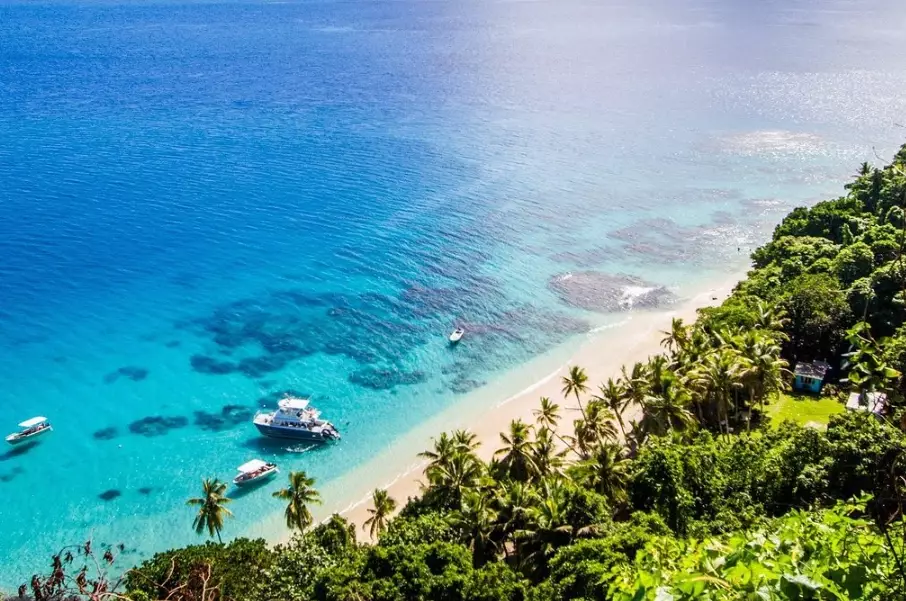
The Main Hub: Viti Levu
This is where the international airport (Nadi) is. A massive majority of tourists land here. Many, especially on shorter packages, never leave. The Coral Coast and Denarau Island are packed with large resorts. The stats show this area has the highest volume of rooms and the most tourist infrastructure. It's convenient, has lots of options, but it can feel the least "remote" or "authentic" to some. If you want easy and everything at your fingertips, this is it. If you want secluded and untouched, you need to look further.
The Classic Postcard: The Mamanuca Islands
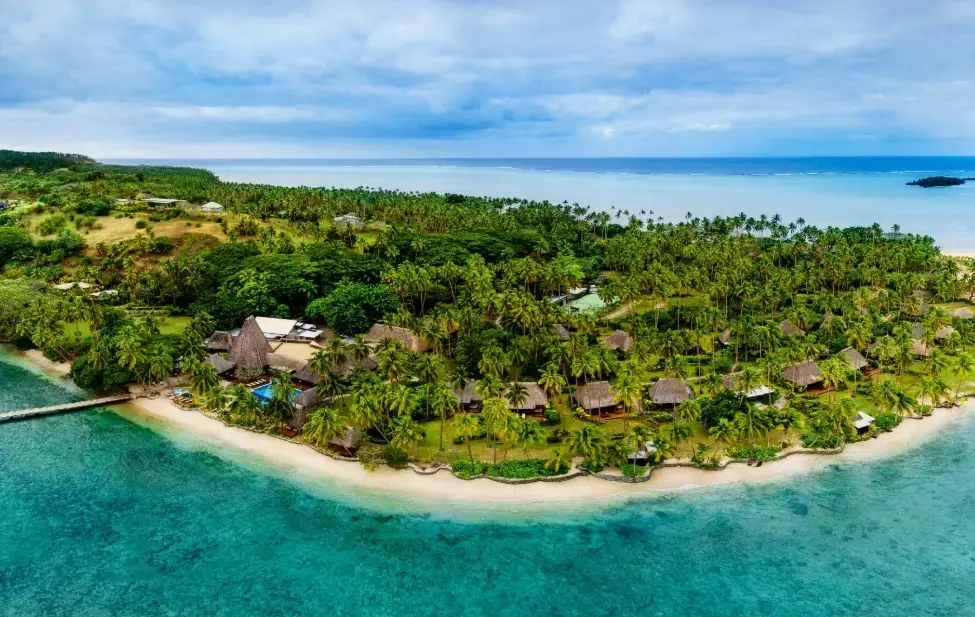
Think of those tiny palm-fringed islands you see in movies. That's the Mamanucas, a short boat ride from Nadi. Places like Mana Island, Malolo Island. The visitor statistics for this zone are huge relative to its size. It's perennially popular for a reason: stunning beauty, easy access, great for families and couples. The downside? It can feel busy, and you're sharing that perfect beach with a lot of other people who also saw the brochure.
The Adventure Chain: The Yasawa Islands
North of the Mamanucas, these islands are more rugged, less developed, and accessed by longer boat rides or small planes. The Fiji tourism statistics show a dedicated but smaller flow of tourists here—often backpackers using the Yasawa Flyer pass, or travelers seeking more rustic luxury. You get more of a sense of discovery here. I found the villages here felt less like a tourist performance and more like actual places where people live.
The Undiscovered (Relatively): Vanua Levu & Taveuni
Fiji's second and third largest islands. The visitor numbers here are a tiny fraction of Viti Levu's. This is for travelers who want to get off the beaten path. The diving around Savusavu (Vanua Levu) is world-class, and Taveuni is the "Garden Island." You won't find big resorts or crowds. You will find slower pace, incredible nature, and a need for more flexible planning. The data suggests this is a growing niche for eco-tourists and serious divers.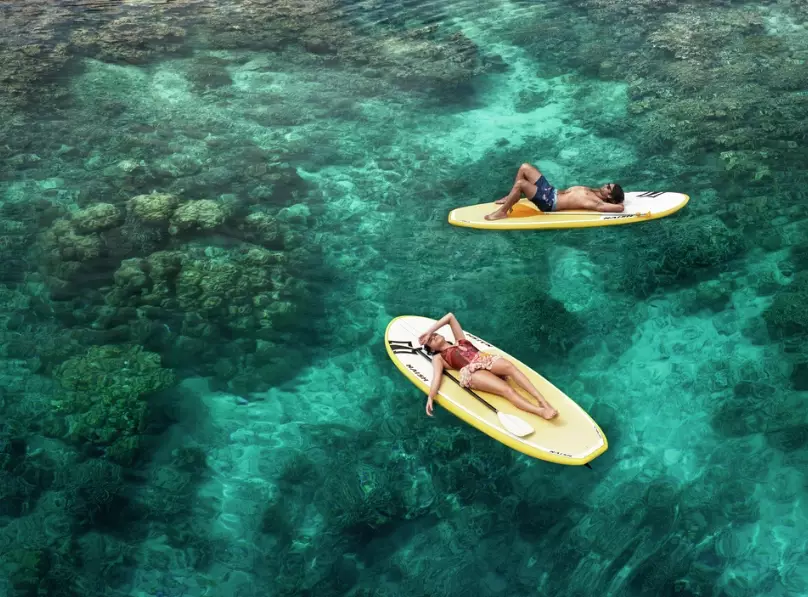
My Take: Everyone raves about the Mamanucas. And they are beautiful. But after a few days, I started craving more character. I hopped over to the Yasawas and immediately preferred the vibe. It felt less polished, more real. The beaches were just as good, but the hills had more drama. The stats show most people don't make that jump, and that's a shame.
Sustainability & The Future: What the Numbers Hint At
This is the part most summaries of Fiji tourism statistics miss. The numbers aren't just about growth; they're about pressure. Nearly a million people visiting a small island nation has an impact.
The Fijian government and organizations like the Fiji Tourism Authority are acutely aware of this. You can see it in the strategic plans that often accompany the raw data. There's a clear push, reflected in policy and marketing, towards:
- High-value over high-volume: Encouraging longer stays and higher spending rather than just packing in more people.
- Dispersal: Trying to steer some of that tourist flow to less-visited areas like Vanua Levu to spread economic benefits and reduce pressure on hotspots.
- Sustainable practices: A growing emphasis on protecting the coral reefs, mangroves, and culture that tourists come to see. This isn't just greenwashing; it's business survival.
As a traveler, you can see this trend in the rise of smaller, eco-focused resorts and tour operators who talk about their conservation work. The data from sources like the United Nations World Tourism Organization (UNWTO) often highlights Fiji's efforts in this area within the South Pacific context.
It’s a tightrope walk.
They need tourism dollars desperately. But they also need to protect the very thing that attracts those dollars. The next decade of Fiji tourism statistics will be fascinating to watch to see if they can balance it.
Your Burning Questions on Fiji Tourism Stats (Answered)
Is Fiji overcrowded with tourists?
It depends entirely on where and when you go. Denarau Island in July? Yes, it can feel very busy. A resort in the remote Yasawas in February? Probably not at all. The overall visitor numbers are high, but Fiji's geography—spread across many islands—does a good job of naturally dispersing people. Avoid the peak season (Jul-Sep) and the main resort strips if crowd-aversion is your top priority.
What is the #1 most visited place in Fiji?
By sheer volume of tourists, the area around Nadi (including Denarau Island and the Coral Coast on Viti Levu) is the undisputed number one. It's the gateway. In terms of specific islands outside the mainland, the Mamanuca Islands group takes the top spot.
How long do most tourists stay in Fiji?
The average length of stay is surprisingly healthy, often between 7 to 10 nights. This isn't a weekend destination for most international visitors. The long travel times and cost encourage people to stay longer to make it worthwhile. The data shows that visitors from farther away (like North America) tend to stay the longest.
Are tourist numbers back to normal after the pandemic?
Yes, and then some. Recent Fiji visitor arrivals data has not only recovered to pre-2020 levels but has, in some periods, surpassed them. The pent-up demand for tropical travel was huge. The industry is fully operational and thriving again.
Where can I find the official, latest Fiji tourism statistics?
For the most reliable and current data, go straight to the source. The Fiji Bureau of Statistics publishes detailed monthly and annual visitor arrival reports. The Fiji Tourism Authority also releases strategic analyses and market summaries. These are the gold standard for avoiding third-party guesses.
Wrapping It Up: Your Data-Driven Fiji Game Plan
Okay, so after all these numbers, what's the actionable takeaway? Here’s how to use these Fiji tourism statistics to plan a better trip:
- Target the Shoulder Seasons (Apr-Jun, Nov): Use the visitor arrival data to your advantage. Better weather than peak wet season, better prices and crowds than peak dry season. It's the statistical sweet spot.
- Look Beyond Viti Levu: The data shows most people cluster on the main island. For a more iconic Fijian island experience, budget for and book a transfer to the Mamanucas or Yasawas. It's worth the extra cost and effort.
- Book Early for Peak Times: If you must travel during July-September or major holidays, book your accommodation many months in advance. The stats on occupancy rates during these periods are brutal for last-minute planners.
- Budget Realistically: Don't underestimate costs. Look at the expenditure statistics, acknowledge that Fiji is a premium destination, and budget for high food/activity costs, especially at resorts.
- Consider Your Source Market: If you're from the US or Canada, recognize that many deals are packaged for Aussies and Kiwis. Shop around for flights and packages from your own region.
At the end of the day, statistics are just a tool. They can't capture the feeling of that warm breeze or the taste of fresh kokoda. But they can steer you away from crowded disappointments and budget blowouts, and towards the Fiji you're actually dreaming of.
Use them well. Your perfect beach (with just the right amount of other people on it) is waiting.

Comments
Join the discussion