Your Safety Roadmap
- Understanding the Safety Landscape: It's Not One-Size-Fits-All
- Regional Risk: A Quick-Reference Table
- Your Pre-Trip Safety Checklist: Don't Skip This
- On the Ground: Navigating Daily Safety
- Money and Scams: Keeping Your Cash Safe
- Natural Forces: Weather, Seas, and Earth
- Health & Hygiene: Staying Well
- What to Do in an Emergency
- Your Philippines Tourism Safety Questions, Answered
- Wrapping It Up: A Realistic Perspective
Let's talk about safety in the Philippines. It's probably the biggest question on your mind if you're planning a trip to those stunning islands. I get it. You've seen the pictures of perfect beaches in Palawan, the crazy chocolate hills in Bohol, and the vibrant chaos of Manila. But you've also maybe heard stories or read travel advisories that give you pause. Is it safe? The short answer is: for the vast majority of travelers who use common sense, yes, absolutely. But like traveling anywhere in the world, especially in Southeast Asia, your experience hinges on being informed and prepared. This isn't about scaring you off—far from it. The Philippines is one of the most rewarding places I've visited. It's about giving you the real, unfiltered lowdown so you can relax and enjoy the famous Filipino hospitality without unnecessary worry.
So, what does "Philippines tourism safety" actually mean? It's a bundle of things. It's petty crime in cities, it's natural disaster awareness, it's road safety (a big one, honestly), it's knowing which areas have travel restrictions, and it's basic health precautions. It's also about respecting local norms to avoid unintentional trouble. This guide is going to dig into all of it. We'll move past the generic "be careful" advice and into the specifics that actually help you plan.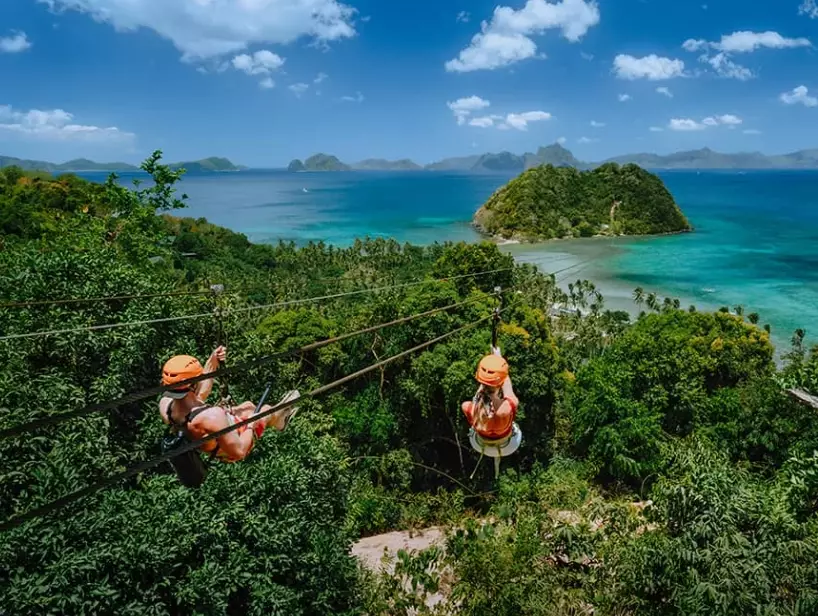
Understanding the Safety Landscape: It's Not One-Size-Fits-All
This is the most crucial point. The safety situation in the Philippines varies wildly depending on where you are. Painting the entire archipelago with one brush is a mistake. Metropolitan Manila has a different set of challenges compared to a sleepy beach town in Siargao or a remote mountain village in Luzon. Furthermore, the official stance of foreign governments adds another layer. For the most current and formal assessment, you should always check your own government's travel advisory page. For example, the U.S. Department of State and the UK Foreign Office maintain detailed, regularly updated advisories for the Philippines. These are essential pre-trip reading, but they tend to be conservative by nature. Let's break down what you're likely to find.
Regional Risk: A Quick-Reference Table
To make sense of it all, here's a simplified look at the general safety profile of major tourist regions. Think of this as a starting point for your research.
| Region / Island Group | Primary Tourist Hubs | General Safety Assessment for Tourists | Key Considerations |
|---|---|---|---|
| Metro Manila & Luzon (North) | Manila, Baguio, Vigan, Pagudpud | Exercise Increased Caution | High density = higher petty crime risk (pickpocketing, bag snatching). Traffic is severe. Generally safe in major malls/business districts. Be vigilant at night. |
| Palawan | Puerto Princesa, El Nido, Coron, San Vicente | Generally Safe | Very tourist-friendly. Main concerns are environmental (sun, marine safety) and minor scams for tours/transport. Remote island-hopping requires checking boat safety. |
| Visayas (Central) | Cebu, Bohol, Boracay, Siargao, Siquijor, Iloilo | Generally Safe to Caution | Tourist heartland. Cebu City has similar urban cautions as Manila. Bohol & Boracay are extremely geared towards tourists. Always check for localized advisories in parts of Eastern Visayas. |
| Mindanao | Davao, Siargao (part), Camiguin | Reconsider Travel / High Caution | EXTREMELY variable. Davao City has a reputation for being orderly and safe. However, many western provinces (e.g., Sulu, Basilan, Maguindanao) have Level 4 "Do Not Travel" advisories due to terrorism and kidnapping risks. ALWAYS consult current government advisories for specific areas. |
See what I mean? Your Philippines tourism safety plan for a week in El Nido will look completely different from one that involves Mindanao. Most first-time travelers stick to Palawan and the Visayas, which are accustomed to international visitors and have a strong safety track record.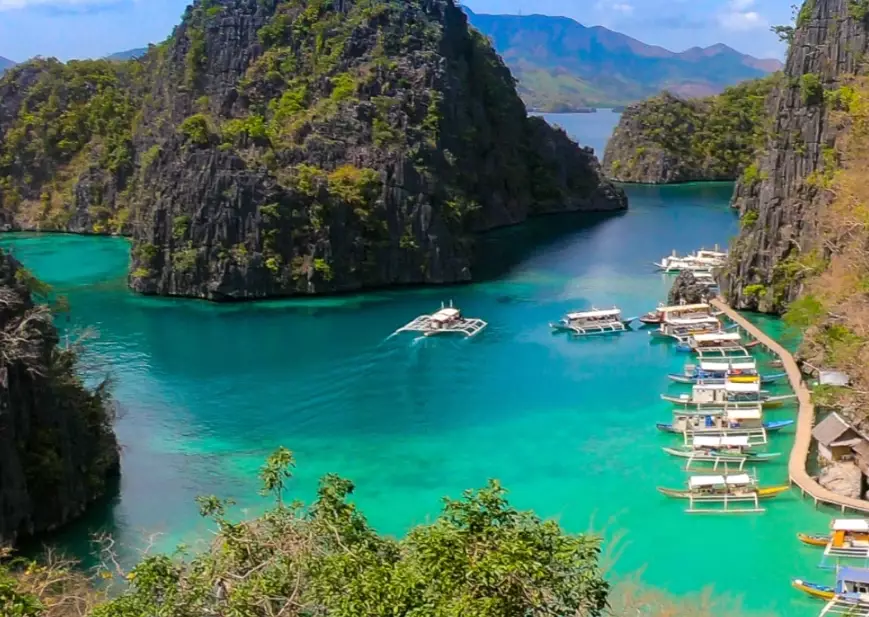
Your Pre-Trip Safety Checklist: Don't Skip This
Okay, you've picked your destinations. Now, let's get you ready. This is the boring but vital stuff that forms your safety net.
- Check and Register with Your Embassy: Most countries offer a free traveler registration service (like the U.S. STEP program). If there's a natural disaster or civil unrest, this is how your embassy knows to contact you. It's a 5-minute online form. Just do it.
- Insurance is Non-Negotiable: I'm not just talking about trip cancellation. You need comprehensive medical and evacuation insurance. Healthcare varies wildly; private hospitals in cities are good but can be expensive. If you get seriously ill on a remote island, you may need medical evacuation to Manila or even out of the country. This costs tens of thousands of dollars without insurance. Read the fine print—ensure it covers adventure activities if you plan to dive, hike, or ride motorbikes.
- Photocopy and Digitalize Your Docs: Passport photo page, visa, insurance policy, driver's license. Keep paper copies separate from originals. Save digital copies in a secure cloud folder (like Google Drive) that you can access offline. Email a copy to a trusted contact back home.
Now, for health. The World Health Organization and your national travel health clinic are the best sources. Generally, you should be up-to-date on routine vaccines (MMR, Diphtheria-tetanus-pertussis, etc.). Often recommended for the Philippines are Hepatitis A & B, Typhoid, and possibly Rabies if you'll be around animals or in very remote areas. Malaria risk is low in most tourist areas, but dengue fever is present everywhere, carried by daytime mosquitoes. There's no vaccine for dengue, so mosquito repellent with DEET, picaridin, or oil of lemon eucalyptus is your best friend. Pack a good basic travel medical kit too.
On the Ground: Navigating Daily Safety
You've landed. The humidity hits you. Now what? Here's where practical safety for tourists in the Philippines comes into play every day.
Money and Scams: Keeping Your Cash Safe
Petty theft is the most common issue tourists face. It's opportunistic. Crowded markets, public transport, tourist spots—these are the hunting grounds. A friend had her phone snatched right out of her hand while texting in a moving jeepney in Manila. Window seat. Gone in a second.
- The "Friendly" Meter Tamper: Taxi drivers (mostly in Manila) claim the meter is broken and quote a crazy price. Solution: Use ride-hailing apps like Grab whenever possible. It's fixed price, cashless, and tracked. If you must take a taxi, insist they use the meter before you get in. If they refuse, get out and find another.
- Overpriced Tour "Deals": Being quoted a price 3x the local rate for island hopping. Solution: Do a bit of research online for standard rates. Book through your reputable accommodation or established tour operators. Don't be afraid to politely walk away and compare.
- Distraction Theft: Someone spills something on you, a child bumps into you, while an accomplice picks your pocket or bag. Solution: Be extra aware in crowded places. Wear a cross-body bag in front of you. Don't keep all your cash/cards in one place.
On cash: ATMs are widely available in cities and towns. Skimming does happen. Use ATMs inside banks or malls during daylight hours. Notify your bank of your travel plans. I usually carry a mix: some Philippine Pesos in a money belt or hidden pouch, a primary debit card for ATM withdrawals, and a credit card for emergencies/hotels. Keep small bills separate for daily expenses.
Getting Around: The Road is the Wild Card
If there's one aspect of Philippines Tourism safety that consistently surprises visitors, it's traffic. Driving standards are... different. Overtaking on blind corners is a national pastime. Motorcycles weave everywhere. Pedestrians do not have the right of way.
My advice?
Think very, very carefully before renting a motorbike. It's incredibly tempting, especially on islands. But unless you are a highly experienced rider familiar with chaotic road conditions, it's a major risk. I've seen too many tourists with nasty road rash. If you do rent, wear a proper helmet (not the plastic bowl kind often provided), don't drink and drive, and drive defensively as if everyone else might do something unpredictable. Because they will.
For longer journeys, domestic flights are cheap, safe, and save a ton of time. Ferries between islands are common but check the weather and the reputation of the company. Avoid traveling by sea during typhoon season (June-Nov) if you get seasick easily. Buses and vans (UV Express) are cheap but can be driven aggressively.
Respecting Local Norms: Invisible Safety
Safety isn't just about avoiding crime; it's about not offending people. Filipinos are generally tolerant, but it helps to know.
- Drugs: This is not a joke. The country has a very strict anti-drug policy. Do not possess, use, or traffic illegal drugs. The penalties are severe.
- Photography: Always ask permission before taking photos of people, especially children, and in sensitive places like military installations.
- Religion & Politics: The Philippines is predominantly Catholic and has complex politics. Be respectful in conversations. Avoid heated debates.
Natural Forces: Weather, Seas, and Earth
The Philippines sits on the Pacific Ring of Fire and in the typhoon belt. This means earthquakes, volcanic eruptions, and severe storms are a part of life. This isn't meant to alarm you—it's about being weather-aware. Check the forecast from PAGASA, the national weather agency, especially during the rainy season.
When island-hopping, your safety is in the hands of your boat crew. Don't be shy to assess the boat. Does it have enough life jackets for everyone? Is the weather turning? Is the boat overloaded? If something feels off, speak up. A reputable operator won't risk a bad review or an accident.
Health & Hygiene: Staying Well
"Traveler's diarrhea" is common. Be cautious with street food—choose stalls with high turnover. The golden rule: Boil it, cook it, peel it, or forget it. Drink bottled or purified water. Ice in established restaurants and hotels is usually safe, but maybe avoid it in very remote street stalls.
Sun and dehydration are real threats. The sun is intense. Wear a hat, use reef-safe sunscreen (to protect the marine environment too!), and drink more water than you think you need. Heat exhaustion can ruin your day quickly.
What to Do in an Emergency
Hope for the best, plan for the worst. Know these numbers:
- National Emergency Hotline: 911 (Yes, it's 911 in the Philippines).
- Philippine National Police (PNP) Hotline: 117 or send a text to 2920.
In a serious situation, contact your embassy or consulate immediately. They can't get you out of legal trouble, but they can provide a list of local lawyers, contact your family, and help in medical emergencies.
For medical issues, head to a private hospital in major cities (e.g., St. Luke's, Makati Medical Center in Manila; Chong Hua in Cebu). They have international standards. In smaller islands, find the local clinic or hospital, but be prepared for basic facilities.
Your Philippines Tourism Safety Questions, Answered
Wrapping It Up: A Realistic Perspective
Look, no destination is 100% safe. Paris has pickpockets, Bali has traffic, and Australia has deadly wildlife. The Philippines has its own set of considerations. But the rewards—the otherworldly landscapes, the incredibly warm and resilient people, the rich culture—are immense.
The core of traveling safely in the Philippines is preparation and perspective. Do your homework, get good insurance, be smart with your belongings, respect the power of nature and the road, and listen to your gut. The vast majority of visitors have trouble-free, amazing journeys. The goal of this guide isn't to make you paranoid, but to equip you. So you can swap those "what if" worries for the genuine excitement of exploring a truly incredible country. Book that flight, pack your bag (and your mosquito spray), and get ready for an adventure. Just keep your wits about you, like you would anywhere else in the world.
Honestly, the biggest danger might just be falling in love with the place and not wanting to leave. I know I did.



Comments
Join the discussion