Let's cut to the chase. Is Morocco friendly? The short answer is yes, but with a massive asterisk. For every breathtaking sunset over the Sahara and every genuinely warm "welcome to Morocco" from a shopkeeper, there's a moment of frustration—a persistent guide, a confusing price tag, a stare that lasts a bit too long. Morocco's friendliness isn't the passive, smiling kind you find in some destinations. It's active, intense, and sometimes overwhelming. Your experience hinges entirely on how you navigate it.
I've spent weeks traveling from Tangier to the Erg Chebbi dunes, staying in Riads and chatting with locals over endless mint tea. The magic is real, but so are the challenges. This guide won't sugarcoat it. We'll look at safety, cultural friction points, and the practical stuff that makes or breaks a trip.
What's in this guide?
The Safety Reality Check: Crime & Annoyances
Violent crime against tourists in Morocco is rare. You're far more likely to have your pocket picked in Barcelona than be assaulted in Fez. The real safety concern is petty theft and scams designed to separate you from your money through confusion or pressure.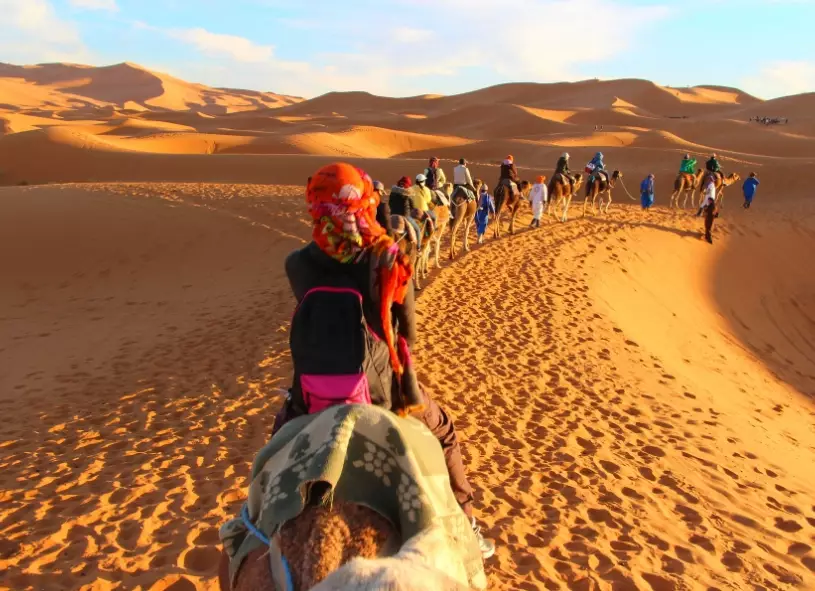
Scams You Will Almost Certainly Encounter
These aren't occasional; they're a daily routine in the medinas. Recognizing them is your first line of defense.
- The "Lost" Guide: Someone notices you looking at a map and insists the place you want is "closed" or "far." They'll offer to show you a "better" place (their cousin's shop) for a "small tip" that balloons.
- The Unrequested Service: A man starts "helping" you lift your luggage at the bus station, then demands payment. Someone puts a monkey or snake on your shoulder for a photo you didn't ask for.
- The Fixed Price That Isn't: You're told a rug or item is a "fixed price" after some negotiation. Later, you see the same item for half elsewhere. Everything is negotiable except maybe water bottles in a supermarket.
My own moment? In the Marrakech souk, a spice vendor gave me a 10-minute demonstration, ground special herbs, and packed a beautiful bag. Only after did he say the price: 400 dirhams (about $40). For a bag of tea blend! I had failed the cardinal rule: agree on the price before any service is rendered. I negotiated down, but it was a lesson learned with my wallet.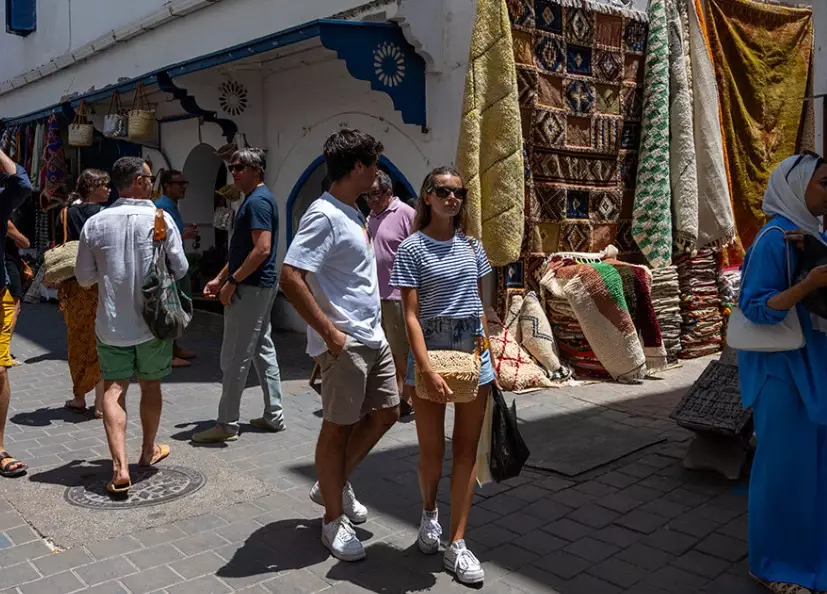
Is Morocco safe for solo female travelers?
This is the most common question, and it's complex. Morocco is generally safe, but "friendly" takes on a different meaning. Solo women receive constant attention—hissing, "bonjour," marriage proposals. It's harassment, not threats of violence, but it's exhausting.
To shift the dynamic:
- Dress is your first language. Covering shoulders and knees isn't just respectful; it's a practical tool to reduce stares. Loose linen pants and tunics are perfect.
- Book Riads with female managers. I stayed at Riad Dar One in Marrakech (approx. $70/night, run by a wonderful French-Moroccan woman) and felt instantly safer. She gave advice on which alleys to avoid at night.
- Use "we" language. When asked, I'd often say "I'm meeting my husband shortly" even if I was solo. A fake wedding ring can be a useful prop.
- Consider a small group tour for day trips. Companies like Intrepid Travel or local operators offer day tours to the Atlas Mountains or Essaouira. It takes the stress out of arranging transport and provides a buffer.
The Cultural Nuances That Define "Friendliness"
Moroccan hospitality is legendary, but it operates on a different wavelength. What feels aggressive to a Westerner is often just normal commerce. What feels like a simple question can lead to a 30-minute tea ceremony.
Haggling is not fighting. It's a social dance. Start at 50-60% of the initial asking price, smile, be prepared to walk away. The vendor expects it. Getting a "good price" isn't about winning; it's about reaching a mutually agreeable point after some back-and-forth.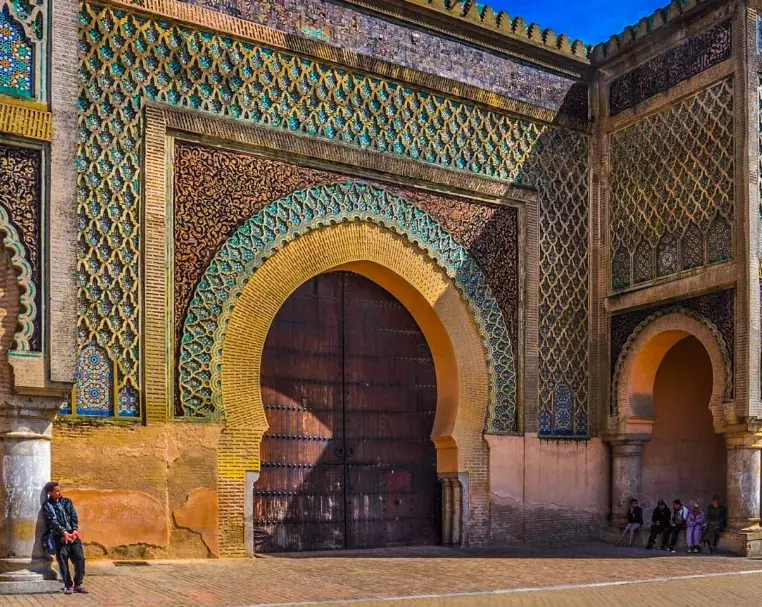
"Yes" might not mean yes. To avoid direct confrontation or disappointment, a Moroccan might say "inshallah" (God willing) or "maybe tomorrow" instead of a flat "no" to a request. Don't take it as a firm commitment.
The tea invitation is real. If a shopkeeper or a local you're chatting with invites you for tea, it's a genuine sign of welcome. You're not obligated to buy anything afterward. Accepting is a beautiful way to connect.
Here’s a quick reference for key cultural etiquette:
| Situation | Do This | Avoid This |
|---|---|---|
| Entering a home or Riad | Remove your shoes. | Keeping shoes on. |
| Eating & Drinking | Use your right hand for eating (if using hands). Accept tea or food when offered. | Using your left hand to pass food or eat from a shared plate. |
| Photography | Always ask permission before photographing people, especially women. | Snapping photos of locals without asking (it's deeply rude). |
| Religious Sites | Dress very modestly. Non-Muslims usually cannot enter prayer halls. | Loud talking or inappropriate clothing near mosques. |
Your Practical Survival Guide: Transport, Money, Food
Getting Around Without the Headache
Trains (ONCF) are excellent for city links like Casablanca-Rabat-Fez-Marrakech. Book first-class for guaranteed seating and more space. The website is decent, or buy at the station.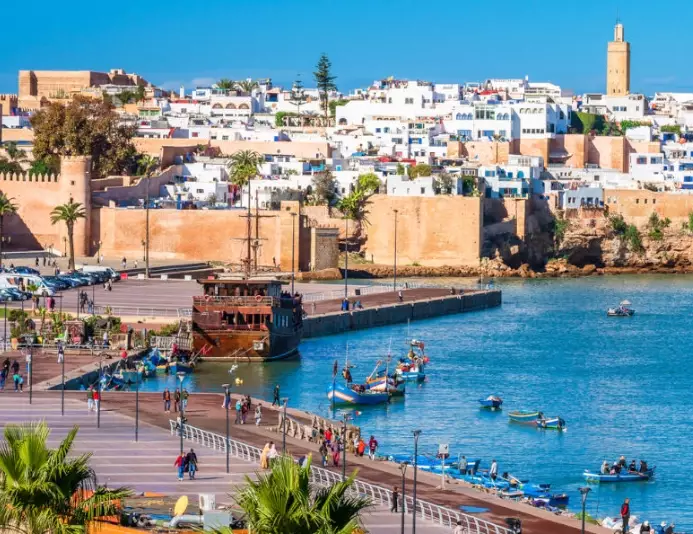
Grand Taxis (shared, old Mercedes) are for inter-city trips. You pay per seat. Petit Taxis are for within cities. They have meters, but drivers often "forget" to turn them on. Always agree on a price before getting in. A cross-city trip in Marrakech should be 20-30 dirhams max.
Buses (CTM or Supratours) are reliable for longer routes and cheaper than trains. Book a day ahead for popular routes.
Money: Cash is King
ATMs are widespread, but always have a stash of smaller bills (20s, 50s dirham notes). Many market stalls, taxis, and small cafes don't take cards. Notify your bank you're traveling.
Food & Water: Staying Healthy
Eat where the locals eat. A busy stall is a good sign. Tagines and couscous are must-tries. Be cautious with raw salads and unpeeled fruit from street vendors if you have a sensitive stomach. Drink bottled water.
For a fantastic and safe meal in Marrakech, try Le Jardin—a beautiful restaurant in the medina with a fixed-price menu (around 180 dirhams) offering salads, a tagine, and dessert. It's clean, delicious, and a welcome oasis.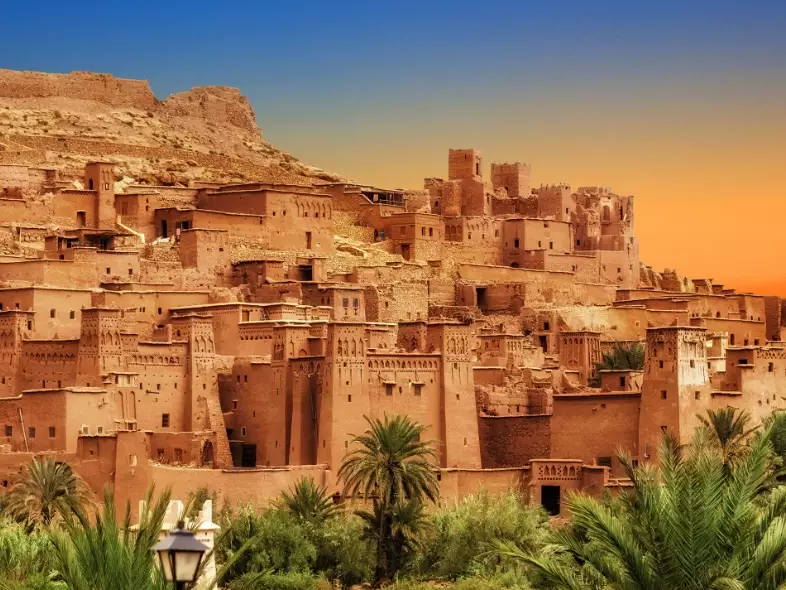
Building a Friendly Itinerary: Where to Go & For How Long
Your choice of destination dramatically affects your perception of Moroccan friendliness.
- Marrakech: The most intense. The sensory overload of Jemaa el-Fnaa square is amazing, but the medina hustle is relentless. Stay in a Riad inside the medina for authenticity, but be ready for the chaos.
- Fez: The medina is more authentic and less commercial than Marrakech's, but also more confusing. Guides are highly recommended here—book an official, licensed guide through your Riad.
- Essaouira: The coastal breath of fresh air. Windswept, laid-back, with less aggressive selling. Perfect for relaxing after Marrakech.
- Chefchaouen: The Blue Pearl. Stunningly beautiful and relatively calm. A great introduction to Morocco for those nervous about big cities.
- The Sahara (Merzouga): The people here are incredibly genuine. The hassle disappears, replaced by vast, silent landscapes. A 2-night desert tour is a highlight.
A Sample 10-Day "Friendly-Paced" Itinerary:
- Days 1-3: Marrakech (adjust to the pace, day trip to the Atlas Mountains).
- Days 4-5: Travel to & explore Essaouira (bus ride).
- Days 6-7: Travel to & explore Fez (train via Casablanca).
- Days 8-9: Sahara desert tour from Fez (private or small group).
- Day 10: Return to Marrakech/Fez for departure.
The Final Verdict: Who Will Love (and Hate) Morocco
So, is Morocco friendly to tourists? It's hospitable to a fault, culturally rich, and visually stunning, but it demands a thick skin and proactive travel skills.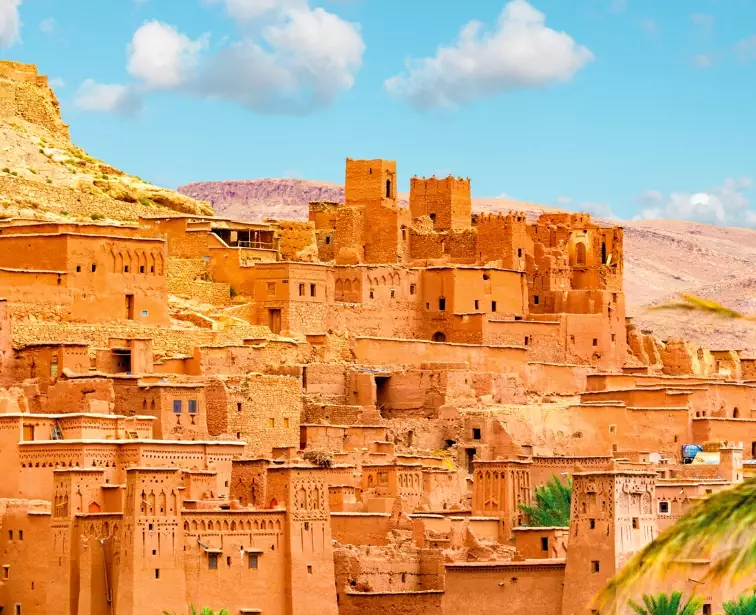
You will LOVE Morocco if: you see travel as an engaging challenge, enjoy cultural immersion over relaxation, are comfortable with ambiguity, and have a firm but polite demeanor. The rewards—sipping tea with a Berber family, finding a hidden courtyard, watching the sun set over the dunes—are unparalleled.
You might STRUGGLE in Morocco if: you seek a purely relaxing, hassle-free beach holiday, are easily stressed by negotiation and persistent sales tactics, or prefer order and predictability above all else.
For most, the answer lies in preparation. Learn a few Arabic phrases. Understand the scams before you land. Pack modest clothing. Book your first few nights in a highly-rated Riad. Morocco doesn't reveal its friendliness to the passive observer; you earn it by engaging with its rhythms, on its terms. Do that, and you'll discover one of the most vibrant and rewarding countries on earth.

Comments
Join the discussion