Ask someone to name an Australian main dish, and you might get a puzzled look. We don't have a single, unified national cuisine like Italy or Thailand. What we have is something more interesting: a culinary identity built on immigrant traditions, incredible local produce, and a seriously relaxed attitude to eating. Australian main dishes are less about rigid recipes and more about a style—fresh, bold, often casual, and always focused on quality ingredients.
Forget the clichés of throwing shrimp on the barbie (we call them prawns, by the way). Let's talk about what people actually eat for dinner, at the pub, or on a weekend lunch table.
What's in This Guide?
The Absolute Classics You Have to Try
These are the dishes woven into the fabric of everyday life. They're not always fancy, but they're deeply loved.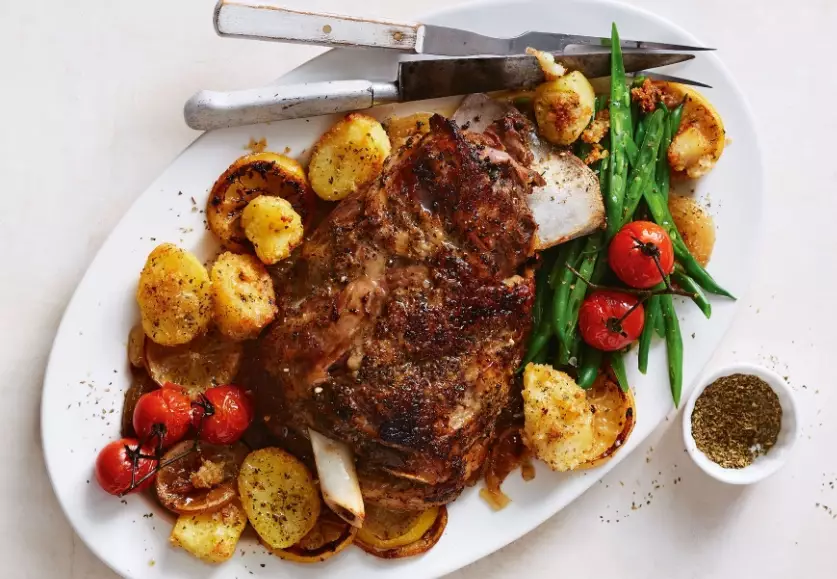
The Meat Pie: Australia's Handheld Hero
This is non-negotiable. A proper Aussie meat pie is a single-serving shortcrust pastry shell filled with minced beef in a rich, savory gravy. The perfect one has a flaky, buttery base and lid, and the filling should be well-seasoned and not too runny. You'll find them at bakeries, petrol stations (servos), and football stadiums.
The Sunday Roast & The Pub Counter Meal
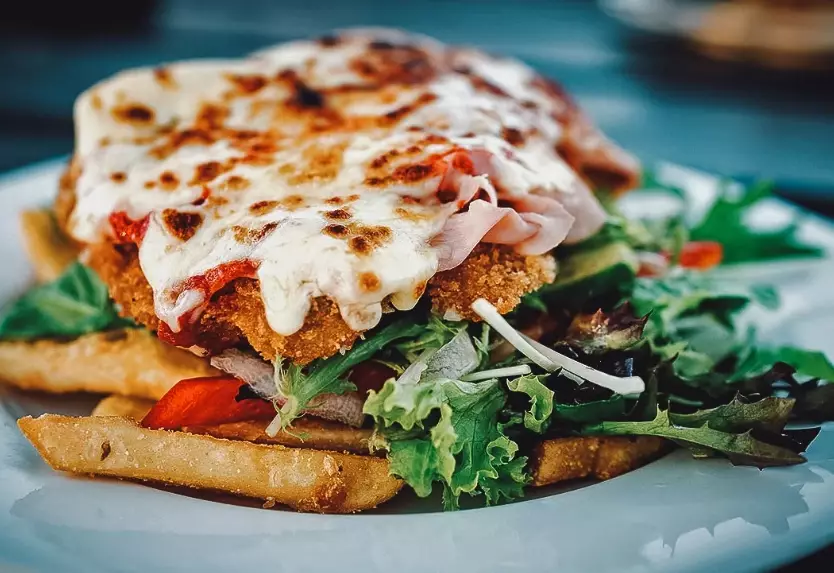
The tradition of a big Sunday roast—beef, lamb, or chicken with roast veggies and gravy—is alive and well, especially in pubs. But the true pub staple is the "Parma" (or Parmi, depending on which state you're in). That's a chicken parmigiana: a crumbed chicken schnitzel topped with Napoli sauce, melted ham, and cheese, served with chips and salad. It's massive, it's comforting, and every pub does its own version.
Other pub counter classics include the Surf 'n' Turf (steak and prawns) and the Mixed Grill (sausage, steak, lamb chop, bacon, egg, and sometimes a kidney). These are hearty, no-fuss plates of food.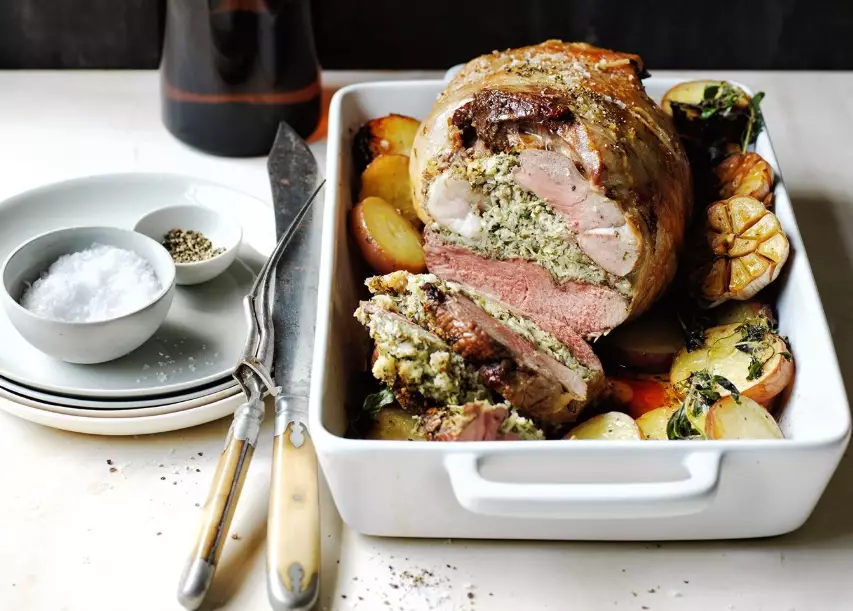
The Barbecue (The "Barbie")
This isn't just a cooking method; it's a social event. The classic Aussie BBQ main focuses on simple, quality proteins cooked over an open flame. Think:
- Snags (Sausages): Beef or lamb sausages from the local butcher, not the cheap, bready ones. Served in a slice of white bread with fried onions and sauce.
- Prawns (Shrimp): Often grilled in their shells with just a bit of salt. You peel and eat them with your fingers.
- Steaks & Lamb Chops: Usually just seasoned with salt and pepper to let the meat shine.
A Local's Tip: In most city parks and beaches, you'll find free public electric barbecues. Grab some snags from a nearby butcher, a bag of bread rolls, and a bottle of tomato sauce. You've got yourself an authentic, budget-friendly Aussie lunch.
Modern Australian Mains: Where We Are Now
This is where it gets exciting. "Modern Australian" (Mod Oz) isn't a strict cuisine; it's a philosophy. It takes influences from our huge Greek, Italian, Lebanese, Vietnamese, and Thai communities and applies them to pristine local produce. The results are vibrant, vegetable-forward, and globally inspired.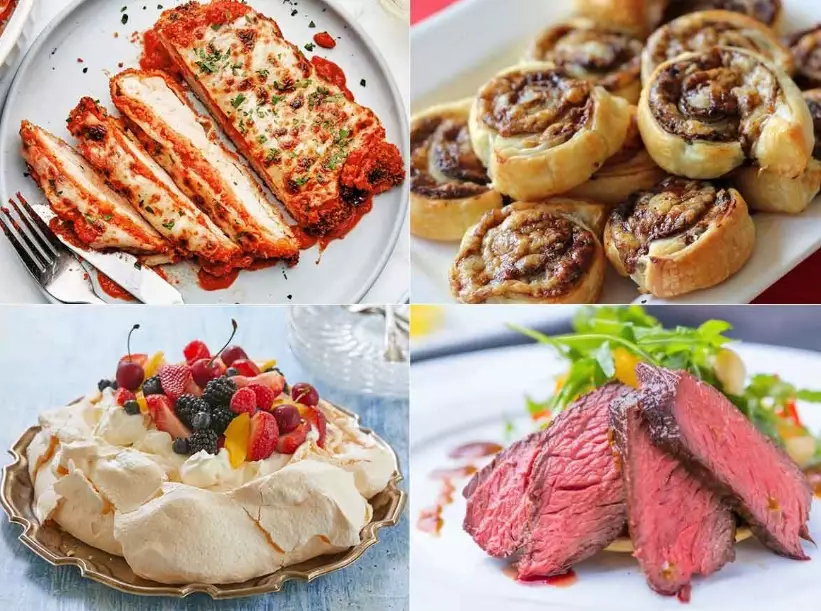
Walk into a good cafe for lunch and you might see mains like:
- Barramundi with crispy skin on a bed of lemon myrtle-infused risotto and steamed greens. Barramundi is our iconic white fish—firm, flaky, and mild.
- A slow-braised lamb shoulder with roast heirloom carrots, pomegranate seeds, and a mint yogurt, reflecting Middle Eastern influences.
- A towering grain bowl with quinoa, roasted sweet potato, avocado, kale, halloumi, and a tahini dressing.
One of the most common modern main dishes you'll encounter is the "shared plate" approach. Instead of ordering one main per person, groups order 3-4 larger plates to share. This could be a mix of wood-fired pizzas (with toppings like kangaroo bolognese or prawn and chili), grilled octopus, and a seasonal vegetable dish.
A Note on Indigenous Australian Food
For tens of thousands of years before European settlement, Aboriginal and Torres Strait Islander peoples cultivated a deep understanding of native ingredients. This "bush tucker" is now being celebrated in high-end modern Australian restaurants, though it's still not a mainstream everyday meal for most.
As a visitor, you might encounter native ingredients within a dish:
- Kangaroo: A lean, gamey red meat. It's sustainable and available, but can be tough if overcooked. Best tried in a restaurant where it's prepared well—often as a seared fillet or in a ragù.
- Lemon Myrtle, Wattleseed, Pepperberry: Native herbs and spices used to flavor meats, sauces, and even desserts.
- Finger Limes: Tiny citrus caviar that bursts with tangy flavor, used as a garnish on seafood.
For a truly immersive experience, look for Indigenous-owned and operated food tours, like those offered around Uluru or in the Daintree Rainforest, where you can learn about and taste these ingredients in context.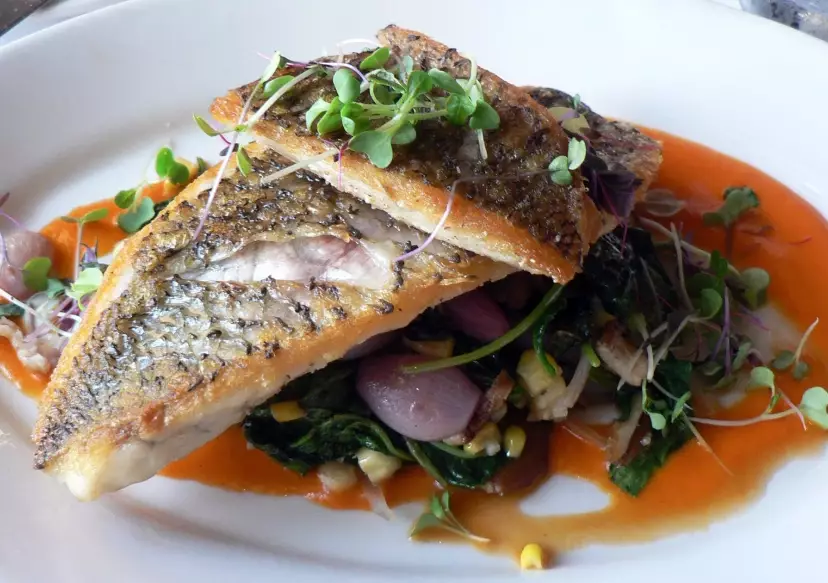
Where and How to Eat These Dishes
Finding these mains depends on the vibe you want.
The Local Pub: Your go-to for the classics. The Parma, the steak, the pie. It's casual, often noisy, and the portions are huge. Don't expect gourmet presentation, but do expect hearty satisfaction. A main will cost $25-$35 AUD.
The Modern Bistro/Cafe: This is where you'll find the best of Mod Oz. Think places like Chin Chin in Melbourne (no bookings, insane lines, incredible Thai-Australian fusion) or Icebergs Dining Room in Sydney (stunning views, impeccable seafood). Mains here range from $35 to $50+ AUD.
The Fish & Chip Shop: For a classic, no-fuss main, get "fish and chips" to take away. Barramundi or flathead are great choices. Eat them by the beach, sprinkled with chicken salt (a uniquely Aussie seasoning). About $15-$20 AUD.
The RSL or Bowls Club: A uniquely Australian institution. These community clubs offer incredibly cheap, hearty meals (think $15 for a steak) in a no-frills setting. They're a slice of local life.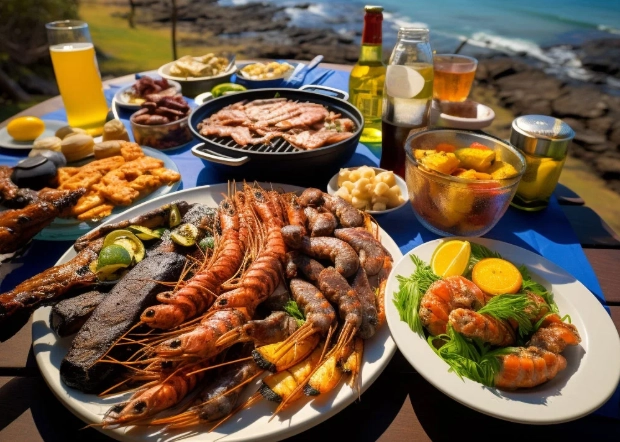



Comments
Join the discussion