Quick Navigation
- Why Should You Even Care About These Numbers?
- The Core Melbourne Tourism Statistics: What the Official Numbers Say
- Digging Deeper: What the Statistics Reveal About Visitor Behavior
- The COVID-19 Impact and the Recovery Trajectory in the Data
- What's Next? Trends Shaping Future Melbourne Tourism Statistics
- Your Questions Answered: Melbourne Tourism Stats FAQ
- Where to Find the Raw Data Yourself
Alright, let's talk about Melbourne and its visitors. You see numbers thrown around all the time – "record-breaking year," "millions of tourists," "billions in spending." But what's the real story behind the Melbourne tourism statistics? I've spent a good chunk of time sifting through reports from Tourism Australia and the Victorian government, and honestly, some of the details are more interesting than the big, flashy totals.
It's not just about counting heads. These figures tell us who's coming, why they're choosing Melbourne over Sydney or Brisbane, how long they stick around, what they actually spend their money on (coffee and laneway tours, I'm looking at you), and the real economic footprint they leave behind. For anyone planning a trip, thinking about starting a business here, or just curious about how the city ticks, these stats are gold.
I remember looking at these numbers before my own last trip. I wanted to avoid the biggest crowds but still catch the good weather. The data on seasonal visitation was a lifesaver.
Why Should You Even Care About These Numbers?
Good question. If you're just visiting for a week, maybe you don't need a deep dive. But understanding the basics can seriously improve your trip.
For travelers, it clues you into the best and worst times to visit. You can see when hotel prices might spike, when attractions will be packed, and when you might get a bit more space to enjoy the Royal Botanic Gardens or the National Gallery of Victoria. The data on origin markets, for instance, might reveal a surge in visitors from a particular country, which sometimes correlates with new flight routes or cultural events you could experience.
For locals or businesses, it's about opportunity. Which precincts are growing in popularity? What types of experiences are visitors seeking out more each year? The Melbourne tourism statistics released by the state government break down spending by category – accommodation, food, retail, entertainment. That's a roadmap for anyone in the hospitality or service industry.
And look, not everything in the data is rosy. It clearly shows the massive hit the industry took during the pandemic years. The recovery trajectory since then has been uneven, with some visitor segments bouncing back faster than others. It's a reminder of how fragile the tourism ecosystem can be.
The Core Melbourne Tourism Statistics: What the Official Numbers Say
Let's get into the nitty-gritty. The main source for authoritative Melbourne tourism statistics is Tourism Australia's research hub and the specific data sets from Visit Victoria. They track everything from international arrival cards to domestic travel surveys.
The most recent full-year data paints a picture of a city firmly back on the global and domestic map. We're talking about total visitor numbers that are not just recovering, but in some areas, pushing past pre-pandemic levels. Domestic travel, especially from other parts of Australia, has been an absolute powerhouse in the recovery.
To make sense of it all, here's a snapshot comparing key metrics from a recent pre-pandemic year to the latest full year of recovery data. This table shows the story of collapse and rebound better than any paragraph could.
| Metric | Pre-Pandemic Benchmark Year | Latest Full Year Data | Change & Status |
|---|---|---|---|
| International Visitor Numbers | Over 3.1 million | Approaching 2.8 million | Still in recovery, but climbing steadily. Key Asian markets are slower to return. |
| Domestic Overnight Visitor Numbers | Around 9.5 million | Surpassing 10 million | Exceeded pre-pandemic levels. Victorians exploring their own state played a huge role. |
| Total Visitor Expenditure | Billions in the high teens ($AUD) | Back into the mid-teens ($AUD) | Strong recovery, though spending patterns have shifted (more on dining, less on big-ticket souvenirs?). |
| Average Nights Stayed (International) | Roughly 5-6 nights | Closer to 4-5 nights | Slightly shorter average trips, but more visitors overall. |
Note: Compiled from Tourism Australia's National Visitor Survey and International Visitor Survey data. Exact figures vary by reporting period.
See what I mean? The domestic market isn't just back; it's stronger. But the international spend per visitor is crucial, and that's a more complex picture.
Where Are All These Visitors Coming From?
The origin mix is fascinating and has changed. Traditionally, China, New Zealand, the UK, and the USA have been the top international sources. Post-reopening, the ranking has seen some shuffling.
- New Zealand often takes the top spot for sheer arrival numbers due to proximity and travel agreements.
- The UK and USA have shown robust recovery, with travelers seeking long-haul destinations.
- China, previously the leader in both numbers and expenditure, has been on a slower return path due to various economic and travel factor complexities. This single shift has a massive impact on luxury retail and certain tour operators.
- India and Southeast Asia (especially Singapore and Malaysia) are growth markets to watch. The data shows increasing visitor numbers from these regions.
Domestically, it's no surprise that Sydney is the biggest source of interstate visitors. But what I find interesting is the growth from Queensland and South Australia. It seems more Australians are doing those city-to-city breaks.
Digging Deeper: What the Statistics Reveal About Visitor Behavior
This is where it gets good. The raw Melbourne tourism statistics on visitor numbers are one thing, but the behavior data is what's really useful.
Spending Patterns: Not All Dollars Are Spent Alike
International visitors traditionally spend more in total, but domestic visitors are more frequent. The breakdown is telling:
Shopping remains huge, but it's shifted. It's less about generic souvenirs and more about local fashion, design, and beauty products. Accommodation spend is significant, but the rise of Airbnb and serviced apartments has changed that market's dynamics, which is reflected in the aggregate accommodation spend figures.
The Seasonality Puzzle
Melbourne's weather is… variable. But the tourism statistics show that visitors are braving the colder months more than ever. Major events are the driver here.
The peak is still the Australian summer (Dec-Feb).
But the traditional winter trough is now filled with a solid plateau of visitation thanks to:
- The Australian Open (January) – technically summer, but it kicks off the year.
- Melbourne Food and Wine Festival (March).
- Various football finals (AFL, September).
- Spring Racing Carnival (November).
- And even winter events like light shows and museum exhibitions.
The data clearly shows spikes around these events. If you hate crowds, you'll want to cross-reference the event calendar with these historical spikes in Melbourne visitor numbers.
Top Activities and Attractions According to the Data
Surveys ask visitors what they actually did. The answers reinforce Melbourne's brand, but with some nuances.
Top of the list, almost universally: Dining in restaurants/cafés. It's not an attraction in the traditional sense, but it's the number one activity.
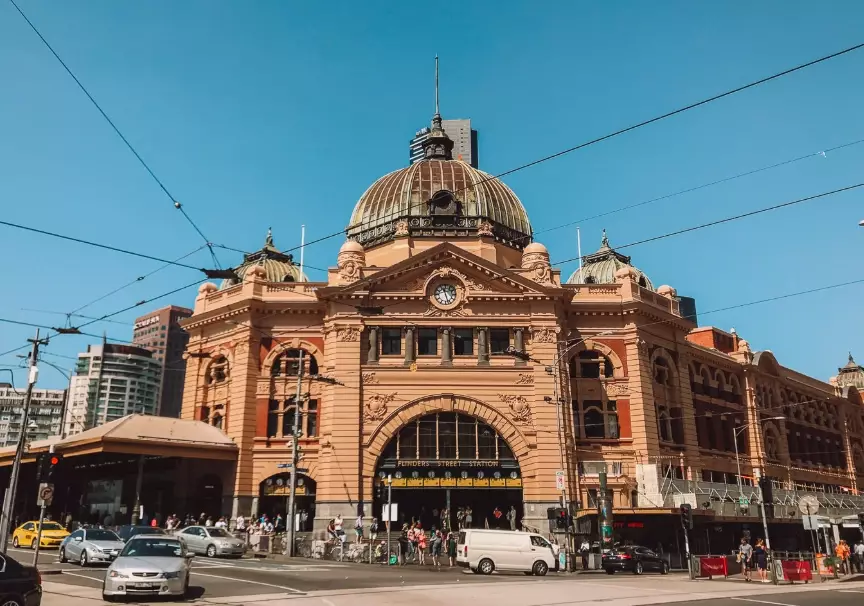
The usual suspects follow: Visiting Federation Square, walking along the Southbank Promenade, shopping in the Bourke Street Mall and Collins Street precincts, exploring the laneways and street art.
Cultural attractions like the Melbourne Museum, ACMI, and the arts precinct pull huge numbers. The data from individual institutions, often reported in their annual reviews, supplements the broader tourism statistics.
Day trips are a massive part of the equation. The Great Ocean Road, Phillip Island (for the penguins), and the Yarra Valley wineries feature heavily in the itineraries of both domestic and international visitors. This spreads the economic benefit far beyond the city postcode.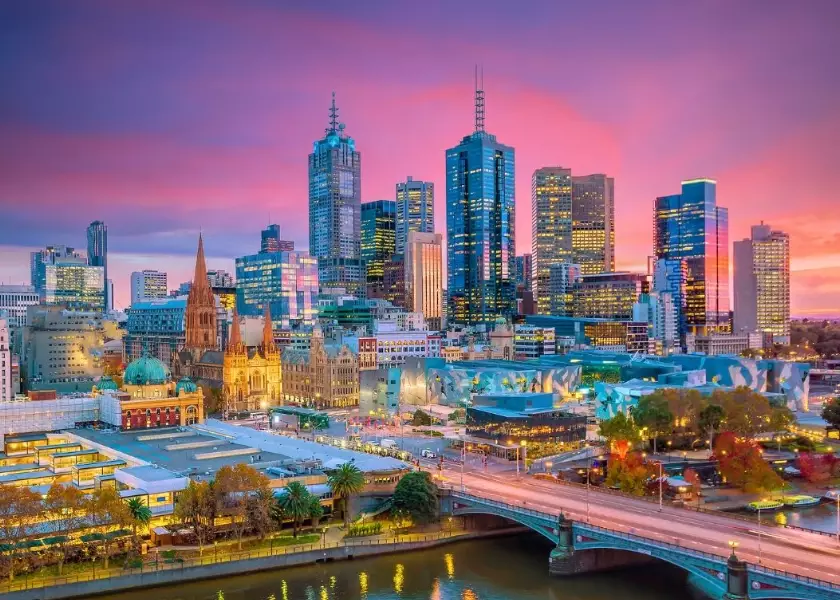
Is Melbourne really "Australia's cultural capital" or just a marketing slogan?
The statistics lend weight to the claim. When you measure by participation – visits to galleries, museums, theatres, live music venues, and festivals per capita – Melbourne's numbers are consistently at the top nationally. It's not just about having the institutions; it's about locals and visitors using them at a very high rate, which creates a vibrant atmosphere that itself becomes a tourist draw. The data on event-related travel is particularly strong for Melbourne.
The COVID-19 Impact and the Recovery Trajectory in the Data
You can't discuss recent Melbourne tourism statistics without acknowledging the elephant in the room. The graphs for 2020 and 2021 are brutal – near-vertical drops to fractions of normal levels.
The recovery since borders reopened hasn't been a simple V-shape. It's been a staggered climb.
Domestic led the charge.
With international borders closed, Australians traveled domestically. Melbourne benefited from this, though competition with Queensland and Tasmania was fierce. The stats show a faster rebound in domestic numbers than many predicted.
International has been slower and patchier.
The return of international students (who are also tourists, especially when friends and family visit) was a critical first step. Then came the leisure travelers. Aviation capacity issues, cost of living pressures overseas, and China's delayed reopening created a multi-speed recovery across different markets. The latest data shows it's steadily improving, quarter by quarter.
One lasting change seems to be a greater appreciation for regional destinations within Victoria. While Melbourne recovers, data suggests some visitors are combining a city stay with a longer regional leg, or choosing one over the other. It's a more competitive landscape.
What's Next? Trends Shaping Future Melbourne Tourism Statistics
Data isn't just about the past; it hints at the future. Here’s what the trends within the current Melbourne tourism statistics suggest might be coming down the pipeline.
- Sustainable and Responsible Tourism: Survey data is increasingly showing that travelers, particularly from Europe and younger demographics, factor sustainability into their choices. They're looking for eco-certified accommodations, public transport options, and experiences with a low environmental footprint. Melbourne's tram network and parklands are a selling point here.
- Experience over Things: The slow growth in traditional retail spend versus stronger growth in dining and "experiential" activities (workshops, guided tours, immersive art) is a clear trend. Visitors want a story to tell, not just a bag to carry home.
- Bleisure (Business + Leisure): As major conferences and business events return to the Melbourne Convention and Exhibition Centre, the data shows these attendees are much more likely to add extra days for leisure. This boosts mid-week hotel occupancy and attraction visits.
- The Rise of the "Digital Nomad" and Long-Stay Visitor: While not fully captured in short-term tourism stats, visa data and accommodation platform trends point to more people living in Melbourne for 1-3 months, working remotely. They contribute to the local economy like a tourist but have different spending patterns.
Your Questions Answered: Melbourne Tourism Stats FAQ
Where to Find the Raw Data Yourself
If you're a data nerd like me and want to play with the numbers, here are your go-to sources. These are the ones I trust because they're primary sources, not just re-reporting.
- Tourism Australia Insights & Research: The motherlode. Their International Visitor Survey (IVS) and National Visitor Survey (NVS) are the industry bibles. You can filter for Victoria and Melbourne.
- Visit Victoria Research Page: More focused on the state. They produce detailed reports on specific markets, consumer profiles, and regional breakdowns that are invaluable.
- Australian Bureau of Statistics (ABS): For broader data on overseas arrivals and departures, and economic census data that includes tourism-related industries. It's more macroeconomic but provides solid context.
- City of Melbourne Reports: The council often publishes its own research on city activation, pedestrian counts, and economic performance which complements the tourism-specific data.
Spending an hour on these sites will give you a deeper, more nuanced understanding than any third-party blog post (yes, including this one!).
So, next time you see a headline about "record tourism," you'll know there's a whole world of detail behind it. You'll know to ask: Which visitors? Spending on what? And compared to when? That's how you truly understand a city's pulse.


Comments
Join the discussion