Explore This Guide
- The Core of the Singapore Experience: What You Actually Come For
- Beyond the Brochure: Experiences That Define Modern Singapore Tourism
- The Practical Side: Navigating the Singapore Tourism Machine
- Answering Your Burning Questions (The FAQ Section)
- The Future & Sustainability: Where is Singapore Tourism Headed?
- Final Thoughts From the Ground
Let's be honest, for years Singapore felt like that super-efficient, slightly sterile cousin you visited on a layover. You'd dash to the Merlion, snap a photo, maybe grab a Singapore Sling at Raffles, and fly out. That was the old story. But the Singapore tourism industry has been busy, really busy, rewriting that script entirely.
I've lived here on and off for a decade, and the transformation is staggering. It's no longer just a gateway; it's a destination that demands your time. The government's push, through the Singapore Tourism Board (STB), isn't just about more tourists—it's about deeper experiences. They're weaving sustainability, cutting-edge tech, and authentic cultural threads into the fabric of what they offer. So, what's the real deal behind the glossy brochures?
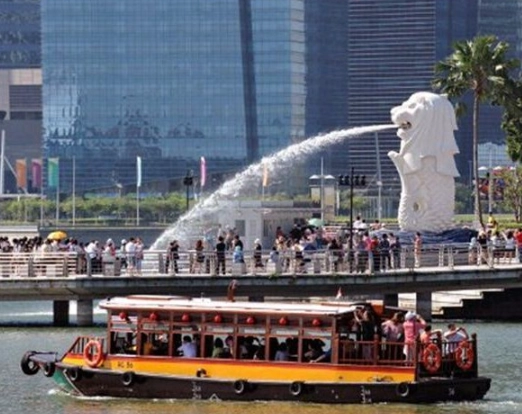
The Core of the Singapore Experience: What You Actually Come For
Everyone's list looks similar at first glance. But dig a little, and you find the nuances that make or break your visit. The Singapore tourism industry excels at creating iconic landmarks, but the magic often happens in the spaces between them.
Iconic Landmarks & Man-Made Marvels
You can't avoid these, and you shouldn't. They're iconic for a reason.
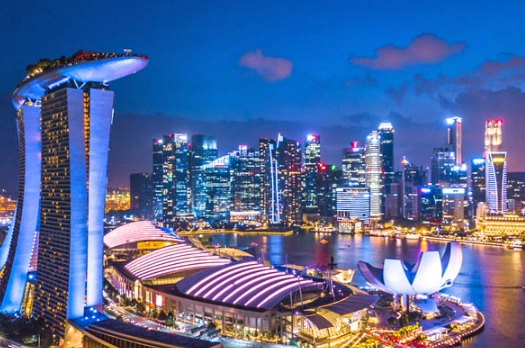
Marina Bay Sands is the postcard shot. The infinity pool is legendary (and sadly, exclusive to hotel guests—a common gripe). But the view from the public observation deck, Sands SkyPark, is just as breathtaking, especially at sunset when the city lights begin to twinkle. The complex underneath is a universe of high-end shops and celebrity chef restaurants. It feels a bit like a luxury spaceship landed downtown.
Gardens by the Bay is where you see the ambition of Singapore's tourism vision. The Supertree Grove is mind-bending, especially during the Garden Rhapsody light show. It's free, it's crowded, and it's utterly worth it. The paid cooled conservatories (Flower Dome and Cloud Forest) are engineering marvels. I find the Cloud Forest, with its indoor waterfall and misty mountain, more impressive. Pro tip: Buy a combined ticket online to skip some queues.
Sentosa Island is the dedicated fun zone. Universal Studios Singapore is a solid day out for families or movie buffs. The beaches (Siloso, Palawan) are nice, man-made, and clean—perfect for a resort-style afternoon, though don't expect untouched tropical paradise. It's a carefully curated escape, which is very Singapore.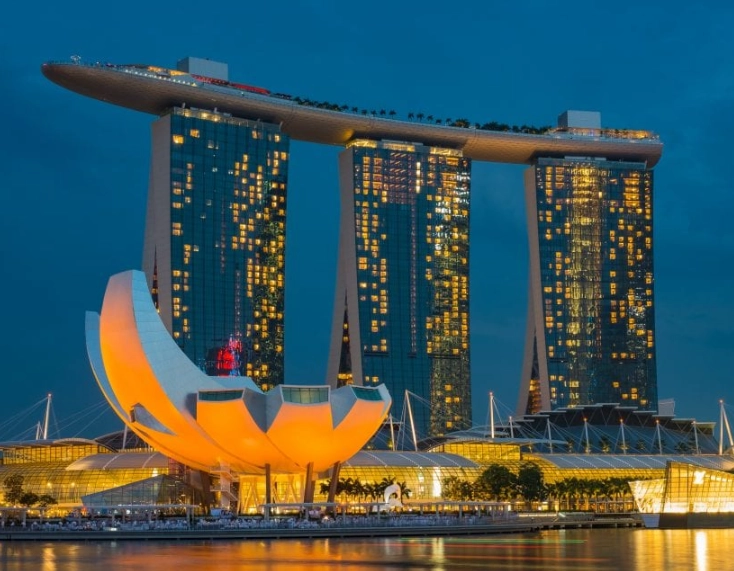
The Cultural & Historical Heartbeat
This is where Singapore sheds its shiny exterior and shows its soul. The tourism industry here has done a remarkable job preserving these enclaves.
Chinatown isn't just for tourists. Yes, there are souvenir shops, but venture down the side alleys. You'll find traditional medicine halls, calligraphy stores, and some of the best food in the city. The Buddha Tooth Relic Temple is stunningly ornate and serene. The hawker centre at Maxwell Road is a pilgrimage site for chicken rice.
Kampong Glam (Arab Street) is my personal favorite for a vibe shift. Haji Lane is all indie boutiques and quirky cafes crammed into narrow lanes—it gets packed on weekends. The Sultan Mosque is magnificent. Spend time in the textile shops on Arab Street; the fabrics are incredible.
Little India is a sensory explosion. The smell of spices and jasmine, the vibrant colors of saris, the bustle. Mustafa Centre is a 24-hour shopping labyrinth where you can buy anything from gold to groceries. It's chaotic, overwhelming, and absolutely authentic. Visit during Deepavali for an unforgettable experience.
Beyond the Brochure: Experiences That Define Modern Singapore Tourism
This is the stuff that fills your camera roll and your memory bank. The Singapore tourism industry has gotten clever about creating moments, not just checklists.
Green Spaces & Urban Nature: The "City in a Garden" slogan is real. Beyond Gardens by the Bay, you have the Singapore Botanic Gardens (a UNESCO site), MacRitchie Reservoir for treetop walks, and even patches of rainforest on Sentosa. The Park Connector Network links parks across the island—great for cycling. It's a masterclass in urban planning.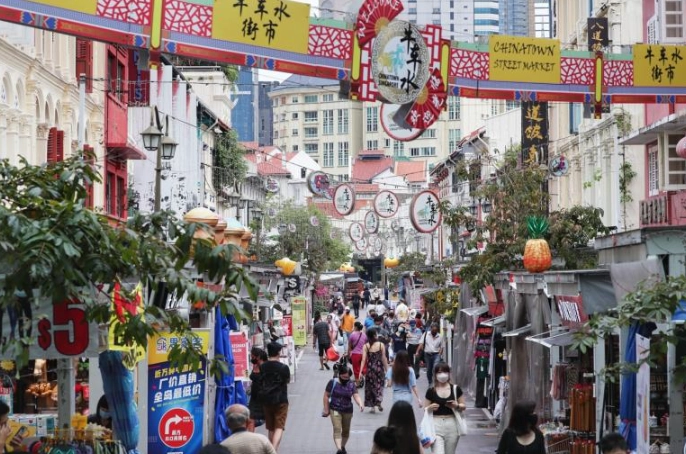
Neighborhood Explorations: Tiong Bahru is the hipster haven with art deco flats, cool bookstores, and brunch spots. Joo Chiat/Katong has beautiful Peranakan shophouses and fantastic kueh (cakes). These areas feel lived-in and offer a slower pace.
- Eat at a hawker centre (try at least three different dishes).
- Take a bumboat ride on the Singapore River at dusk.
- Visit a rooftop bar (not just Marina Bay Sands—try Lavo or Ce La Vi).
- Get lost in a neighborhood wet market in the morning.
- See the light show at Gardens by the Bay and the Spectra show at Marina Bay.
The Practical Side: Navigating the Singapore Tourism Machine
Singapore works. Sometimes almost too well. Here's how to work with it.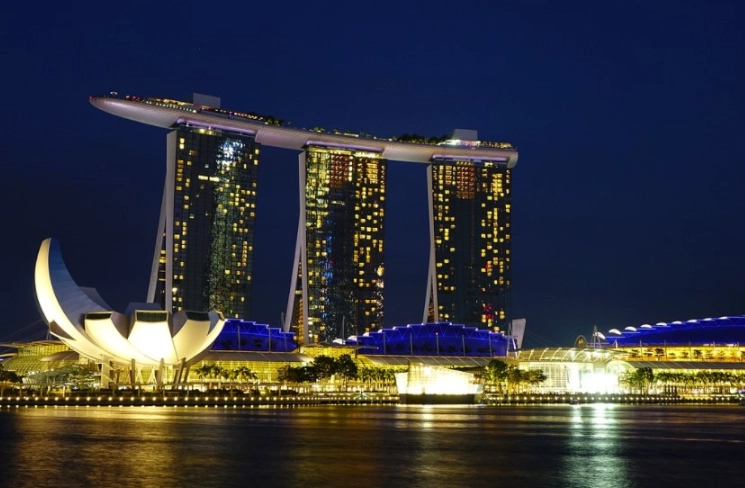
Budgeting Realistically
Singapore is expensive. There, I said it. But it doesn't have to break the bank if you're smart. The tourism industry caters to all budgets, but luxury is the default setting in many areas.
| Expense Category | Budget-Friendly | Mid-Range | Luxury |
|---|---|---|---|
| Accommodation | Hostels in Little India/Kampong Glam; Pod hotels | 3-4 star hotels in Clarke Quay or Bugis area | Marina Bay Sands, Capella Sentosa, Fullerton Hotel |
| Food (per day) | $20-$30 (Hawker centres & food courts) | $50-$80 (Mix of hawker & casual restaurants) | $150+ (Fine dining, hotel restaurants) |
| Attractions | Free: Gardens (outside domes), temples, neighborhood walks, light shows | $50-$100 (1-2 major paid attractions like Gardens domes or USS) | VIP tours, after-hours access, private guides |
| Transport | Public MRT/Bus (EZ-Link card) | Mix of MRT & occasional taxi/Grab | Private car hire, taxis everywhere |
The biggest saver? Hawker centres and food courts. A fantastic meal can cost less than $10. Drinks are where they get you—alcohol is heavily taxed. A beer in a bar can easily be $15-$20.
Getting Around Effortlessly
The MRT (subway) system is clean, safe, efficient, and signs are in English. Get an EZ-Link or NETS FlashPay card from any station. Tap in and out. Google Maps or the Citymapper app works perfectly for routes.
Taxis and ride-hailing apps (Grab, Gojek) are plentiful but can be pricey during peak hours or when it rains (surge pricing is real). Walking between attractions in areas like the Civic District, Marina Bay, and the Quays is very doable and pleasant.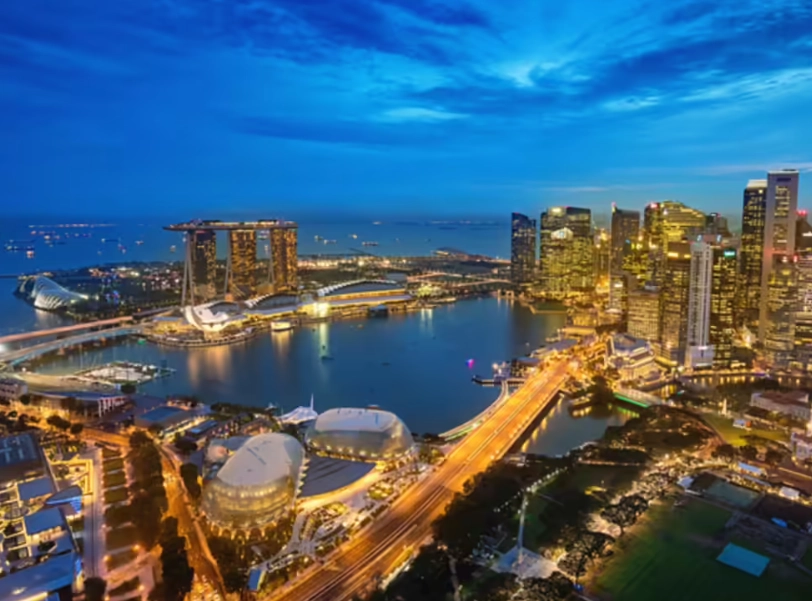
When to Visit & What to Pack
It's hot and humid year-round. Period. Average is around 31°C (88°F) with 80%+ humidity. There are two monsoon seasons: Northeast (Dec-Mar) brings more consistent rain, Southwest (Jun-Sep) has short, sharp showers.
Best time? February to April—slightly less rain. Worst? Haze season can occur between July and October due to forest fires in the region; check air quality indexes if you're sensitive.
Pack: Light, breathable clothing. A light sweater or scarf is NON-NEGOTIABLE. The air-conditioning indoors (malls, MRT, museums) is arctic. Comfortable walking shoes. A reusable water bottle (tap water is safe to drink). An umbrella or rain poncho.
Answering Your Burning Questions (The FAQ Section)
I get asked these all the time. Let's cut through the noise.
Is Singapore really that expensive?
Yes and no. Basics like transport and hawker food are reasonable. Luxury goods, alcohol, cars, and upscale accommodation are very expensive. You control the dial. A budget-conscious traveler can manage well; a luxury seeker will find no ceiling.
How many days do I need?
Four full days is the sweet spot. Two for the major icons (Marina Bay, Sentosa, Gardens), one for cultural neighborhoods, and one for deep dives or repeats of favorite spots. A 2-day stopover feels rushed.
Is it safe?
Incredibly safe. One of the safest cities in the world. You can walk around at night almost anywhere without worry. Petty crime is very low. The strict laws have a lot to do with it.
What about the famous Singapore laws?
Don't chew gum? That's a myth—you can buy therapeutic gum at pharmacies. The big ones: no littering (fines are real), no jaywalking, no smoking in most indoor/public areas, and absolutely no drugs (zero tolerance). Just be a respectful, considerate human and you'll be fine.
Is it good for families?
It's arguably one of the best family destinations in Asia. Clean, safe, easy to navigate, tons of kid-friendly attractions (zoo, aquarium, USS, Science Centre), and food options for fussy eaters. Stroller accessibility is excellent.
Do I need a visa?
It depends entirely on your passport. Citizens of many countries (US, UK, EU, Australia, etc.) get 30-90 days visa-free on arrival. Always check the official Immigration & Checkpoints Authority (ICA) website for the latest, absolute requirements.
The Future & Sustainability: Where is Singapore Tourism Headed?
The Singapore tourism industry isn't resting. The focus has sharply pivoted to quality over quantity and sustainability. The goal is to be a leading sustainable urban destination.
You see it in the new attractions. Jewel Changi Airport isn't just an airport; it's a destination with the Rain Vortex waterfall and forest canopy. It redefines the travel experience from the moment you land. The Mandai Wildlife Reserve is transforming the old zoo area into an integrated nature precinct focused on conservation.
There's a huge push on sustainable practices. Hotels are cutting down on single-use plastics, attractions are focusing on energy efficiency (like the cooled conservatories at Gardens), and there's a greater emphasis on local and seasonal produce in restaurants.
The Singapore Green Plan 2030 underpins a lot of this, aiming for more green spaces, cleaner energy, and a lighter environmental footprint. For tourists, this means your visit is increasingly part of a responsible travel ecosystem. You can choose hotels with sustainability certifications, use public transport, and support local heritage businesses.
It's not perfect—the constant development and energy use of a city like this are inherent challenges—but the intentionality is clear and more than just greenwashing.
Final Thoughts From the Ground
So, what's the verdict on the Singapore tourism industry? It's a well-oiled machine, yes. Sometimes it can feel a bit too curated, a bit too perfect. The edges are smooth. If you're looking for raw, unpredictable adventure travel, this isn't it.
But if you want a destination that works seamlessly, offers an incredible mix of culture, food, innovation, and green space, and does it all with remarkable efficiency and safety, Singapore is in a league of its own. The industry's evolution from a stopover to a multi-faceted destination is complete.
The key is to engage with both sides. Marvel at the Supertrees, but also get your hands dirty with chili crab. Shop on Orchard Road, but also browse the trinkets in a Chinatown back alley. See the future at Marina Bay, but feel the past in the temples of Little India.
Plan well, pack that sweater, bring an appetite, and get ready to be impressed—not just by the sights, but by the sheer ambition of a city-state that has carved out a unique and compelling place on the world's tourism map.
Comments
Join the discussion