In This Guide
- Why Milford Sound? Breaking Down the "Number One" Status
- Beyond the Cruise: How to Actually Experience Milford Sound
- The Logistics: Getting There, Staying, and Not Getting Eaten (by Sandflies)
- When to Go: There is No Bad Weather, Only Wrong Clothing
- Common Questions & Things Other Guides Don't Tell You
- The Final Verdict: Why It Earns the Top Spot
Okay, let's cut to the chase. You're planning a trip to Aotearoa, you've seen the stunning photos, and now you're faced with the big question: what is the number one tourist attraction in New Zealand? I get it. With so many incredible places—from the geothermal wonders of Rotorua to the adventure capital Queenstown—picking a top spot feels almost impossible. But ask any Kiwi, any long-term travel blogger, or even just glance at the most booked tours and consistent visitor stats, and one name rises to the surface every single time. It's not even a close contest in most polls.
It's Milford Sound. Or, more accurately, Milford Sound / Piopiotahi.
Now, before you think "just another fiord," hear me out. Calling Milford Sound the top attraction isn't just my opinion. It's backed by a constant stream of accolades ("Eighth Wonder of the World" was a tag coined for it), it's the crown jewel of the Te Wahipounamu UNESCO World Heritage area, and it's the single most iconic image associated with New Zealand tourism globally. But here's the thing—just knowing the name isn't enough. Anyone can tell you what it is. The real value is in understanding why it holds that top spot, and more importantly, how you can experience it properly without falling into the common tourist traps.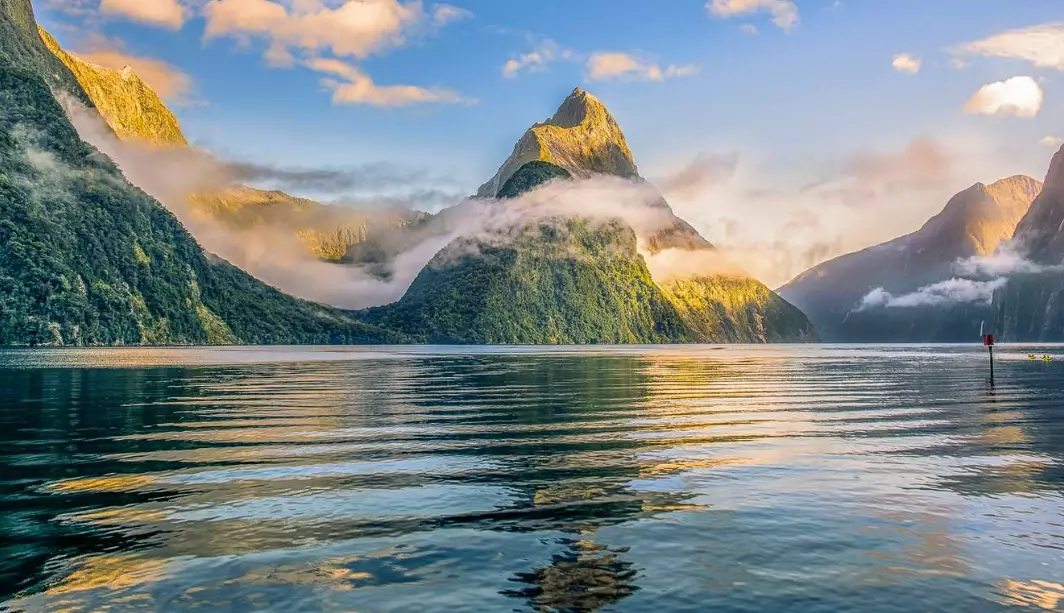
"Milford Sound isn't just a place you see; it's a feeling. The scale of those cliffs rising straight out of dark water, the silence broken only by a waterfall or a kea's call... it recalibrates your sense of awe."
Why Milford Sound? Breaking Down the "Number One" Status
So, why does this specific fiord in Fiordland National Park consistently win the title of New Zealand's number one tourist attraction? It's not a marketing gimmick. It's a perfect storm—pun somewhat intended—of geology, accessibility, and sheer, undeniable drama.
First, the raw ingredients. Imagine glacier-carved cliffs that shoot up vertically for over a kilometre straight from the deep, dark water. We're talking about Mitre Peak, rising an insane 1,692 metres (5,551 feet) – that's one of the tallest sea cliffs in the world. Then add the water. It's not blue like a tropical postcard. It's a deep, inky black, stained by tannins from the surrounding rainforest, which creates an eerie, mirror-like surface on a calm day. And the rainforest itself clings to every possible inch of rock, dripping with moisture.
Then, the dynamic element: water, and lots of it. Fiordland is one of the wettest places on Earth. That sounds like a negative, right? Wrong. This is the secret sauce. The rain creates hundreds, sometimes thousands, of temporary waterfalls that cascade down the cliff faces. The famous Stirling and Bowen Falls are permanent, but after a good downpour, the walls come alive with silver threads of water. I visited once on a so-called "bad" rainy day, and it was the most memorable experience. The sound was thunderous, the mist was mystical, and the crew on the cruise said we were seeing it at its most powerful. It changed my perspective completely.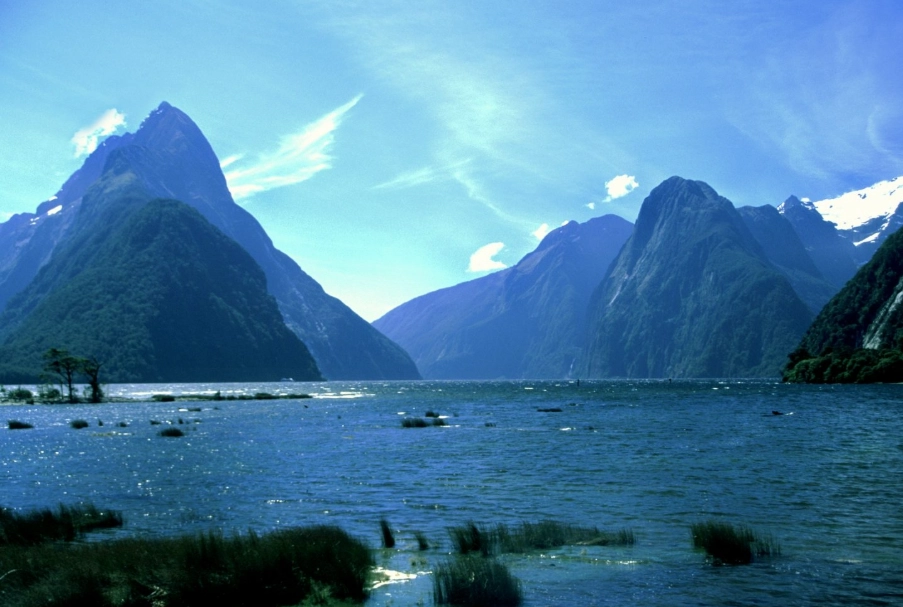
The Core Reasons It Tops Every List:
- Unmatched Scale & Drama: The verticality is something you simply don't get in many other places on the planet. Photos never do it justice.
- Accessible Wilderness: It feels profoundly remote and untouched, yet you can get there on a day trip (with a long drive) or an overnight cruise. This balance is key.
- Wildlife Guarantee: You are almost certain to see fur seals (kekeno) basking on the rocks, and there's a good chance of spotting dolphins (aihe) or even the rare Fiordland crested penguin (tawaki) in season.
- The Journey is Part of the Attraction: The road to Milford Sound (State Highway 94) is an attraction in itself, with highlights like the Mirror Lakes, the Chasm, and the Homer Tunnel.
But let's be real for a second. Its status as the number one tourist attraction in New Zealand also means one thing: people. Lots of them. During peak season (December to February), the car parks fill up, the cruise boats queue, and it can feel a bit like a conveyor belt. This is the biggest pain point for many visitors. They've heard the hype, make the journey, and then feel herded. This is where planning—and the info in this guide—makes all the difference between a good experience and a transcendent one.
Beyond the Cruise: How to Actually Experience Milford Sound
If you think answering "what is the number one tourist attraction in New Zealand?" with "Milford Sound" means you just book a 2-hour cruise and you're done, you're missing about 80% of the point. The cruise is the classic, essential introduction. But treating it as a tick-box activity is how you leave feeling underwhelmed. The real magic is in how you frame the entire experience.
Your Milford Sound Experience Toolkit: Options Compared
Here’s a breakdown of the main ways to see Milford Sound / Piopiotahi. Your choice dramatically changes your experience.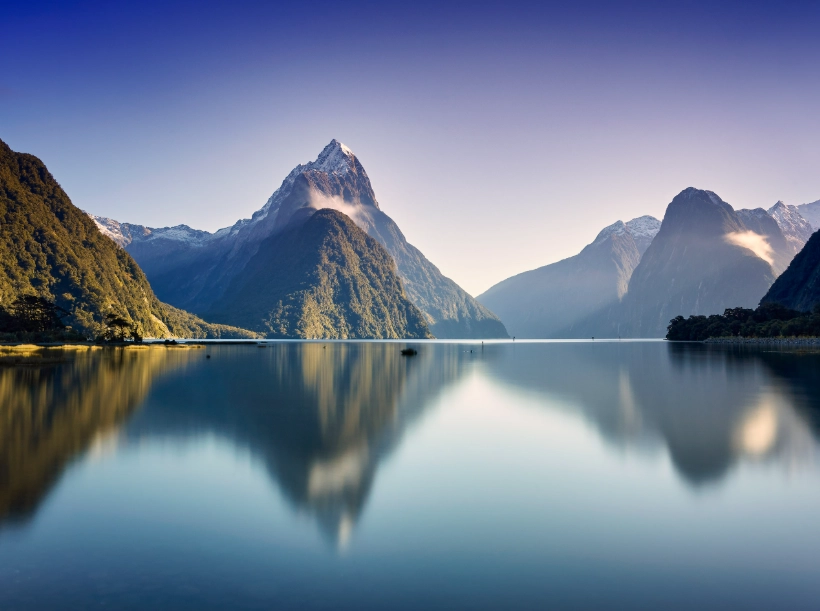
| Experience Type | What It Involves | Best For | Biggest Drawback | Pro Tip |
|---|---|---|---|---|
| Day Cruise (The Classic) | A 1.5-2 hour boat journey from the terminal out to the Tasman Sea and back. All major operators (like RealNZ and Southern Discoveries) offer this. | First-timers, tight schedules, families. You get the iconic views and commentary. | Can be crowded; a very standardized, "packaged" feel. Weather dependent. | Book the earliest (8-9 am) or latest (2-3 pm) cruise of the day to avoid the mid-day bus rush. Pack a raincoat and get out on the deck! |
| Overnight Cruise (The Game-Changer) | Staying on a boat in the sound overnight. Includes meals, kayaking, and small-boat excursions. | Those wanting depth, solitude, and wildlife. You see the sound after the day boats leave and before they arrive. | Cost. It's a significant investment. Also requires more time. | This is the single best way to understand why it's the top attraction. The peace at dawn is worth every cent. Check operators like RealNZ for their overnight options. |
| Kayaking (The Adventurous) | Paddling a sea kayak, either on a guided tour or independently. Gets you to water level, right under the waterfalls. | Active travellers, photographers, people who hate big crowds. | Physically demanding. Highly weather-dependent (trips get cancelled often). | Book a guided morning tour. The water is usually calmer, and you might have parts of the sound to yourself. Companies like Rosco's Milford Kayaks are well-regarded. |
| Scenic Flight (The Breathtaking) | Flying from Queenstown or Te Anau over the Southern Alps and into the sound. Often includes a glacier landing. | Big budgets, short on time, wanting the ultimate overview. Avoids the long drive. | Very expensive. You don't get the intimate, "in-the-sound" feeling. | Combine it! Do a "fly-cruise-fly" or "fly-cruise-drive" package. You see the scale from the air and the detail from the water. Air Milford and Glenorchy Air are reputable. |
| The Milford Track (The Epic) | The 4-day, 53.5km "finest walk in the world." It finishes at Sandfly Point in Milford Sound. | Serious trampers with planning skills. It's about the journey culminating at the sound. | Requires booking huts months (often a year) in advance via the Department of Conservation (DOC) website. Physically tough. | If you can't get a Great Walk booking, look at the nearby Routeburn or Kepler Tracks, which offer similarly stunning Fiordland scenery. |
My personal take? If your budget and time allow for only one thing, do the classic day cruise. It's iconic for a reason. But if you can stretch to an overnight cruise, it transforms the experience from sightseeing to immersion. The number one tourist attraction in New Zealand deserves more than a rushed afternoon.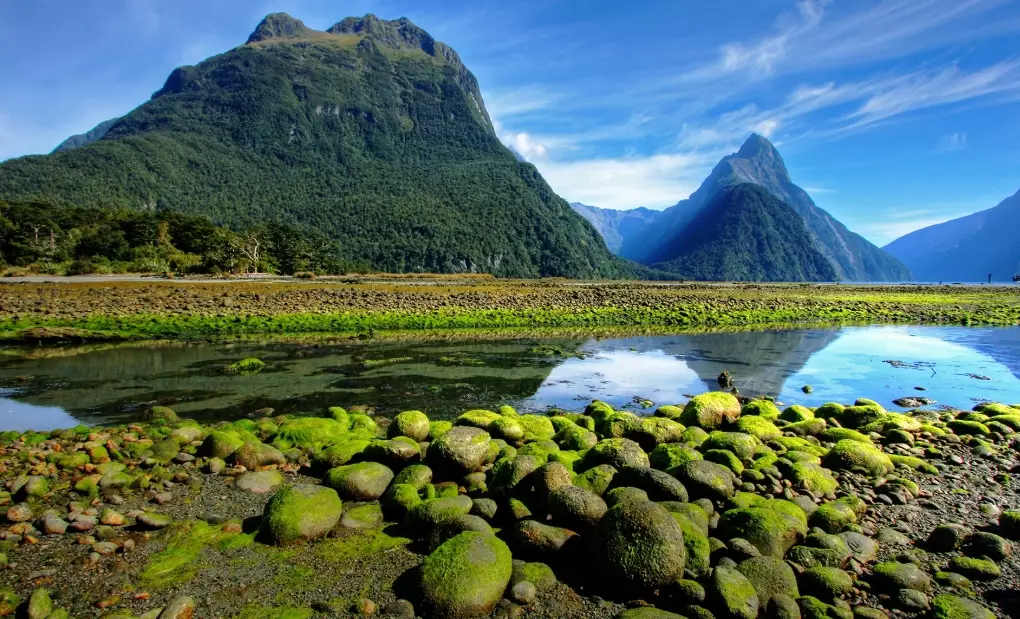
A Non-Negotiable Tip: However you go, get out on the deck. I see so many people huddled inside the warm cabin the whole time, looking through foggy windows. The power of Milford is in the wind, the spray from the waterfalls (they'll sail the boat right under one!), the smell of the rain-soaked forest. You have to be in it. Bring a proper waterproof jacket with a hood, not just a poncho.
The Logistics: Getting There, Staying, and Not Getting Eaten (by Sandflies)
Alright, so you're sold on answering the "what is the number one tourist attraction" question with a trip to Milford. Now for the practical, gritty details that travel brochures gloss over.
The Drive: Milford Road (SH 94)
Driving from Te Anau (the main gateway town) is a 120km journey that takes about 2 hours without stops. But you must stop. This road is spectacular.
- Key Stops: Eglinton Valley (wide, flat meadows), Mirror Lakes (best on a dead-calm morning), The Chasm (a short walk to powerful waterfalls carving through rock), and the Homer Tunnel (a single-lane, unlined tunnel through the mountain—wait for the traffic lights!).
- Road Conditions: It's a well-maintained highway, but it's alpine. Check road status on the NZTA Journeys website before you go. In winter (May-Oct), snow chains are often required by law, and the road can close due to avalanches. Rental car companies have strict rules about this road—read your contract!
- Bus Tours: A fantastic option. You relax, someone else handles the driving on the winding road, and the commentary is usually great. Companies like GreatSights and Altitude Tours run these from Queenstown and Te Anau.
Where to Base Yourself
Te Anau: The logical choice. A 2-hour drive away, it's a lovely lakeside town with all the amenities (supermarkets, motels, restaurants). It's far more pleasant and affordable than trying to stay right at Milford Sound, where options are extremely limited (just one lodge).
Queenstown: Possible for a very long day trip (4-5 hour drive each way), but it's a marathon. If you do this, seriously consider a bus tour so you can nap, or better yet, a scenic flight one way.
Sandflies: The Fiordland Welcome Committee
Let's talk about the elephant—or rather, the tiny, biting insect—in the room. Sandflies (namu) in Milford Sound are infamous. They're small, they itch like crazy, and they're relentless near still water and the shoreline. Don't let them ruin your trip. Pack a strong insect repellent containing DEET or picaridin. Wear long sleeves and long pants when off the boat. The good news? They're less active in the middle of the day when it's sunny and windy, and they're barely noticeable out on the water on the cruise boat deck when it's moving.
When to Go: There is No Bad Weather, Only Wrong Clothing
This is the most important mindset shift for visiting the number one tourist attraction in New Zealand. Chasing a sunny day in Milford Sound is a fool's errand. It rains about 200 days a year there, with an average annual rainfall of over 6,800mm. That's not a bug; it's a feature.
- Rainy/Cloudy Days: This is when the temporary waterfalls come to life. The mood is dramatic, mystical, and powerful. The clouds clinging to the peaks add to the atmosphere. This is arguably the "best" weather for photographers seeking mood.
- Sunny Days: A rare treat. The cliffs are bathed in light, the water can get that mirror effect, and it's generally more pleasant to be outside. But you'll miss the cascading wall of waterfalls that appears after rain.
Seasonally, summer (Dec-Feb) has the most stable weather (but still lots of rain) and the longest days. It's also the busiest. Spring (Oct-Nov) and Autumn (Mar-April) offer cooler temperatures, fewer crowds, and still-great conditions. Winter (May-Sept) is cold, with snow on the peaks, and the road is more challenging, but the crowds are minimal, and the scenery is starkly beautiful.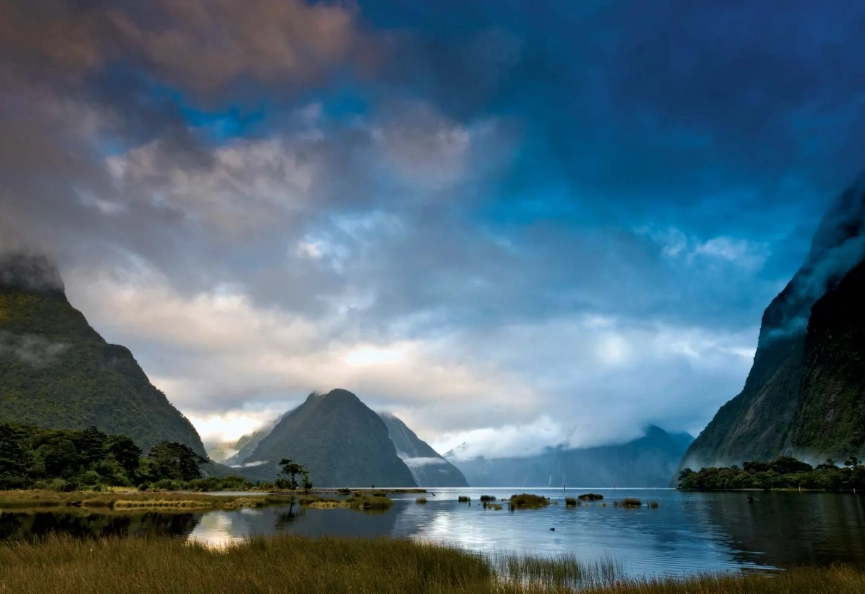
Bottom Line: Book your trip whenever it suits your overall NZ itinerary. Don't stress about the forecast. Just come prepared with waterproof layers, sturdy shoes, and a sense of adventure for whatever weather you get.
Common Questions & Things Other Guides Don't Tell You
Is Milford Sound really better than Doubtful Sound?
Ah, the great debate. Doubtful Sound is larger, wilder, and gets far fewer visitors because it's only accessible by a boat-crossing-then-bus-then-cruise journey. It's more about untouched serenity. Milford is more dramatic, more vertical, and more iconic. If you have time for only one, choose Milford for the "wow" factor. If you hate crowds and have an extra day, Doubtful is a phenomenal, more secluded experience. It's not "better," just different.
Can I visit Milford Sound as a day trip from Queenstown?
Technically, yes. But it's a very long day (10-12 hours with a bus tour). You'll spend more time on the road than at the attraction. If that's your only option, go for it—it's still worth it. But if you can, spend a night or two in Te Anau to break up the journey and explore the area properly.
Do I need to book my cruise in advance?
Absolutely, yes. Especially from October to April. This is the number one tourist attraction in New Zealand for a reason—it sells out. Book your cruise, your kayak tour, your bus seats, everything, as far in advance as you can. Turning up on the day hoping for a spot, particularly between 11 am and 2 pm, is a recipe for disappointment.
What's the deal with the name "Milford Sound / Piopiotahi"?
Great question. It's part of New Zealand's dual-naming process to honour both the English and Māori heritage. "Milford Sound" was named by a Welsh sailor after Milford Haven in Wales. "Piopiotahi" is its original Māori name, meaning "a single thrush," referencing a legend about the extinct piopio bird. Using both names shows respect. You'll see it signposted this way officially.
Is it worth it if I only have a short time in New Zealand?
This is tough. If you have less than 5 days in the whole country and are based in Auckland, no, it's not practical. But if you have a week and are visiting the South Island, then making the effort to see the country's top attraction is a central part of the experience. It defines the South Island's landscape. I'd prioritize it over many other things.
The Final Verdict: Why It Earns the Top Spot
So, after all this, what is the number one tourist attraction in New Zealand? It's Milford Sound / Piopiotahi, not just because it's beautiful, but because it's an experience that encapsulates the soul of the South Island—wild, ancient, awe-inspiring, and humbling. It's accessible enough for most people to witness, yet wild enough to feel truly significant.
It has its downsides: the crowds, the fickle weather, the sandflies, the long journey. But these almost add to its character. It doesn't hand itself to you easily. You have to make the effort, and that makes the reward—standing on the deck of a boat, dwarfed by those impossible cliffs, feeling the spray of a waterfall that's been falling for millennia—all the more powerful.
Your mission isn't just to go to Milford Sound. Your mission is to go with the right expectations, the right preparation (waterproofs, repellent, bookings), and the right mindset. See it from the water, for sure. But look up at those peaks, listen to the silence between the falls, and watch for a seal pup playing in the water. That's when you'll stop asking "what is the number one tourist attraction in New Zealand?" and start understanding it, deeply and personally. That's the real trip.
Now, go start planning. And book that cruise early.


Comments
Join the discussion