Let's be honest. The idea of a New Zealand tour might conjure images of bungee jumping and crowded backpacker buses. That's not what this is about. For travelers over 50, a trip to New Zealand represents something different: depth over adrenaline, comfort over challenge, and connection over checklist tourism. You've earned the right to travel smart. This guide cuts through the generic advice to focus on what truly matters for a seamless, enriching, and utterly spectacular New Zealand experience tailored for mature explorers.
What’s in This Guide
Why New Zealand is a Perfect Match for the 50+ Traveler
It's not just the postcard scenery. The country's infrastructure is built for the kind of travel we appreciate. Roads are well-maintained (mostly), English is spoken everywhere, and there's a palpable respect for older visitors. Safety is a given. But the real magic for the over-50s traveler lies in the pace and the people.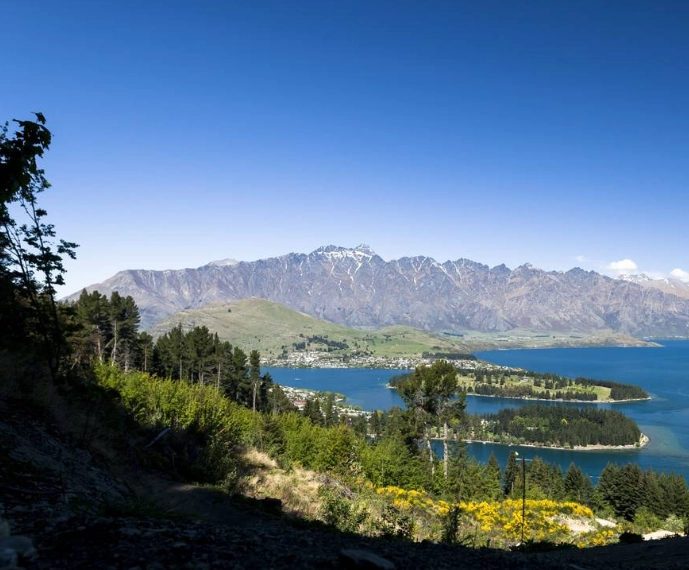
You can spend a morning marveling at the glacial waters of Lake Tekapo, have a leisurely lunch at a local vineyard, and still be in your comfortable lodge by late afternoon for a glass of Pinot Noir as the sun sets. The activities scale to your energy level. Fancy a hike? The Hooker Valley Track near Aoraki/Mt. Cook is mostly flat, offers insane mountain views, and has benches along the way. Prefer to see Milford Sound? Skip the hectic day-trip from Queenstown. Stay in Te Anau the night before, take the early morning cruise (fewer crowds, calmer water), and savor the journey along the Milford Road, stopping for photos without feeling rushed.
Crafting Your 14-Day Comfort-First Itinerary
This sample itinerary prioritizes scenic diversity, cultural touchpoints, and ample downtime. It assumes you're either self-driving a comfortable rental car (SUV recommended) or using a premium small-group tour operator.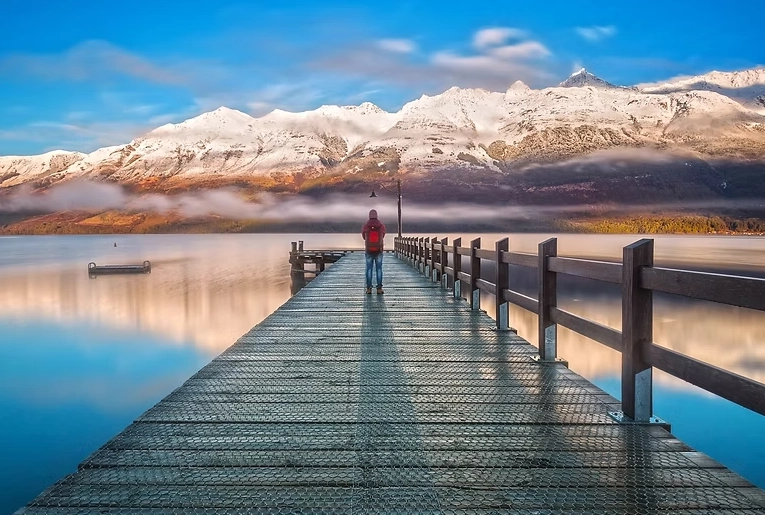
| Days | Region & Base | Highlights & Pace | Accommodation Vibe |
|---|---|---|---|
| 1-3 | Auckland & Bay of Islands | Recover from flight. Maritime museum, Waiheke Island wine tasting. Day cruise to Hole in the Rock. Historic Waitangi Treaty Grounds. | City hotel (Sofitel Auckland Viaduct Harbour) then a coastal resort in Paihia. |
| 4-5 | Rotorua | Drive south (4 hrs). Te Puia for geothermal wonders & Maori culture. Redwoods Treewalk at night. A relaxing soak at the Polynesian Spa. | Lakeside hotel with thermal pools. Avoid places directly next to sulphurous vents unless you enjoy the smell. |
| 6-8 | Queenstown (Fly from Rotorua) | Skip the long drive, fly. Scenic gondola, TSS Earnslaw steamship cruise to Walter Peak Farm. Day trip to Glenorchy. Optional: Helicopter flight to a glacier. | Lakeside apartment or boutique hotel (Eichardt's Private Hotel for splurge). |
| 9-10 | Wanaka | Short, stunning drive (1 hr). That Wanaka Tree, Lavender Farm, Rippon Vineyard. Easy walks along the lakefront. A restorative stop. | Quiet, modern hotel with mountain views. |
| 11-12 | Aoraki/Mt. Cook National Park | Drive via Lindis Pass (2.5 hrs). Hooker Valley Track. Stargazing tour (International Dark Sky Reserve). The silence here is profound. | The Hermitage Hotel – basic rooms but unbeatable location. |
| 13-14 | Christchurch | Drive from Mt. Cook (3.5 hrs). Explore the innovative post-earthquake rebuild, Botanic Gardens. Fly home from Christchurch International. | Central city hotel for convenience. |
This table is the skeleton. The flesh comes from how you fill the days. In Queenstown, don't feel pressured to do the jet boat. Instead, book a behind-the-scenes tour of a high-country sheep station. In Rotorua, the Maori concert is a must, but book the smaller, more intimate evening experience, not the large lunchtime show.
Where to Stay & Eat: Lodges and Restaurants That Get It Right
Accommodation can make or break your trip. You're past the hostel bunk. Look for places with character, comfort, and hosts who offer local insight.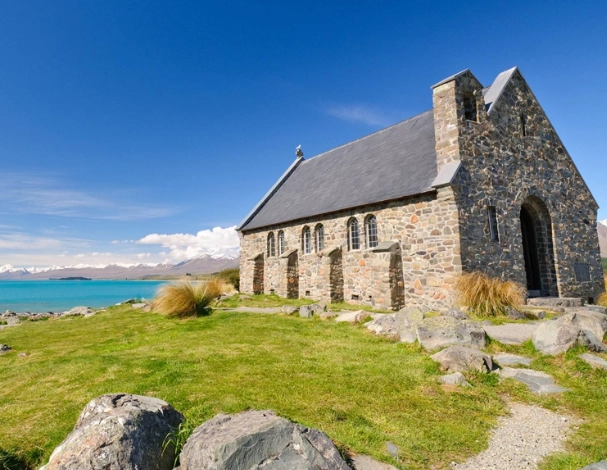
Top Tier Lodges (The Splurge)
Huka Lodge (Taupo): More than a hotel, it's an institution. Address: 271 Huka Falls Road, Taupo. Set on the banks of the Waikato River, it's about understated luxury, incredible service, and gourmet dining. Expect NZD $2,000+ per night. It's a destination in itself for a special two-night stay.
Blanket Bay (Glenorchy): Address: 1 Blanket Bay Road, Glenorchy. A alpine lodge on the shores of Lake Wakatipu. Stone fireplaces, massive timbers, views that don't quit. Perfect for accessing Fiordland or just soaking in the remoteness. Prices similar to Huka Lodge.
Excellent, More Accessible Options
The Marlborough (Blenheim): Address: 18-22 Park Terrace, Blenheim. If you love wine, this is your base. Modern, spacious suites with kitchenettes. You can walk to town and are minutes from 30+ wineries. Around NZD $300-450 per night.
Otahuna Lodge (Christchurch): Address: 224 Rhodes Road, Tai Tapu. A Relais & Châteaux property in a stunning 1895 homestead. Just 25 minutes from the airport, it's the perfect luxurious bookend to your trip. Rates include a spectacular multi-course dinner. From NZD $1,200 per night.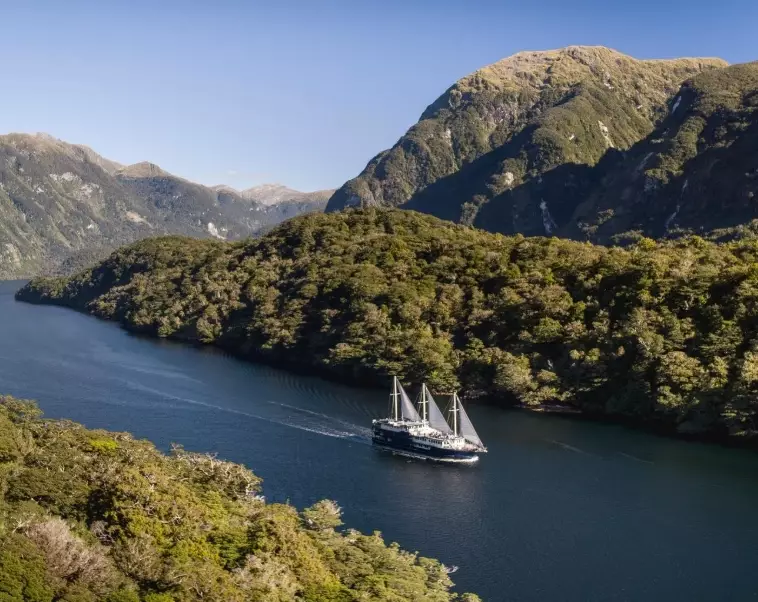
Dining: Beyond Fish and Chips
New Zealand's food scene has matured beautifully. Look for restaurants showcasing local produce.
- Amisfield Bistro (Near Queenstown): Address: 10 Lake Hayes Road, Arrowtown. Their "Trust the Chef" menu is legendary. A fixed-price, multi-course feast of Central Otago's best. About NZD $130 per person. Book months ahead.
- Fleur's Place (Moeraki): Address: 169 Haven Street, Moeraki. A rustic, ramshackle seafood shack on the pier. The fish is literally off the boat. It's a detour off State Highway 1, but for the freshest crayfish and blue cod, it's worth it. Mains NZD $40-60.
- Logan Brown (Wellington): Address: 192 Cuba Street, Wellington. Housed in a former bank, this is fine dining with a conscience (they have a strong sustainability ethos). The tasting menu tells a story of New Zealand's land and sea. Around NZD $150 for the tasting menu.
Practical Tips from the Road: Health, Transport & Packing
Let's get into the nitty-gritty that generic guides gloss over.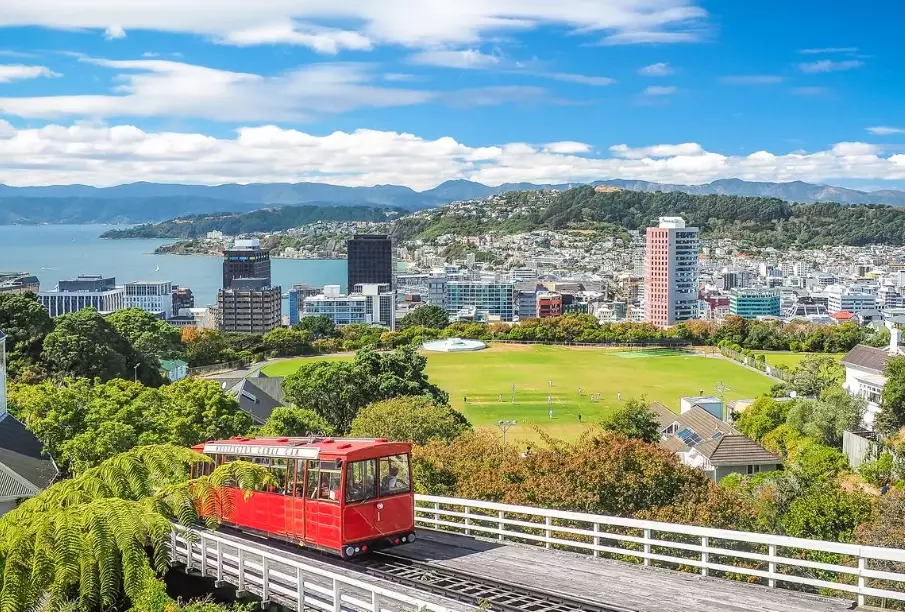
Health: New Zealand has excellent healthcare, but it's not free for visitors. Comprehensive travel insurance with medical evacuation is non-negotiable. Bring a copy of your prescriptions and a letter from your doctor for any medications. Pharmacies ("chemists") are well-stocked. A small tip: the change in diet and long flights can be tough on digestion. Pack some probiotics or familiar over-the-counter remedies.
Transport: Driving is the best way to see NZ, but be realistic. The roads are winding, and distances take longer than Google Maps says. Limit driving to 3-4 hours max per day. Consider hiring an automatic transmission car even if you drive manual at home—it reduces cognitive load on unfamiliar roads. If driving the South Island's alpine passes (like Arthur's Pass) in winter (June-August), snow chains are often required by law. Most rental companies provide them and show you how to fit them.
Packing: Layers are your best friend. Merino wool is a Kiwi secret—it regulates temperature, doesn't smell, and packs light. A waterproof jacket with a hood is essential year-round. Very comfortable walking shoes (not just sneakers, but proper hiking shoes if you plan any trails). A quality power bank for your phone, as you'll be using it for photos and GPS all day. And a soft, inflatable lumbar support pillow for those car or coach journeys.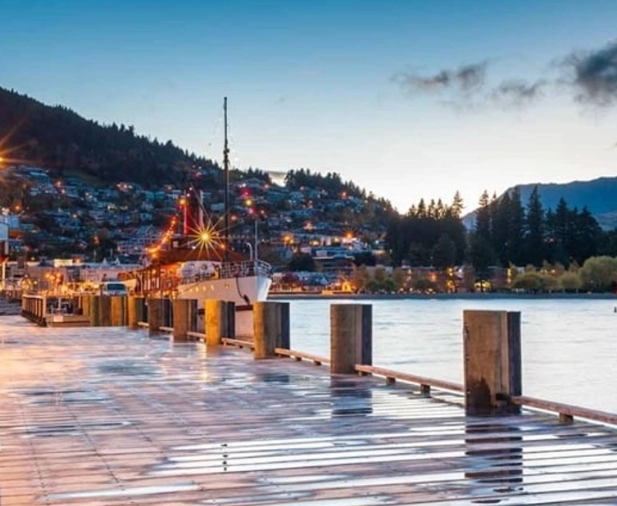
Your Questions, Answered (The Stuff Other Guides Don't Mention)
I'm worried about long-haul flight fatigue. How can I structure my first few days to hit the ground running?
This is critical. Never plan anything demanding for your first full day. Book a hotel near your arrival airport (Auckland or Christchurch) for two nights. On Day 1, stay awake until at least 8 PM local time, but only do gentle activities—a walk in a nearby park, a casual lunch. Hydrate aggressively on the plane and avoid alcohol. On Day 2, explore your arrival city. This 48-hour buffer lets your body adjust without the pressure of a long drive or tour, dramatically improving the rest of your trip.
Is a guided tour or independent travel better for New Zealand tours for over 50s?
It depends entirely on your appetite for logistics. A high-quality, small-group tour (max 16 people) run by a company like AAT Kings or Trafalgar removes all stress—luggage handling, driving, bookings. The downside is less flexibility. Independent travel (self-drive or with a private driver) offers freedom but requires planning. My advice for first-timers: consider a hybrid. Book a short, premium guided tour for a complex region like Fiordland, then do the rest independently. This gives you structure where you need it and freedom where you want it.
We're not big hikers. Will we still enjoy the South Island's scenery?
Absolutely. Some of the best views are from the car or short walkways. The drive from Wanaka to the West Coast via the Haast Pass is a full-day scenic spectacle. You can see Franz Josef Glacier from the car park (or take a short forest walk to a better viewpoint). In Milford Sound, the majesty is from the deck of the cruise boat. Scenic flights by helicopter or fixed-wing plane offer breathtaking perspectives without any physical exertion. Focus on the "Great Drives" and scenic journeys, not the trails.
What's the one thing most senior travelers forget to budget for?
Premium seating and convenience costs. Economy seats for 12+ hours are brutal at any age. Budget for Premium Economy at a minimum. Also, people underestimate the cost of eating well every day. A casual cafe lunch is NZD $25-30 per person. Dinners at good restaurants start at NZD $60 for a main. Factor in daily coffee stops, wine tastings (often NZD $10-15 per tasting), and those unplanned scenic boat trips. A realistic daily budget for a comfortable trip, excluding flights and premium accommodation, is NZD $300-400 per couple.
North Island or South Island for a first-time visitor over 50?
If you have under 10 days, choose one. The South Island delivers the iconic, dramatic mountain and lake scenery (Queenstown, Milford Sound, glaciers). The North Island offers warmer climate, richer Maori culture, geothermal wonders, and more cities. For a mix of culture, geothermal activity, and good food with less intense travel distances, the North Island (Auckland, Bay of Islands, Rotorua, Wellington) is often a more relaxed introduction. For sheer, jaw-dropping natural spectacle, the South Island wins. You can't go wrong.
Comments
Join the discussion