Let's cut straight to it. The best time to visit Fiji for snorkeling is during the dry season, from May to October. You get sunny days, lower humidity, minimal rain, and the clearest water visibility—often exceeding 30 meters. But if you think that's the whole story, you're missing out. I've spent years hopping around the Yasawas, Mamanucas, and remote northern islands, and the "perfect" time entirely depends on what you're after. Want to swim with manta rays on a specific schedule? Prefer having a famous reef to yourself? Trying to stick to a tight budget? The month you pick changes everything.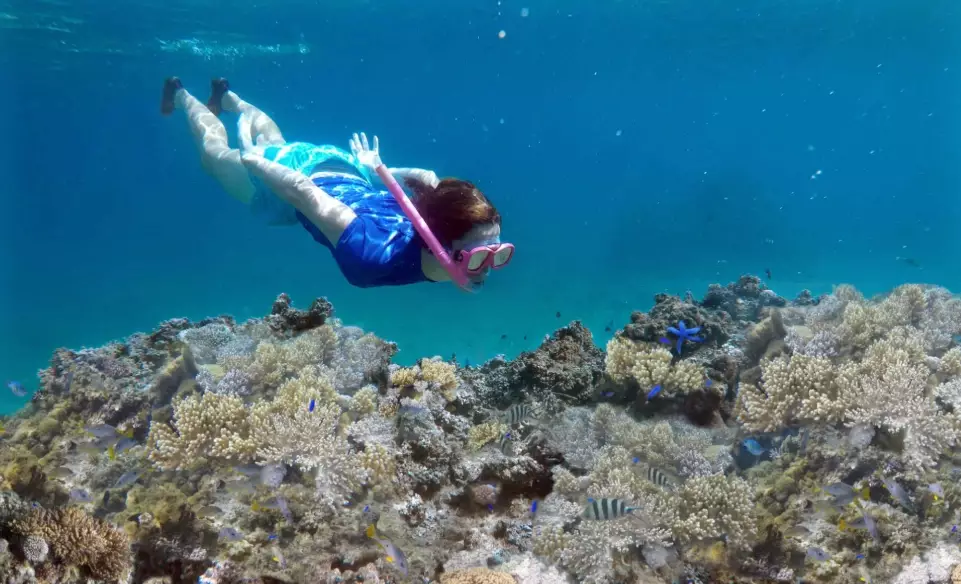
Your Quick Snorkel Trip Planner
Fiji's Two Main Seasons: Dry vs. Wet
Fiji has a tropical climate, simplified into two seasons. Your snorkeling experience hinges on which one you choose.
The Dry Season (May to October)
This is Fiji's winter and the peak tourist season. Skies are reliably blue, rainfall is low, and the southeast trade winds bring a pleasant, cooler breeze. The water visibility is stunning—this is when underwater photographers get their best shots. The downside? It's also the coolest time of year. Water temperatures can dip to around 24-25°C (75-77°F) in August, which might feel chilly for some, especially on longer snorkels. You'll also share the popular sites with more people, and resort prices are at their highest.
The Wet Season (November to April) is Fiji's summer. It's hotter, more humid, and prone to heavy, brief downpours. This is the common perception, and it's true there's a higher chance of rain. But here's what most guides don't stress enough: the water is bath-warm, often 28-30°C (82-86°F). The marine life is incredibly active. And yes, there's a cyclone risk from November to April, peaking in January and February. However, cyclones are rare events, not weekly occurrences. The rain often clears quickly, leaving the reefs refreshed. If you don't mind a brief afternoon shower and want warmer water with fewer crowds and better deals, this season has serious merit.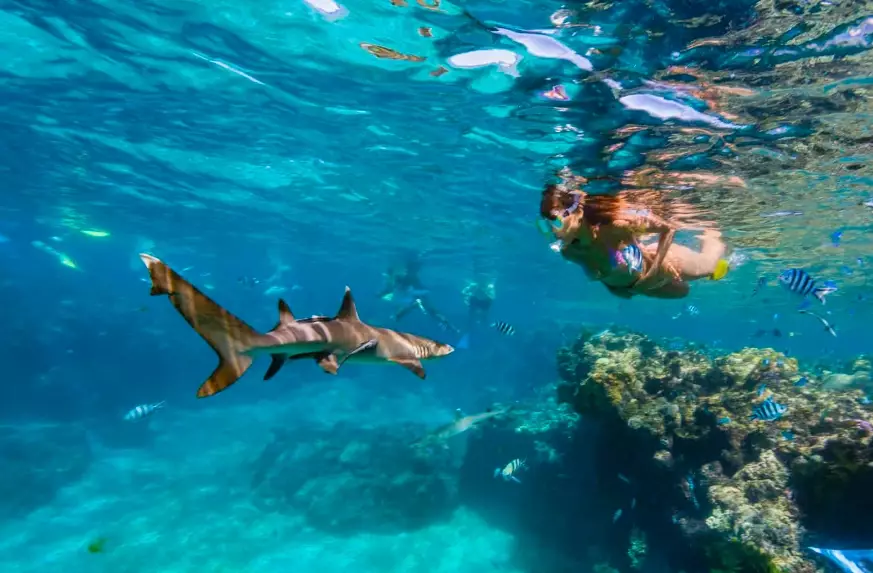
A Detailed Month-by-Month Snorkeling Guide
Let's get specific. This table breaks down what you can realistically expect each month.
| Month | Weather & Water Temp | Snorkeling Conditions | Best For... |
|---|---|---|---|
| May | Start of dry season. Sunny, low humidity. Water: 26-27°C (79-81°F). | Visibility rapidly improving. Seas calming down. A fantastic transition month. | Travelers who want good weather but wish to avoid the peak season crowds and prices of June-July. |
| June & July | Peak of the dry season. Coolest, driest air. Water: 25-26°C (77-79°F). | Superb visibility (30m+). Calm seas on leeward sides (like Mamanucas). Can be windy on southern coasts. | First-time visitors, families, and anyone who prioritizes guaranteed sunny weather and calm ocean conditions above all else. |
| August & September | Dry season continues. Water temp at its lowest (~24-25°C). | Still excellent visibility. This is when you might want a thin wetsuit top, especially for multiple daily snorkels. | Serious snorkelers and divers who don't mind slightly cooler water for the clearest views of the reef. |
| October | End of dry season. Temps and humidity start to rise. Water warming up to 26°C. | Great conditions persist. A sweet spot with dry season visibility but warmer water than August. | A perfect balance. You get the benefits of the dry season as it starts to transition into the warmer, quieter period. |
| November & December | Start of wet season. Warm, humid, chance of short storms. Water: 27-28°C (81-82°F). | Visibility can be affected after heavy rain near shore, but still good. Water is wonderfully warm. Coral spawning occurs around November's full moon. | Budget travelers, warm-water lovers, and those interested in the unique natural event of coral spawning. |
| January & February | Heart of wet season. Hottest, most humid, highest rainfall. Peak cyclone risk. | Most variable. You can have incredible sunny days with great viz, or rain-affected conditions. Always check local forecasts. | Risk-tolerant travelers seeking the lowest prices and smallest crowds. Be flexible and have indoor backup plans. |
| March & April | Tail end of wet season. Rainfall begins to decrease. Water is very warm, 28-29°C (82-84°F). | Visibility improves as rains lessen. A lush, green, and vibrant time on land and in the sea. | Those wanting a true tropical summer experience—warm water, warm air, fewer tourists, and lower costs before the high season begins. |
Who Should Aim for Which Season?
Choose the Dry Season (May-Oct) if: Guaranteed sunshine is your top priority. You're a first-timer to Fiji or traveling with family. You get cold easily and prefer cooler water. Your budget allows for peak-season prices. You're planning a special occasion trip and don't want weather stress.
Consider the Wet Season (Nov-Apr) if: You're on a tighter budget. You adore bath-warm water. You don't mind sporadic rain and are happy to read a book for an hour if a shower passes. You're a repeat visitor looking for a different, quieter vibe. You're chasing specific wildlife events like manta ray season in the Yasawas (May-Oct is actually best for this) or coral spawning.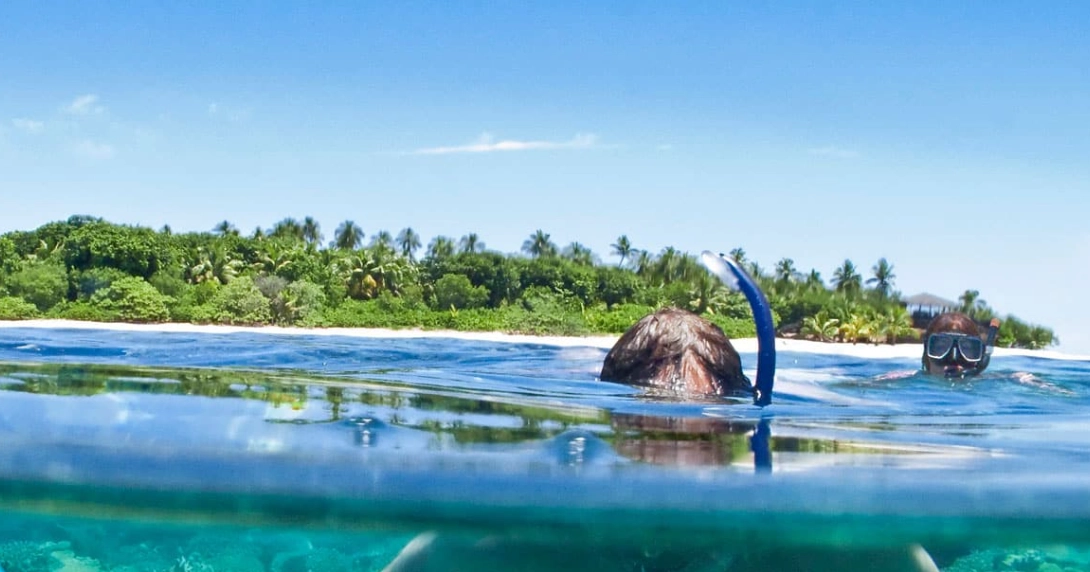
Where to Go: Top Snorkeling Spots & Resorts
Location is just as important as timing. Some spots are year-round winners, while others shine in specific seasons.
1. Mantaray Island Resort, Yasawa Islands
Address: Drawaqa Island, Yasawa Islands. Access is by boat or plane from Nadi.
The Snorkeling: Famous for its channel where manta rays feed on plankton from May to October. The resort runs guided snorkel trips to the channel. The house reef right off the beach is also excellent, with healthy coral and tons of fish.
Best Time to Visit This Spot: May through October, exclusively for the manta rays. Outside this window, it's still a lovely reef, but you miss the main event.
My Take: It's a dedicated, no-frills snorkeler's resort. The manta experience is well-managed, but book your stay well in advance for the manta season.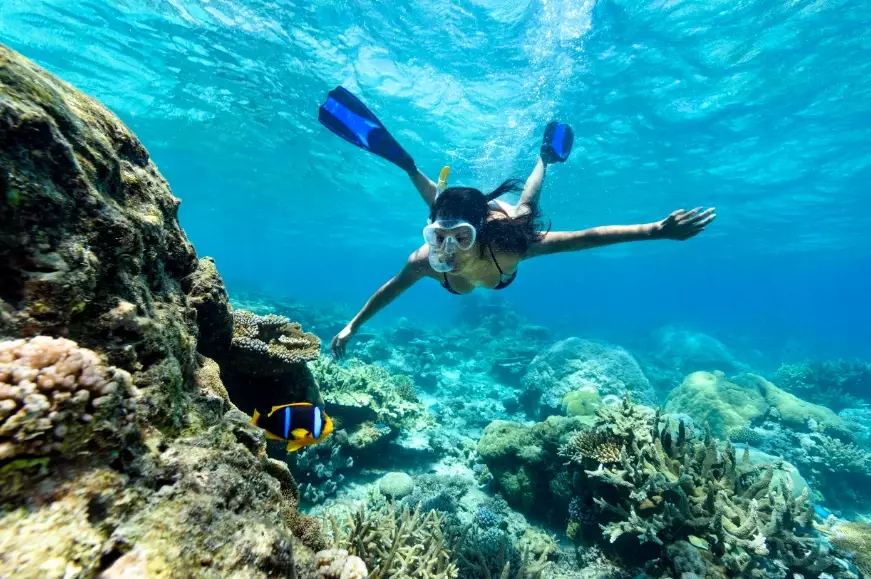
2. Beqa Lagoon, off Pacific Harbour (Viti Levu)
Address: Pacific Harbour is about a 2.5-hour drive from Nadi. Snorkel trips depart from here.
The Snorkeling: Known as the "Soft Coral Capital of the World." Trips go to sites like the famous Side Streets and Blue Ribbon Eel Reef. It's not typically a beach-access spot; you need to join a boat tour.
Best Time to Visit This Spot: April to November. The dry season offers the calmest seas for the boat ride and the best visibility to appreciate the stunning colors of the soft corals. Wet season trips can be rougher and are more likely to be canceled.
My Take: This is for the enthusiast. The colors are unreal, but it's a commitment—a long drive and a boat trip. Worth it if you want world-class reef scenery.
3. The Mamanuca Islands
Access: A short catamaran ride from Denarau (Nadi). Includes islands like Mana, Malolo, and Castaway.
The Snorkeling: Incredibly convenient and varied. Many resorts have good house reefs (check out Mana Island Resort's north beach reef). Famous spots like the Supermarket near Mana Island offer fish feeding (controversial, but a spectacle).
Best Time to Visit This Spot: Year-round, but ideal in Dry Season (May-Oct). The Mamanucas are sheltered, so even in the wet season, conditions can be good on the leeward sides. The dry season just makes everything more predictable and calm.
My Take: The best all-rounder for ease, variety, and resort options. Perfect for families or shorter trips. Just be aware that the most famous snorkel spots can get busy with day-trippers from Denarau.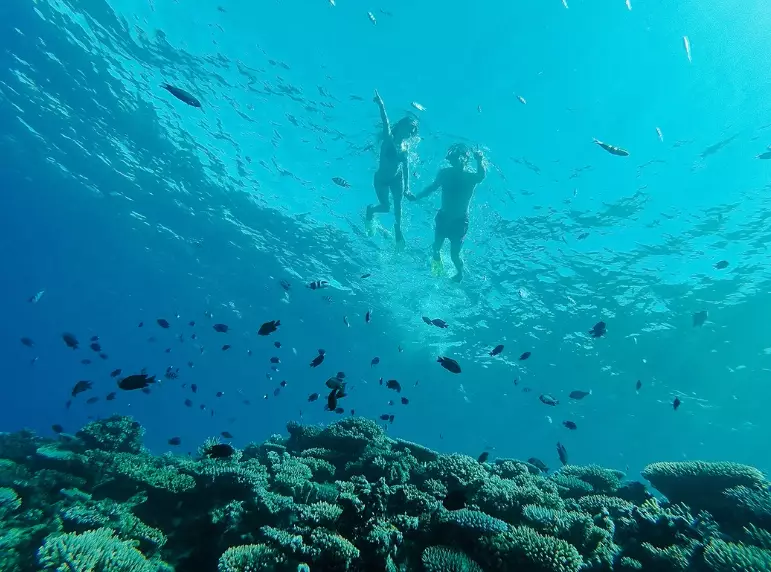
Beyond the Calendar: Pro Tips for the Best Experience
Timing your trip is one thing. Making the most of it is another. Here’s what I’ve learned.
Book a Resort with a Great House Reef. This is the single biggest tip I can give. When you have a reef you can swim to from your room, you're not dependent on boat trip schedules or weather. You can snorkel at dawn, on a whim, or for just 20 minutes. Resorts like Volivoli Beach Resort (Rakiraki) or Matamanoa Island Resort (Mamanucas) are famous for this.
Understand Tides. This is a subtle point most miss. A reef that's spectacular at high tide can be a dangerous, shallow scrape at low tide. Ask the resort staff or boat captains about the best tide for their local sites. Snorkeling is almost always better on an incoming or high tide.
Protect the Reef. Please, don't touch the coral, stand on it, or chase the wildlife. Use reef-safe sunscreen (mineral-based). The Fiji government and organizations like the Fiji Locally Managed Marine Area (FLMMA) network work hard on conservation. Be a responsible guest.
Manage Your Expectations in the Wet Season. If you go from November to April, build flexibility into your plan. Have a good book. Maybe choose a resort with more amenities. If a day trip gets canceled due to weather, don't let it ruin your trip—enjoy the pool or the cultural activities. The reward is having places almost to yourself.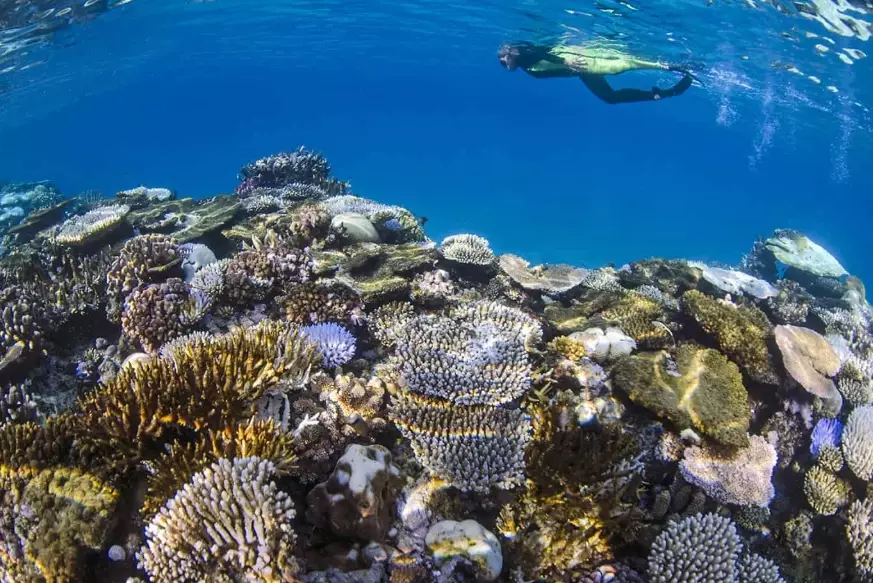
Your Fiji Snorkeling Questions Answered
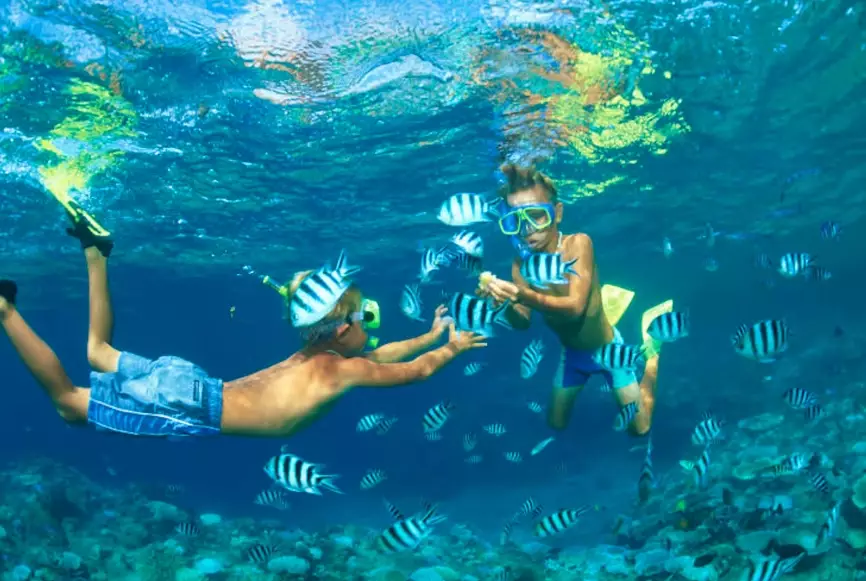 We're planning a family trip with young kids who are new to snorkeling. What's the best time and place?

Comments
Join the discussion