Let's cut to the chase. If you're looking for the absolute rock-bottom, cheapest month on average to fly to New Zealand from North America or Europe, it's usually August. Right after that, you'll find good deals in September, May, and sometimes early June.
But here's the thing nobody tells you: booking the absolute cheapest month can backfire if you don't know what you're getting into. I once snagged a "dream" fare in August, only to spend half my South Island trip driving through rain and missing out on iconic hikes because the trails were muddy or closed. The flight savings didn't make up for the experience I missed.
So, the real question isn't just "what month is cheapest?" It's "what's the best value month for my trip?" This guide will give you the data, then show you how to use it to plan an amazing trip that doesn't break the bank.
Your Quick Guide to Saving on NZ Flights
The Cheapest Months Revealed (With a Caveat)
Based on historical flight data from sources like Google Flights and industry reports, the low season for airfare falls squarely in New Zealand's late winter and early spring. This period has less demand from international tourists.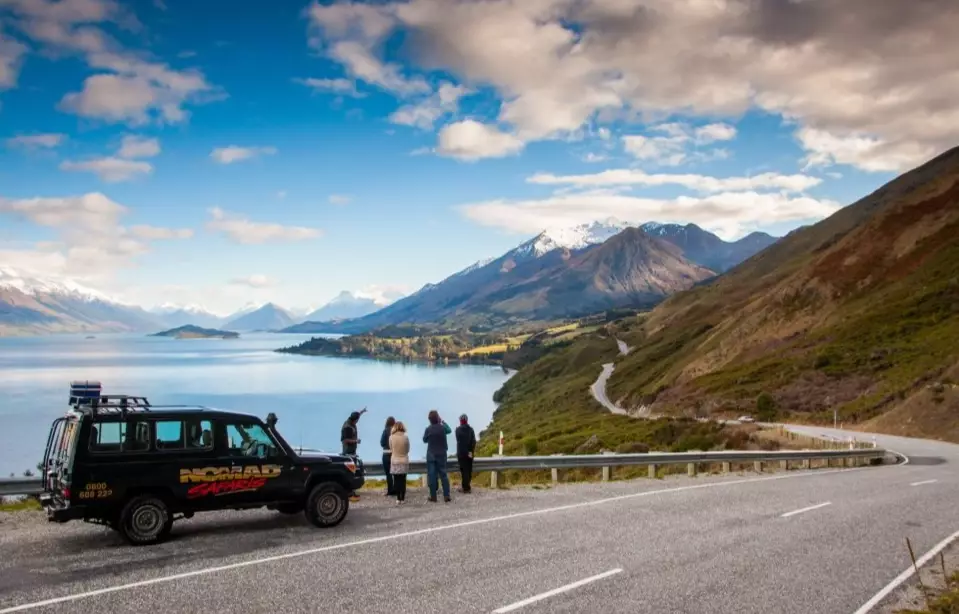
Why? It's simple supply and demand. These months avoid the massive summer tourist rush (December-February) and the popular autumn foliage season (April). The weather is cooler and less predictable, which scares off some travelers—creating opportunity for the savvy ones.
The caveat I mentioned? Airfare is hyper-sensitive to events, school holidays, and even airline sales. A cheap month can suddenly spike if a major conference is booked in Auckland or a new airline route gets delayed. You must be flexible.
Season-by-Season Breakdown: More Than Just Price
To make a smart decision, you need to see the full picture. Here’s what each season really offers, beyond the flight price tag.
| Season | Months | Flight Cost | The Travel Experience | Best For |
|---|---|---|---|---|
| Summer (High Season) | Dec - Feb | Most Expensive | Busy, vibrant, perfect beach & hike weather. All attractions open. Book everything far in advance. | Sun-seekers, festival-goers, first-timers wanting guaranteed weather. |
| Autumn (Shoulder) | Mar - May | Moderate (May is great) | Crowds thin, weather still pleasant. Stunning foliage in Central Otago (April). A local favorite. | Photographers, food & wine lovers (harvest season), relaxed explorers. |
| Winter (Low Season) | Jun - Aug | Cheapest (Aug) | Skiing in the South Island is prime (Queenstown, Wanaka). North Island is milder but rainier. Some alpine hikes closed. | Skiers, snowboarders, budget-focused travelers, those chasing Northern Lights (Aurora Australis in South). |
| Spring (Shoulder) | Sep - Nov | Cheapest (Sep) to Moderate | Unpredictable but beautiful. Wildflowers bloom, baby animals abound. Can be windy. A season of change. | Garden lovers, wildlife watchers, road trippers who don't mind a mix of sun and showers. |
My personal sweet spot? Late September to October. You're catching the tail end of the cheap flights, the crowds are still manageable, and the weather is on an upward trend. You might get a cold snap, but you'll also get glorious, crisp sunny days perfect for hiking.
The North vs. South Island Weather Divide
This is critical. In the cheap winter months (June-August), the climate difference between the islands is stark.
The South Island gets cold. Alpine areas are snow-covered. This is fantastic for ski resorts like Coronet Peak or The Remarkables, but it means famous tracks like the Routeburn or Milford Sound roads can have disruptions. You need to pack for winter and be prepared for itinerary changes.
The North Island (Auckland, Rotorua, Wellington) is much milder in winter. You'll get rain, but temperatures rarely drop to freezing near the coast. This means you can still enjoy geothermal parks, museums, and city life comfortably. A cheap flight in August paired with a North Island-focused trip can be a brilliant, low-stress strategy.
How to Actually Find the Deals: Pro Strategies
Knowing the cheap months is half the battle. Here’s how to win the war and secure the fare.
Use Flexible Date Searches Religiously. Don't just search for a specific week. Tools like Google Flights' "Date grid" or Skyscanner's "Whole month" view are your best friends. A difference of three days can save you hundreds.
Consider Alternative Airports. Flying into Auckland (AKL) is usually cheapest. But check Christchurch (CHC) and even Wellington (WLG). If your plan is to tour the South Island, flying into Christchurch might make more sense overall, even if the flight is slightly more expensive, as you'll save on a costly one-way domestic flight or a long ferry crossing.
Set Price Alerts, But Don't Rely Solely on Them. I set alerts for my target months. But I also check manually once a week. Sometimes a flash sale from an airline like Air New Zealand or a new route from a carrier like Fiji Airways won't trigger your alert perfectly. Be proactive.
The Booking Sweet Spot. For these off-peak months, the prime booking window is typically 2 to 4 months in advance. Airlines are trying to fill seats they know won't go to full-price summer tourists. Waiting for a last-minute deal is risky for international long-haul flights.
One specific mistake I see: people forget to factor in the cost of getting to their own departure airport. A cheap flight from LAX is useless if you have to pay $400 to get to Los Angeles. Always search from your closest major international hub.
Putting It All Together: A Sample Budget Itinerary
Let's make this concrete. Here’s a 10-day framework for a late-September trip, designed to maximize the cheap flight season and spring's advantages.
Focus: South Island's stunning landscapes with manageable weather. Fly into: Christchurch (CHC). Fly out of: Queenstown (ZQN). (This open-jaw tactic avoids backtracking).
- Days 1-3: Christchurch & Arthur's Pass. Recover from the flight in the garden city. Rent a car and drive to Arthur's Pass National Park for day hikes. Accommodation: Budget-friendly motels or a hostel in Christchurch.
- Days 4-6: Drive to Wanaka via Lake Tekapo. This is one of the world's great drives. Stop at Lake Tekapo for the Church of the Good Shepherd and star-gazing (spring nights are clearer). Hike the iconic Roy's Peak track in Wanaka (check for spring track conditions first).
- Days 7-10: Queenstown & Glenorchy. Base yourself in Queenstown. Take a day trip to Glenorchy for the "Lord of the Rings" scenery. Do a paid activity like the Shotover Jet or a Milford Sound day tour (book in advance, even in spring). Fly home from ZQN.
This itinerary uses the shoulder season perks: fewer crowds on the roads and trails, decent hiking weather, and the ability to book activities and mid-range accommodation without a year-long lead time.


Comments
Join the discussion