Let's cut to the chase. The number one question I get asked about traveling to New Zealand is: "How much will it cost per day?" After multiple trips spanning over a decade, from hitchhiking on a shoestring to splurging on luxury lodges, I can tell you the answer is frustratingly simple: it depends. But that's not helpful, is it? So, based on 2024 prices and my own receipts, here's the raw breakdown. Forget generic estimates; we're talking real numbers for accommodation, food, transport, and those unforgettable activities that make New Zealand, well, New Zealand.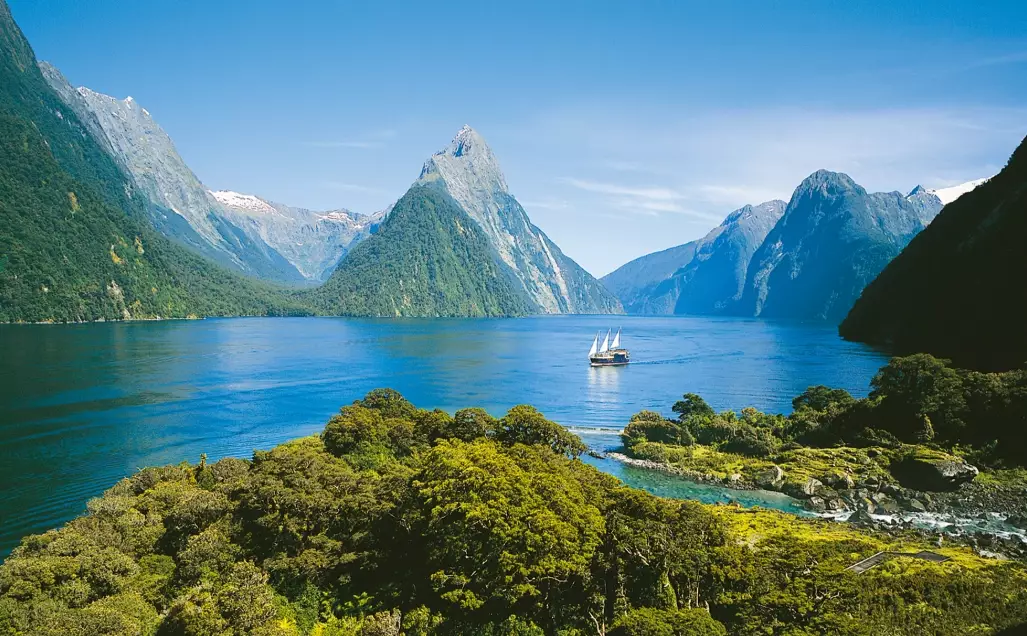
What's Inside This Guide?
How Much Does a Trip to New Zealand Really Cost Per Day?
Most blogs throw out a single number, but that's misleading. Your daily spend in Queenstown will be wildly different from a day on the remote Catlins coast. The biggest mistake first-timers make is underestimating transport and activity costs while overestimating food prices. Let's dissect it.
Accommodation: Your Biggest Fixed Cost
This is where your budget is defined. Prices have climbed post-pandemic, especially in hotspots.
- Hostel Dorm Bed: NZ$35 - $55 per night. A decent dorm in Auckland or Wellington will run you about NZ$45. In peak season (Dec-Feb), book weeks ahead.
- Private Room (Motel/Budget Hotel): NZ$110 - $180 per night. Think chains like Ibis Budget or a classic Kiwi motel. You'll get a clean room, often a kitchenette, and parking. The Jucy Snooze in Christchurch is a fun, pod-style option around NZ$130 for a private pod.
- Mid-Range Hotel/Holiday Park Cabin: NZ$180 - $300 per night. This is your comfortable zone. A standard hotel room in a city or a self-contained cabin at a Top 10 Holiday Park falls here. The Haka Lodge network offers excellent private en-suite rooms around NZ$220.
- Luxury Lodge/Boutique Hotel: NZ$400+. Sky's the limit. A night at a renowned lodge like Blanket Bay near Glenorchy starts around NZ$1,500 per couple.
Food & Drink: You Can Eat Well on Any Budget
New Zealand isn't a cheap eat destination, but it's not Scandinavia either. The secret? Utilize supermarket chains like Countdown or Pak'nSave for self-catering.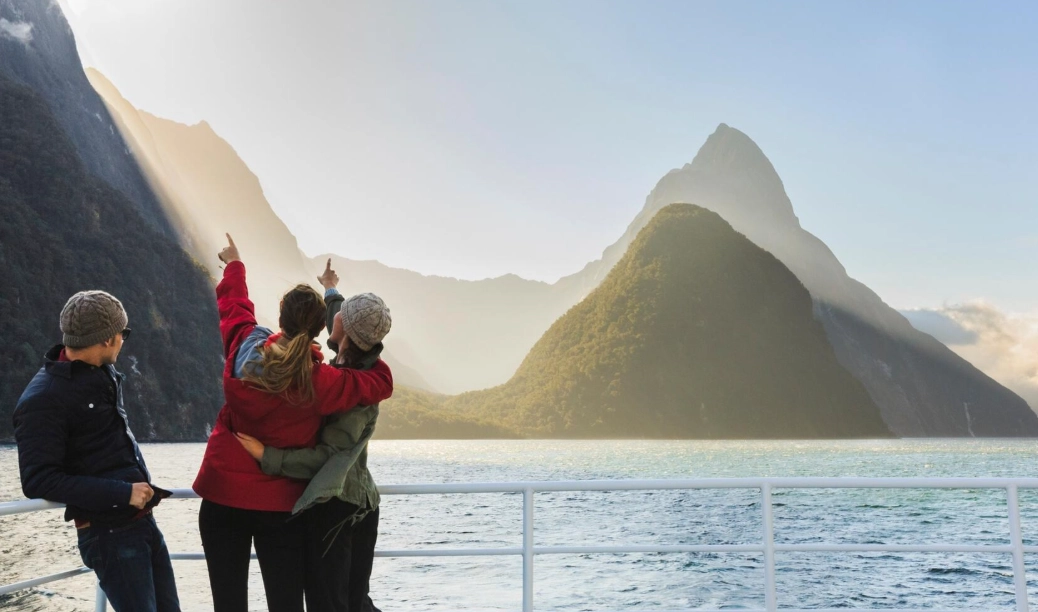
- Self-Catering (Groceries): NZ$15 - $25 per person per day. You can make your own breakfast, packed lunches, and simple dinners. A loaf of bread is NZ$2.50, cheese NZ$8/kg, and fresh local produce is reasonable.
- Café & Casual Dining: NZ$25 - $50 per meal. A flat white costs NZ$5-6. A substantial burger or pasta at a pub is NZ$25-$35. The famous Fergburger in Queenstown? About NZ$18 for a burger. Worth the hype and the queue.
- Restaurant Meal: NZ$40 - $80 for a main course. Fine dining in Auckland or Wellington will be at the higher end. Don't forget a glass of excellent local Sauvignon Blanc adds NZ$12-$15.
Transportation: The Budget Wildcard
This is the make-or-break category. Public transport between cities is limited, so most tourists rent a vehicle.
- Rental Car/Campervan: NZ$50 - $150+ per day. A small car (Toyota Yaris) booked well in advance can be NZ$50/day. In peak season, expect NZ$80+. Add fuel at around NZ$2.40 - $2.70 per litre. A small campervan for two starts around NZ$100/day in shoulder season. Tip: One-way fees can be brutal (NZ$200+), so plan a loop itinerary.
- Intercity Bus (InterCity/GreatSights): NZ$30 - $100 per leg. A bus from Christchurch to Queenstown is about NZ$55 if booked online early. Flexible passes exist but lock you into a schedule.
- Domestic Flights: NZ$80 - $200 one-way. Jetstar and Air New Zealand have sales. Auckland to Christchurch can be snagged for NZ$100 if you're flexible.
- Fuel: Budget NZ$25 - $40 per day of driving, depending on distance.
Activities & Tours: Where the Magic (and Money) Goes
This is why you come. And yes, they're expensive, but often unparalleled.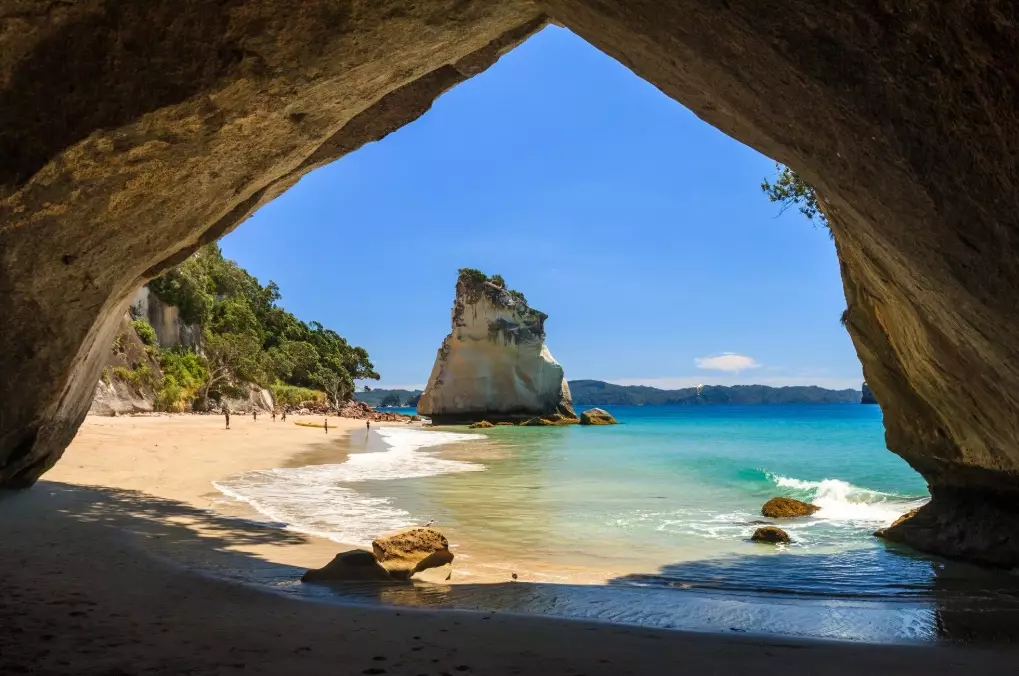
- Free & Low-Cost: Hiking (tramping) is free! National Park entry is often free for pedestrians. Museums like Te Papa in Wellington are donation-based.
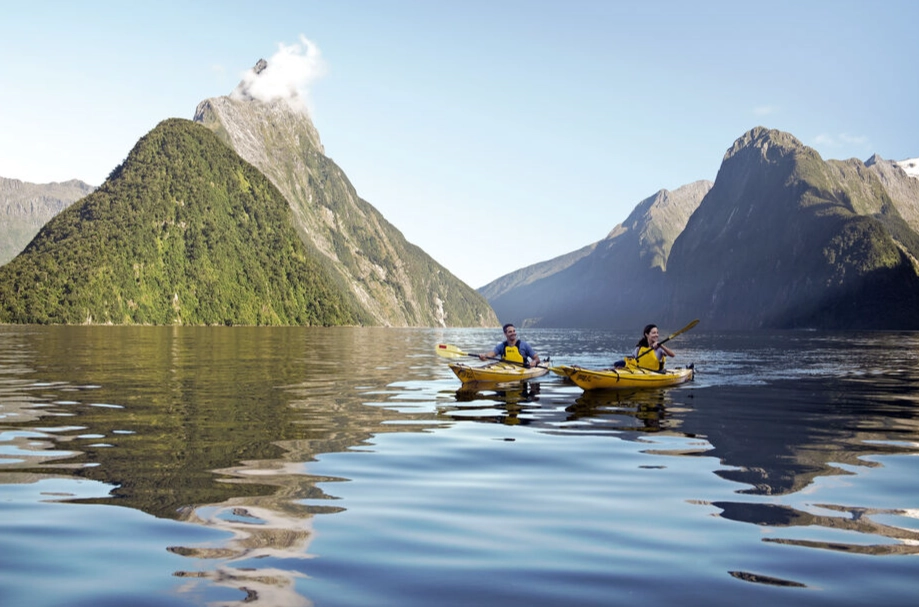
- Mid-Range Tours: NZ$100 - $250. A Milford Sound cruise starts around NZ$85. A half-day kayaking tour in Abel Tasman is NZ$120. The Hobbiton movie set tour is NZ$89.
- Big-Ticket Adventures: NZ$250 - $500+. This is your skydiving (NZ$300+), heli-hiking on a glacier (NZ$500+), or bungy jumping (NZ$200+). The scenic flight over Milford Sound? Priceless, and about NZ$350.
Local Insight: Everyone budgets for the big activities, but they forget the smaller, cumulative costs that bleed your wallet dry: parking in cities (NZ$4-$8/hour), laundry at hostels (NZ$8 per wash/dry), DOC hut passes for multi-day hikes (NZ$15-$25/night), and cafe coffee stops. These easily add NZ$20-$30 to a day you thought was "free."
Three Realistic Budget Levels Per Person, Per Day
Based on the breakdown above, here’s what you’re realistically looking at. These are averages for a solo traveler; couples can save on accommodation, and groups on transport.
| Budget Level | Accommodation | Food & Drink | Transport | Activities | Total Daily Cost (NZD) |
|---|---|---|---|---|---|
| Tight Budget / Backpacker | Hostel dorm (NZ$45) | Self-catering & occasional café (NZ$30) | Bus pass / share rental car (NZ$35) | Free hikes, 1-2 paid tours per week (NZ$20) | NZ$130 - $160 |
| Comfortable Mid-Range | Private motel/hotel room (NZ$180 for two, so NZ$90/person) | Mix of self-catering, cafes, and restaurant meals (NZ$60) | Rental car split between two (NZ$40/person) | Regular paid activities (NZ$70) | NZ$260 - $320 |
| Luxury / No-Holds-Barred | Boutique hotel/lodge (NZ$300+/person) | Restaurants for every meal (NZ$120+) | Premium rental car or domestic flights (NZ$80+) | Multiple premium adventures (NZ$150+) | NZ$650+ |
So, in US dollars (using a rough 1 NZD = 0.60 USD), that's approximately $80-$100, $160-$195, and $400+ per person per day. Remember, these are averages. A day with a heli-hike will blow the mid-range budget, while a rainy day spent driving and cooking might be under budget.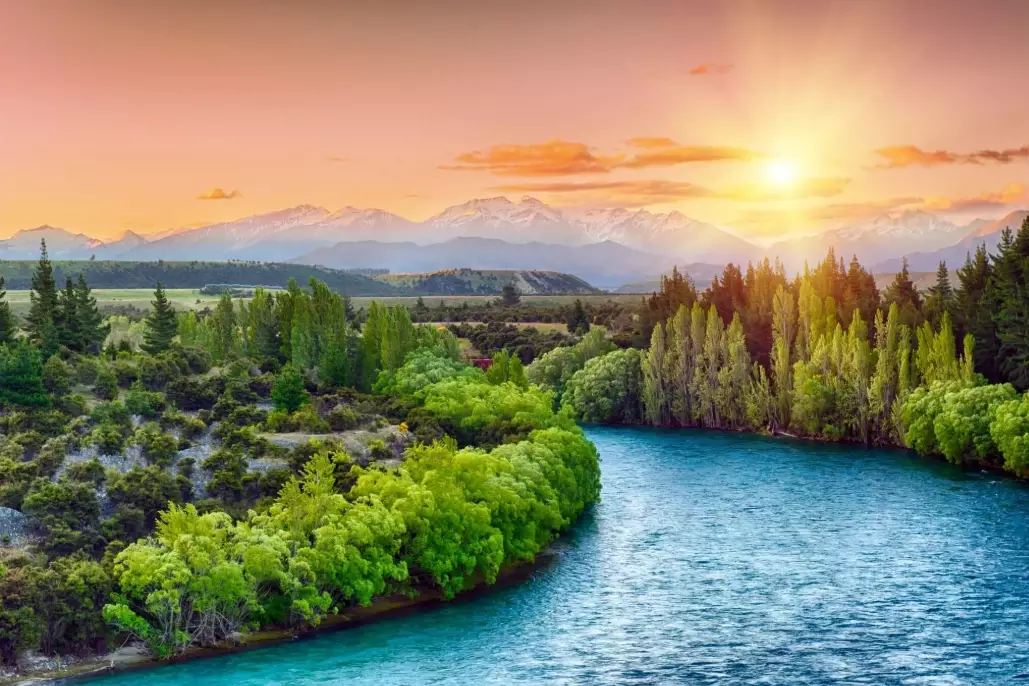
How to Save Money on Your New Zealand Trip
You don't have to miss out to save. It's about smart choices.
1. Master the Art of Self-Contained Travel
Book accommodation with a kitchen. Even luxury apartments often have them. Cooking breakfast and dinner saves a fortune. Pack a lunch for day hikes. A simple cooler bag is a game-changer.
2. Rethink Your Transport Strategy
If solo, seriously consider buses or looking for travel buddies to split car costs. If renting, book your car 4-6 months in advance for peak season. I've seen prices triple closer to the date. Use comparison sites like New Zealand's own rentalcar.co.nz. Consider relocation deals (often $1/day rentals) if you're extremely flexible.
3. Be Strategic with Activities
You can't do everything. Pick 2-3 absolute must-do paid activities and build the rest around free natural wonders. Book major tours online in advance; it's often cheaper. Look for combo deals in places like Queenstown. Sometimes, the view from the hike up the Ben Lomond Track is more stunning than the gondola ride.
4. Travel in the Shoulder Seasons
Avoid December 20 - January 31. Visit in late February-April (autumn) or October-November (spring). The weather is still good, crowds are thinner, and prices for accommodation and cars drop significantly.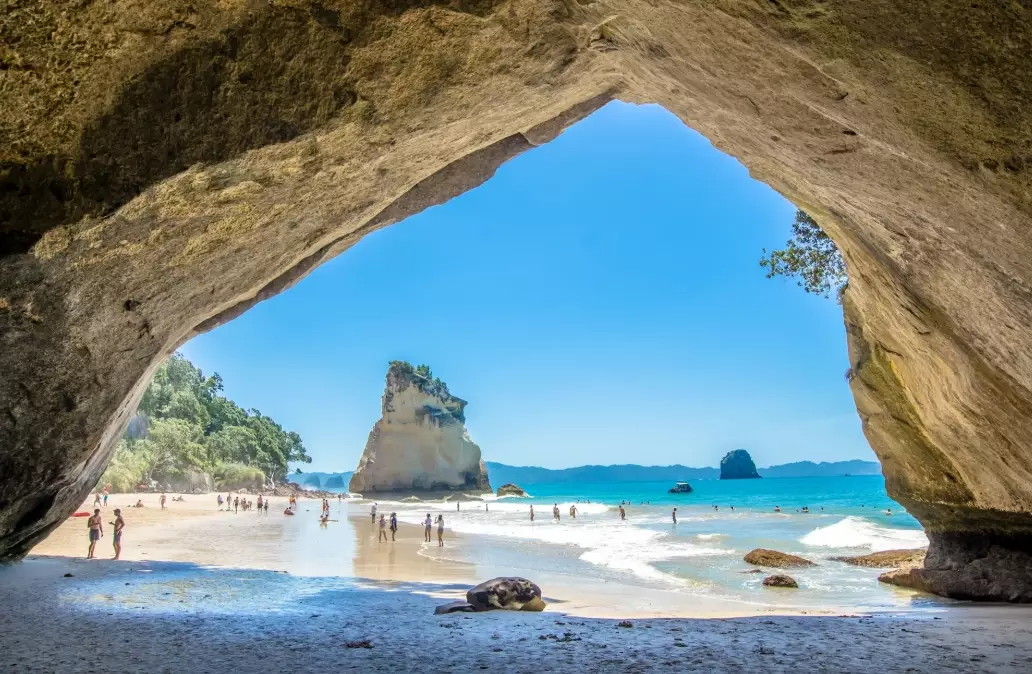
A 10-Day South Island Road Trip: Cost Analysis
Let's make this real. Assume a couple traveling in a rental car in shoulder season, aiming for a comfortable mid-range experience.
- Day 1-2: Christchurch. Pick up rental car (booked early): NZ$65/day = NZ$130. Accommodation (2 nights): NZ$180/night = NZ$360. Food & activities (Botanic Gardens, tram): NZ$150. Running Total: NZ$640.
- Day 3-4: Lake Tekapo & Mt. Cook. Drive & fuel: NZ$120. Tekapo night: NZ$180. Stargazing tour: NZ$100pp = NZ$200. Hooker Valley Track (free). Mt. Cook hostel (splurge on view): NZ$220. Adds NZ$720. Total: NZ$1,360.
- Day 5-7: Wanaka & Queenstown. Drive to Wanaka: NZ$60 fuel. Wanaka 2 nights: NZ$400. Roy's Peak hike (free). Drive to Queenstown: NZ$30. Queenstown 2 nights: NZ$400. Fergburger, lake cruise: NZ$150. One big activity (e.g., Shotover Jet): NZ$300. Adds NZ$1,340. Total: NZ$2,700.
- Day 8-9: Milford Sound & Te Anau. Drive to Te Anau: NZ$80 fuel. Te Anau night: NZ$160. Milford Sound cruise + drive: NZ$200pp = NZ$400. Adds NZ$640. Total: NZ$3,340.
- Day 10: Return to Christchurch. Long drive & fuel: NZ$150. Final night: NZ$180. Adds NZ$330. Grand Total: NZ$3,670.
For two people over 10 days, that's NZ$3,670, or NZ$367 per day for the couple, which is NZ$183.50 per person per day. This fits the lower end of our mid-range budget, proving it's achievable with planning. It includes one big activity, a paid tour, a rental car, and comfortable private rooms.
Your Burning Budget Questions Answered
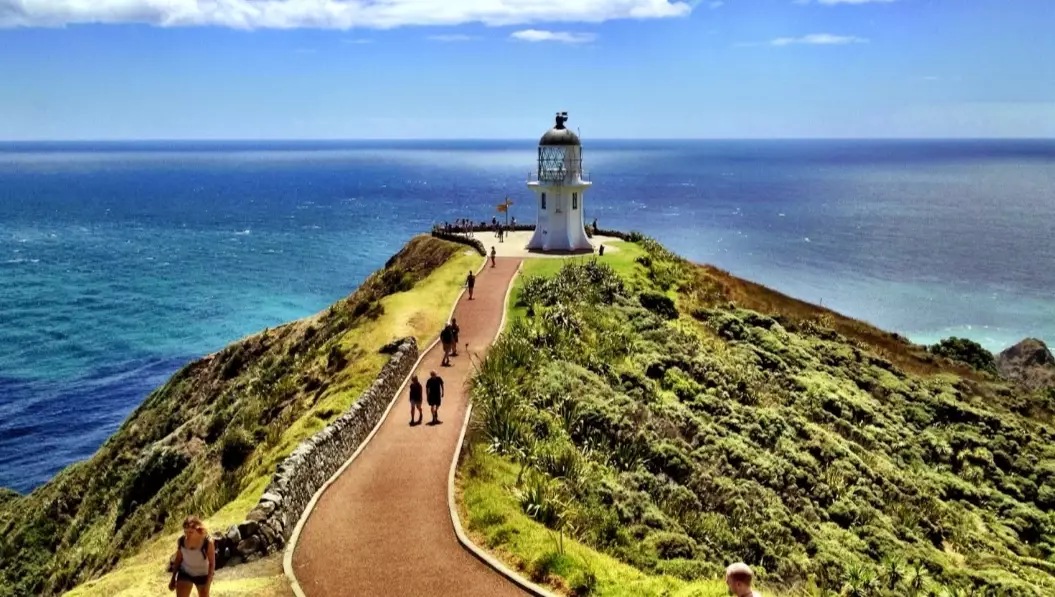 The bottom line? New Zealand's daily tourism cost is significant but manageable with transparency and planning. Don't let the numbers scare you—just let them prepare you. By knowing where your money goes, you can make conscious choices to splurge on what matters most to you, whether that's a skydive over Lake Wakatipu or an extra night in a vineyard cottage. The landscapes are free, and the memories, priceless.


Comments
Join the discussion