Let's clear this up right away: for many travelers, getting a visa for Fiji is refreshingly straightforward. You can often obtain it upon landing. But the phrase "visa on arrival" can be misleading if you don't know the specifics. It's not a universal free pass. Your nationality, the purpose of your visit, and your passport's validity all play a crucial role. I've seen too many travelers get anxious at the airport counter because they only had a vague idea of the rules. This guide will walk you through the exact process, costs, and potential pitfalls, so you can step off that long flight with confidence, not confusion.
What's Inside This Guide?
Who Qualifies for a Fiji Visa on Arrival?
Fiji's visa policy is generally welcoming, especially for tourism. The key is your passport. Citizens from over 100 countries, including the United States, Canada, the United Kingdom, Australia, New Zealand, Japan, South Korea, and most European Union nations, are granted a visa on arrival for stays up to 4 months. You don't need to apply beforehand.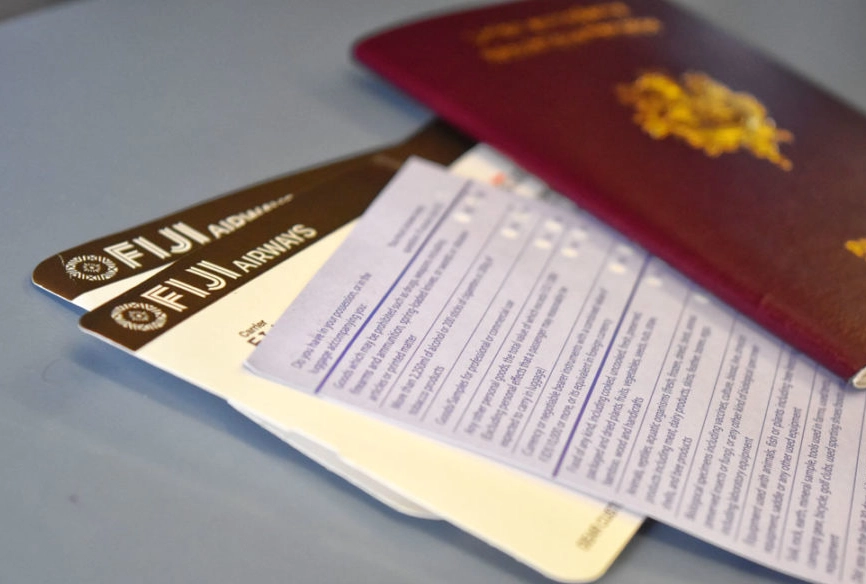
However, there's a critical list of countries whose citizens must apply for a visa in advance through a Fijian embassy or consulate. This isn't a suggestion—it's a requirement. You will be denied boarding by your airline if you try to travel without it. According to the official Fiji Immigration Department, this list includes countries like Nigeria, Ghana, Pakistan, Sri Lanka, and Iraq, among others.
Quick Check: The single most important thing you can do is check the official Fiji Immigration website for the latest list of visa-exempt and visa-required countries. Policies can change, and relying on a two-year-old blog post is a recipe for trouble.
What About Other Types of Visas?
The "visa on arrival" is specifically for tourists and short-term business visitors. If you're planning to work, study, invest, or join family for a long period, you're looking at a different category entirely. These require sponsorship, extensive documentation, and approval from Fiji Immigration well before your travel date. Don't assume you can sort it out at the border.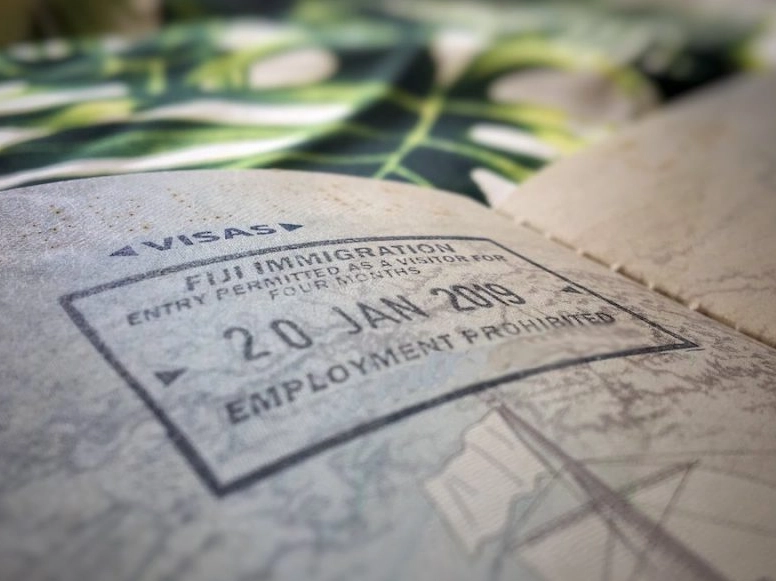
The Step-by-Step Process at Nadi or Suva Airport
Knowing what to expect removes 90% of the stress. Here’s exactly what happens after your plane touches down in Fiji, based on countless arrivals at Nadi International Airport (the main entry point).
The Two-Step Process: Arrival Card & Immigration Counter
Step 1: Fill Out the Arrival Card. Before you reach the queue, flight attendants will distribute Fiji Immigration Arrival Cards. Fill this out completely on the plane. You'll need your passport, flight details, and the address of your first night's accommodation (a hotel confirmation works perfectly). Pro tip: Carry a pen in your hand luggage. Fumbling for one while everyone else moves ahead is an annoying way to start.
Step 2: Present Yourself at Immigration. Join the line for "Foreign Passports." When it's your turn, hand over your passport and the completed arrival card. The officer will likely ask a few simple questions: "Purpose of your visit?" (Tourism), "How long are you staying?" and "Where are you staying?" Answer clearly. They will then stamp your passport with the visa, which states your permitted length of stay. The whole interaction usually takes under two minutes if your documents are in order.
Avoid This Mistake: Some travelers think the visa is a separate piece of paper or sticker they need to collect and pay for at a separate counter. It's not. The stamp in your passport is the visa. The process is integrated into the standard immigration clearance. If someone directs you to a separate "Visa Payment" counter before you've seen an immigration officer, you're likely in the wrong line (that might be for something else, like a departure tax for residents).
The Non-Negotiable Documents You Must Have
While the process is simple, immigration officers have the discretion to ask for supporting documents. Coming prepared is the mark of a savvy traveler. You should have these items readily accessible (not buried at the bottom of your checked suitcase):
- A Passport Valid for 6+ Months: This is non-negotiable. Your passport must be valid for at least six months beyond your intended departure date from Fiji. Check it now.
- Proof of Onward or Return Travel: You must show a confirmed ticket leaving Fiji. This can be a return flight home or a ticket to another country you have permission to enter.
- Proof of Sufficient Funds: They need to know you can support yourself. This could be recent bank statements, a credit card with a high limit, or even a modest amount of cash (I'd suggest having at least FJD $500 per person, or equivalent in USD, as a tangible backup).
- Confirmed Accommodation Details: Have the address and booking confirmation for your first few nights. If staying with friends/family, have their contact details and address.
In my experience, officers rarely ask for the funds or accommodation proof from citizens of low-risk countries if everything else seems in order. But if your travel plans seem vague or your stay is unusually long, they will. It's always better to have it and not need it.
Visa Cost, Duration of Stay, and Extension Rules
Here’s the good news: for most eligible nationalities, the tourist visa issued on arrival is free of charge for the initial period. You are not paying for the visa stamp itself.
The standard grant is for a stay of up to 4 months (120 days). The officer will write an expiry date in the stamp. Don't confuse this with the 4-month rule—it's not automatically 4 months for everyone; they can grant a shorter duration based on their assessment of your itinerary.
What If You Want to Stay Longer?
You can apply to extend your visitor visa while you're in Fiji. This must be done before your original visa expires. You'll need to visit the Immigration Department office in Suva or Lautoka, provide a reason for the extension (tourism is acceptable), and show proof of continued funds and possibly an onward ticket. Extensions are not guaranteed and involve a fee.
| Visa Aspect | Details & Notes |
|---|---|
| Initial Cost (Tourist Visa) | Free for eligible passport holders. |
| Standard Duration | Up to 4 months (as endorsed in passport). |
| Extension Possible? | Yes, apply in-country before expiry. |
| Extension Fee (Approx.) | Around FJD $93 (subject to change). |
| Proof of Funds (Guideline) | FJD $1000 per person for a one-month stay, or equivalent accessible funds. |
Common Misconceptions and Expert Tips
After talking to dozens of travelers and observing patterns, here are the subtle errors I see repeatedly.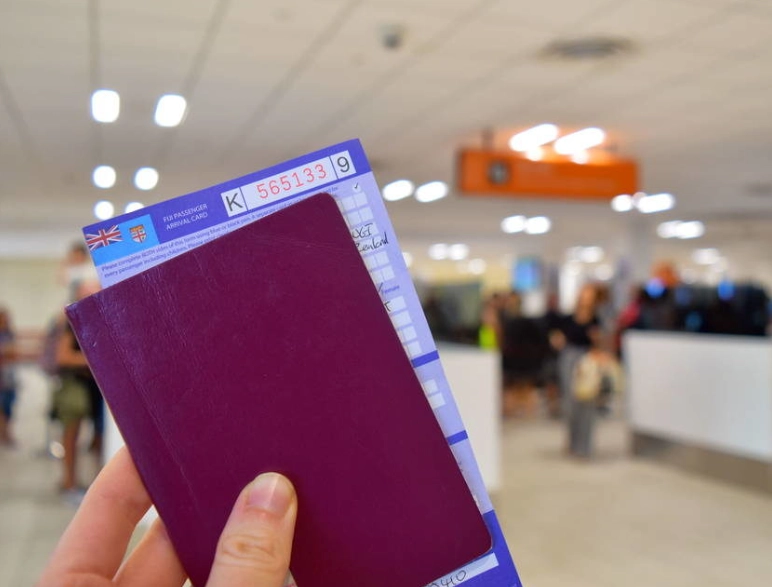
Misconception 1: "Visa on arrival" means guaranteed entry. It's a permission to apply for entry at the border. The final decision rests with the immigration officer. If you can't satisfy the basic requirements (return ticket, funds), you can be denied entry and put on the next flight out at your expense.
Misconception 2: The rules never change. They do. For instance, during the COVID-19 pandemic, the standard 4-month grant was temporarily reduced. Always check the Tourism Fiji or Immigration Department website a few weeks before your trip for any updates.
Expert Tip: The "Connecting Flight" Trap. Let's say you're flying from the US to Australia with a 20-hour layover in Fiji. You think, "I'll just pop out and see the island." This requires you to clear immigration and get a visa. That's fine if you're eligible. But you must meet all the standard entry requirements, including a ticket out of Fiji. Your onward ticket to Australia qualifies. However, ensure your layover is long enough to go through the process twice (in and out).
Personal Advice: I always recommend printing physical copies of your key documents—flight itinerary, hotel bookings, and even bank statements. Phone batteries die, airport Wi-Fi is unreliable, and a small folder of papers is the most robust backup you can have. It also speeds things up if you're asked.
Your Fiji Visa Questions, Answered
Final thought: The Fiji visa on arrival process is designed to be efficient for tourists. The bureaucracy is minimal compared to many destinations. By understanding the simple rules—check your passport validity, have a return ticket, know where you're staying for the first night—you'll sail through immigration and be sipping a welcome drink on the Coral Coast before you know it. Your biggest worry should be which island to visit first, not your visa status.




Comments
Join the discussion