The short answer is a resounding yes. You can absolutely still visit Antarctica. But the more important question isn't about permission—it's about how to do it right, responsibly, and without breaking the bank (or the ecosystem). The myth that Antarctica is "closed" persists, likely mixed up with news about scientific protocols and climate change. In reality, tourism is a regulated but active industry, with around 50-60 ships making the journey each austral summer.
I've been down there twice, once on a mid-range expedition ship and later consulting for a polar operator. What most first-timers get wrong isn't the packing list—it's misunderstanding the sheer logistical ballet required to set foot on the continent and the ethical tightrope you walk as a visitor.
Your Antarctic Journey at a Glance
- How to Get to Antarctica: Your Only Real Option
- How Much Does an Antarctica Trip Really Cost?
- Choosing the Right Antarctica Itinerary for You
- The Realities of Visiting Antarctica: What They Don't Always Tell You
- Your Antarctica Packing List: Beyond the Basics
- Frequently Asked Questions About Visiting Antarctica
How to Get to Antarctica: Your Only Real Option
Let's be brutally honest: you cannot book a flight to an Antarctic airport and grab an Uber to your hotel. There are no hotels. Independent travel is virtually impossible and strongly discouraged by the Antarctic Treaty System. Your gateway is a specialized expedition cruise ship departing from South America.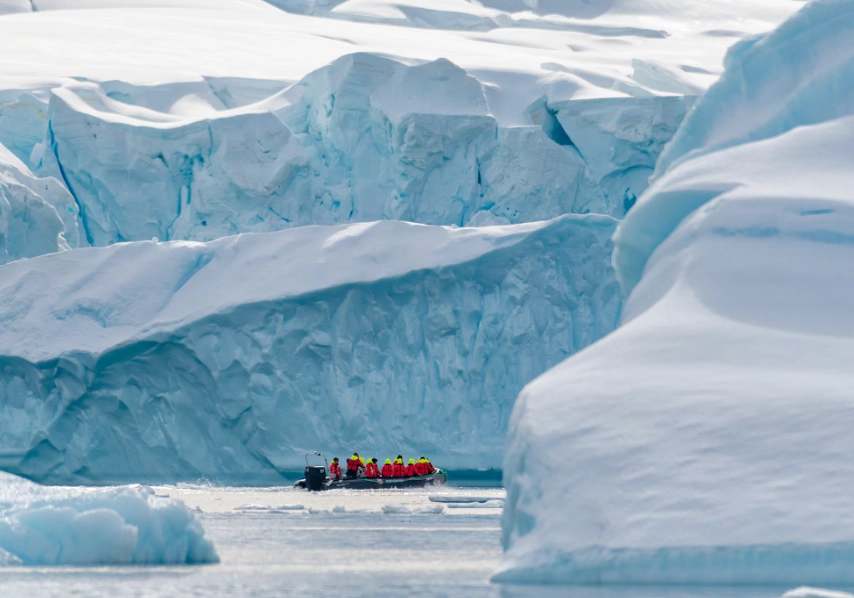
The Two Main Departure Hubs:
- Ushuaia, Argentina: The overwhelming majority of trips (90%+) leave from here. It's called the "End of the World" for a reason. You'll need to fly into Buenos Aires, then take a domestic flight to Ushuaia (USH). Budget a full day for travel connections. The Drake Passage crossing from here takes about 2 days each way.
- Punta Arenas, Chile: Some itineraries, especially fly-cruise options that avoid the Drake Passage, depart from here. You fly from Punta Arenas to King George Island on a chartered plane. It's faster but more expensive and weather-dependent.
You must book through an International Association of Antarctica Tour Operators (IAATO) member company. This isn't a suggestion—it's a requirement for responsible travel. IAATO sets the strict guidelines for visitor numbers, wildlife interaction, and biosecurity. Before booking, verify the operator's IAATO membership on their official website.
No membership, no go.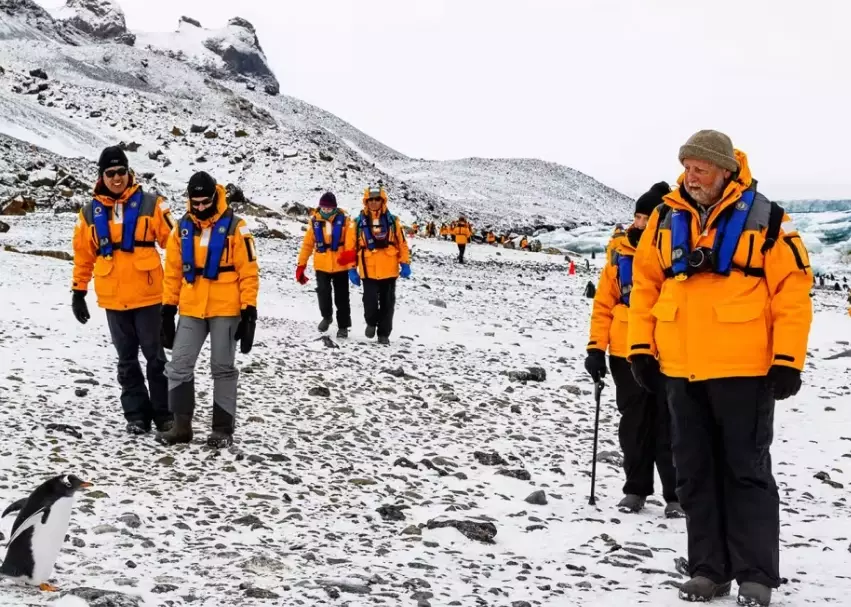
How Much Does an Antarctica Trip Really Cost?
This is the big one. Antarctica is not cheap, but the price range is wider than you think. I see too many people look at the $15,000 brochure price and give up. Look closer.
Costs break down into three chunks: the cruise fare, flights to South America, and gear/incidentals.
| Trip Component & Cabin Type | Price Range (USD per person) | What You're Really Paying For |
|---|---|---|
| Budget / Triple Cabin | $5,000 - $7,500 | Last-minute deal or basic shared cabin. Often smaller, older ships. Still includes all meals and landings. |
| Standard Twin Porthole | $8,000 - $12,000 | The most common option. A windowless or porthole cabin on a solid expedition vessel with expert guides. |
| Balcony / Superior Cabin | $13,000 - $20,000+ | Private balcony, more space, often on newer ships. Includes premium amenities. |
| Fly-Cruise Package | $12,000 - $25,000+ | Avoids the Drake Passage by flying to/from King George Island. Saves time (4 days) but at a premium. |
| Flights (to/from Buenos Aires or Santiago) | $1,000 - $2,500 | From North America/Europe. Book early for better rates. |
| Mandatory Gear & Insurance | $500 - $1,500 | Waterproof pants, boots (often rented), parka (often provided), comprehensive travel insurance. |
The hidden secret? Last-minute deals in Ushuaia. If you have extreme flexibility, you can sometimes find berths for 30-50% off 2-6 weeks before departure. It's a gamble, but I've seen it work. You need to be physically in Ushuaia and ready to go.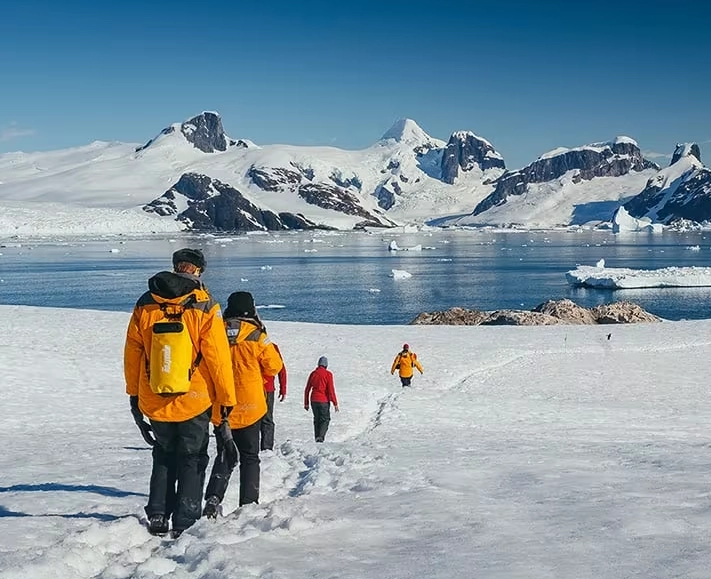
Pro Tip Most Blogs Miss: Don't just compare cabin price. Compare the ship's ice class and passenger capacity. A stronger ice class (like PC6 or 1A) means more landing site options in tricky conditions. Ships under 200 passengers guarantee everyone can land at once (IAATO rule). Ships over 500 are much cheaper but must rotate landings—you might get less time ashore.
Choosing the Right Antarctica Itinerary for You
Not all Antarctic trips are the same. The classic "Antarctic Peninsula" trip is just the introduction. Your choice depends on time, budget, and what you want to see.
The Classic Antarctic Peninsula (8-12 days)
This is the standard. You cross the Drake, explore the Gerlache Strait, see penguin colonies (Gentoo, Chinstrap, Adélie), maybe Deception Island. It's spectacular and manageable. Perfect for first-timers. You'll get 2-4 landings or zodiac cruises per day if weather allows.
Crossing the Antarctic Circle (12-15 days)
This goes further south, past 66°33' S. It feels more adventurous, with more sea ice and a higher chance of seeing fewer ships. The bragging rights are real, but it adds more sea days. Weather is more unpredictable.
Falklands & South Georgia (18-22 days)
This is the ultimate wildlife pilgrimage. South Georgia is where you see hundreds of thousands of king penguins and massive elephant seal beaches. It's more expensive and involves many more days at sea, but for wildlife enthusiasts, it's incomparable. The Antarctic Peninsula part can feel like an afterthought.
I made the mistake on my first trip of not prioritizing the ship's lecture team. On a good expedition, the naturalists, historians, and marine biologists turn transit days into fascinating classrooms. That expertise is what transforms a pretty cruise into a life-changing understanding of the place.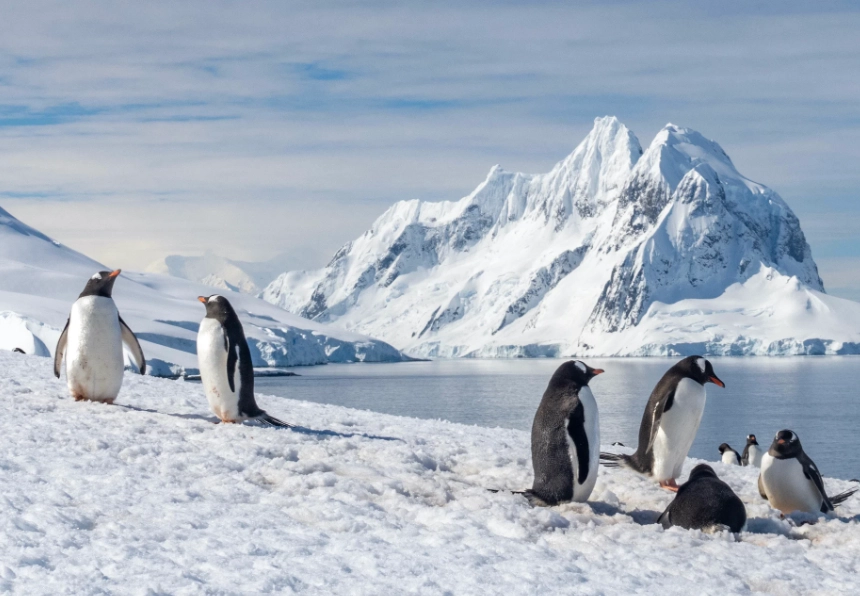
The Realities of Visiting Antarctica: What They Don't Always Tell You
The brochures show sunny skies and calm waters. Reality is messier.
The Drake Passage can be the "Drake Shake" or the "Drake Lake." You have a 50/50 chance of getting seriously seasick. Pack medication, patches, or ginger—and take it before you feel ill. The ships have stabilizers, but they're not magic.
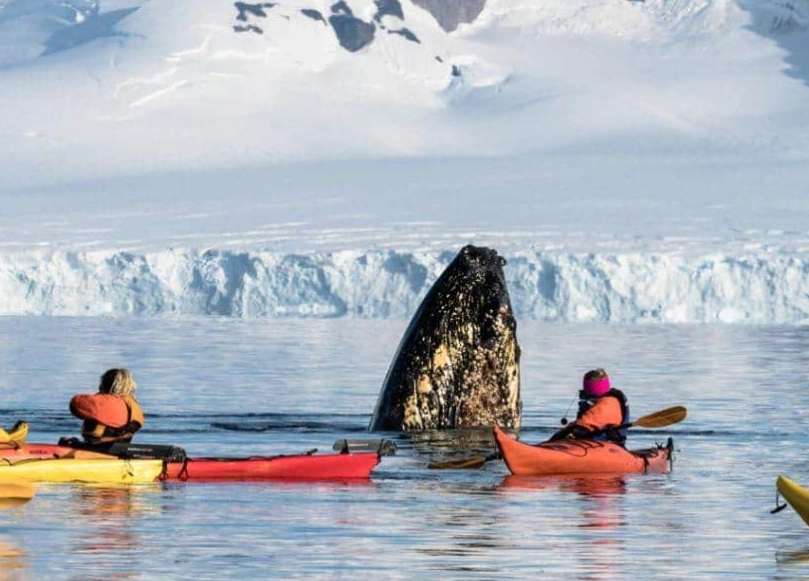
Weather is the boss. An itinerary is a wish list, not a schedule. High winds can cancel a landing in minutes. I've had a perfect kayaking session canceled while gearing up. Flexibility isn't just a virtue; it's the rule. The best operators communicate changes clearly and have backup plans.
You are a visitor in a place that doesn't need you.
The environmental footprint is the elephant in the room. Every visitor has an impact, full stop. The best you can do is minimize it: choose a smaller ship, an operator with a clear sustainability policy (like advanced wastewater treatment), follow all biosecurity protocols (scrubbing boots, vacuuming bags), and respect the 5-meter rule from wildlife. Don't be the person trying to get a selfie with a penguin.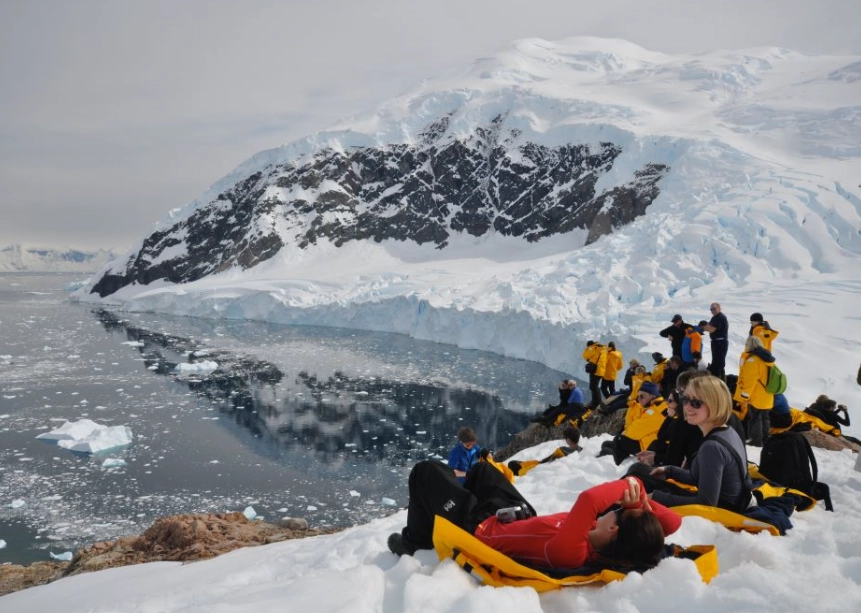
Your Antarctica Packing List: Beyond the Basics
Forget fancy clothes. It's all about technical layers. The ship will provide a heavy parka (keep it) and loan boots. Your job is the rest.
- Base Layers (Merino Wool): Two sets. Avoid cotton—it gets wet and stays cold.
- Mid Layers (Fleece or Puffy): A warm fleece and a lightweight down/synthetic jacket for under your parka.
- Waterproof Pants (Bib Style): Non-negotiable. You'll be kneeling in penguin guano and snow during zodiac landings. Bibs prevent cold water from going down your back.
- Waterproof Gloves & Liners: Two pairs. One will get wet.
- Seasickness Remedy: Your preferred method. Test it beforehand.
- High SPF Sunscreen & Lip Balm: The ozone hole is real. The reflection off ice and water will burn you badly.
- Power Bank & Extra Memory Cards: You'll take thousands of photos. Outlets in cabins can be limited.
- Swimsuit: For the polar plunge! A moment of madness you'll never forget.
Frequently Asked Questions About Visiting Antarctica
So, can you still visit Antarctica? You can, and you should—if you're prepared to do it thoughtfully. It's not a casual beach holiday. It's a commitment of time, money, and a certain mindset. You go to witness, not to conquer. The silence of a calving glacier, the chaos of a penguin highway, the sheer scale of it all recalibrates your perspective. Book with an operator that respects the place as much as you want to, pack your sense of wonder alongside your waterproofs, and you'll have an answer to that question that goes far beyond a simple yes.



Comments
Join the discussion