Let's cut to the chase. The average cost of an African safari is about $500 to $1,500 per person, per day. But that's like saying the average car costs between a bicycle and a Ferrari. It's true, but useless for planning.
I've been planning safaris for over a decade, and the single biggest mistake people make is using that "average" to budget. It leads to shock. Your final number depends on choices you haven't even thought about yet—like whether you mind sharing a vehicle with strangers, or if you need a hot shower after a game drive.
After my first safari in the Serengeti, where I learned the hard way about "conservation levies" (a fancy term for an extra $80 a day), I realized you need a framework, not just a range.
So, let's build that framework. We'll move from the basic budget-busters to a clear system you can use to plan your trip without nasty surprises.
Your Safari Cost Roadmap
What Factors Determine the Cost of an African Safari?
Think of these as the dials on your safari cost control panel. Turn one up, and the price changes.
1. The Country & Region
This is the biggest dial. East Africa (Kenya, Tanzania) is generally more affordable for classic, vehicle-based wildlife viewing. Southern Africa (South Africa, Namibia, Zambia) offers great variety and self-drive options. Then there's the high-end tier: Botswana, Rwanda, and Zimbabwe's Mana Pools operate on low-volume, high-cost tourism models. A day in Botswana's Okavango Delta can cost triple a day in Kenya's Samburu.
2. Season: Green vs. Dry
Peak dry season (July-October) is prime wildlife viewing—water is scarce, animals congregate, and prices are at their highest. The green or rainy season (November-March, excluding Christmas) offers lush landscapes, birding, and lower prices—sometimes 30-40% less. The shoulder seasons (April-June) are a sweet spot for value.
3. Type of Accommodation
This is where budgets truly diverge.
Lodges: Permanent brick-and-mortar buildings. Range from simple to ultra-luxurious.
Tented Camps: My personal favorite. These aren't flimsy tents; they're spacious canvas rooms on platforms, often with full bathrooms and decks. They split into seasonal (moved annually) and permanent camps.
Mobile Tented Safaris: The camp moves with you. Offers incredible wilderness immersion at a mid-range price.
Hostels & Camping: Available in public park rest camps (like Kruger). You provide or rent gear.
4. Safari Style: Private, Small Group, or Overland
Who you share the Land Cruiser with matters. A private safari means your own vehicle, guide, and itinerary. It's expensive but flexible. A small-group joining safari (4-6 people) shares costs. An overland truck tour is the most budget-friendly, but you're with 20+ people and it's more about transport than curated wildlife viewing.
5. Getting Around: Flying vs. Driving
Driving between parks is time-consuming but cheaper. Flying on small charter planes between bush airstrips is a huge time-saver and offers breathtaking views, but it can add $500-$1,500 per person to your itinerary. In remote areas like the Okavango, flying is often the only practical option.
6. The "Extras" That Aren't Really Extra
These are the line items that get glossed over. Park entry fees and conservation levies can be $70-$150 per person, per day. In Rwanda for gorilla trekking, the permit alone is $1,500. Always ask for a full fee breakdown.
Pro Tip: The term "all-inclusive" in safari lingo usually means accommodation, all meals, twice-daily game drives, and sometimes local drinks. It rarely includes premium alcohol, gratuities, park fees, or international flights. Read the fine print.
Safari Price Ranges Explained: From Backpacker to Billionaire
Here’s a more helpful table. These are per person, per day averages for in-country costs (excluding international flights), based on 2024 market rates from operators like &Beyond, Wilderness Safaris, and local ground handlers.
| Safari Tier | Daily Cost (Per Person) | What You Can Expect | Best For |
|---|---|---|---|
| Budget / Economy | $150 - $350 | Public campsite or basic hostel dorm; self-catering or simple meals; self-drive or large overland group; public park access (Kruger, Etosha). | Adventurous solos, students, backpackers prioritizing travel time over comfort. |
| Value / Mid-Range | $350 - $700 | Comfortable permanent tented camps or lodges; en-suite bathrooms; shared game drives in 4x4 (6-7 people); all meals included; guides from reputable companies. | First-time safari-goers, couples, families wanting comfort and reliable wildlife viewing without extravagance. |
| Luxury | $700 - $1,200 | High-end lodges or boutique tented camps; stunning locations; private vehicles common; premium food and drink; extras like spa or guided walks. | Special occasions, honeymoons, travelers seeking exclusivity and top-tier service. |
| Ultra-Luxury / Exclusive | $1,200 - $2,000+ | Iconic camps in private concessions (Singita, Royal Malewane); absolute privacy; helicopter transfers; specialist guides (photography, tracking); butler service. | Discerning travelers for whom cost is secondary to a once-in-a-lifetime, flawless experience. |
See the problem with "average" now? A 7-day trip could be $1,050 or $14,000 per person, and both are "average" in their category.
Most of my clients end up in the $400-$600 per day range. It’s the sweet spot where you get a genuine, comfortable, and memorable safari without the guilt of overspending or the discomfort of roughing it unnecessarily.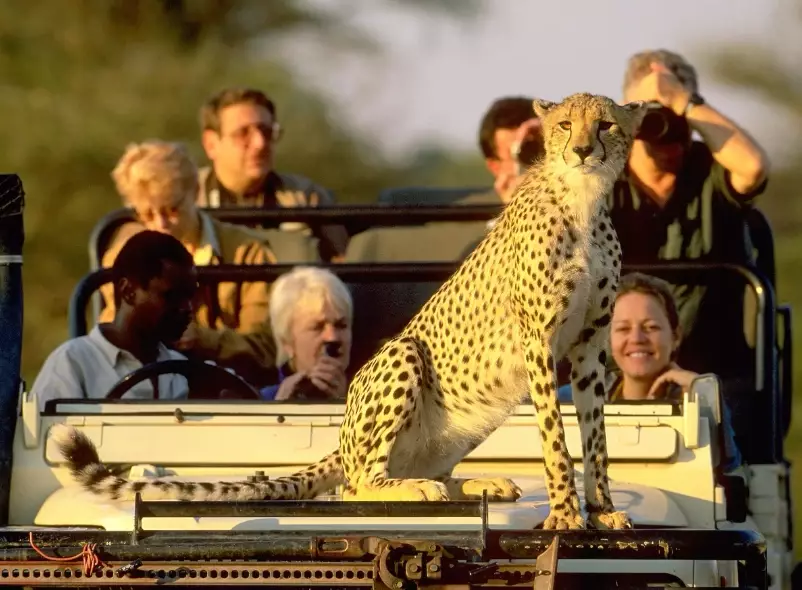
How to Budget for Your Safari: A Practical Framework
Let's build a real budget for a hypothetical 10-day trip for two to Kenya and Tanzania, flying between a few camps. This is a common and fantastic itinerary.
- International Flights: From North America/Europe to Nairobi. $1,200 - $2,000 per person. Book 4-6 months out for deals.
- In-Country Safari Cost: Let's choose mid-range. $500 per person per day x 10 days = $5,000 per person. This should cover lodges, all meals, shared game drives, park fees (confirm this!), and internal flights or long drives.
- Pre/Post Safari Nights: One night in Nairobi before and after. $150-$300 for a nice hotel and dinner.
- The "Hidden" Buffer (15% Rule): Add 15% of your total for: Tips ($25-$40/day), premium drinks, souvenirs, unexpected fees. For a $10,000 safari cost, that's $1,500.
- Travel Insurance: Non-negotiable. Get a policy that covers medical evacuation from the bush. ~$200-$400 per person.
Rough Total for Two People: (2x Flight $3,000) + (2x Safari $10,000) + (City Hotel $400) + (Buffer $1,500) + (Insurance $600) = $15,500.
That's a realistic number for a fantastic, comfortable, two-country trip. You can scale it up or down from there.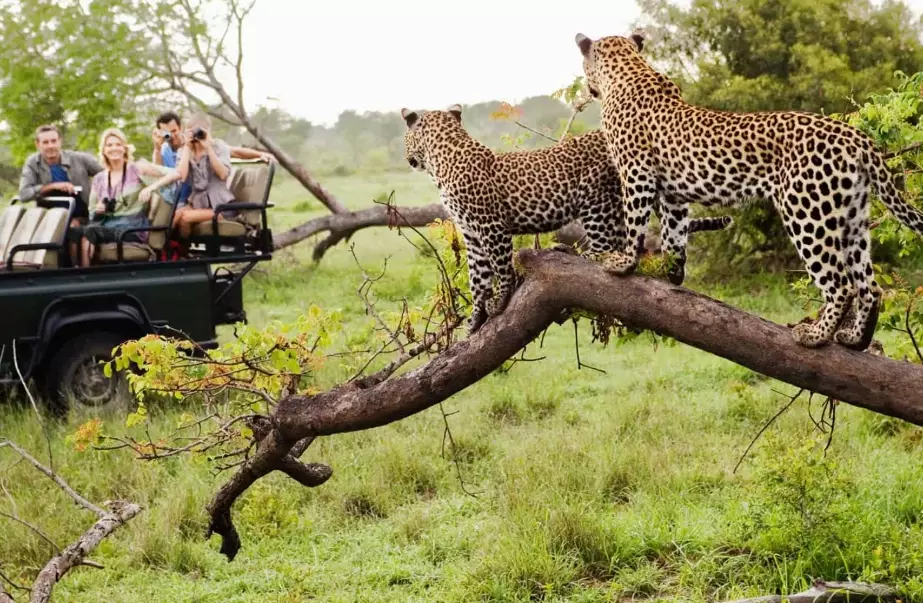
Where Can You Actually Save Money on a Safari?
Cutting cost doesn't mean cutting experience, if you're smart.
Choose your season wisely. Travel in November or late March. You might get a brief shower, but you'll have the parks almost to yourself and save a fortune.
Consider a "group joining" safari. Reputable companies fill vehicles with solo travelers or couples. You share the car but get the same guide and itinerary as a private group for 30% less.
Focus on one country or region. Less time and money spent on internal flights or long drives. South Africa's Kruger region or northern Tanzania (Serengeti, Ngorongoro) offer incredible density.
Book directly with a reputable local operator. Cutting out the Western middleman can save you 15-20%. Do your homework—check reviews on SafariBookings or TripAdvisor. I've had great results with local operators in Kenya and Zambia.
Skip the champagne. Stick to the included local beers, house wines, and gin & tonics. The sundowner is about the view, not the vintage.
One thing NOT to skimp on: Your guide. A great guide turns a good safari into an epic one. They find the wildlife, explain behavior, and keep you safe. This is where mid-range and luxury safaris truly differentiate themselves. A cheap safari often means a junior guide.
Your Safari Cost Questions Answered
So, what's the average cost? It's the cost of the safari you design. Start with your non-negotiables—maybe it's seeing the Great Migration or having a private vehicle for photography. Then, use the factors here to adjust the other dials until the number fits your life.
Don't get hung up on the per-day average. Focus on the total trip cost that delivers the experience you want. A well-planned safari isn't an expense; it's an investment in memories that literally last a lifetime. I've never had a client regret spending a bit more for the right trip, but I've heard plenty of regrets about cutting too many corners.
Now you have the map. Time to start planning.
Comments
Join the discussion