Let's cut to the chase. There is no single "best" month to visit Australia. Anyone who gives you a one-word answer is oversimplifying a continent. The real question is: what's the best time for YOUR Australian adventure? The answer changes dramatically if you're dreaming of diving the Great Barrier Reef, hiking in Tasmania, exploring the Red Centre, or hitting the Sydney beaches.
I learned this the hard way. My first trip was in January, lured by images of a sunny Christmas. I got the sun, alright—along with a heatwave in Melbourne that grounded flights, peak prices everywhere, and a crowded Uluru walk at 5 AM. It was still amazing, but it taught me that timing here is about strategy, not just weather.
Your Quick Guide to Australian Seasons
Here's the thing: Australia's seasons are flipped from the Northern Hemisphere, and its climate zones are wildly diverse. Planning requires looking at a regional map, not just a calendar. This guide will break it down by season, then by month, so you can match your dream itinerary with the perfect window.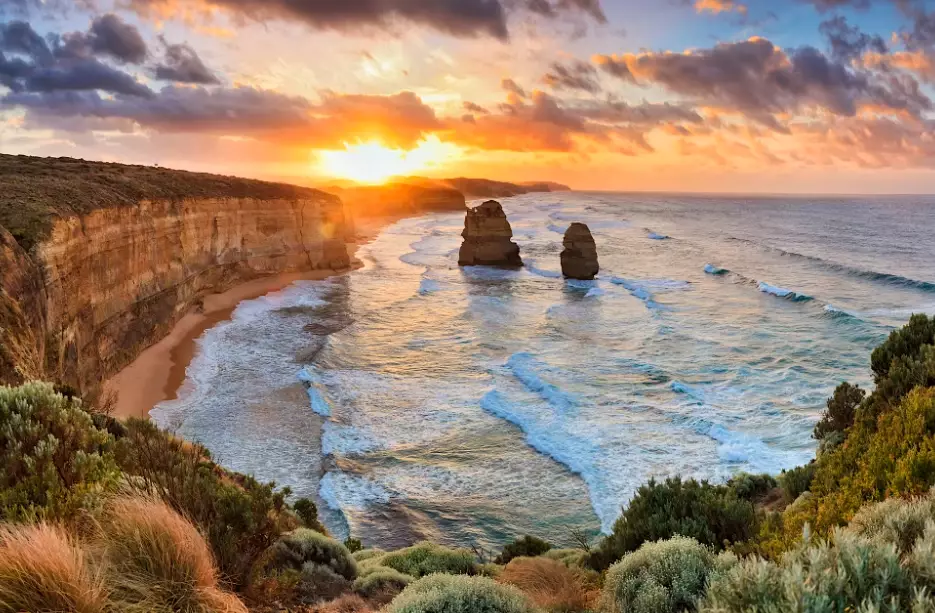
Summer (December-February): Peak Sun, Peak Crowds
This is Australia's high season. School's out, holidays are on, and the cities buzz with energy. It's also the most expensive and crowded time to visit.
December: Festive Kick-off
Early December can be a smart move—you catch the start of summer vibes and Christmas decorations without the peak holiday rush (which kicks in around Dec 20). Sydney's Carols in the Domain and Melbourne's Christmas projections are magical. Book everything well in advance.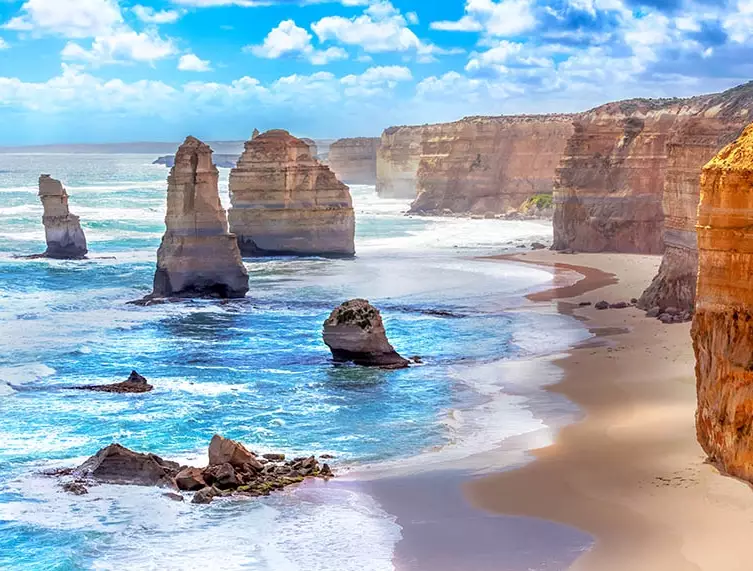
January & February: Full Swing
This is beach time in the south. The Australian Open tennis in Melbourne (January) is a huge draw. It's also the best time for southern coastal road trips (Great Ocean Road, South Australia's wine regions). But be prepared for premium prices and booked-out tours. In the tropics, it's the height of the wet season.
Autumn (March-May): The Secret Winner
If I had to pick a favourite, it's autumn. This is the shoulder season goldmine. The weather is mellowing—warm, sunny days and cooler nights. The summer crowds have dissipated, and prices begin to relax.
The landscapes, especially in Victoria's High Country and New South Wales, turn stunning shades of gold and red. It's wine harvest season in the Barossa and Margaret River, meaning festivals and fresh produce. It's also an excellent time for outdoor adventures anywhere south of Brisbane—hiking, city exploring, even the Outback (Uluru) is moving into pleasant territory.
May, in particular, is a standout. The water in the south might be getting chilly for swimming, but for sightseeing, it's hard to beat.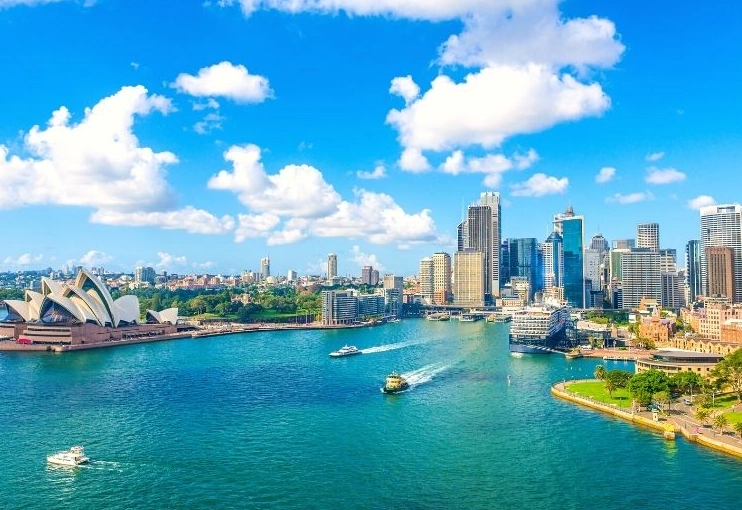
Winter (June-August): Don't Write It Off
Australian winter is nothing like a European or North American one. In the southern cities (Sydney, Melbourne, Perth), you're looking at crisp, sunny days (averaging 10-18°C / 50-64°F) and cold nights. It rarely snows in the city centres. It's the perfect urban exploring weather.
Critically, winter is the dry season in the tropical north and the Red Centre. This is the absolute best time to visit:
- The Great Barrier Reef & Daintree Rainforest: Clear skies, lower humidity, minimal rain, and excellent underwater visibility. Stinger season is also over.
- Uluru & the Outback: Daytime temperatures are comfortable for exploring, and nights are cold. Perfect for camping under the stars.
- The Kimberley & Top End: Waterfalls are flowing, and all the 4WD tracks are open.
Plus, it's whale watching season along the east and west coasts. And yes, you can even ski in the Australian Alps (June-August).
Spring (September-November): The Other Shoulder Gem
Spring is autumn's brilliant twin. Wildflowers blanket Western Australia (a spectacular sight best seen from August to October in places like Perth's Kings Park or further north). The weather is warming up beautifully nationwide.
This is another fantastic shoulder period. The tropical north is still in its lovely dry season tail-end, the south is blooming, and the crowds haven't yet hit summer levels. September and October are prime months for a multi-destination trip that combines, say, the Reef and Sydney.
By November, things start heating up and gearing towards the summer rush, especially in the last two weeks.
Month-by-Month Breakdown: At a Glance
| Month | Season | Best For | Watch Out For | Regional Tip |
|---|---|---|---|---|
| Jan | Summer | Beaches in south, Australian Open, festivals. | Peak prices, crowds, heatwaves. Wet season up north. | Stick to the southern half of the country. |
| Feb | Summer | Coastal festivals, Mardi Gras in Sydney (late Feb/Mar). | Continued crowds, humidity in north. | Great for Sydney and Melbourne urban trips. |
| Mar | Autumn | Wine regions, mild weather everywhere, start of shoulder season. | Can still be quite warm. | Perfect month for a food and wine tour. |
| Apr | Autumn | Easter holidays, comfortable temperatures, autumn colours. | School holidays can spike prices. | An ideal time for hiking in Tasmania or Victoria. |
| May | Autumn | Shoulder season benefits, dry Outback, whale watching starts. | Cooler nights in the south. | Top choice for a Red Centre (Uluru) trip. |
| Jun | Winter | Great Barrier Reef dry season, skiing begins, festivals. | Cold in southern cities. | Head north to Cairns or Darwin for guaranteed sun. |
| Jul | Winter | Peak reef & Outback season, whale watching, winter festivals. | Busy in northern hotspots. | Book reef tours and Uluru accommodation early. |
| Aug | Winter | Last of the dry season north, wildflowers in WA. | Windy in southern coastal areas. | Plan a trip to Western Australia for unique flora. |
| Sep | Spring | Shoulder season, wildflowers, warming weather. | Can be unpredictable with late cold snaps. | Fantastic for a combined city and reef itinerary. |
| Oct | Spring | Warm weather, spring racing carnival (Melbourne Cup). | Getting busier and more expensive. | Great for beach time in Queensland before the humidity. |
| Nov | Spring | Pre-summer warmth, less crowded than Dec. | Increasing humidity and storm risk in the north. | Good for southern destinations; be cautious planning far north trips. |
| Dec | Summer | Festive atmosphere, start of beach season. | Prices and crowds ramp up mid-month. | Go early in the month for better value. |
So, which month is best? For a classic first-timer trip hitting Sydney, the Reef, and Uluru, target the shoulder months of May or September. You'll get good weather across all three destinations without the extreme heat, rain, or peak prices. If your heart is set on southern beaches and city life, December to February delivers, but book early and budget more. For an adventure focused purely on the tropical north and the Outback, June to August is unbeatable.
Start with your destination wishlist, then match it to the season. That's the real secret to finding your best time to visit Australia.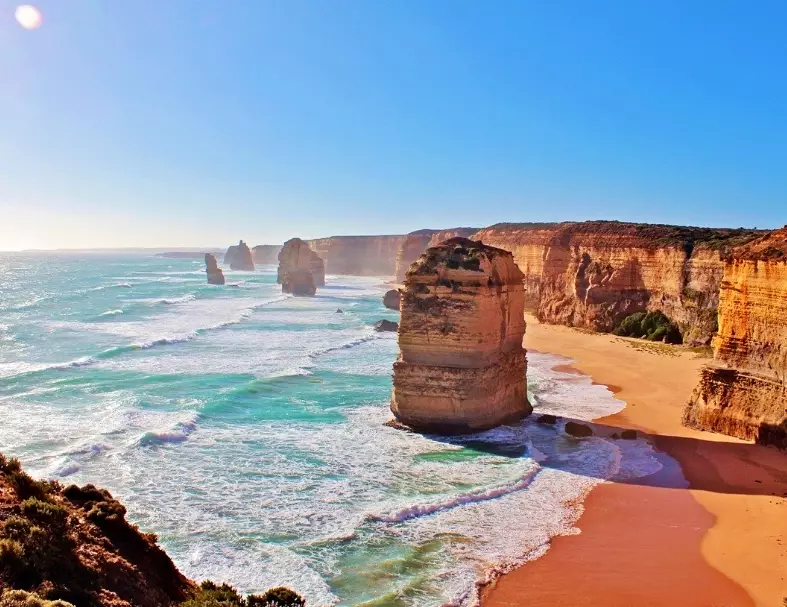




Comments
Join the discussion