Jump to Your Favorite Safari
- 1. Maasai Mara National Reserve, Kenya
- 2. Serengeti National Park, Tanzania
- 3. Kruger National Park, South Africa
- 4. Okavango Delta, Botswana
- 5. Etosha National Park, Namibia
- 6. South Luangwa National Park, Zambia
- 7. Hwange National Park, Zimbabwe
- 8. Bwindi Impenetrable Forest, Uganda
- 9. Ngorongoro Conservation Area, Tanzania
- 10. Chobe National Park, Botswana
- Safari FAQs & Expert Tips
Planning an African safari feels overwhelming, right? With so many options, it's easy to get lost in brochures and online reviews. I've been guiding safaris for over a decade, and let me tell you—the magic isn't just in ticking off the Big Five. It's in the details: the dust on your boots at sunset, the guide who spots a leopard you'd swear was invisible. This list cuts through the noise. Here are the top 10 African safaris, based on wildlife density, accessibility, and that raw, unforgettable experience. Forget generic rankings; we're diving into what makes each spot unique, with practical info to book your trip today.
First, a reality check. Many blogs hype the same parks without mentioning the crowds or costs. I've included some lesser-known gems and honest downsides. For instance, the Maasai Mara is spectacular, but visit in July and you might share a lion sighting with ten other vehicles. Balance is key.
1. Maasai Mara National Reserve, Kenya
The Mara needs no introduction. It's the poster child for African safaris, and for good reason. The annual wildebeest migration here is chaos—thousands of animals crossing crocodile-infested rivers. I once saw a herd stampede right past our jeep; the ground shook.
Key Details
Location: Southwestern Kenya, bordering Tanzania's Serengeti. GPS coordinates: -1.4066° S, 35.1646° E.
Best Time to Visit: July to October for migration. Dry season means easier game viewing.
Entrance Fees: Adults $80 per day, children $45. Payable at reserve gates or online via the Kenya Wildlife Service (KWS).
Getting There: Fly into Nairobi (Jomo Kenyatta Airport), then a 5-hour drive or 1-hour flight to Mara Serena Airstrip. Roads are rough; 4x4 is essential.
Accommodation: From budget camps like Ol Moran Tented Camp ($100/night) to luxury lodges such as Mara Serena Safari Lodge ($400/night). Book months ahead for peak season.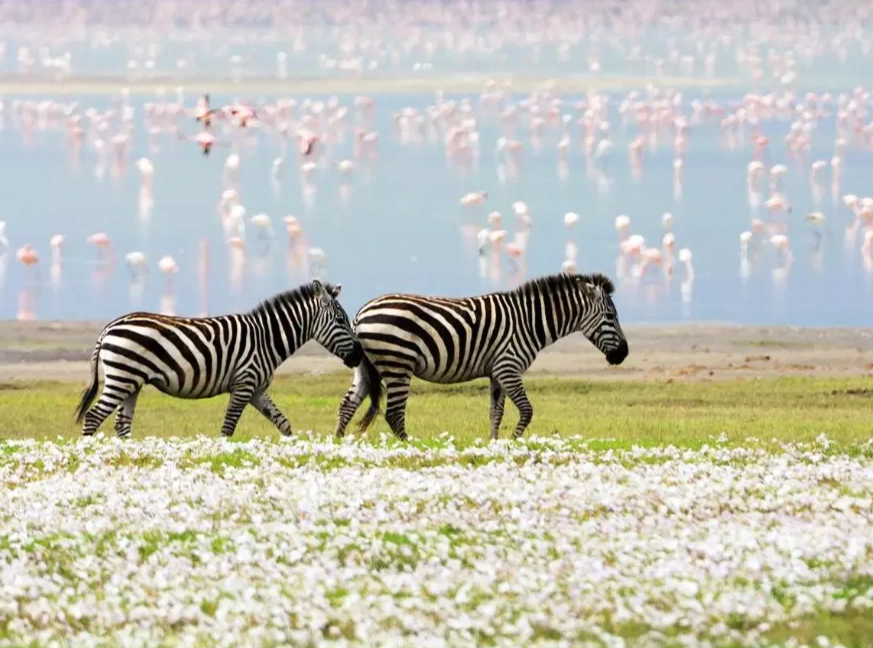
Pro Tip: Avoid the main gates at dawn—they get crowded. Use lesser-known entrances like Talek for quicker access.
2. Serengeti National Park, Tanzania
Serengeti means "endless plains" in Maasai, and it delivers. This is where the migration spends most of the year. I prefer the Seronera Valley for leopard sightings; they're elusive but worth the wait.
Key Details
Location: Northern Tanzania. Address: Serengeti National Park, P.O. Box 3134, Arusha, Tanzania.
Best Time to Visit: June to September for dry season, or January to February for calving season in the south.
Entrance Fees: $82 per adult per day, $23.50 per child (under 16). Fees go to Tanzania National Parks Authority (TANAPA).
Getting There: Fly to Kilimanjaro International Airport, then connect to Seronera Airstrip via local airlines like Coastal Aviation.
Accommodation: Try Serengeti Serena Safari Lodge for mid-range ($300/night) or Four Seasons Safari Lodge for luxury ($800+). Campsites available for $30 per person.
One downside: the central areas can feel touristy. Head to the Western Corridor for solitude.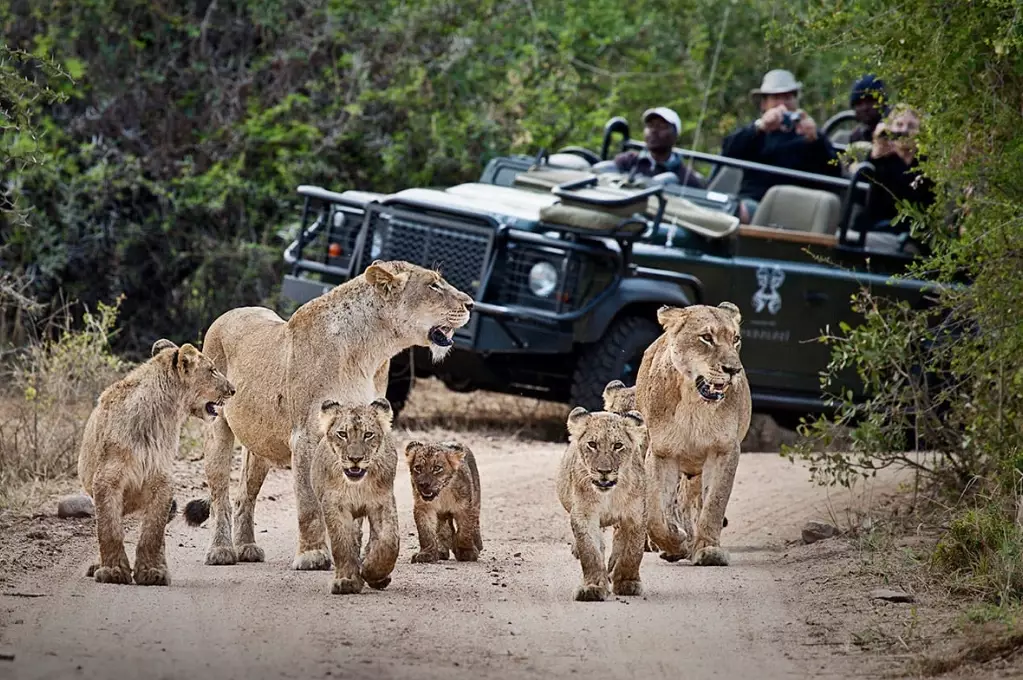
3. Kruger National Park, South Africa
Kruger is Africa's most accessible safari—great for families or first-timers. The infrastructure is top-notch, but that means more self-drive tourists. I've seen people get too close to elephants here; always respect the rules.
Key Details
Location: Northeastern South Africa. Main entrance: Paul Kruger Gate, near Hazyview.
Best Time to Visit: May to September (dry season) for best wildlife. Summer (November to March) is hot but lush.
Entrance Fees: South African residents: R110 per day; international adults: R440 per day (about $25). Book online via SanParks.
Getting There: Fly to O.R. Tambo Airport in Johannesburg, then a 4-5 hour drive to the park. Car rentals are easy but opt for insurance.
Accommodation: Rest camps like Skukuza (from $150/night) or private lodges like Singita Lebombo ($1500/night). Self-catering units save money.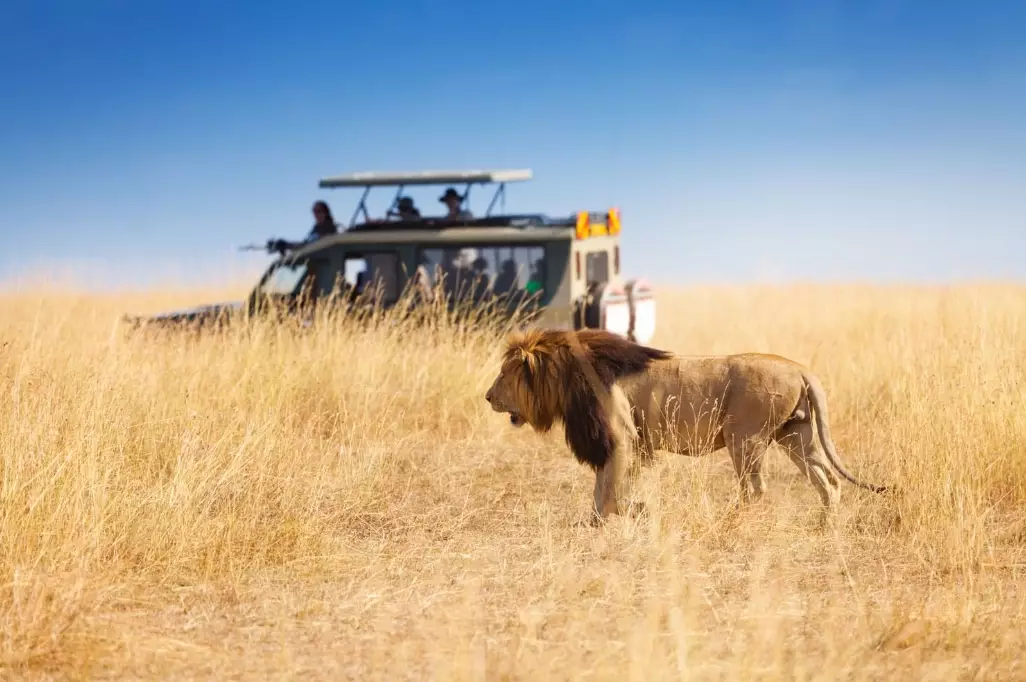
4. Okavango Delta, Botswana
The Okavango is a water wonderland—a delta in the middle of the Kalahari Desert. Gliding through channels in a mokoro (dugout canoe) feels surreal. I remember a hippo surfacing meters away; our guide stayed calm, but my heart raced.
Key Details
Location: Northwestern Botswana. Coordinates: -19.2964° S, 22.9378° E.
Best Time to Visit: June to August for high water levels and prime game viewing. Floods peak around July.
Entrance Fees: Varies by concession. General park fee: $13 per day plus activity fees (e.g., $30 for mokoro rides).
Getting There: Fly to Maun International Airport, then a light aircraft to camps (1-2 hours). Roads are limited; flying is recommended.
Accommodation: Luxury camps dominate, like Mombo Camp ($2000/night) or budget options like Delta Camp ($400/night). All-inclusive packages are common.
Botswana focuses on low-impact tourism, so prices are high but crowds are low.
5. Etosha National Park, Namibia
Etosha's salt pan stretches to the horizon—a stark, beautiful landscape. Waterholes here are wildlife magnets. At Okaukuejo, I spent an evening watching rhinos drink under floodlights; it's like theater.
Key Details
Location: Northern Namibia. Address: Etosha National Park, Outjo, Namibia.
Best Time to Visit: May to October (dry season) for concentrated animals at waterholes.
Entrance Fees: NAD 150 per adult per day (about $10), plus vehicle fees. Pay at gates or online via Namibia Wildlife Resorts.
Getting There: Fly to Windhoek, then a 4-hour drive to the Anderson Gate. Roads are paved but remote; carry spare tires.
Accommodation: Rest camps like Halali (from $100/night) or luxury lodges like Ongava Lodge ($600/night). Book early for waterhole views.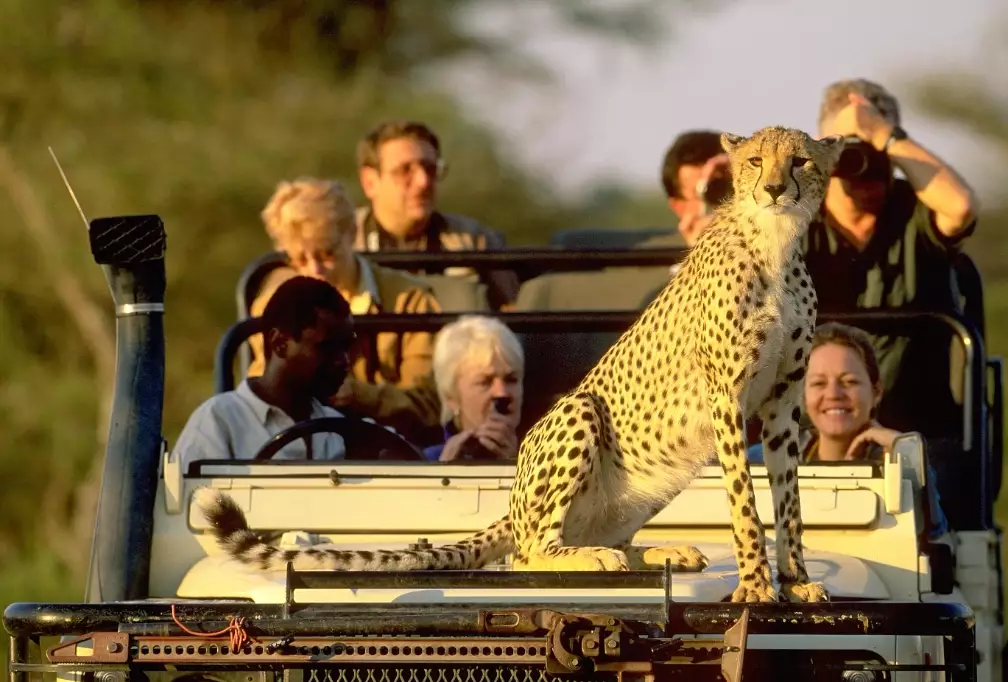
6. South Luangwa National Park, Zambia
South Luangwa is the birthplace of walking safaris. Trekking on foot brings you close to the ecosystem—I've tracked lion prints through the bush. It's raw and intimate.
Key Details
Location: Eastern Zambia. Nearest town: Mfuwe.
Best Time to Visit: June to October for dry season. Avoid the rainy season (November to April) when roads flood.
Entrance Fees: $30 per adult per day, plus guide fees for walks. Pay at the park office in Mfuwe.
Getting There: Fly to Lusaka, then connect to Mfuwe Airport (1.5-hour flight). Drives from Lusaka take 10 hours; not recommended.
Accommodation: Camps like Tafika Camp ($500/night) or budget hostels in Mfuwe. Walking safari packages include guides.
7. Hwange National Park, Zimbabwe
Hwange is Zimbabwe's largest park, famous for elephant herds. During the dry season, they gather at waterholes—I counted over 100 at once. The park is recovering from past challenges, but community projects make visits impactful.
Key Details
Location: Western Zimbabwe, near Victoria Falls. Coordinates: -18.6295° S, 26.4195° E.
Best Time to Visit: July to October for elephant sightings. Winters are mild.
Entrance Fees: $20 per adult per day, payable at main camps like Main Camp.
Getting There: Fly to Victoria Falls Airport, then a 2-hour drive to the park. Self-drive is possible but hire a guide for remote areas.
Accommodation: Options from The Hide Safari Camp ($400/night) to public campsites ($15/person). Support local lodges for conservation.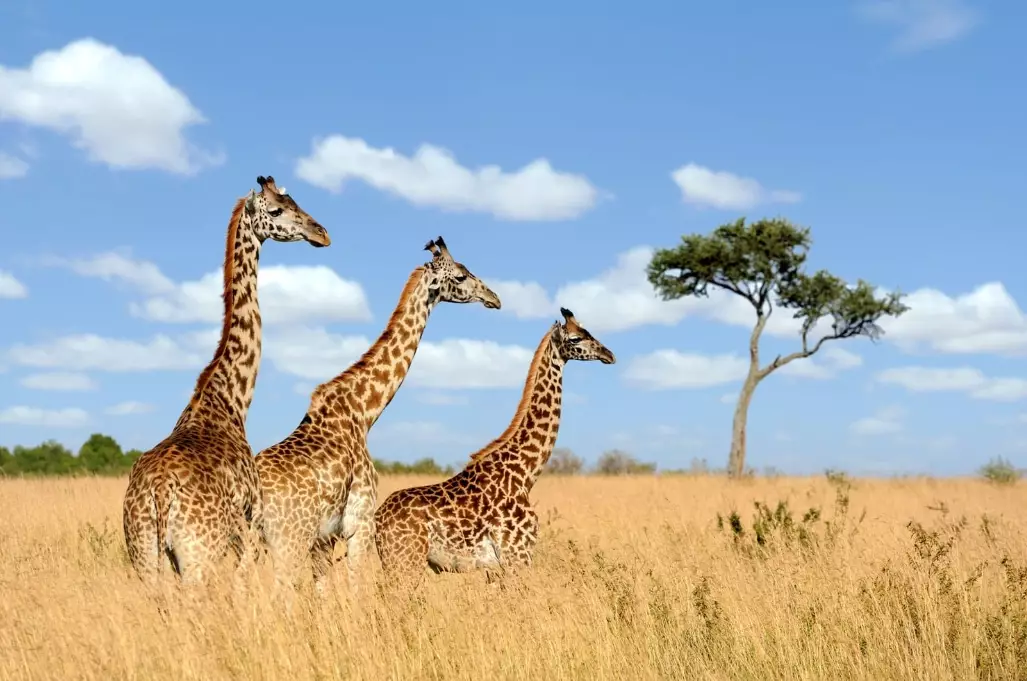
8. Bwindi Impenetrable Forest, Uganda
Bwindi is for gorilla trekking, not traditional safaris. Hiking through dense forest to meet mountain gorillas is humbling. I once locked eyes with a silverback; time stood still. Permits are pricey but fund conservation.
Key Details
Location: Southwestern Uganda. Address: Bwindi Impenetrable National Park, Kanungu District.
Best Time to Visit: June to August and December to February for drier trails. Rain is possible year-round.
Entrance Fees: Gorilla permit: $700 per person (as of 2023). Park entry fee: $40/day. Book through Uganda Wildlife Authority.
Getting There: Fly to Entebbe, then a 1-hour flight to Kihihi Airstrip or a 10-hour drive. Roads are rough; 4x4 required.
Accommodation: Lodges like Buhoma Lodge ($300/night) or budget guesthouses. Book permits months ahead.
9. Ngorongoro Conservation Area, Tanzania
Ngorongoro Crater is a natural amphitheater teeming with wildlife. Descending into the crater feels like entering another world. But it gets crowded—go at sunrise to beat the traffic.
Key Details
Location: Northern Tanzania, part of the Serengeti ecosystem.
Best Time to Visit: June to September for dry weather. Year-round game viewing due to permanent water.
Entrance Fees: $71 per adult per day for crater descent, plus vehicle fees. Pay at Ngorongoro Gate.
Getting There: From Arusha, a 3-hour drive. Many combine with Serengeti trips.
Accommodation: Crater rim lodges like Ngorongoro Serena Safari Lodge ($350/night) or campsites outside the crater. Book early; spaces fill fast.
10. Chobe National Park, Botswana
Chobe is all about river safaris. Cruising the Chobe River at sunset, with elephants swimming alongside, is magical. The park has the highest elephant density in Africa, but peak season can feel busy.
Location: Northern Botswana, near Victoria Falls. Address: Chobe National Park, Kasane.
Best Time to Visit: May to October for dry season and best wildlife sightings.
Entrance Fees: $20 per adult per day, plus boat cruise fees (~$50). Pay at park gates.
Getting There: Fly to Kasane Airport or drive from Victoria Falls (1 hour). Roads are good but watch for wildlife crossings.
Accommodation: Options range from Chobe Safari Lodge ($250/night) to budget campsites. Riverfront rooms offer prime views.
Personal Note: Chobe can get crowded with day-trippers from Victoria Falls. Book morning or evening cruises for quieter experiences.
Planning Your Safari: Quick Tips
Most travelers overspend on flights or skip travel insurance. Here's my advice: Book lodges and permits early, especially for peak seasons. Use local guides—they know the hidden spots. Pack neutral colors, binoculars, and a good camera. Don't forget malaria prophylaxis; it's essential in many regions.
For budget travelers, consider camping safaris or shoulder seasons. Luxury seekers should look at all-inclusive packages for convenience.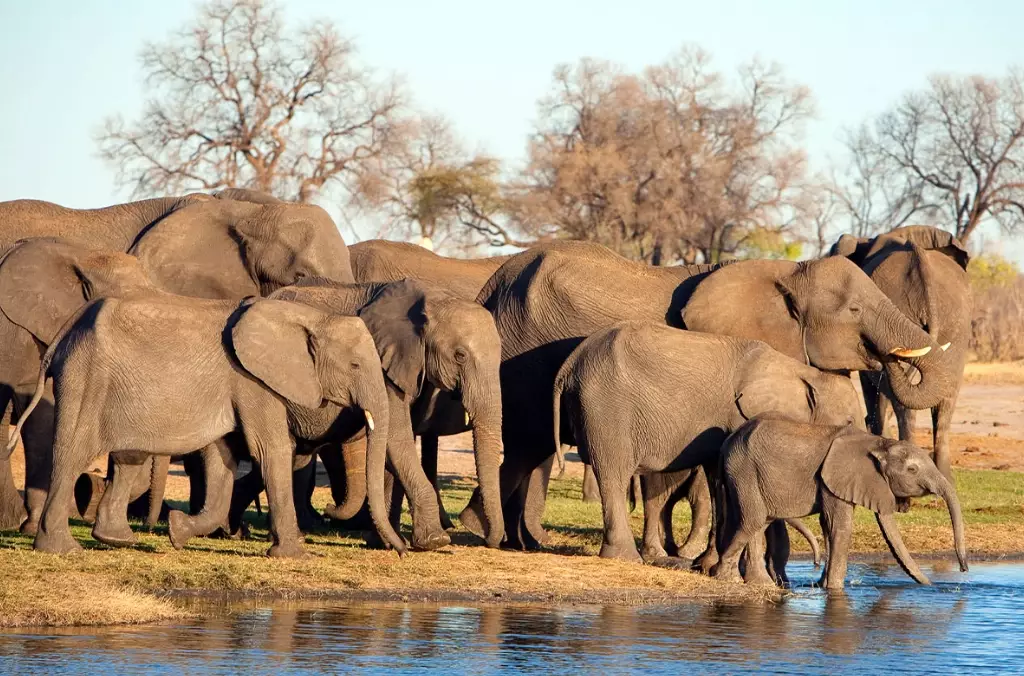
Frequently Asked Questions
Final thoughts: Each safari offers something unique. Whether it's the migration in the Mara or gorillas in Bwindi, prioritize what resonates with you. Don't just chase the Big Five—embrace the moments in between. I still dream of the Okavango sunsets. Start planning, and feel free to reach out with questions.


Comments
Join the discussion