Quick Guide
- Why Europe? Cutting Through the Cliché
- The First Step: Dreaming vs. Planning Your Europe Trip
- Getting Around: The Transportation Puzzle
- Where to Go? Matching Destinations to Your Travel Style
- Budgeting for Europe Tourism: A Realistic Breakdown
- Crafting Your Itinerary: From Skeleton to Flesh
- Beyond the Basics: Sustainable Travel & Etiquette
- Your Europe Tourism Questions, Answered
- Final Thoughts Before You Go
Let's be honest. Thinking about a trip to Europe can feel equal parts thrilling and completely overwhelming. I remember my first time planning one. I had a browser with about fifty tabs open – flights, hotels, train passes, must-see lists for a dozen different countries. I almost talked myself out of going before I even started. Sound familiar?
That's why I'm writing this. Not as some distant expert, but as someone who's been through the planning chaos, made the mistakes (booking a hotel a 45-minute train ride from the city center, I'm looking at you), and eventually figured out how to craft trips that actually feel like a holiday, not a military operation. Europe tourism isn't about checking every single box. It's about finding your version of Europe.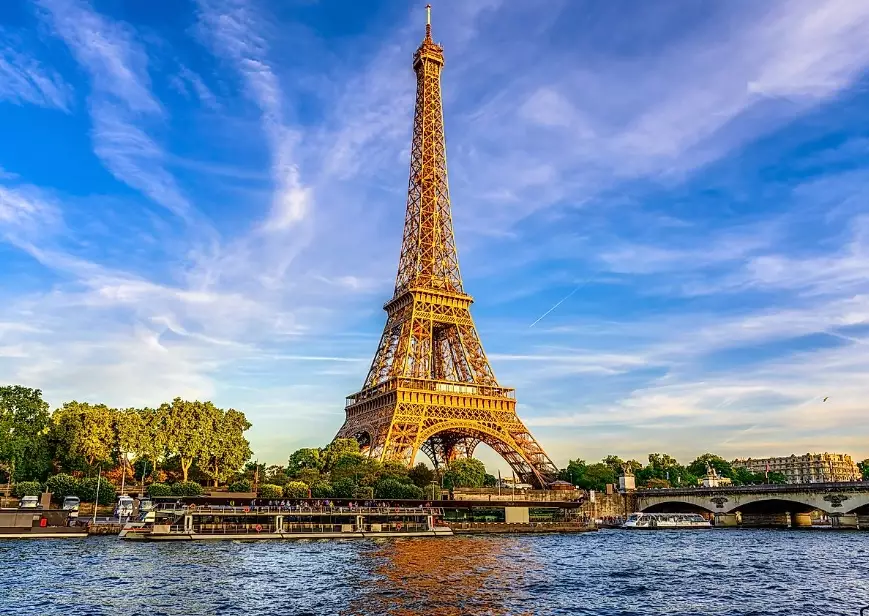
Why Europe? Cutting Through the Cliché
Everyone says Europe is diverse. But what does that actually mean for you, the traveler? It means you can have wildly different experiences within a few hours' travel. You can start your day with croissants in Paris, have lunch in a London pub, and be in time for tapas in Barcelona – theoretically, at least (I don't recommend that pace!). This density of culture, history, language, and landscape is unique. For first-timers, it's a sampler platter of the world. For repeat visitors, it's an endless series of deep dives.
But here's a personal take: not every classic European destination will resonate with everyone. I found the Amalfi Coast stunning, yes, but also insanely crowded and pricey in summer. My best Italian memories are from the less-trodden Le Marche region. That's a key point in Europe tourism – balancing the iconic with the personal.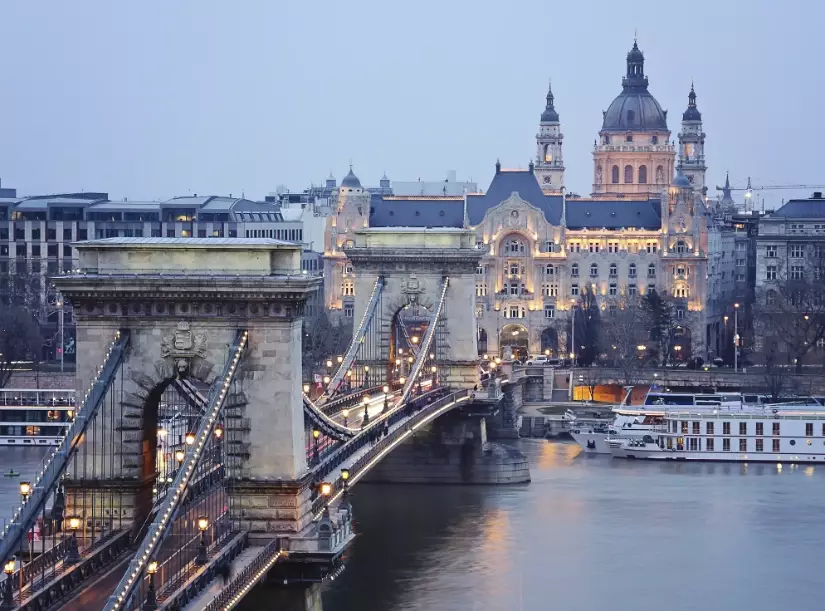
The First Step: Dreaming vs. Planning Your Europe Trip
Before you look at a single flight price, grab a notebook or open a doc. Ask yourself the big questions. What's the feeling you want from this trip? Is it artistic immersion, outdoor adventure, culinary discovery, or historical deep-dive? Are you after bustling cities or village charm? Your answers will shape everything.
Be brutally realistic about time. One of the biggest mistakes in Europe trip planning is trying to see too much. With two weeks, you can comfortably explore two, maybe three bases if they're well-connected. I'd argue for depth over breadth every time. Spending four days in Prague lets you discover its hidden courtyards; a one-night stop just gets you the Charles Bridge selfie.
When to Go: It's More Than Just Weather
Summer (June-August) is peak season for a reason. The weather is generally great, days are long, and everything is open. It's also crowded, expensive, and can be uncomfortably hot in cities like Rome or Athens. Shoulder seasons (April-May, September-October) are my personal sweet spot. Fewer people, milder temperatures, and often lower prices. Winter offers Christmas markets, skiing, and city breaks without queues, but some coastal or rural areas shut down.
Consider local events too. Want to experience Munich's Oktoberfest? Book a year in advance. Prefer to avoid the chaos? Steer clear in late September.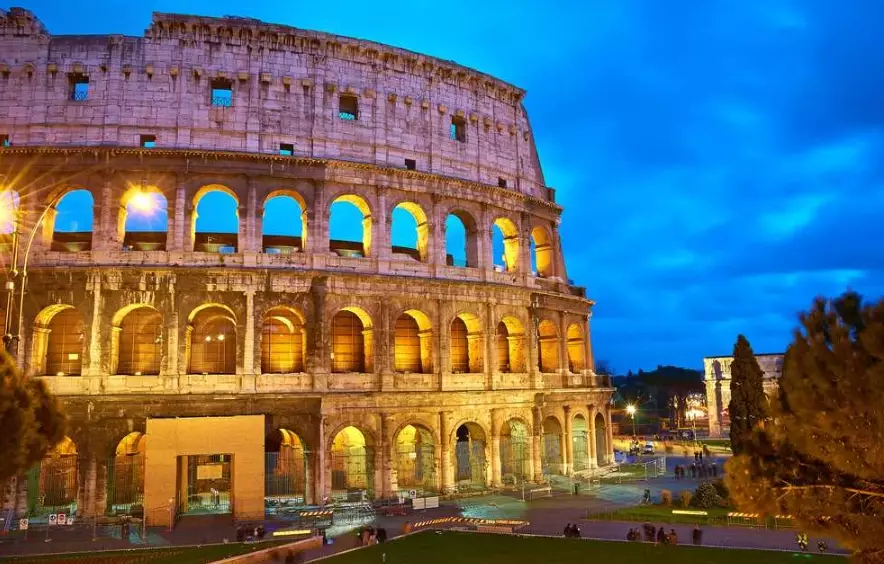
Getting Around: The Transportation Puzzle
This is where many get stuck. The beauty of Europe tourism is the network. You have options.
Trains: Often the most scenic and city-center-to-city-center way to travel. High-speed networks in France (TGV), Spain (AVE), and Italy (Frecciarossa) are fantastic. For multi-country trips, a Eurail Pass can be cost-effective, but do the math. Sometimes booking individual advance tickets is cheaper.
Flights: Budget airlines like Ryanair and easyJet can be astonishingly cheap for longer hops (e.g., London to Athens). Read the fine print on baggage fees and remote airports. "Paris" might mean Beauvais, which is over an hour away by bus.
Buses: Companies like FlixBus offer the lowest fares, often between city centers. Journeys can be long, but for shorter routes or the budget-conscious, they're a valid option.
Cars: Essential for exploring the countryside (think Scotland, Tuscany, the Norwegian fjords). A nightmare in historic city centers with ZTLs (Limited Traffic Zones) and expensive parking. Rent only for the portion of your trip where you need it.
Where to Go? Matching Destinations to Your Travel Style
Let's move beyond "top 10" lists. Here’s how different European destinations cater to different vibes.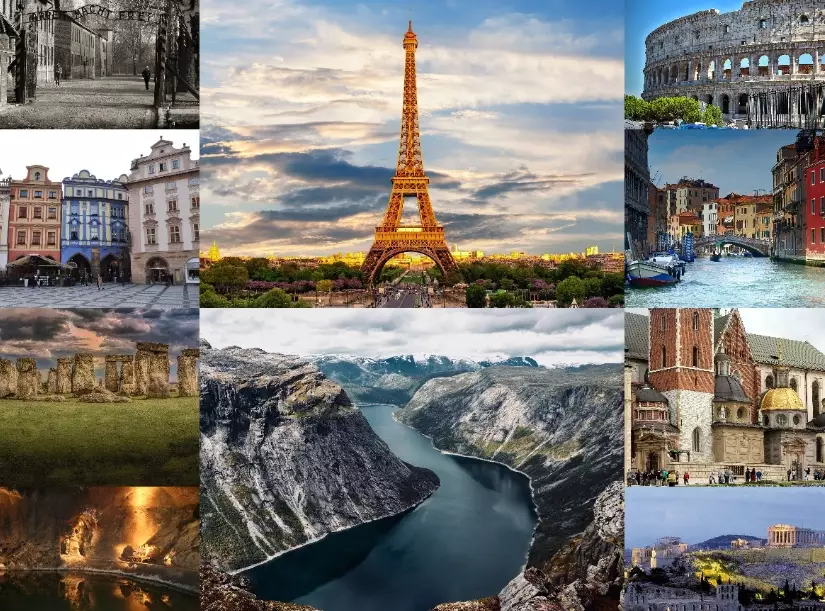
| If You're Craving... | Consider These European Gems | Why It Fits | A Quick Reality Check |
|---|---|---|---|
| Art & Museum Deep-Dives | Florence, Italy; Paris, France; Vienna, Austria; Madrid, Spain (the Golden Triangle) | Concentration of world-class galleries and historic sites. Florence is a walking Renaissance museum. | Museum fatigue is real. Book key tickets online to skip lines. |
| Outdoor Adventures | Interlaken, Switzerland; Norwegian Fjords; Scottish Highlands; Slovenia's Julian Alps | Stunning, accessible landscapes for hiking, skiing, kayaking. Switzerland's transport makes it easy. | Weather-dependent. Pack for all seasons, even in summer. |
| Food & Wine Focus | Bologna, Italy; San Sebastián, Spain; Lyon, France; Porto, Portugal | Regions defined by their cuisine. Bologna for pasta, San Sebastián for pintxos, Lyon for bouchons. | Research meal times. Many restaurants in Spain don't open for dinner until 8:30 or 9 PM. |
| Off-the-Beaten-Path Charm | Gdańsk, Poland; Porto, Portugal; Tallinn, Estonia; Mostar, Bosnia | Incredible history and beauty with fewer crowds and lower costs. Authentic local experiences. | English may be less widely spoken. Connectivity between these places might require flights. |
| City Buzz & Nightlife | Berlin, Germany; London, UK; Amsterdam, Netherlands; Barcelona, Spain | Dynamic, 24-hour cities with diverse neighborhoods, cutting-edge culture, and vibrant club scenes. | Can be expensive. Accommodation in central areas books up fast. |
See? It's not about what's "best," but what's best for you. A successful Europe tourism plan aligns with your interests.
Budgeting for Europe Tourism: A Realistic Breakdown
Let's ditch the vague "Europe is expensive" talk. It can be, or it can be manageable. It depends entirely on where and how you travel. Switzerland and Norway will demolish a budget that would let you live like royalty in Portugal or Poland.
Here’s a rough daily cost per person (excluding intercity travel):
- Budget Traveler (Hostels, supermarkets, free sights): €50-€80/day in Western Europe; €30-€50/day in Eastern Europe.
- Mid-Range Traveler (Private rooms/B&Bs, casual restaurants, some paid attractions): €100-€200/day in Western Europe; €60-€120/day in Eastern Europe.
- Comfort Traveler (Hotels, nice restaurants, guided tours, taxis): €250+/day in Western Europe; €150+/day in Eastern Europe.
My biggest money-saving tip? Lunch over dinner. In many countries, especially France and Italy, restaurants offer a fixed-price "menu of the day" (menu del día, prix fixe) at lunch that is significantly better value than the à la carte dinner menu. Have your big meal at noon, and a lighter, cheaper dinner.
Crafting Your Itinerary: From Skeleton to Flesh
Don't plan every minute. Build a framework. For each destination, I list:
- Must-Dos (2-3 things): The core experiences I'd regret missing.
- Want-to-Dos (a handful): Things that interest me if time/energy allows.
- Neighborhoods to Explore: Like Trastevere in Rome or Kreuzberg in Berlin.
- One Food/Drink Goal: Eat a proper schnitzel in Vienna, find the best pastel de nata in Lisbon.
This gives structure without suffocation. Some of my best days involved ditching the list and getting lost in a market or following a recommendation from a local.
A Sample 10-Day Itinerary for First-Timers (The Classic Taster)
This hits some major notes efficiently using high-speed trains. Fly into London, out of Rome.
- Days 1-3: London. Beat jet lag, see the classics. Use the Tube. Book the Churchill War Rooms in advance.
- Day 4: Train to Paris (Eurostar, book early). Afternoon in Montmartre.
- Days 5-6: Paris. Louvre, Musée d'Orsay, Eiffel Tower, Seine stroll. Skip the Champs-Élysées, it's just a busy road.
- Day 7: Morning flight to Rome. Settle in, evening walk to the Trevi Fountain and Pantheon.
- Days 8-10: Rome. Colosseum/Forum, Vatican City (St. Peter's & Museums), wander Trastevere. Eat cacio e pepe.
It's fast-paced, but it gives a powerful first hit of Europe tourism. Next time, you'll know to spend a week just in Italy.
Beyond the Basics: Sustainable Travel & Etiquette
Tourism impacts places. Thinking about sustainable travel in Europe is crucial. It means choosing trains over short-haul flights when possible, staying in locally-owned guesthouses, eating at family-run trattorias, and avoiding overcrowded hotspots at peak times (yes, that might mean skipping the gondola ride in Venice if the queue is two hours long).
Etiquette is simple: be observant and respectful. Learn please and thank you in the local language. In churches, cover shoulders and knees. In Germany, don't jaywalk. In the UK, queue properly. In Scandinavia, respect personal space. A little effort goes a very long way.
For authoritative information on cultural heritage and sustainable tourism practices, organizations like UNESCO provide context on World Heritage Sites, while the European Best Destinations platform often highlights lesser-known, sustainable destinations.
Your Europe Tourism Questions, Answered
Do I need a visa?
For US, Canadian, UK, and Australian passport holders, tourist travel to the Schengen Area (most of the EU) is visa-free for up to 90 days within a 180-day period. This is changing in 2025 with the introduction of ETIAS, a travel authorization you'll need to apply for online. Always check the official government source for your destination, like the EU's official ETIAS page, for the latest rules.
Is the Eurail Pass worth it?
It depends on the intensity of your travel. If you're taking long, frequent trains (e.g., Amsterdam to Berlin, Berlin to Prague, Prague to Vienna, Vienna to Venice all in two weeks), a pass can be great. If you're basing yourself in two cities, probably not. Use the Eurail planner to estimate point-to-point ticket costs and compare.
How do I handle money?
Europe is largely cashless in the north (Netherlands, Scandinavia) but still uses cash in parts of Germany, Austria, and Southern Europe. Notify your bank of travel. Use a debit card for ATM withdrawals (avoid airport/tourist trap ATMs with high fees) and a credit card with no foreign transaction fees for most purchases. Never let a vendor charge you in your home currency (Dynamic Currency Conversion) – it's a rip-off.
What about language barriers?
In major cities and tourist areas, you'll get by with English. Learning basic phrases (hello, please, thank you, excuse me) is a sign of respect and will be appreciated everywhere. In rural areas, a translation app and patience are key.
How safe is Europe for tourists?
Generally, very safe. The primary risks are petty theft like pickpocketing in crowded tourist hubs (Paris, Rome, Barcelona). Use common sense: don't flash expensive jewelry, use a cross-body bag, be wary of distractions, and keep your passport locked in the hotel safe.
Final Thoughts Before You Go
Europe tourism has a way of getting under your skin. You'll come back with more than photos; you'll come back with stories, a slightly expanded worldview, and a list of places for "next time." The planning stage can feel like a chore, but view it as the first part of the adventure. Researching a place, learning a bit of its history, imagining yourself there – that's all part of the fun.
Remember, no trip is perfect. You might get rained on in Ireland (shocking, I know), a train might be delayed, the famous dish might not be to your taste. That's all part of the real, unfiltered experience. The goal isn't a flawless Instagram reel. The goal is a collection of real moments that are uniquely yours.
So start with that dream. Then build your plan, one piece at a time. Be flexible, be curious, and pack comfortable shoes. Seriously, the cobblestones are unforgiving. Your European adventure is waiting, and it doesn't have to be perfect to be absolutely unforgettable.





Comments
Join the discussion