You picture Japan, and maybe you see a serene room with tatami mats, a low table, and a futon rolled out for the night. That's one part of the story. But typical Japanese accommodation is a fascinating spectrum, from those iconic ryokans to hyper-efficient business hotels, futuristic capsules, and family-run guesthouses. Choosing where to stay isn't just about a bed—it's about choosing your experience. Get it right, and you unlock a deeper layer of the culture. Get it wrong, and you might be struggling with a too-small bed or missing out on an incredible meal.
I've spent months in Japan, from Hokkaido to Kyushu, sleeping in everything from a $30 capsule to a $500-a-night ryokan. The biggest lesson? "Typical" depends entirely on your purpose: pilgrimage, business, budget travel, or cultural immersion.
What You’ll Discover in This Guide
The Ryokan Experience: Immersion, Not Just Accommodation
Let's start with the postcard image. A ryokan is a traditional Japanese inn. Calling it a "hotel" undersells it. It's a curated cultural package.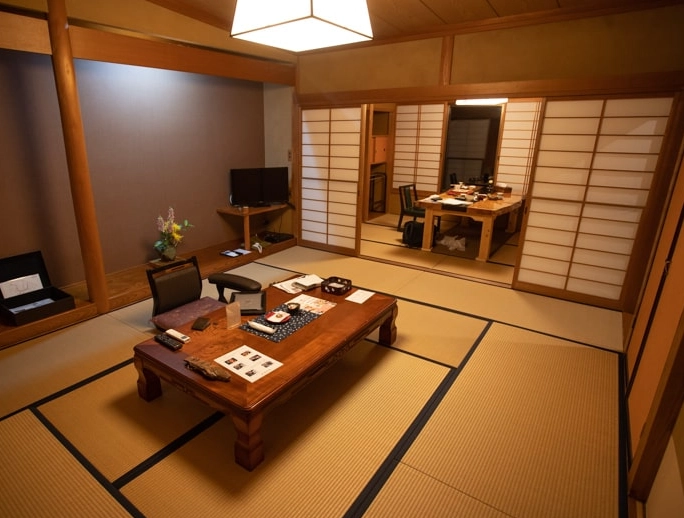
You arrive, take off your shoes at the genkan (entrance), and are shown to your room, a washitsu with tatami flooring. You'll likely be served green tea and a sweet. Later, you change into the provided yukata (cotton robe). Dinner, a multi-course kaiseki feast, is often served in your room. Afterward, staff will covertly lay out your futon while you're at the communal bath (onsen or sento). You sleep on the floor, wake up to a traditional Japanese breakfast, and feel like you've stepped back in time.
What You're Really Paying For
The price, often ¥20,000 to ¥50,000+ per person per night, includes two elaborate meals, impeccable service (omotenashi), access to baths, and the atmosphere. It's not cheap, but it's an event.
Not all ryokans are ancient wooden structures. There are modern takes with private open-air baths. Location matters hugely. A ryokan in a historic onsen town like Kusatsu or Gero offers a more authentic setting than one in downtown Tokyo.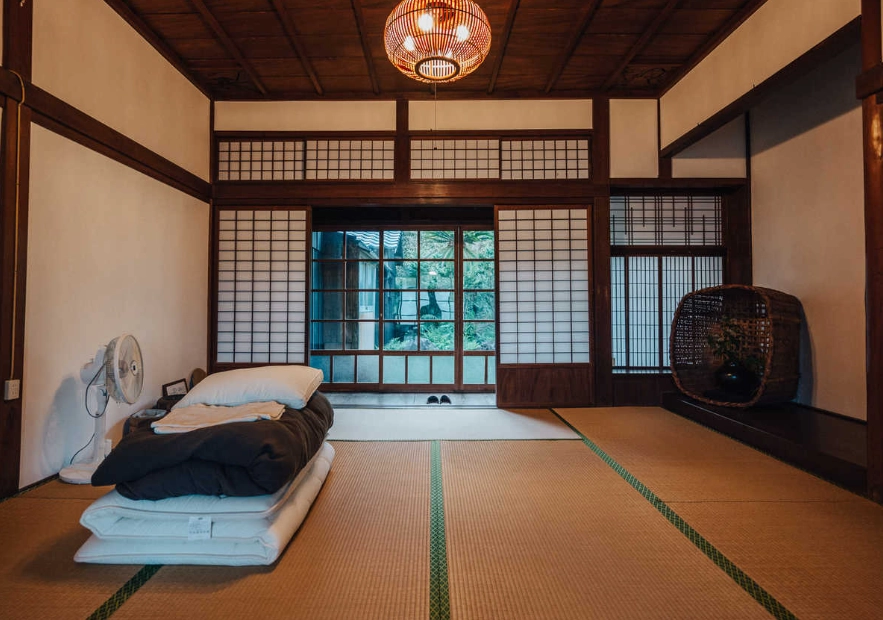
The Business Hotel: Japan's Reliable, Compact Workhorse
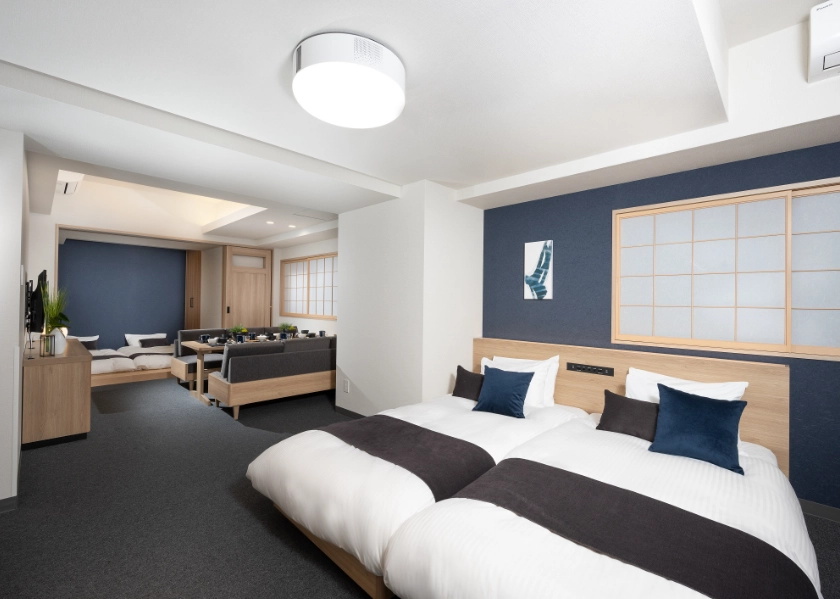
This is the true "typical" accommodation for most domestic travelers and businesspeople. Chains like APA Hotel, Toyoko Inn, Dormy Inn, and Super Hotel are everywhere. They are defined by efficiency, cleanliness, and standardization.
The room will be small—often 12-16 square meters. You'll have a semi-double or double bed, a compact bathroom unit (sometimes where the whole shower/toilet/sink area is one plastic mold), a TV, kettle, and sometimes a pajama set.
| Hotel Chain | Typical Nightly Rate | Key Feature | Best For |
|---|---|---|---|
| Toyoko Inn | ¥7,000 - ¥10,000 | Free simple breakfast, member discounts. | Budget-conscious travelers who value predictability. |
| APA Hotel | ¥8,000 - ¥12,000 | Ubiquitous, often near stations, deep bathtubs. | Convenience and location above all else. |
| Dormy Inn | ¥9,000 - ¥14,000 | Free late-night ramen, quality public baths. | Those wanting onsen-style baths without ryokan price. |
| Mitsui Garden Hotels | ¥12,000 - ¥20,000 | Better design, slightly larger rooms. | A more stylish business hotel experience. |
The breakfast is usually a functional Japanese-Western buffet: rice, miso soup, salad, bread, coffee. It gets the job done, but don't expect culinary wonders.
I find them perfect for city-hopping. You know exactly what you're getting. The loyalty programs can be worth it if you're traveling extensively. Check the Japan Tourism Agency's site for general travel standards, but these chains are a universe of their own.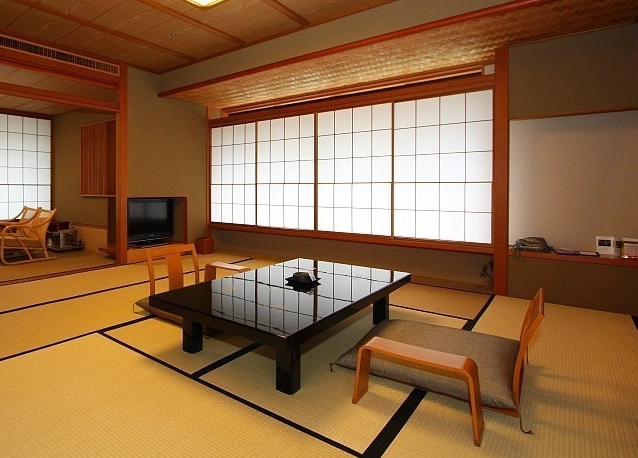
Capsule Hotels & Internet Cafes: The Frontier of Efficiency
Born for salarymen who missed the last train, capsule hotels are an experience in minimalist living. You get a pod—essentially a reinforced bunk bed with a TV, light, and sometimes a small locker inside. Bathrooms and lounges are shared.
Modern chains like Nine Hours have streamlined this into a chic, almost sci-fi experience. You check in, get a locker for your luggage, change into provided wear, and go to your assigned capsule. It's incredibly clean and orderly.
Cost? Typically ¥3,000 to ¥5,000 per night.
Who it's for: Solo travelers on a tight budget, those needing a place for a few hours after a late night, or the genuinely curious. It's not for claustrophobes, light sleepers (it's never totally silent), or anyone with lots of luggage.
A step further is the Manga Kissa (Internet Cafe). For ¥1,500-¥2,500 for an 8-hour "night pack," you get a private cubicle with a PC, unlimited drinks, and sometimes a shower. It's a last-resort shelter for many, but some travelers use it strategically between night buses and morning trains.
Minshuku & Guesthouses: The Family-Run Alternative
Think of a minshuku (民宿) as a ryokan's more casual, affordable cousin. Often family-run in rural areas, ski resorts, or on islands, they offer a similar tatami/futon setup but with fewer frills. Meals (if included) are home-cooking, not haute cuisine. Baths might be shared and scheduled. The interaction with the owners is often the highlight.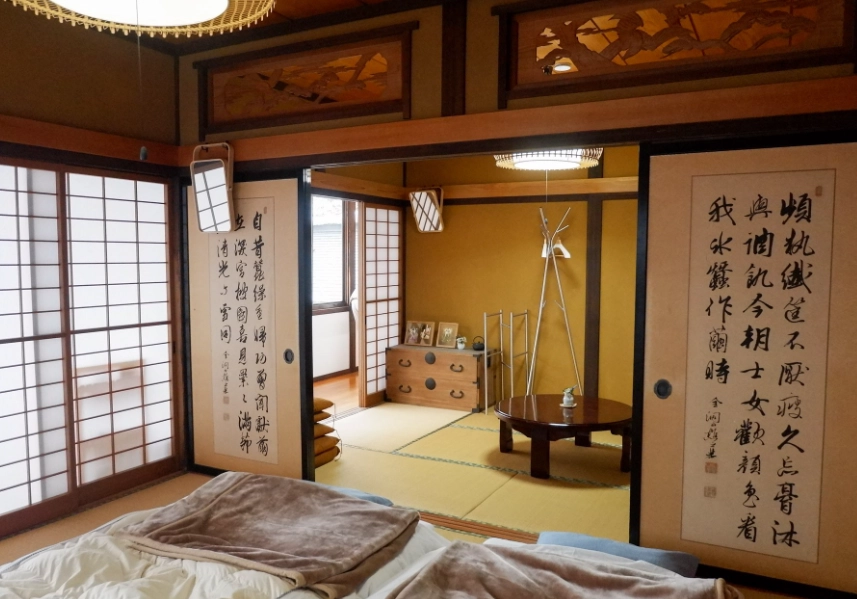
Prices range from ¥5,000 to ¥10,000 per person with meals.
In cities, the equivalent is the guesthouse or share house. These are hostels but often with a calmer, long-term-stay vibe. You might find a beautiful old wooden house in Kyoto converted into dorms and private rooms, with a shared kitchen and common area. Great for meeting other travelers.
How to Choose: A Simple Decision Matrix
Struggling to decide? Ask yourself these questions:
What's your budget per night?
Under ¥8,000: Capsule, guesthouse dorm, or budget business hotel.
¥8,000 - ¥15,000: Standard business hotel, nicer guesthouse private room.
¥15,000+: Ryokan (often per person) or premium business hotel.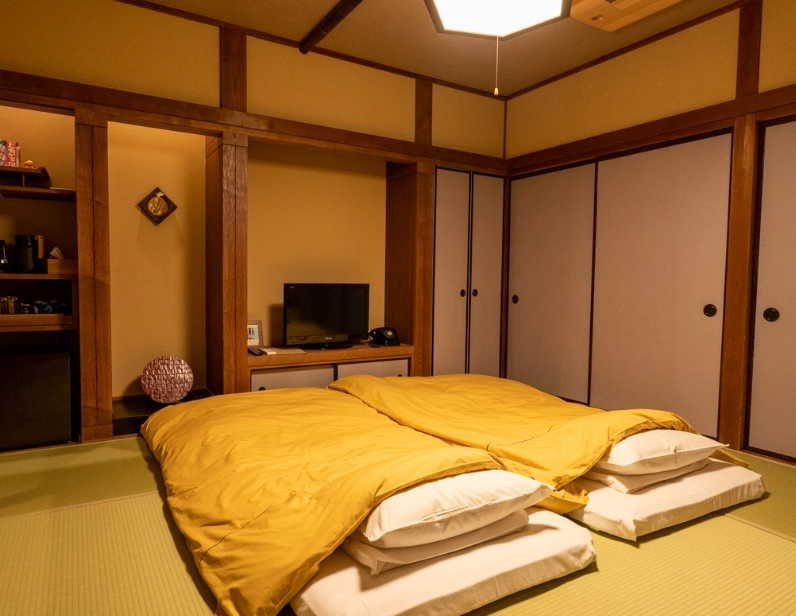
What's the purpose of your trip?
Fast-paced city tourism: Business hotel.
Cultural immersion in a scenic area: Ryokan or Minshuku.
Solo backpacking on a shoestring: Capsule or guesthouse.
Who are you traveling with?
Solo: All options are open.
Couple: Business hotel (get a double/queen room), ryokan.
Family: Look for family rooms in business hotels (like some APA locations) or minshuku. Ryokans can work but check children's rates and meal options.
Booking Tips & Common Traps to Avoid
Booking platforms are your friend, but know their limits. I use a mix of Booking.com (for business hotels, some guesthouses), Agoda (often good rates in Asia), and Japanican or Rakuten Travel for ryokans, as they have better Japanese-specific options and meal plan details.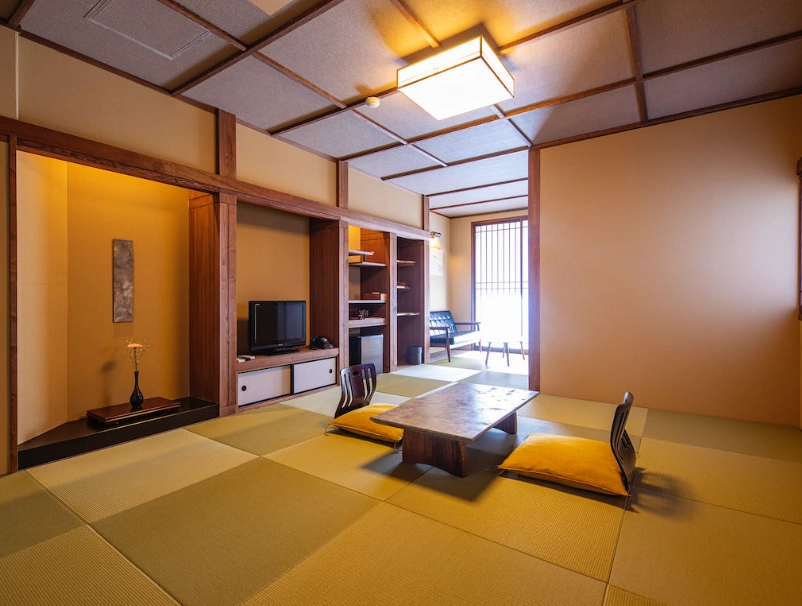
The Per Person, Per Night Trap: Ryokan and many minshuku prices are always quoted per person, per night, based on occupancy and meal plans. Two people for one night is double the listed price. This catches everyone off guard.
The Bath Check: Want an onsen? Don't just assume. Check if the ryokan/hotel has a kakenagashi (flowing) natural hot spring source or if it's reheated/circulated. Websites like Japanese Onsen Guide can help, but the hotel's own description usually states the source.
Location vs. Price: A cheap business hotel 5 subway stops from the center might save you ¥2,000 but cost you an hour each day. For a short trip, paying more for centrality is often worth it.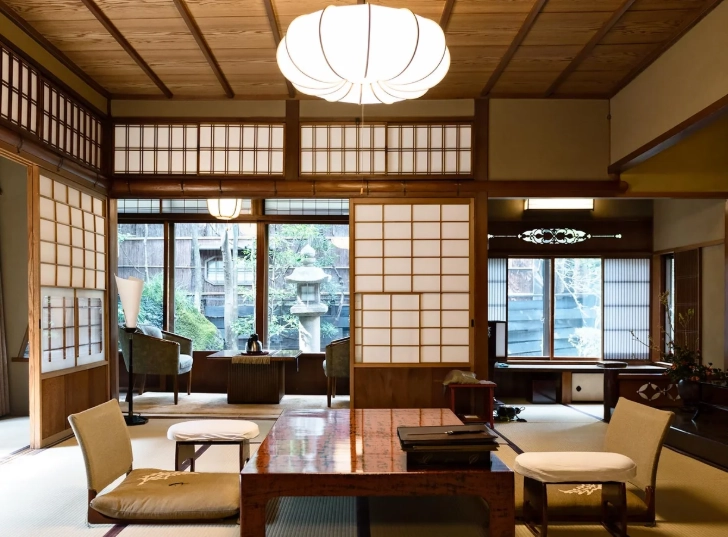
Your Questions, Answered
Is it rude to decline the kaiseki dinner at a ryokan?
Not at all, but it requires communication. Many ryokans offer room-only plans (素泊まり, sudomari). The crucial step is to book this plan in advance. Springing this on them at check-in can cause logistical issues, as meals are often prepared per guest. You might also miss out on a significant part of the ryokan's value, as the culinary experience is a major highlight. If you have dietary restrictions, inform them during booking; most are exceptionally accommodating.
What's the biggest mistake foreigners make when booking a business hotel in Japan?
Assuming all rooms are the same size. A 'Semi-Double' bed is often just 120-140cm wide—cozy for two Western-sized adults. For a comfortable stay, couples should aim for a 'Double' (140-160cm) or 'Queen' room. Also, many skip checking if the hotel has a public bath (大浴場, daiyokujou). Chains like Dormy Inn or Super Hotel offer these, which are a fantastic, affordable way to experience a sento-like bath after a long day of sightseeing.
Are capsule hotels safe and clean for solo travelers?
Generally, yes, especially the modern chains. Security is tight with individual lockers. Cleanliness is a point of pride. However, the real challenge is noise. Light sleepers, beware. Bring high-quality earplugs and an eye mask. A common oversight is not checking the capsule's dimensions if you're tall; some older pods can feel cramped for anyone over 180cm. For a first-timer, I recommend a newer chain like Nine Hours for its streamlined design and clear rules.
Can a family stay in a traditional Japanese minshuku?
Absolutely, and it can be a wonderful experience. Minshuku often have flexible family rooms using futons. The key is to manage expectations: walls are thin, and you'll be living closer to the host family's rhythm. It's less private than a hotel but richer in cultural exchange. Book well in advance, especially for larger groups, and communicate your needs clearly. Some may not have Western-style beds, so ensure your family is comfortable sleeping on futons.
So, what is typical Japanese accommodation? It's a choice. It's the hyper-efficient pod, the predictable business hotel box, the warm family guesthouse, or the immersive, ritualistic ryokan. Each one tells a different story about Japan's relationship with space, service, and community. My advice? Mix and match. Do a few nights in a business hotel for convenience, then splurge on one unforgettable ryokan night in the countryside. That contrast, more than anything, will show you the true breadth of Japanese hospitality.

Comments
Join the discussion