Quick Guide
- Where Does This Data Even Come From?
- The Big Picture: Visitor Arrivals Over the Years
- Who's Visiting the Cook Islands? (The Major Markets)
- Which Island Gets All the Love? Breaking Down the Numbers
- How Long Do People Stay? (And Why It Matters)
- The Elephant in the Room: Tourism and Sustainability
- Your Practical Guide: Using These Stats to Plan Your Trip
- Common Questions Answered (The Stuff You Actually Search)
- The Bottom Line
Let's be honest, when you're dreaming about those turquoise lagoons and swaying palms in the Cook Islands, the last thing on your mind is probably a spreadsheet. I get it. But hear me out. Those dry-sounding Cook Islands tourism statistics are actually a treasure map. They tell you when the crowds show up, which hidden gems are still quiet, and what kind of experience you can really expect. It's like having insider info before you book your flight.
I remember chatting with a friend who went to Rarotonga in what she thought was the "off-season." She was picturing empty beaches. Turns out, her off-season was a regional school holiday period she knew nothing about. The main beach was… lively. Not ruined, but not the solitude she craved. A quick look at the right data could have saved her that surprise.
So, I've dug through the official reports, crunched some numbers, and I'm here to translate it all from government-speak into plain English. We'll look at where the numbers come from, what they're telling us right now, and most importantly, how you can use them to plan a better trip.
Where Does This Data Even Come From?
Before we trust any numbers, let's check the source. The gold standard for Cook Islands tourism statistics is the Cook Islands Statistics Office. They're the official government body. They collect data from arrival cards at the airport, accommodation surveys, and other official channels. It's as official as it gets.
Other good sources include the Ministry of Foreign Affairs and Immigration and reports filtered through Statistics New Zealand, given the close relationship. I'll be leaning heavily on these official sources because, well, guessing isn't helpful.
The Big Picture: Visitor Arrivals Over the Years
This is the headline number everyone talks about. How many people are visiting? The graph tells a wild story of resilience. After the global pause, the recovery has been strong. But it's not just about hitting pre-pandemic numbers; the *composition* of visitors has seen some shifts.
Pre-2020, the Cook Islands was on a steady growth path, often flirting with the 170,000 annual visitor mark. The target was always to grow responsibly. The latest Cook Islands tourism data shows a robust rebound, which is great for the local economy. But what I find more interesting is the monthly breakdown. It shows you the pulse of the tourism year.
| Year | Total Visitor Arrivals | Key Note |
|---|---|---|
| 2019 (Pre-Pandemic) | ~172,000 | Record high year |
| 2020/2021 | Drastically Low | Border closures |
| 2022 | ~65,000 | Reopening year, gradual recovery |
| 2023 | ~150,000+ | Strong rebound, near full recovery |
| 2024 (Projection) | Approaching/Surpassing 2019 | Focus on sustainable growth |
See? The bounce-back is the story. But let's get tactical.
When is Peak Season, Really?
This is the million-dollar question. The official peak season is roughly June to August (their winter) and around the Christmas/New Year period. The data from the Cook Islands Statistics Office confirms this with hard numbers. These months consistently show the highest arrival figures.
Why? The weather is drier and slightly cooler, and it aligns with school holidays in New Zealand and Australia. If you love a buzzing atmosphere, book early for these times. If you're like me and prefer a quieter vibe with maybe just a passing shower, look at the shoulders—April-May or September-October. The water's still warm, and you'll have more space to breathe.
Personal Take: I'd pick the shoulder season every time. The difference in crowd levels, especially on Rarotonga, can be noticeable. You might get a brief afternoon rain, but it passes, and you're left with a freshly washed, green island and fewer people fighting for the best snorkel spot.
Who's Visiting the Cook Islands? (The Major Markets)
This isn't just trivia. Knowing where most visitors come from tells you what infrastructure and services will be geared towards. The dominance of certain markets shapes the tourism experience.
For decades, the pattern has been consistent, and the latest Cook Islands visitor arrivals data holds the line:
- New Zealand: The number one source, and by a large margin. It makes sense—it's a short direct flight. This means you'll find many Kiwi-owned businesses, and the vibe is often relaxed and familiar.
- Australia: A strong and growing second. With more direct flight options popping up, this market is crucial.
- USA & Europe: A smaller but significant segment. These visitors tend to stay longer, given the longer travel time and cost. They are a key part of the higher-end tourism market.
What does this mean for you? If you're coming from North America or Europe, you might find you're part of a smaller, more adventurous cohort. Tour operators are used to this mix, so you'll be well catered for, but don't expect a European-style mega-resort. That's not the Cooks' style anyway.
Which Island Gets All the Love? Breaking Down the Numbers
Here's where the Cook Islands travel statistics get really interesting. Not all 15 islands see equal traffic. In fact, the distribution is incredibly lopsided, and that's a key piece of information for your planning.
Rarotonga: The Beating Heart
Almost every single visitor lands at Rarotonga's Rarotonga International Airport. It's the main gateway. A huge majority of visitors spend at least part of their trip here. The statistics show it accommodates the bulk of tourist stays. It has the most restaurants, shops, tour operators, and accommodation options. It's the hub.
Aitutaki: The Lagoon Legend
Aitutaki is the second most visited island. Its legendary lagoon is the star. Most visitors do a day trip or a short overnight stay from Rarotonga. The number of people who *stay* on Aitutaki is much smaller than those who just visit for the day. This is a critical distinction. If you want that postcard-perfect lagoon mostly to yourself, stay overnight. When the day-trippers leave, magic happens.
The Northern Group and Other Southern Islands: The True Getaways
Places like Atiu, Mangaia, Mauke, and the remote Northern Group (like Penrhyn, Manihiki) see a tiny fraction of total visitors. We're talking about maybe 1-2% combined, if that. The official Cook Islands tourism statistics often group these as "Other Islands."
This is the frontier for the truly intrepid. Infrastructure is basic, flights are infrequent (and weather-dependent), and you are going for cultural immersion and raw nature, not luxury. I've spoken to people who've been to Atiu, and they describe it as stepping back in time. The visitor numbers prove it's still well off the mass tourism path.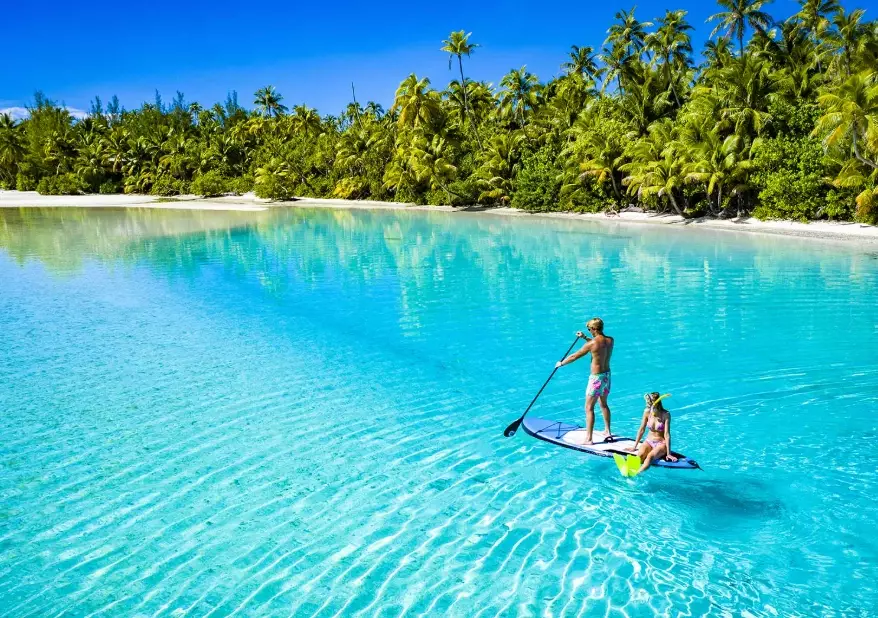
| Island | Estimated Share of Visitor Nights | Visitor Vibe & Purpose |
|---|---|---|
| Rarotonga | ~80%+ | Gateway, main hub, wide range of activities & food, cultural shows, nightlife. |
| Aitutaki | ~15-18% | Iconic lagoon, day-trip destination, high-end resort stays, honeymoon hotspot. |
| All Other Islands (Atiu, Mauke, Mangaia, Northern Group etc.) | ~2-5% | Adventure, culture, diving, birdwatching, extreme relaxation. For the true explorer. |
That table says it all. Your choice of island dramatically changes your trip.
How Long Do People Stay? (And Why It Matters)
This is a critical metric that often gets overlooked. The average length of stay for international visitors to the Cook Islands is surprisingly healthy, often sitting around 10-12 nights. This isn't a weekend destination. It's a place you settle into.
Compare that to some quick-stop Pacific destinations, and you see the difference. The Cooks attract visitors who want to unwind and connect. This longer average stay is a positive sign for the type of sustainable tourism the country often talks about—it's about quality, not just quantity. It means visitors are spending more time (and money) across the local economy, not just at the airport and a resort.
The Elephant in the Room: Tourism and Sustainability
You can't talk about Cook Islands tourism statistics today without touching on sustainability. The government and local communities are acutely aware of the delicate balance. The national tourism strategy explicitly talks about "quality over quantity."
The data is being used to ask hard questions: How many visitors can Rarotonga's infrastructure handle at peak season before it impacts resident life? How do we encourage more dispersal to the outer islands without overwhelming their fragile ecosystems? The recent focus in the data on measuring things like tourist expenditure per day, rather than just arrival numbers, points to this shift in thinking.
As a visitor, you can be part of this. Choosing to visit in the shoulder season, spending money at locally-owned eateries (punas), taking a reusable bottle, and considering a trip to an outer island are all choices supported by what the latest statistics and strategy are hinting at.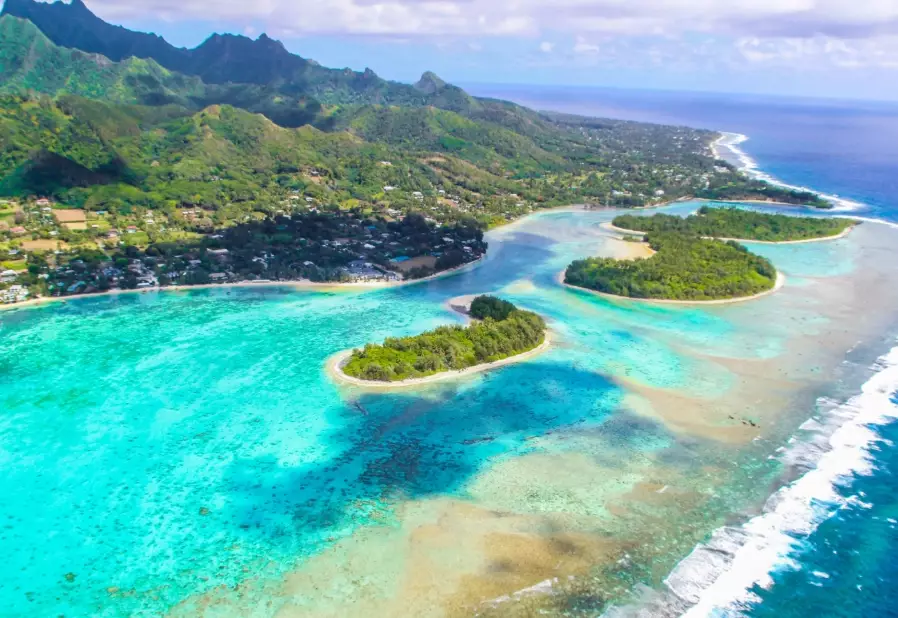
Your Practical Guide: Using These Stats to Plan Your Trip
Alright, enough analysis. Let's get practical. How do you use this wall of numbers?
- Want Solitude? Use the data. Go in a shoulder month (April, May, Sept, Oct). Avoid NZ and AU public holiday weeks (check their calendars). Seriously consider an outer island like Atiu for at least a few nights. The visitor number difference is not subtle.
- Want Festivity & Perfect Weather? Aim for the peak winter months (June-August). Book accommodation and popular tours *well* in advance—like 6-9 months for the best spots.
- On a Budget? Look at the low-season months (Jan-Mar, Nov). You might encounter more rain, but you'll also find significantly better deals on flights and lodgings. It's a trade-off, and the data shows why the prices drop.
- Worried About Over-tourism? The data shows the Cook Islands are not, by global mass-tourism standards, overcrowded. The challenges are localized (certain beaches on Rarotonga at peak times, Aitutaki's main lagoon spots at midday). A little strategic planning using the stats gets you away from those pinch points.
Common Questions Answered (The Stuff You Actually Search)
The Bottom Line
Poring over the Cook Islands tourism statistics might seem like overkill when you just want to book a holiday. But think of it as a shortcut. It helps you move past the glossy brochures and understand the rhythms of the place. You can avoid the crowds if you want to, or join the party if that's your goal. You can see why your flight costs what it does, and why that tiny lodge on Atiu has such limited availability.
The data tells a story of a destination that's recovered powerfully but is thoughtfully navigating its future. It shows a place still dominated by its nearest neighbors but holding onto its unique, slow-paced identity. For you, the traveler, it's the key to unlocking the exact Cook Islands experience you're looking for—whether that's social or solitary, adventurous or utterly relaxed.
My final piece of advice? Book your inter-island flights early, especially to Aitutaki or the outer islands. The plane is small, and as the stats show, everyone wants a piece of that paradise. Don't leave it to chance.





Comments
Join the discussion