Quick Navigation
I remember the first time I seriously looked into visiting New Zealand. My screen was flooded with perfect, impossibly green photos. Milford Sound looked like a painting, Queenstown seemed to pulse with adrenaline, and the beaches... don't get me started. It was overwhelming. Where do you even start? The classic spots everyone talks about, or do you dig deeper for something quieter?
That's the thing about planning a trip here. It's not a small country, and the distance between those stunning New Zealand tourism places can be deceptive. You can't just hop from one to the next. You need a plan, but not a rigid one—because the weather here has a mind of its own, and sometimes the best moments are the unplanned stops.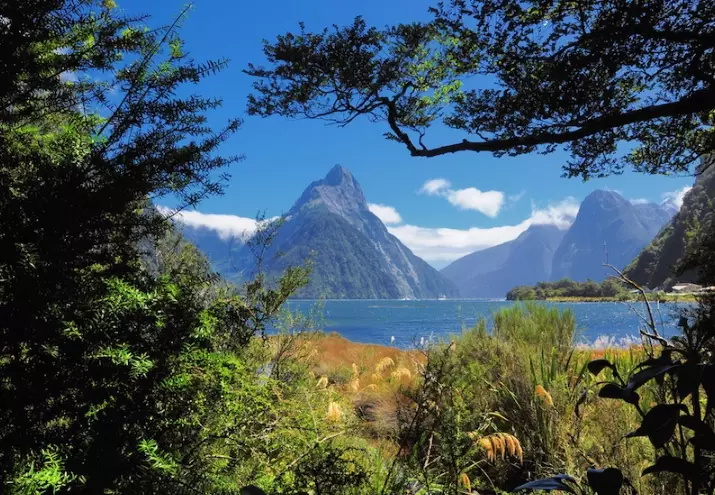
This guide isn't just another list. It's the chat I wish I'd had with someone before I went. We'll talk about the iconic spots you've definitely seen (and whether they live up to the hype), the quieter corners that stole my heart, and all the gritty, practical stuff in between—like how to not blow your budget on petrol or get caught out by a surprise sandfly convention.
The Big Picture: North Island vs South Island Vibes
This is the first, biggest decision. They feel like two different countries, honestly.
The North Island is where you'll find the majority of the people. It's got a warmer climate (generally), incredible Maori culture that's woven into the fabric of the place, geothermal wonders that make you feel like you're on another planet, and some of the best city life in Auckland and Wellington. The beaches up north in places like the Coromandel are golden and inviting.
The South Island is the poster child for dramatic landscapes. We're talking the Southern Alps, glaciers you can practically walk up to, deep fjords, and lakes of an unreal turquoise blue. It's where the phrase "Middle-earth" really comes to life. It feels more remote, wild, and rugged. The weather can be more temperamental, but the payoffs are monumental.
My take? If you're short on time (less than two weeks), pick one island and explore it properly. Trying to do both is a recipe for spending your whole trip in a car.
Hikers, photographers, solitude-seekers, extreme adventure lovers. Distances are vast, weather is less predictable, some roads are challenging (but stunning)
| Aspect | North Island | South Island |
|---|---|---|
| Landscape Vibe | Volcanic, rolling hills, golden beaches, geothermal parks | Alpine, glacial, fjords, dramatic lakes, rugged coastlines |
| Cultural Hub | Strong Maori cultural immersion (Rotorua, Waitangi), vibrant cities (Auckland, Wellington) | More focused on pioneer/settler history (Arrowtown, gold rush sites), smaller cities (Christchurch, Dunedin) |
| Top Activities | Geothermal walks, Maori cultural shows, hobbiton visits, city dining, beach time | Hiking (tramping), scenic flights, glacier tours, wildlife cruises (whales, dolphins), adventure sports |
| Best For | Culture enthusiasts, foodies, families, those wanting a mix of nature and city | Hikers, photographers, solitude-seekers, extreme adventure lovers |
| Potential Downside | Can feel more "touristy" in hotspots, traffic around Auckland | Distances are vast, weather is less predictable, some roads are challenging (but stunning) |
The Heavy Hitters: Must-See New Zealand Tourism Places
Alright, let's dive into the specific spots. These are the names you keep hearing for a reason. But I'll give you the real scoop on each.
Queenstown – The Adventure Capital
It's busy. Let's just get that out there. The waterfront can feel packed in peak season. But there's a buzzing energy that's infectious. This is where bungy jumping was commercialized, and the spirit is alive and well. Beyond the adrenaline, the setting is ridiculous. Lake Wakatipu framed by the Remarkables mountain range is a view you never tire of.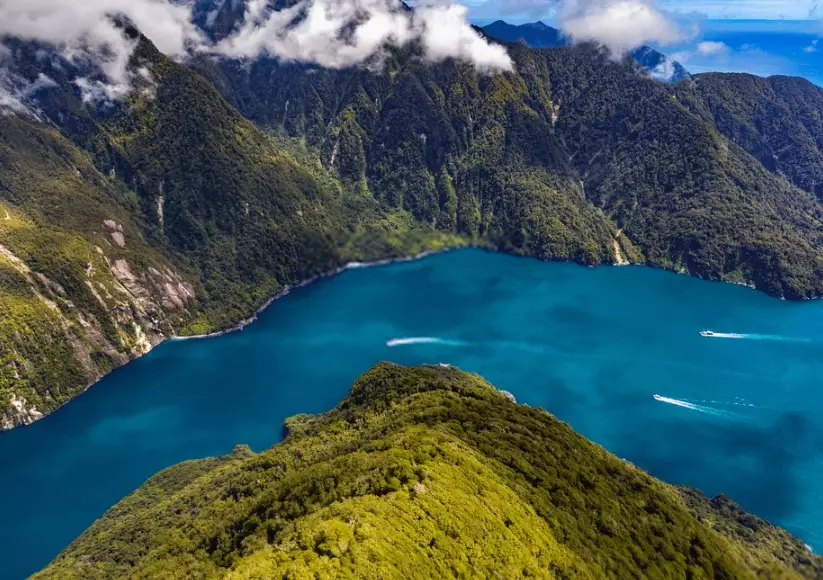
Don't just stay in town. Day trips from here are half the magic. Glenorchy, at the head of the lake, is a quieter, stunningly beautiful gateway to hikes like the Routeburn Track (one of New Zealand's Great Walks).
Milford Sound / Piopiotahi – The Iconic Fjord
Photos do not do this place justice. The scale is humbling. Sheer rock faces shoot up a kilometer from dark water, waterfalls cascade everywhere (especially after rain), and if you're lucky, you'll see dolphins or seals. You get there by driving the Milford Road, which is an attraction in itself—think tunnels carved through rock, mirror lakes, and valleys that make you feel tiny.
Consider an overnight cruise if you can swing it. Seeing the sound after the day-trippers leave is a completely different, serene experience.
Rotorua – Where the Earth Bubbles
You'll smell it before you see it—that distinct sulphur scent (like rotten eggs) means you've arrived in geothermal country. It's a weird and wonderful place. At Te Puia, you can see the giant Pohutu geyser erupt, marvel at Maori woodcarving and weaving schools, and watch mud pools plop and bubble. It's a fantastic introduction to Maori culture and geology in one hit.
Beyond the main sites, the mountain biking here is world-class. The Redwoods Forest has trails for all levels. And for something completely different, you can zorb (roll down a hill in a giant plastic ball) – a uniquely Rotorua invention that is as hilarious as it sounds.
Aoraki / Mount Cook National Park
This is the big one. Home to New Zealand's highest mountain, the hiking here is next-level. The Hooker Valley Track is the star—a relatively flat, well-maintained path that takes you over swing bridges, past glacial lakes, and right to a terminal lake with icebergs and a full-frontal view of Aoraki/Mt Cook. It's busy, but the scenery justifies every step.
Stargazing here is insane. It's an International Dark Sky Reserve.
On the way to or from the park, you pass Lake Pukaki and Lake Tekapo. Their milky-turquoise color, caused by glacial flour (fine rock particles), has to be seen to be believed. The Church of the Good Shepherd at Tekapo is famously photogenic.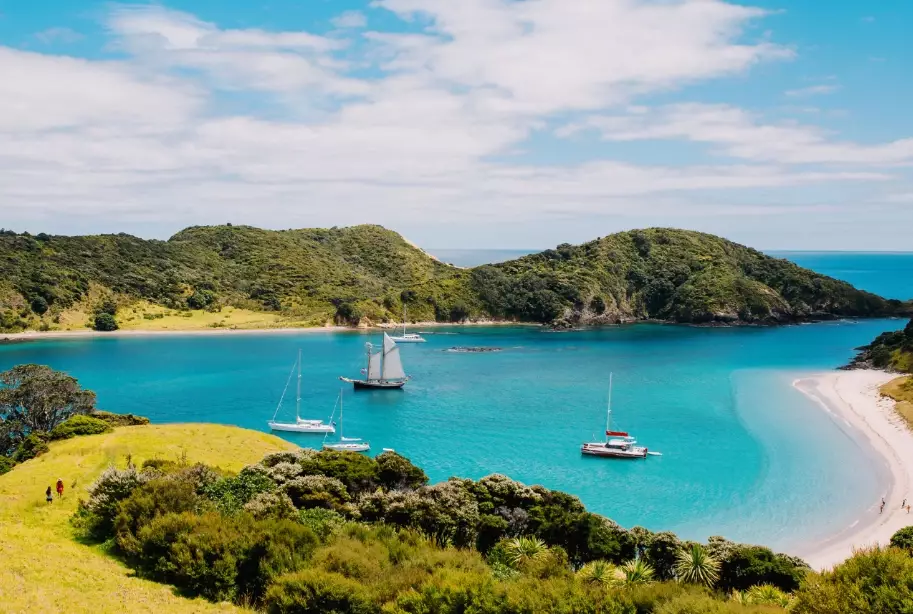
Abel Tasman National Park – Coastal Paradise
Think golden-sand beaches, crystal-clear aquamarine water, and lush coastal forest. It's a different pace. You explore by walking the coastal track, kayaking along the shores, or taking a water taxi to hop between bays. It's warmer and sunnier here than many other parts of the South Island.
You might share the beach with a curious fur seal colony. It's one of those places that feels like a tropical getaway, just with cooler water.
Beyond the Postcard: My Favorite Lesser-Known Gems
If you have the time, venturing off the well-trodden path is where you find the magic. These are some New Zealand tourism places that don't always make the top of the list, but absolutely should.
The Catlins (South Island)
This rugged, southeastern coastal area is wild, windy, and wonderfully empty. You come for the dramatic sea-scapes: Cathedral Caves you can walk into at low tide, the petrified fossil forest at Curio Bay, and Nugget Point lighthouse standing sentinel over rocky islets. It's a prime spot for spotting yellow-eyed penguins (the rarest in the world) and sea lions just lounging on beaches. The roads are winding, the amenities are basic, but the raw beauty is 100% worth it.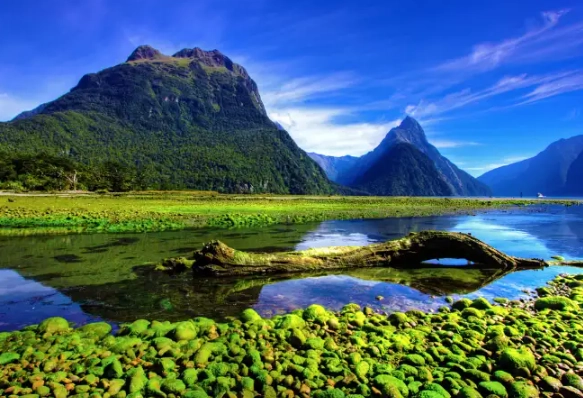
East Cape (North Island)
This is one of the most remote parts of the North Island, with a strong Maori presence. The drive itself is an adventure, leading to the easternmost point of New Zealand and the historic Te Araroa lighthouse. You'll find beautiful, empty beaches, warm hospitality, and a real sense of stepping back in time. The journey here is about the slow pace and the people as much as the destination.
Wharariki Beach (Near Nelson)
Accessed by a 20-minute walk from the car park, this beach feels like the edge of the world. Huge, sculpted sea arches, massive dunes, and often, a colony of fur seals playing in the pools or napping on the sand. It's wildly photogenic, especially at sunrise or sunset. Because of the walk, it never feels crowded.
The best New Zealand tourism places aren't always the ones with the most famous names. Sometimes, they're the quiet cove you find by accident, or the roadside pie shop with the world's best steak and cheese.
The Nitty-Gritty: Practical Stuff You Actually Need to Know
All the dreaming is great, but let's talk logistics. This is what makes or breaks a trip.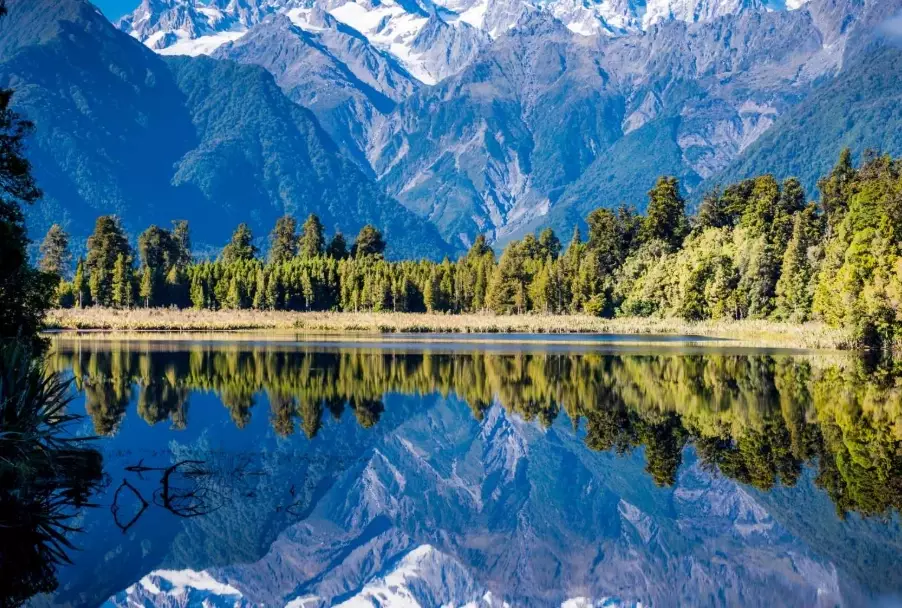
When to Go? It Depends.
- Summer (Dec-Feb): Peak season. Warmest weather, long days, best for hiking and beaches. Also the busiest and most expensive. Book everything far in advance.
- Autumn (Mar-May): My personal favorite. Crowds thin, weather is often stable, and the autumn colors in places like Arrowtown or Central Otago are stunning. A fantastic time for hiking.
- Winter (Jun-Aug): Ski season! Great for the ski fields in Queenstown, Wanaka, and Mt Ruapehu. The Southern Alps are breathtaking with snow. Some hiking tracks may be closed, and daylight hours are shorter.
- Spring (Sep-Nov): Lambs in the fields, blooming lupins, and rising temperatures. Can be unpredictable weather-wise, but you get the joy of seeing everything wake up.
Getting Around: To Campervan or Not to Campervan?
The classic NZ image is a campervan by a lake. And it's a fantastic way to travel, offering flexibility and cutting accommodation costs (though rental and fuel costs are high). Freedom camping (parking for free) has strict rules—you must be in a certified self-contained vehicle and park in designated areas only. Please respect this; it's crucial for protecting the environment. The official New Zealand Motor Caravan Association website and the Department of Conservation (DOC) are your best friends for finding legal spots.
Renting a car and staying in motels, B&Bs, or holiday parks is just as popular and often less stressful. The roads are generally good, but they are often winding and single-lane. Allow more time for journeys than Google Maps suggests. Check road conditions on the NZTA Journeys website.
Money & Budgeting
New Zealand is not a cheap destination. Accommodation, activities, and dining out add up quickly. A mid-range trip for two people can easily run NZ$250-$400 per day, not including major activities like scenic flights or guided hikes. Save money by:
- Cooking some of your own meals.
- Choosing DOC campsites or holiday park cabins over hotels.
- Focusing on free activities—hiking is world-class and costs nothing.
- Looking for combo tickets for activities in places like Rotorua.
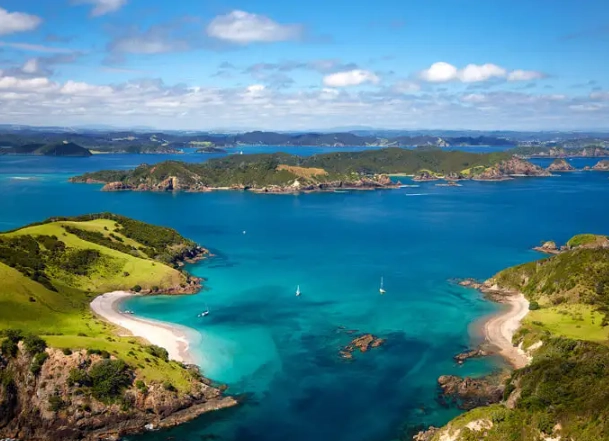
The Tiaki Promise – Traveling Responsibly
This isn't just a nice-to-have; it's a necessity. The Tiaki Promise is a commitment to care for New Zealand. It means:
- Clean your gear: Clean shoes, camping gear, and boat hulls to stop the spread of invasive weeds and diseases like kauri dieback. Use cleaning stations where provided.
- Respect all signs: They're there for your safety and to protect fragile ecosystems. Stay on marked tracks.
- Leave no trace: Take all your rubbish with you. All of it.
- Be prepared: Weather changes fast. Have appropriate clothing, food, water, and a way to communicate. Tell someone your plans. The AdventureSmart website is an essential resource.
Answers to the Questions You're Probably Googling (FAQs)
Do I need a visa to visit New Zealand tourism places?
It depends on your passport. Many countries (like the UK, USA, Canada, and most of Europe) get a visa waiver allowing a stay of up to 3 months, but you must get an NZeTA (New Zealand Electronic Travel Authority) before you travel. Always check the official Immigration New Zealand website for the most current, accurate requirements for your specific nationality.
Is it easy to drive in New Zealand?
Yes, if you're prepared. We drive on the left. The biggest challenges are the narrow, winding roads (especially in tourist areas like Coromandel or Milford Road) and sharing the road with large logging or tourism trucks. Take your time, pull over to let faster traffic pass, and never, ever stop in the middle of the road to take a photo—use designated pull-off areas.
How many days do I need?
This is the golden question. To barely scratch the surface of both islands, you need at least 14 days, and even that will feel rushed. For a more relaxed trip focusing on one island or a specific region, 10-14 days is good. For a comprehensive trip covering major highlights of both islands, 3 weeks is a much more comfortable minimum. It's better to see less and enjoy it more than to spend your entire vacation driving.
Are the sandflies really that bad?
In some areas, like the West Coast of the South Island and around Fiordland, yes. They're tiny but their bites itch like crazy. They're worst at dawn and dusk and on still, overcast days. Pack a strong insect repellent (ones containing DEET or picaridin work best) and consider wearing long sleeves and pants in peak sandfly zones. It's a small price to pay for being in such incredible places.
What's the food like?
Fantastic and fresh. Expect amazing seafood (green-lipped mussels, bluff oysters), high-quality lamb and beef, and incredible dairy (the ice cream and cheese are top-notch). There's a great cafe culture, and you'll find excellent coffee almost everywhere. Don't miss trying a classic meat pie from a bakery—it's a national institution.
Look, at the end of the day, any list of New Zealand tourism places is just a starting point. The real magic happens in between—the unexpected viewpoint, the friendly chat with a local at a pub, the feeling of standing somewhere so beautiful it almost doesn't feel real.
Do your research, make a loose plan, but leave room for spontaneity. Pack for all seasons, respect the land (Tiaki Promise!), and get ready for an adventure that will stick with you long after you've returned home. Whether you're chasing adrenaline in Queenstown, serenity in the Catlins, or cultural connection in Rotorua, New Zealand has a way of giving you exactly what you need, even if it's not what you expected.
Now, go start planning. And maybe I'll see you out there on the trail.


Comments
Join the discussion